What to read next
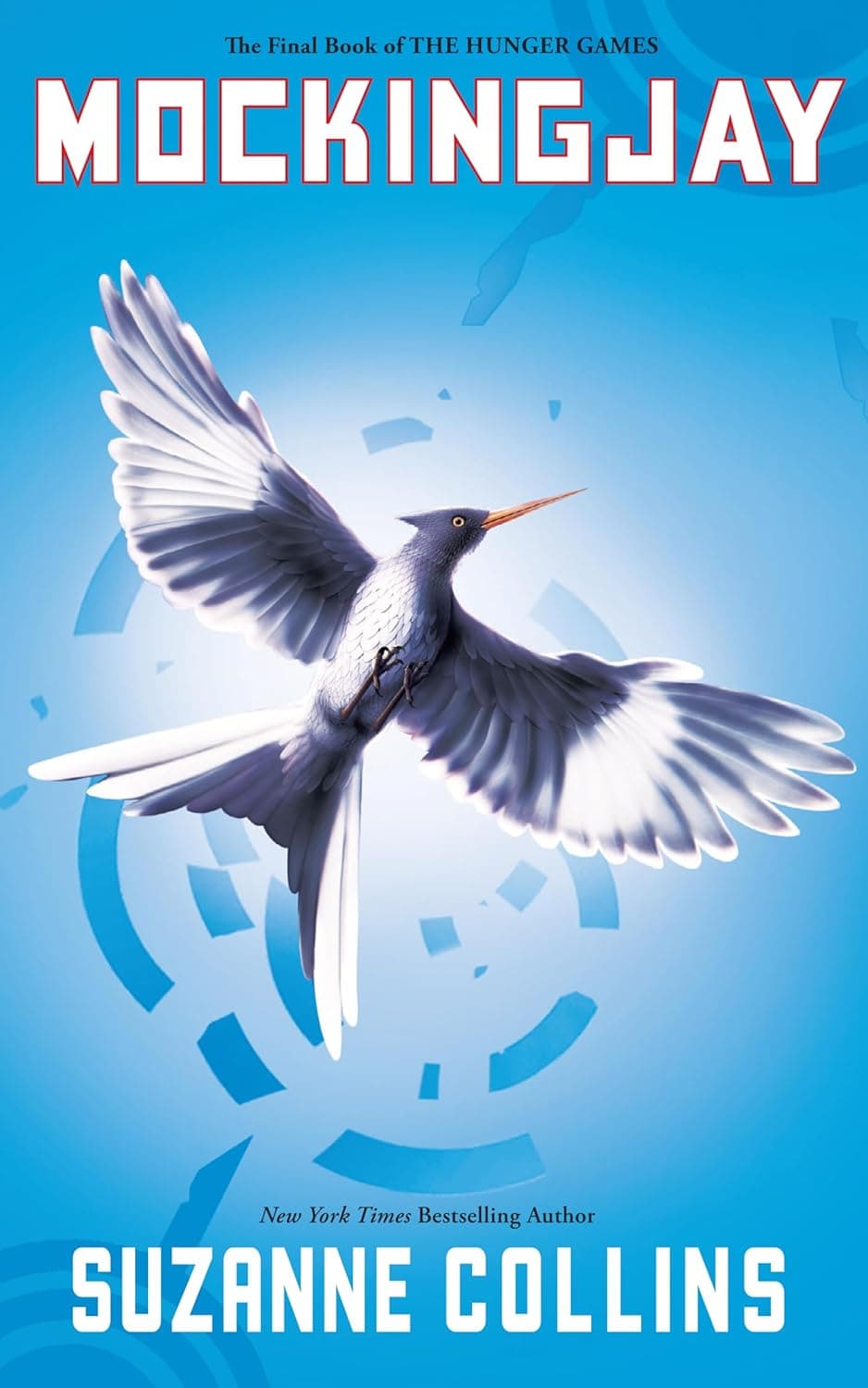
10 books like Mockingjay
Katniss's trauma shapes memory and action, while District 13 and the propos show that opposition can reproduce the Capitol's instrumental logic. If that is what you want more of after Mockingjay, these recommendations preserve that appeal in different ways, without pretending every similar book offers the same experience.
Start with our Mockingjay review by Suzanne Collins.

Choose by reading mood
Where to start
For the fastest read
The Hunger Games
BalancedFor the darkest read
Golden Son
DarkFor minimal romance
Catching Fire
MinimalFor the easiest entry
Harry Potter and the Deathly Hallows
AccessibleThe full shortlist
Why each book belongs here
Each match is judged against Mockingjay, not merely placed beside it because the books share a broad genre label.
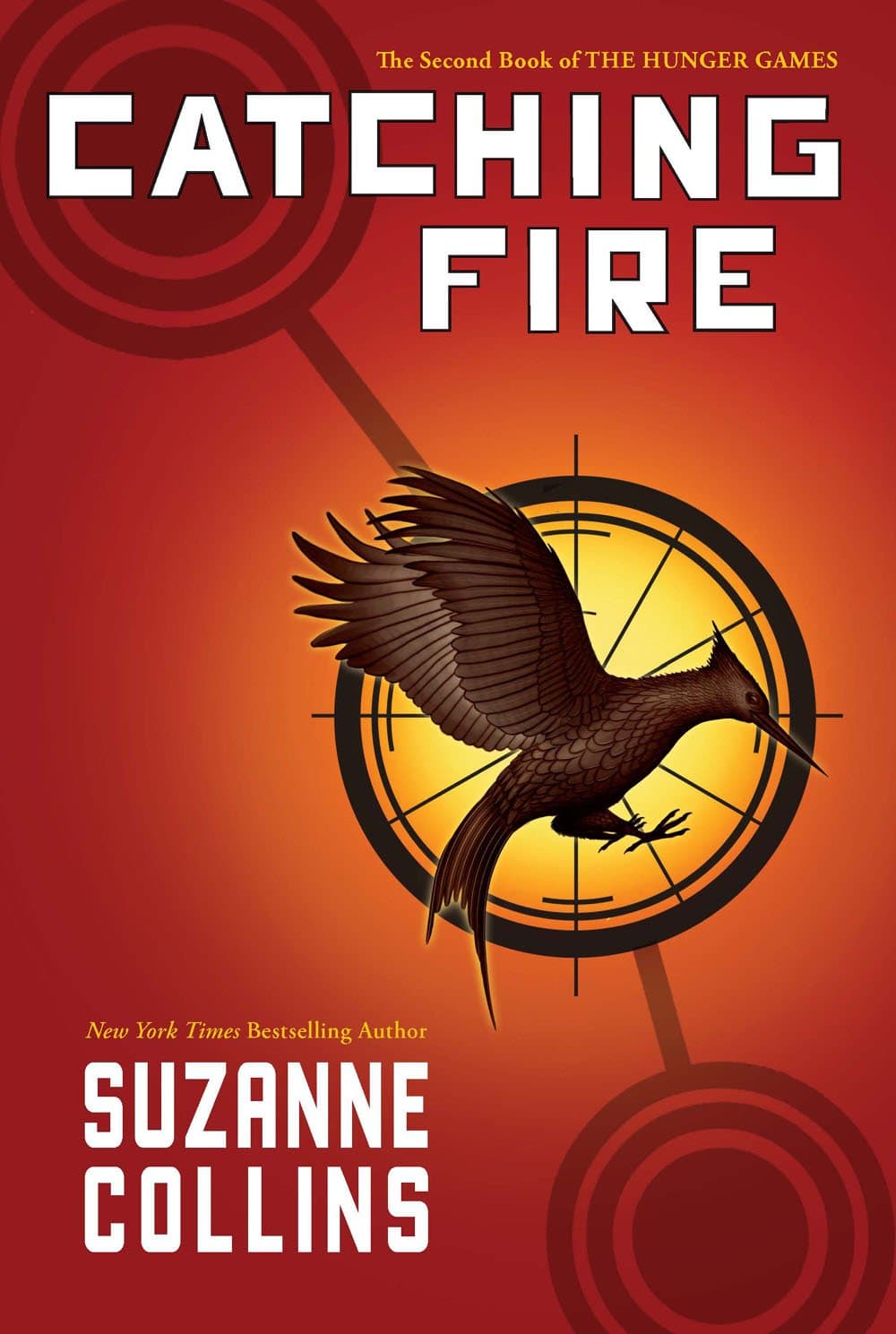
Catching Fire
- Shared ground
- Both books come from Suzanne Collins, and they examine how damaged systems reshape ordinary choices and private loyalties.
- What changes
- Catching Fire offers tighter suspense and clearer alliance mechanics; Mockingjay handles their political cost.
- Best for
- Readers continuing the trilogy who want broader rebellion, stronger alliances, and another tightly designed arena.
- Pace Balanced
- Darkness Moderate
- Romance Minimal
- Difficulty Accessible
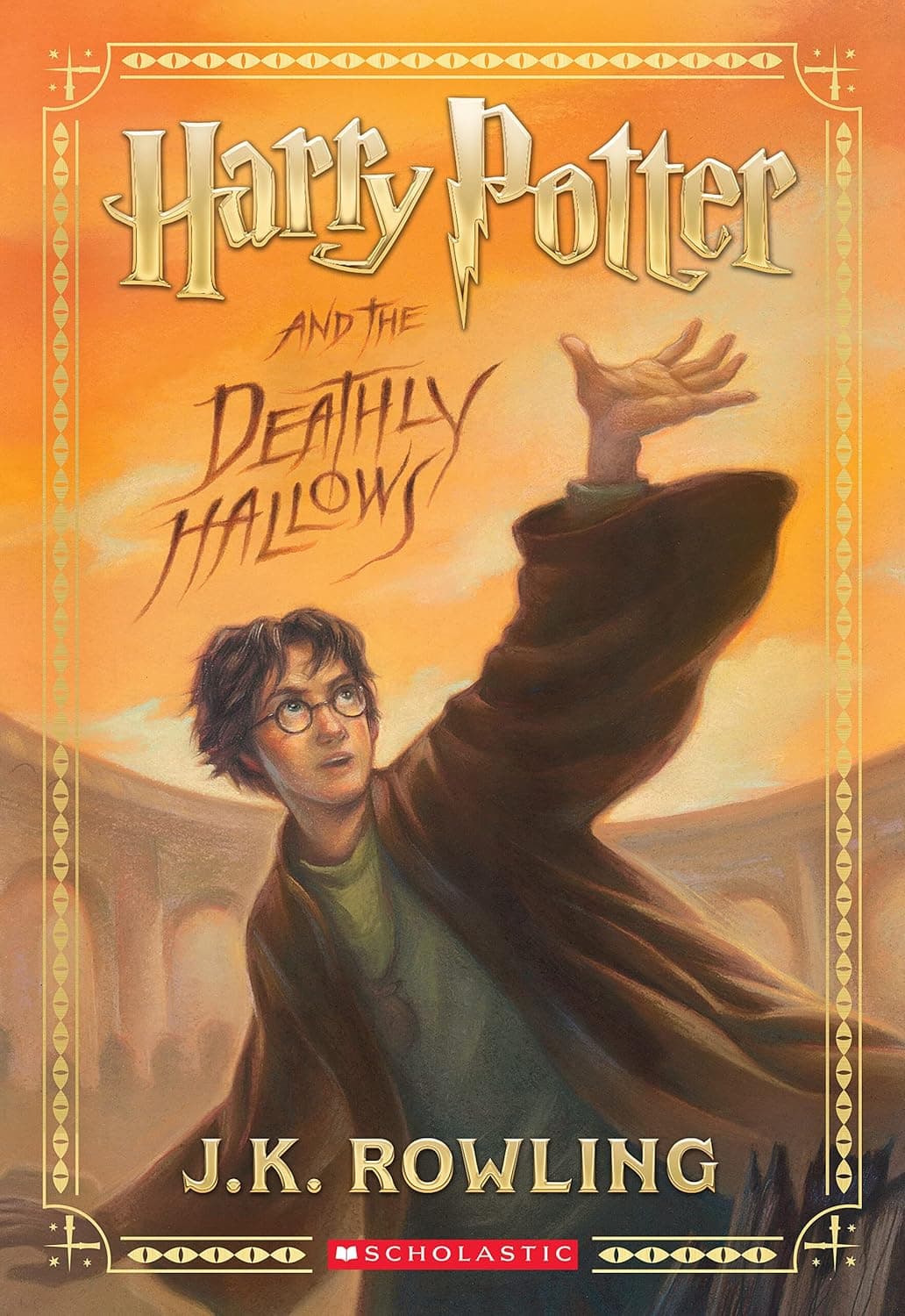
Harry Potter and the Deathly Hallows
- Shared ground
- Both books show how organized violence reshapes loyalty, identity, and ordinary life.
- What changes
- Deathly Hallows provides more mythic closure and a clearer enemy; Mockingjay is more suspicious of revolutionary leadership.
- Best for
- Readers who have completed the series and want war, sacrifice, revelations, and a definitive conclusion rather than another school year.
- Pace Balanced
- Darkness Gentle
- Romance Minimal
- Difficulty Accessible
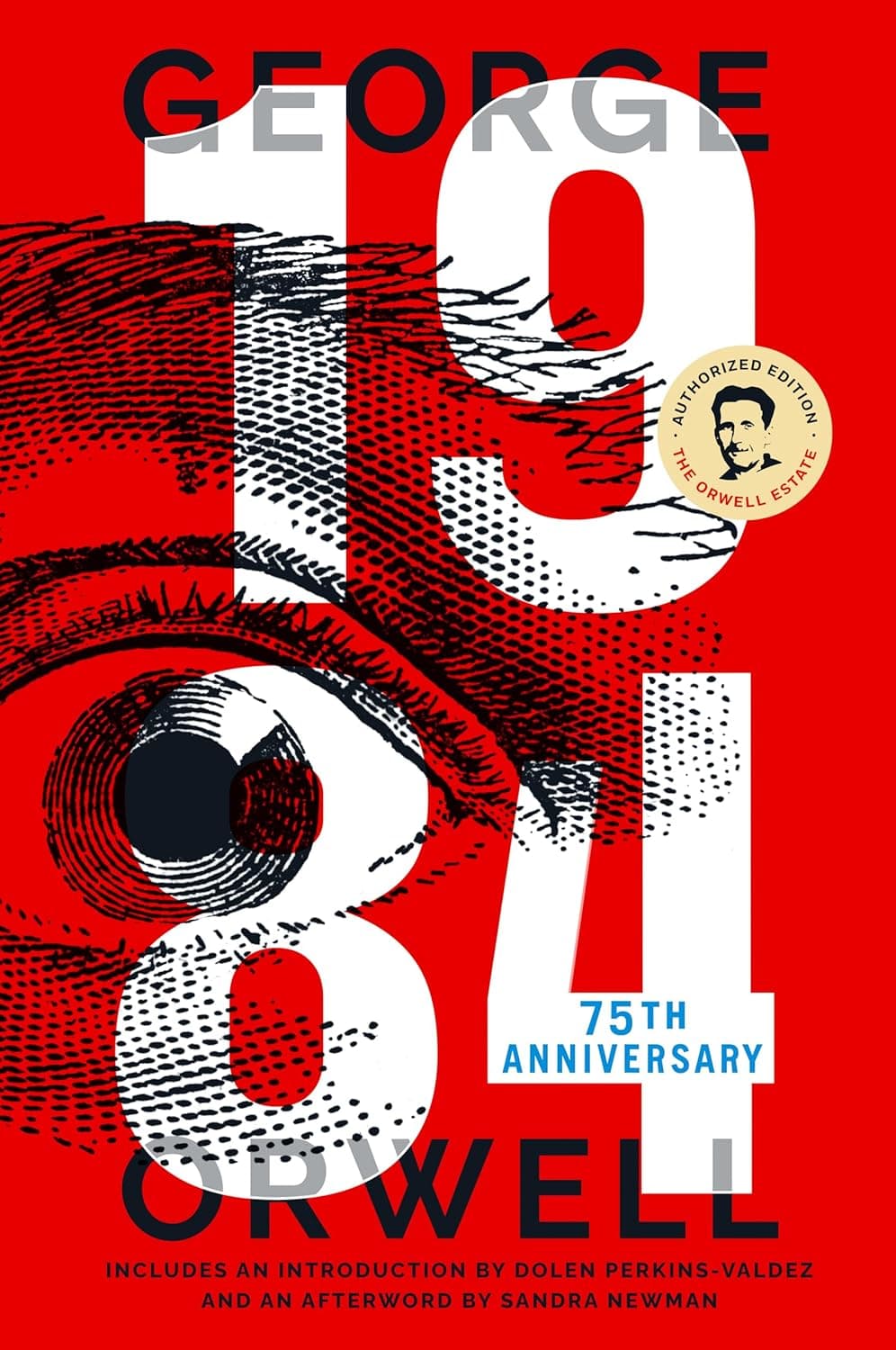
1984
- Shared ground
- Both books examine how damaged systems reshape ordinary choices and private loyalties.
- What changes
- 1984 offers the darker endpoint of political control over truth and intimate loyalty.
- Best for
- Readers interested in propaganda, surveillance, political language, and dystopias that offer pressure rather than escapism.
- Pace Balanced
- Darkness Moderate
- Romance Minimal
- Difficulty Accessible
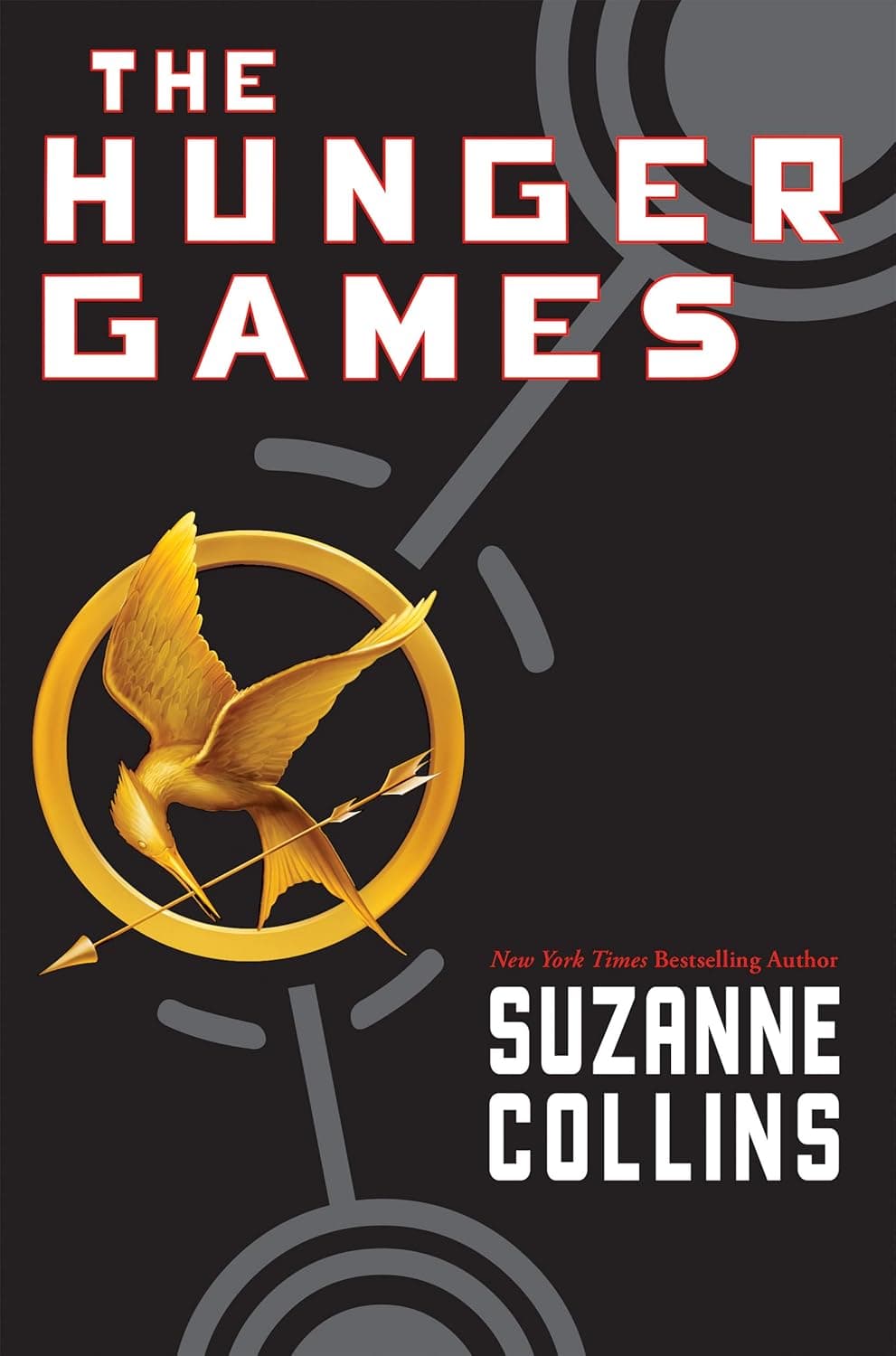
The Hunger Games
- Shared ground
- Both books come from Suzanne Collins, and they examine how damaged systems reshape ordinary choices and private loyalties.
- What changes
- The Hunger Games is faster and easier to enter than Mockingjay. Food, gifts, costume, sponsors, alliances, and romance all operate as material strategy, making spectacle inseparable from political power.
- Best for
- Teens and adults wanting fast dystopian suspense, political spectacle, survival, violence, and a guarded protagonist.
- Pace Balanced
- Darkness Moderate
- Romance Minimal
- Difficulty Accessible
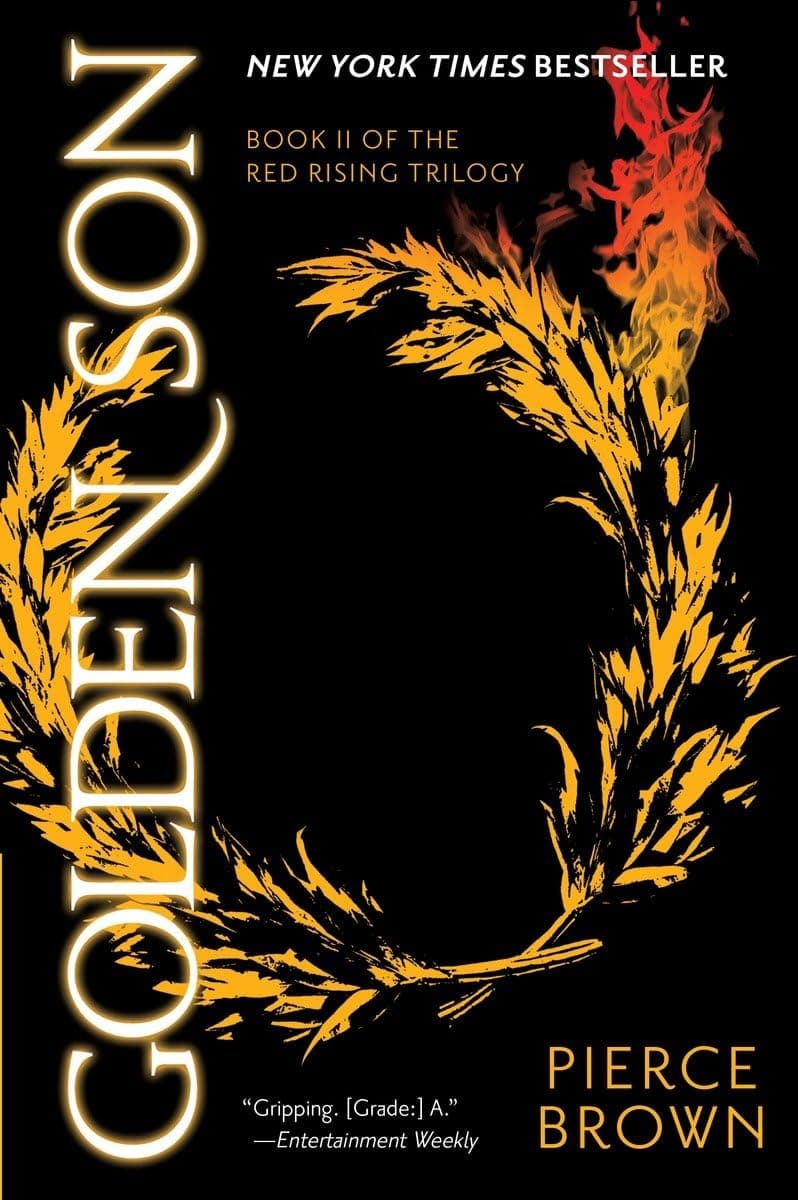
Golden Son
- Shared ground
- Both books show how organized violence reshapes loyalty, identity, and ordinary life.
- What changes
- Golden Son is faster and easier to enter than Mockingjay. Fleet tactics, political houses, friendships, and revolutionary secrecy make every victory vulnerable to the identity Darrow cannot fully share.
- Best for
- Red Rising readers ready for space battles, political betrayal, friendship under secrecy, and relentless escalation.
- Pace Balanced
- Darkness Dark
- Romance Minimal
- Difficulty Accessible
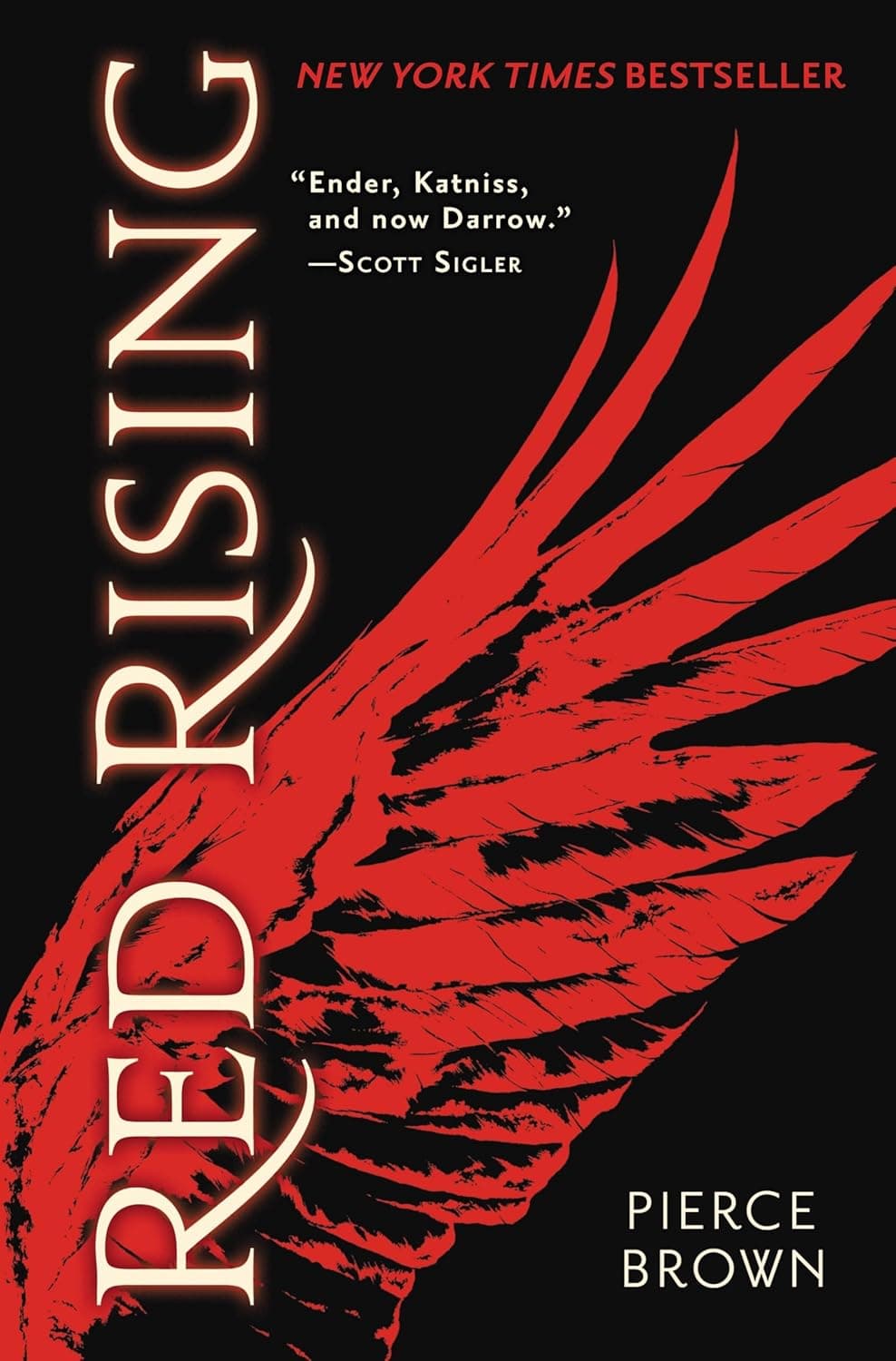
Red Rising
- Shared ground
- Both books show how organized violence reshapes loyalty, identity, and ordinary life.
- What changes
- Red Rising is faster and easier to enter than Mockingjay. Darrow's bodily transformation, hidden identity, Institute alliances, and tactical learning make infiltration emotionally and physically costly.
- Best for
- Readers wanting violent caste rebellion, hidden identity, academy warfare, fast tactics, and Roman-inspired space society.
- Pace Balanced
- Darkness Moderate
- Romance Minimal
- Difficulty Accessible
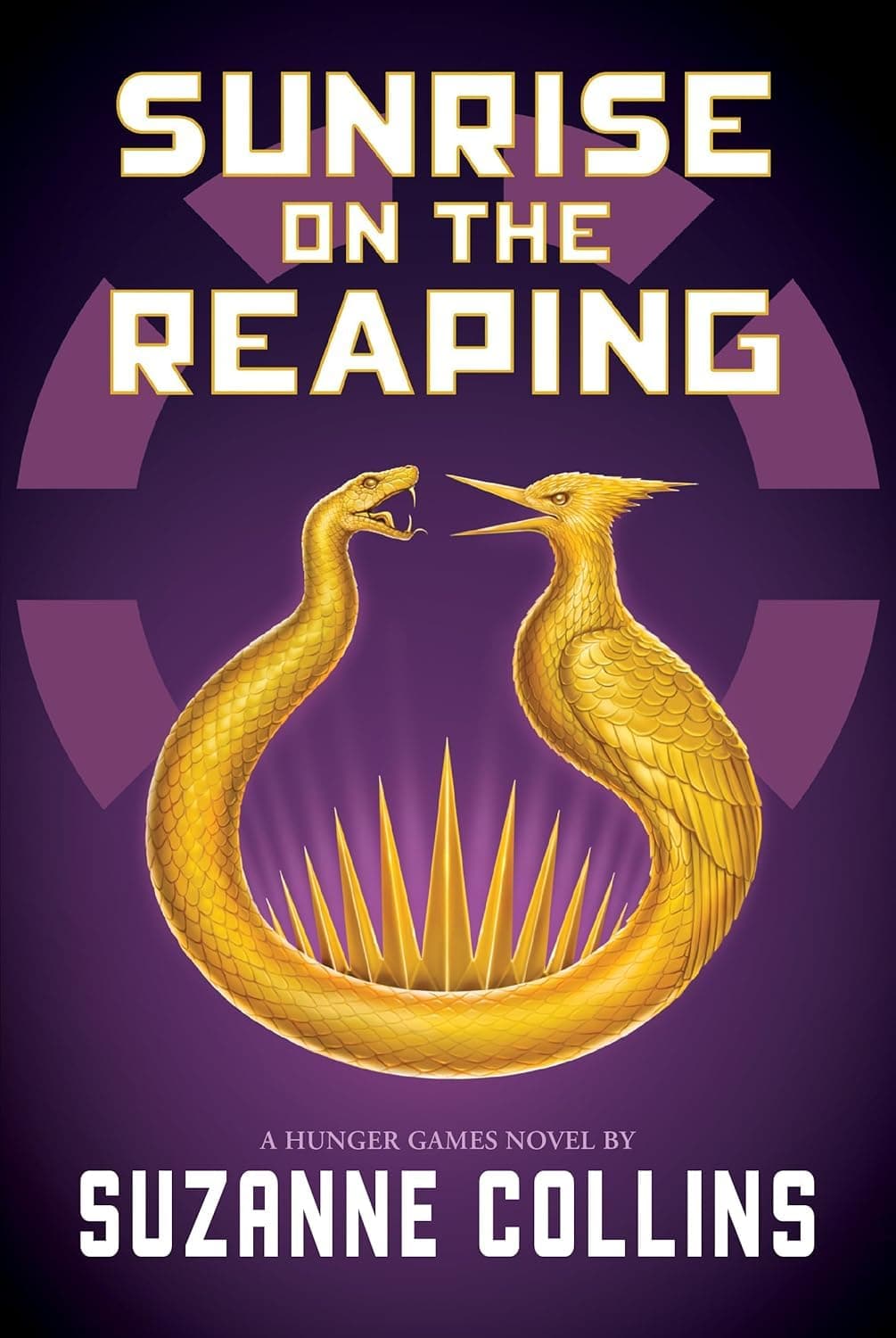
Sunrise on the Reaping
- Shared ground
- Both books come from Suzanne Collins, and they examine how damaged systems reshape ordinary choices and private loyalties.
- What changes
- Sunrise on the Reaping is easier to enter than Mockingjay. The familiar Games machinery gains new force through predetermined loss and the gap between lived experience and the version preserved for future audiences.
- Best for
- Hunger Games readers interested in Haymitch, propaganda, erased resistance, and tragedy whose broad outcome is already known.
- Pace Balanced
- Darkness Dark
- Romance Minimal
- Difficulty Accessible
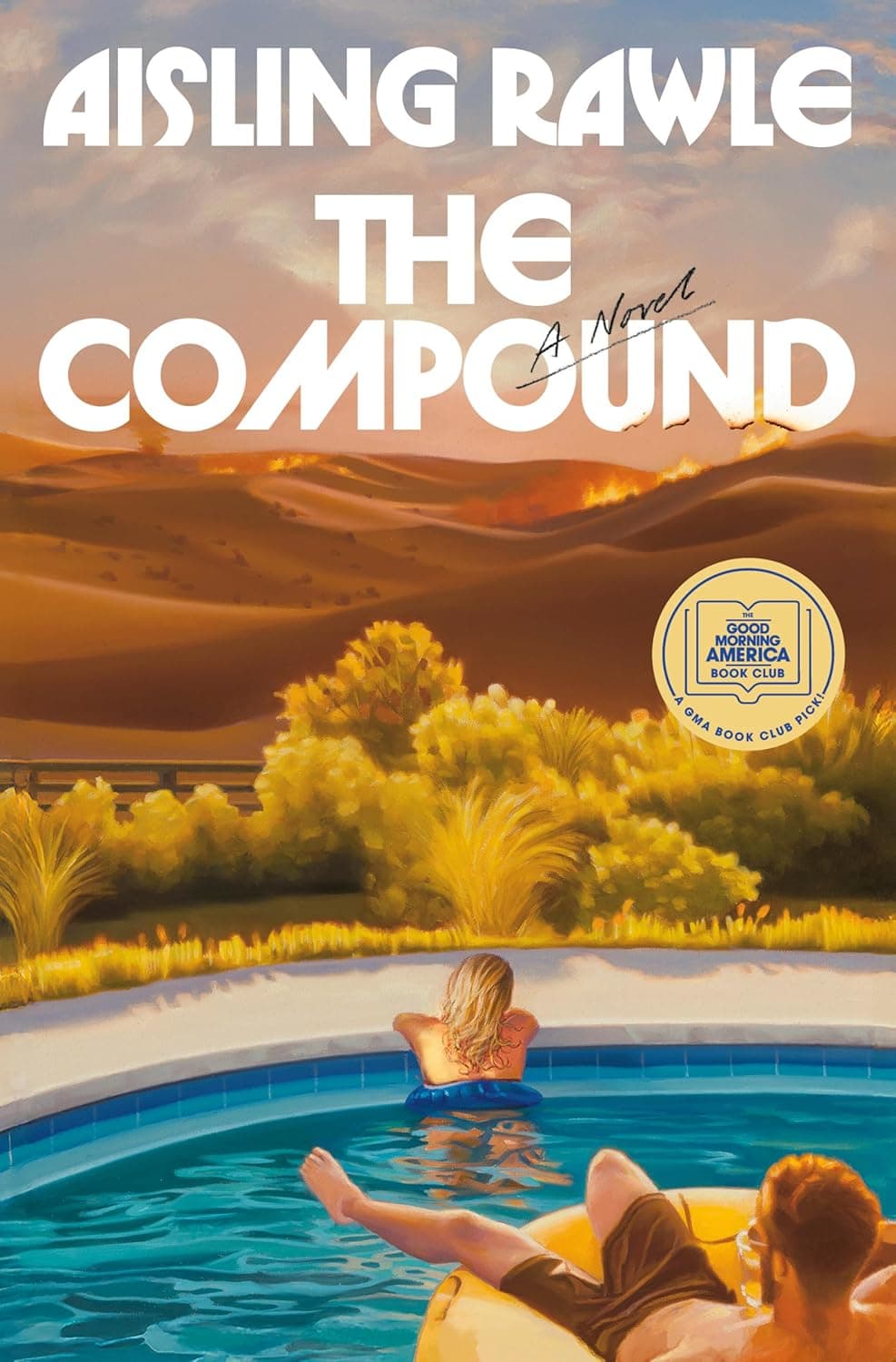
The Compound
- Shared ground
- Both books examine how damaged systems reshape ordinary choices and private loyalties.
- What changes
- The Compound is faster and easier to enter than Mockingjay. Lily's willingness to remain inside the game prevents easy moral distance, and the exchange of basic necessities for performance turns familiar television rituals into coercion.
- Best for
- Readers of dystopian satire, social horror, reality-TV critique, surveillance fiction, and morally compromised narrators who want an addictive rather than austere novel.
- Pace Balanced
- Darkness Moderate
- Romance Minimal
- Difficulty Accessible
Brave New World
- Shared ground
- Both books examine how damaged systems reshape ordinary choices and private loyalties.
- What changes
- Brave New World has a similar overall reading load, but changes the emphasis. Huxley connects consumption, entertainment, sex, pharmaceuticals, and biological design into one coherent system.
- Best for
- Readers who prefer idea-driven dystopia and social satire to intimate characterization or sustained suspense.
- Pace Balanced
- Darkness Moderate
- Romance Minimal
- Difficulty Moderate
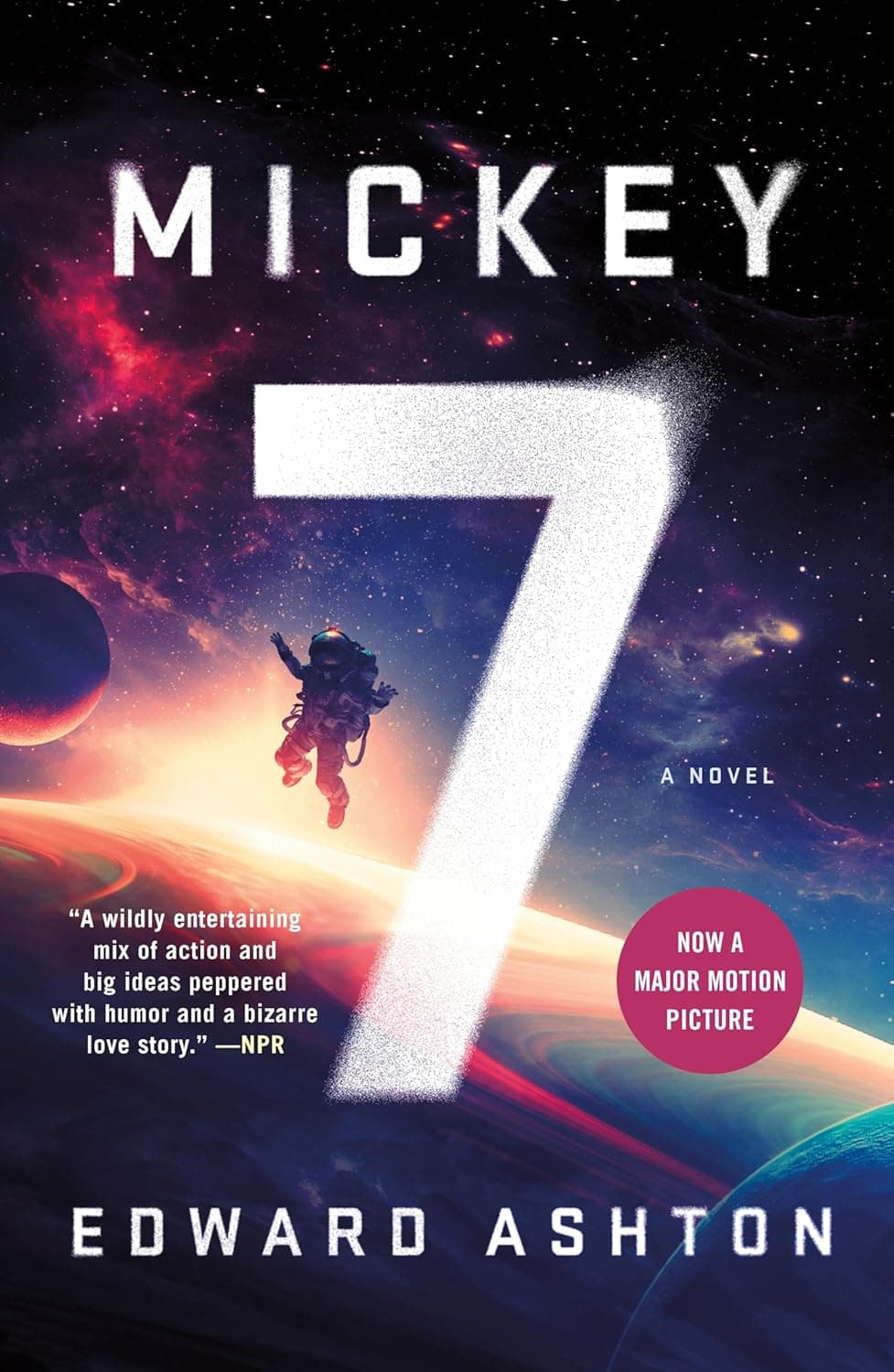
Mickey7
- Shared ground
- Both books examine how damaged systems reshape ordinary choices and private loyalties.
- What changes
- Mickey7 is faster and easier to enter than Mockingjay. Mickey's weary narration makes cloning philosophy immediate, and the duplicate problem forces abstract questions about continuity into an awkward fight over food, shelter, and legal personhood.
- Best for
- Science-fiction readers wanting cloning, hostile-planet survival, corporate exploitation, existential questions, and dark humor in a compact standalone story.
- Pace Balanced
- Darkness Moderate
- Romance Minimal
- Difficulty Accessible
Side-by-side
Pace, darkness, romance, and difficulty
Use these labels as directional guidance. The individual notes above explain the tradeoffs.
| Book | Pace | Darkness | Romance | Difficulty |
|---|---|---|---|---|
| Mockingjay | Balanced | Moderate | Minimal | Moderate |
| Catching Fire | Balanced | Moderate | Minimal | Accessible |
| Harry Potter and the Deathly Hallows | Balanced | Gentle | Minimal | Accessible |
| 1984 | Balanced | Moderate | Minimal | Accessible |
| The Hunger Games | Balanced | Moderate | Minimal | Accessible |
| Golden Son | Balanced | Dark | Minimal | Accessible |
| Red Rising | Balanced | Moderate | Minimal | Accessible |
| Sunrise on the Reaping | Balanced | Dark | Minimal | Accessible |
| The Compound | Balanced | Moderate | Minimal | Accessible |
| Brave New World | Balanced | Moderate | Minimal | Moderate |
| Mickey7 | Balanced | Moderate | Minimal | Accessible |
Keep exploring
Explore another Books Like guide
Start from another familiar book and compare a new set of reading paths.