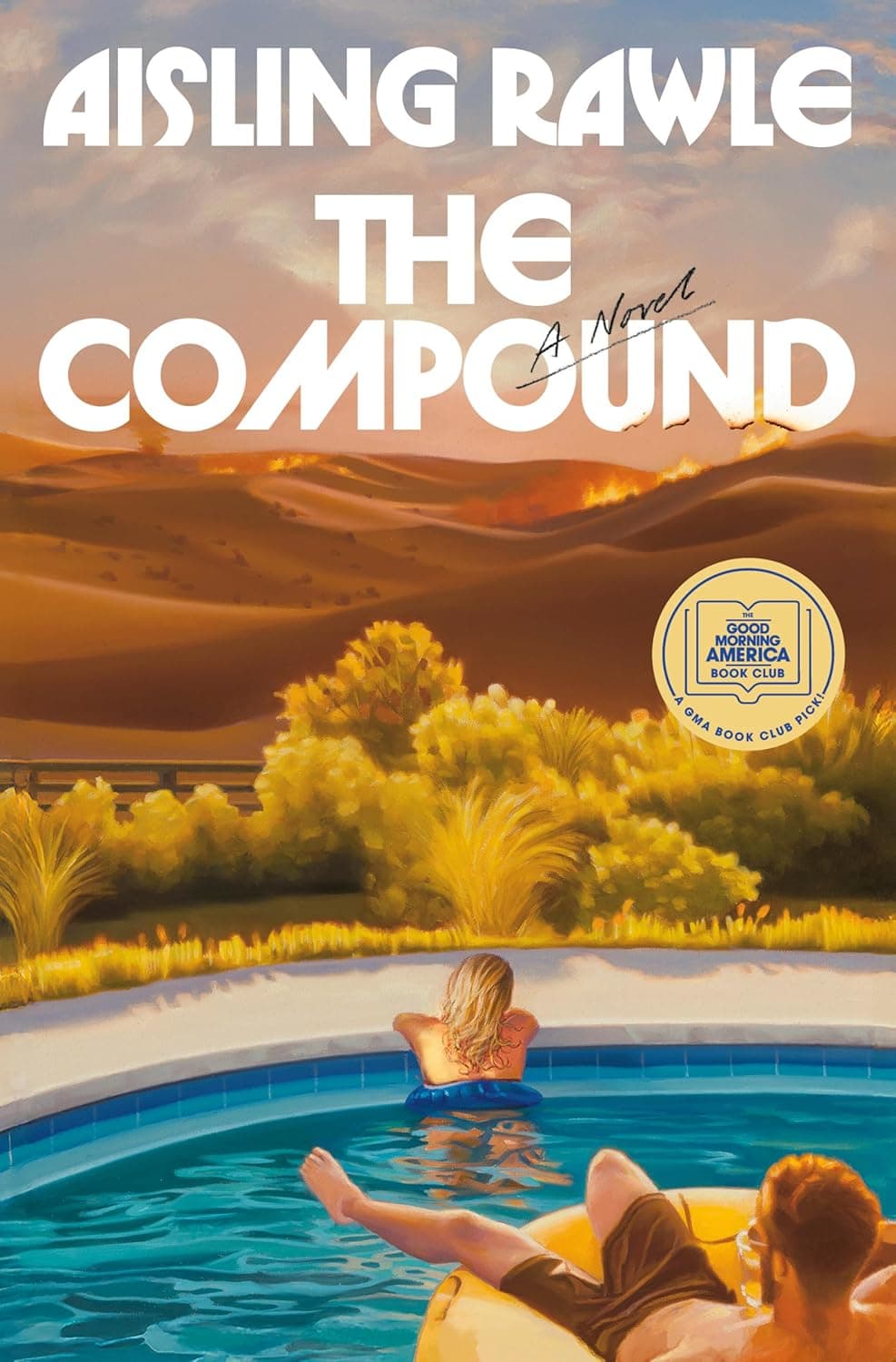
Should you read The Compound?
What works
Lily's willingness to remain inside the game prevents easy moral distance, and the exchange of basic necessities for performance turns familiar television rituals into coercion.
What may not work for you
Several contestants remain recognizable reality-show types, and the satire is sometimes so explicit that it leaves little interpretive work for the reader.
What may test your patience
The early social maneuvering deliberately resembles ordinary dating television before the material cost of losing becomes unmistakable.
Does the ending reward the effort?
Yes. It refuses the comforting idea that identifying manipulation automatically frees someone who has learned to desire the system's rewards.
Reading The Compound closely
The Compound starts with a simple, nasty hook: Lily wakes on a remote desert compound with nineteen other contestants in a hugely popular reality show. Prizes include champagne and lipstick, but also food, appliances, and even a front door. Every game is therefore survival dressed as entertainment.
What makes The Compound so bingeable is how it turns social dynamics into currency. Everyone is being watched, everyone is performing, and the line between genuine connection and strategic intimacy starts to blur fast. Lily is not even sure she wants to go home, because the world outside is falling apart, and the compound is at least clean, controlled, and full of rewards. That contradiction powers the whole book.
Under the surface, this is reality TV satire with teeth. It takes consumer culture, status chasing, and the pressure to be lovable on camera, then asks what happens when producers keep raising the stakes. As the challenges intensify, the story keeps tightening the same screw: desire vs desperation, luxury vs necessity, and the slow realization that “winning” might cost more than anyone expected.
If you are wondering is The Compound worth reading, it depends on your tolerance for manipulation and uncomfortable choices. The tension is psychological, the atmosphere is voyeuristic, and the book is happiest when it is making you complicit as a viewer. There are also sequences where contestants are pushed into upsetting and dangerous situations, so consider this a content warning for coercive pressure, threats of violence, and mature relationship dynamics.
The Compound is a sharp dystopian page-turner that feels like a guilty pleasure but leaves real questions behind.
Three useful comparisons
The Hunger Games
The Hunger Games makes the contestants visibly captive under state violence; The Compound is more unsettling about voluntary participation and consumer desire.
Best for: Teens and adults wanting fast dystopian suspense, political spectacle, survival, violence, and a guarded protagonist.
1984
1984 depicts total surveillance as grim political control, while Rawle filters it through branding, entertainment, intimacy, and the wish to be watched.
Best for: Readers interested in propaganda, surveillance, political language, and dystopias that offer pressure rather than escapism.
Yellowface
Yellowface offers a similarly compulsive first-person study of ambition and public judgment, but in publishing rather than reality television.
Best for: Readers of literary satire, unreliable narrators, publishing stories, social-media anxiety, cultural appropriation debates, and fast books built for argument.