What to read next
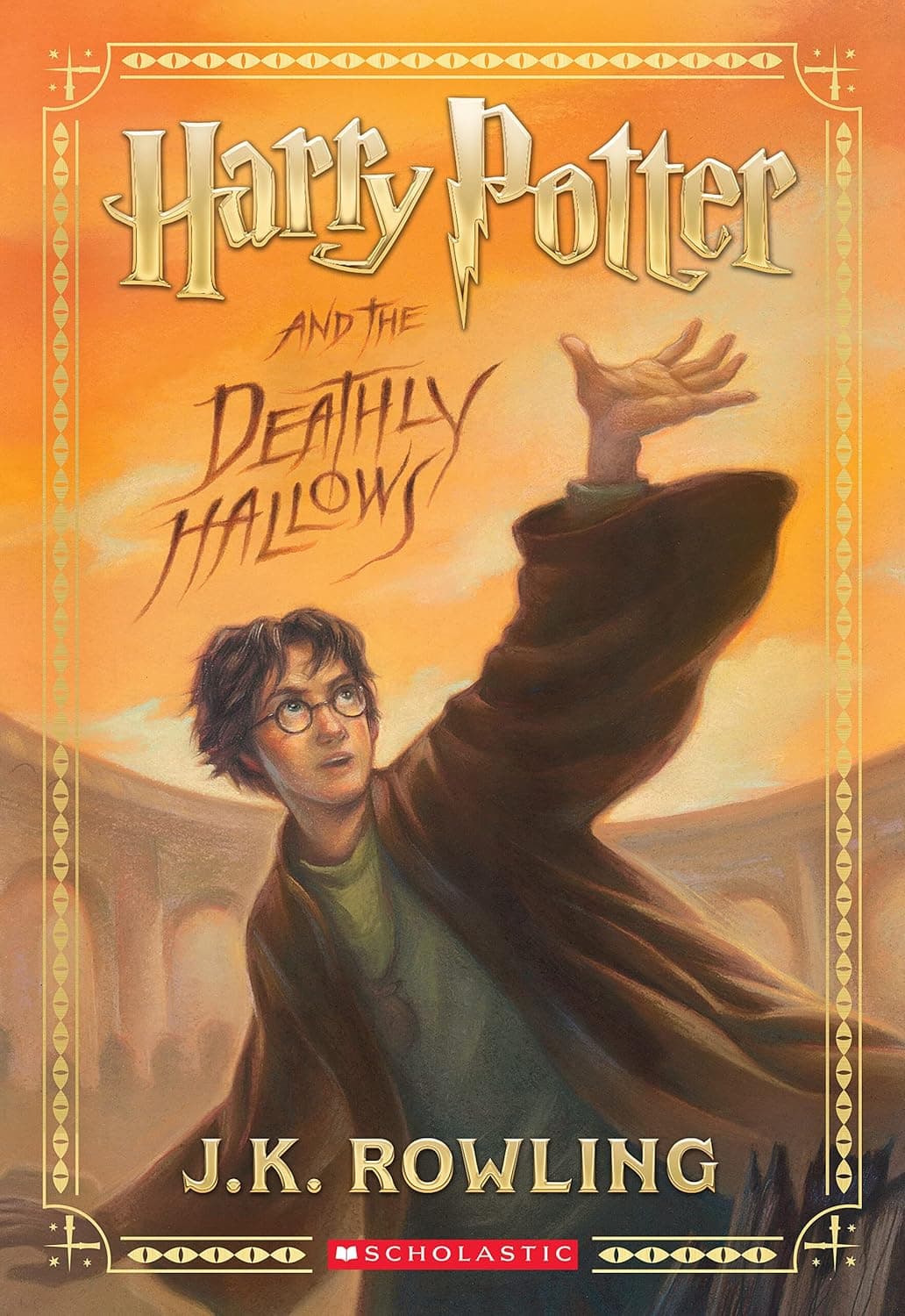
10 books like Harry Potter and the Deathly Hallows
Removing the trio from Hogwarts tests their friendship without institutional shelter, and the final revelations reframe loyalty, sacrifice, and the pursuit of power. If that is what you want more of after Harry Potter and the Deathly Hallows, these recommendations preserve that appeal in different ways, without pretending every similar book offers the same experience.
Start with our Harry Potter and the Deathly Hallows review by J.K. Rowling.

Choose by reading mood
Where to start
For the fastest read
The Will of the Many
BalancedFor the gentlest option
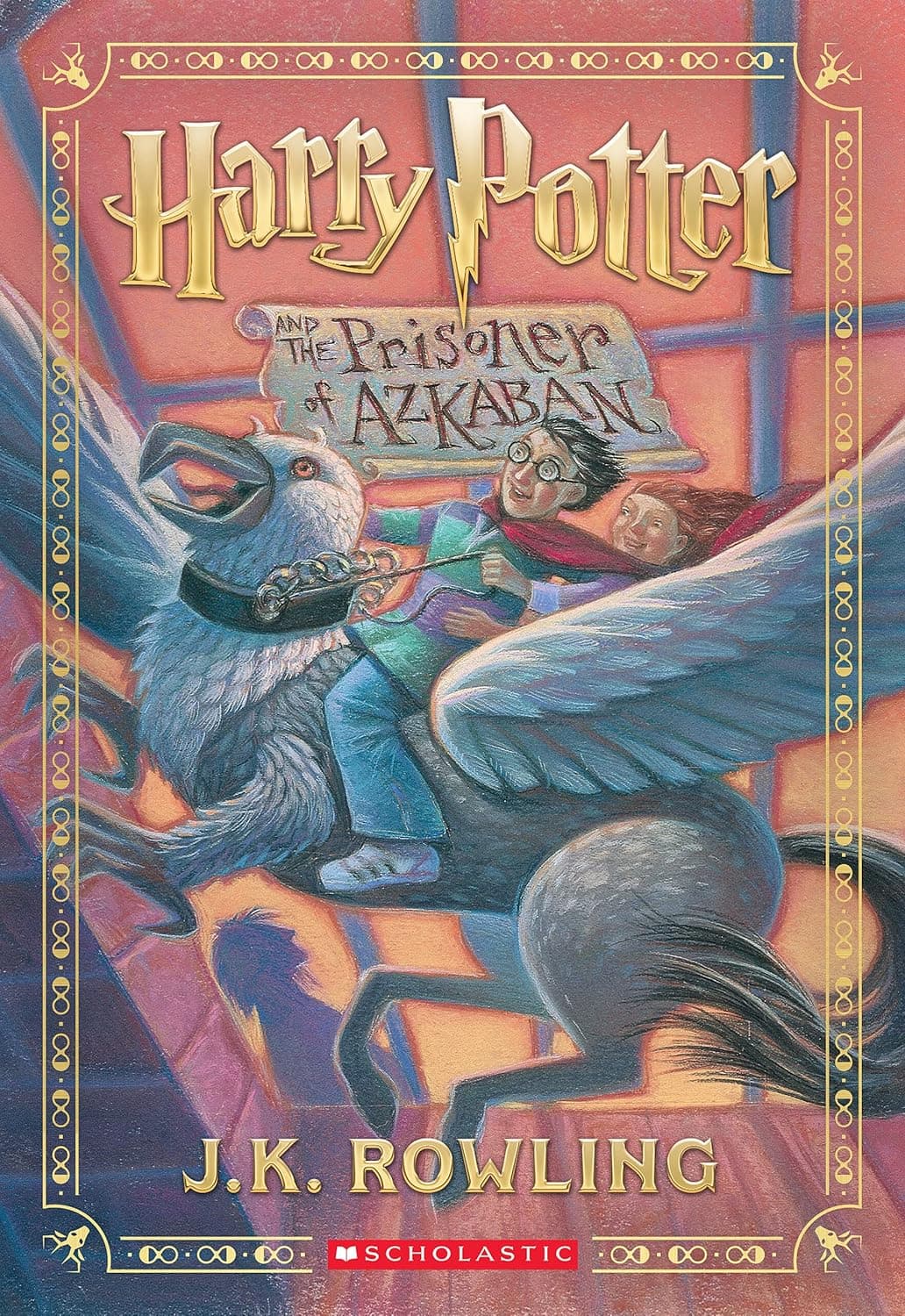
Harry Potter and the Prisoner of Azkaban
GentleFor minimal romance
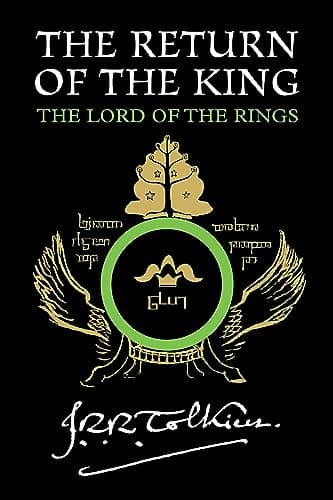
The Return of the King
MinimalFor the easiest entry
Harry Potter and the Philosopher's Stone
AccessibleThe full shortlist
Why each book belongs here
Each match is judged against Harry Potter and the Deathly Hallows, not merely placed beside it because the books share a broad genre label.
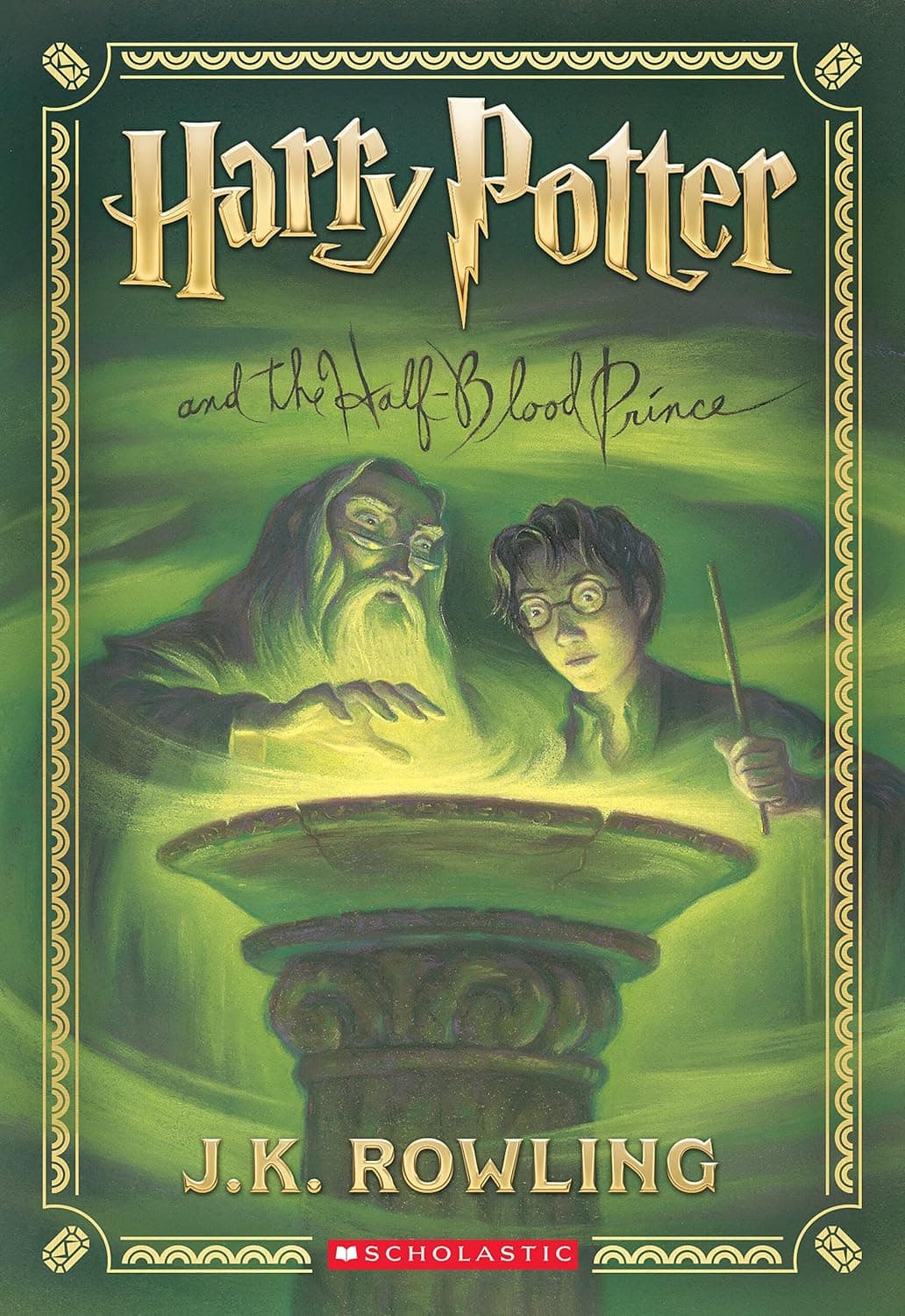
Harry Potter and the Half-Blood Prince
- Shared ground
- Both books make observation, missing information, and the search for an explanation part of the pleasure.
- What changes
- Half-Blood Prince is the necessary setup and offers a tighter mystery within Hogwarts.
- Best for
- Series readers who want character history, gathering dread, school romance, and direct preparation for the finale.
- Pace Balanced
- Darkness Moderate
- Romance Minimal
- Difficulty Moderate
The Return of the King
- Shared ground
- Both books show how organized violence reshapes loyalty, identity, and ordinary life.
- What changes
- The Return of the King provides grander mythic warfare and a more extended account of the cost of coming home.
- Best for
- Readers completing the trilogy who want catharsis, costly victory, homecoming, and an unusually serious aftermath.
- Pace Balanced
- Darkness Moderate
- Romance Minimal
- Difficulty Moderate
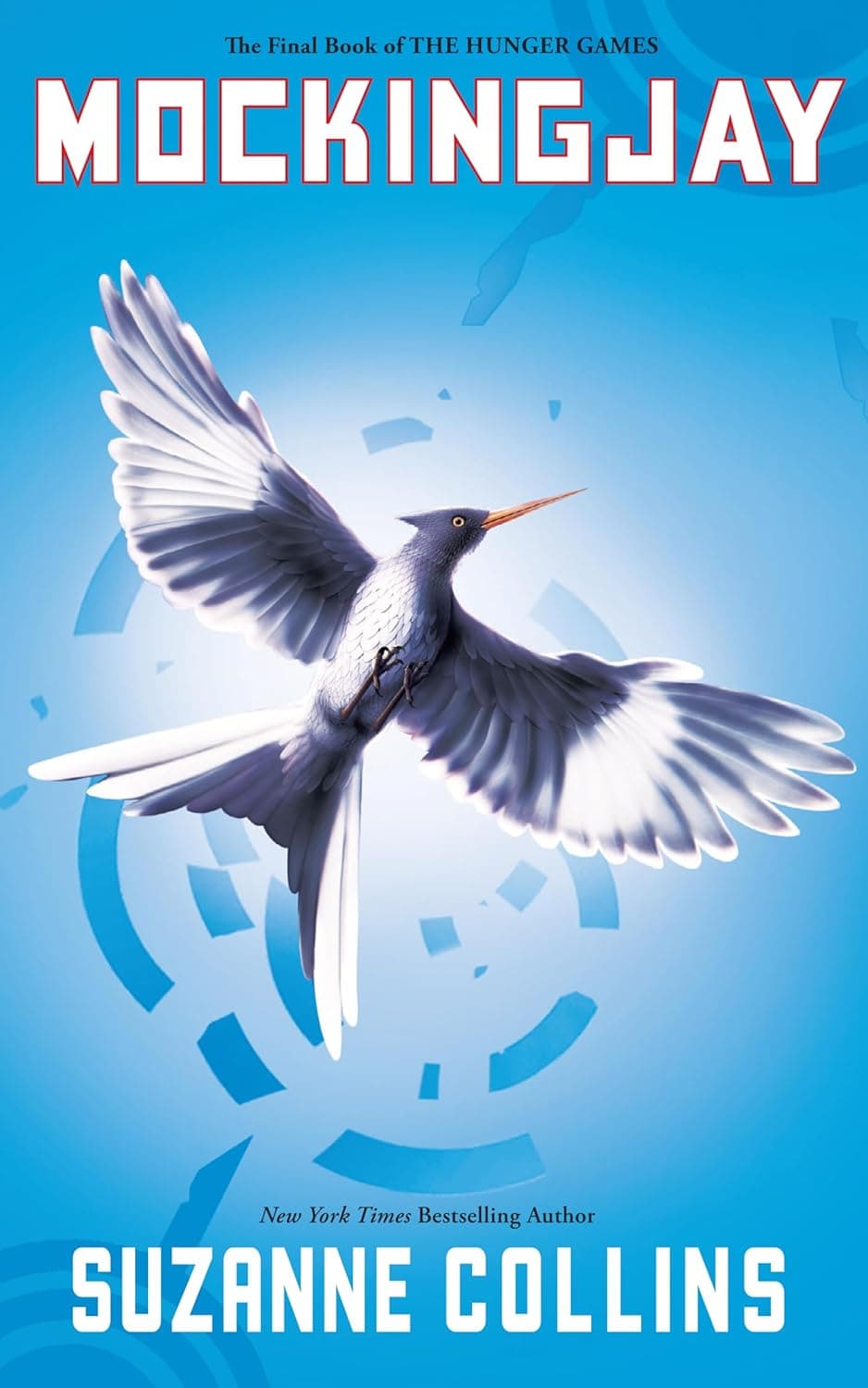
Mockingjay
- Shared ground
- Both books show how organized violence reshapes loyalty, identity, and ordinary life.
- What changes
- Mockingjay also removes its young hero from the original arena and focuses more sharply on propaganda and trauma.
- Best for
- Series readers prepared for propaganda, trauma, moral ambiguity, war, and a less crowd-pleasing conclusion.
- Pace Balanced
- Darkness Moderate
- Romance Minimal
- Difficulty Moderate
Harry Potter and the Prisoner of Azkaban
- Shared ground
- Both books make observation, missing information, and the search for an explanation part of the pleasure.
- What changes
- Harry Potter and the Prisoner of Azkaban has a similar overall reading load, but changes the emphasis. Lupin, Sirius, the Dementors, and the Marauders give Harry's parents a complicated human history, while the Patronus turns emotional discipline into action.
- Best for
- Series readers wanting a darker but still self-contained school adventure with the richest character payoff of the early books.
- Pace Balanced
- Darkness Gentle
- Romance Minimal
- Difficulty Accessible
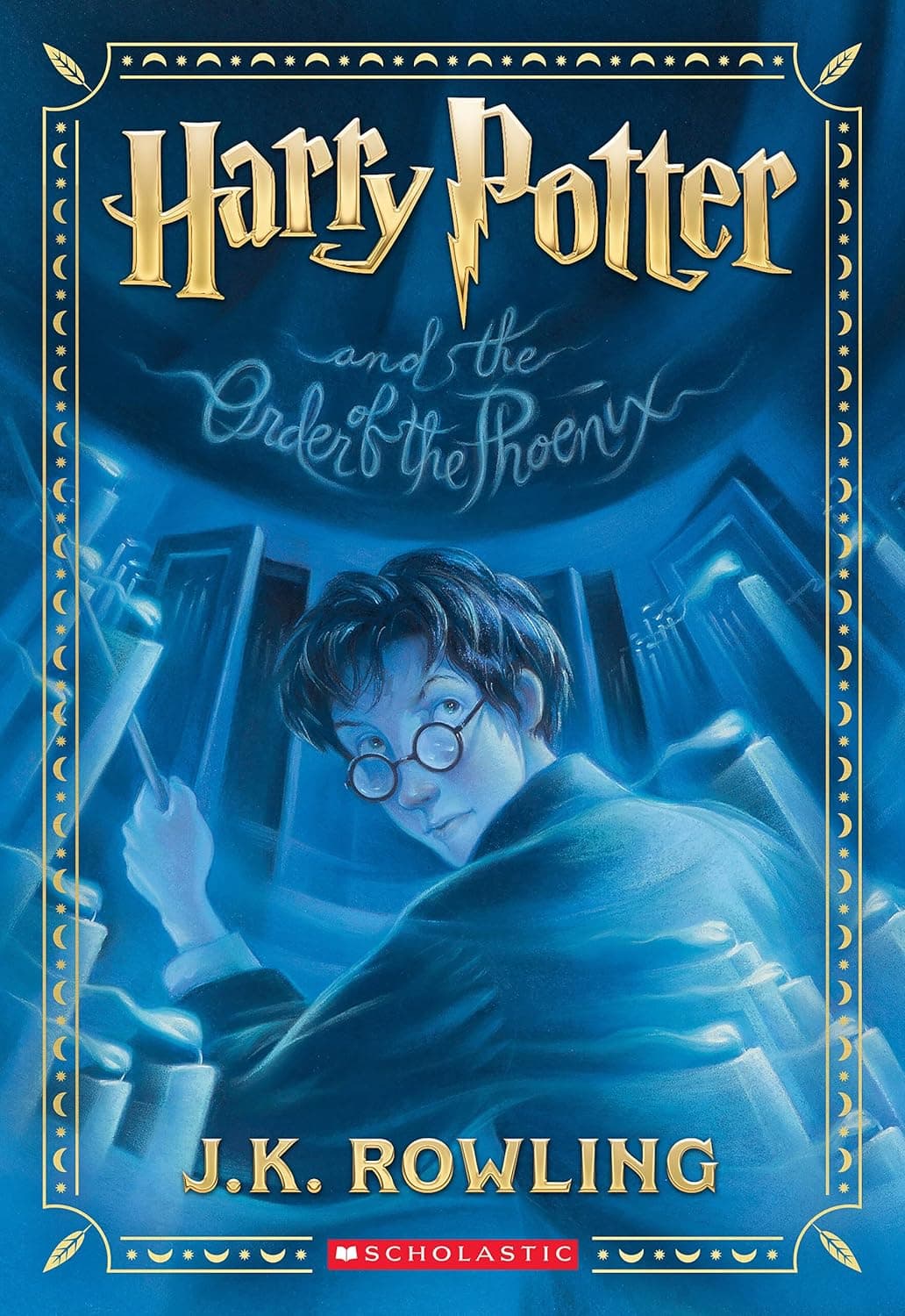
Harry Potter and the Order of the Phoenix
- Shared ground
- Both books place learning and competition inside an institution that controls access and status.
- What changes
- Harry Potter and the Order of the Phoenix is more demanding than Harry Potter and the Deathly Hallows. Umbridge turns paperwork, curriculum, punishment, and polite language into credible authoritarian tools, while Dumbledore's Army gives resistance a practical communal form.
- Best for
- Committed series readers prepared for the longest, angriest volume and a sustained conflict with political authority.
- Pace Balanced
- Darkness Moderate
- Romance Minimal
- Difficulty Moderate
Harry Potter and the Philosopher's Stone
- Shared ground
- Both books make observation, missing information, and the search for an explanation part of the pleasure.
- What changes
- Harry Potter and the Philosopher's Stone is easier to enter than Harry Potter and the Deathly Hallows. Diagon Alley, the train, houses, classes, and Quidditch make entry into the magical world a sequence of concrete pleasures rather than one exposition dump.
- Best for
- Children, families, and adults wanting accessible school fantasy, friendship, mystery, and a strong sense of discovery.
- Pace Balanced
- Darkness Gentle
- Romance Minimal
- Difficulty Accessible
Mistborn: The Final Empire
- Shared ground
- Both books place learning and competition inside an institution that controls access and status.
- What changes
- Mistborn: The Final Empire has a similar overall reading load, but changes the emphasis. Allomancy has visible costs and physical rules, so training scenes, infiltration, and combat share one logic; Vin's changing trust gives those mechanics an emotional stake.
- Best for
- Readers wanting accessible epic fantasy, rule-based magic, found family, political rebellion, and a complete first-volume payoff.
- Pace Balanced
- Darkness Gentle
- Romance Minimal
- Difficulty Accessible
Harry Potter and the Chamber of Secrets
- Shared ground
- Both books make observation, missing information, and the search for an explanation part of the pleasure.
- What changes
- Harry Potter and the Chamber of Secrets is easier to enter than Harry Potter and the Deathly Hallows. The attacks, voices in the walls, diary, and school history form a satisfying trail, while fear changes how familiar corridors and friendships feel.
- Best for
- Readers continuing the series who want a darker Hogwarts mystery with monsters, school history, and friendship under suspicion.
- Pace Balanced
- Darkness Gentle
- Romance Minimal
- Difficulty Accessible
Daughter of Crows
- Shared ground
- Both books make observation, missing information, and the search for an explanation part of the pleasure.
- What changes
- Daughter of Crows is darker than Harry Potter and the Deathly Hallows. Rue's competence carries guilt and reflexive violence rather than effortless glamour, and the Academy of Kindness turns institutional euphemism into a memorable source of dread.
- Best for
- Dark-fantasy readers wanting an adult survivor, coercive training, revenge, moral compromise, graphic violence, and a new series that does not require earlier Lawrence novels.
- Pace Balanced
- Darkness Moderate
- Romance Minimal
- Difficulty Accessible
The Will of the Many
- Shared ground
- Both books make observation, missing information, and the search for an explanation part of the pleasure.
- What changes
- The Will of the Many has a similar overall reading load, but changes the emphasis. Vis's resistance to Will, layered identities, class position, training, and investigation make the Catenan system personal before its deeper mechanics emerge.
- Best for
- Readers wanting political fantasy, academy competition, hidden identity, mystery, and a fast opening compared with many epics.
- Pace Balanced
- Darkness Gentle
- Romance Minimal
- Difficulty Accessible
Side-by-side
Pace, darkness, romance, and difficulty
Use these labels as directional guidance. The individual notes above explain the tradeoffs.
| Book | Pace | Darkness | Romance | Difficulty |
|---|---|---|---|---|
| Harry Potter and the Deathly Hallows | Balanced | Gentle | Minimal | Accessible |
| Harry Potter and the Half-Blood Prince | Balanced | Moderate | Minimal | Moderate |
| The Return of the King | Balanced | Moderate | Minimal | Moderate |
| Mockingjay | Balanced | Moderate | Minimal | Moderate |
| Harry Potter and the Prisoner of Azkaban | Balanced | Gentle | Minimal | Accessible |
| Harry Potter and the Order of the Phoenix | Balanced | Moderate | Minimal | Moderate |
| Harry Potter and the Philosopher's Stone | Balanced | Gentle | Minimal | Accessible |
| Mistborn: The Final Empire | Balanced | Gentle | Minimal | Accessible |
| Harry Potter and the Chamber of Secrets | Balanced | Gentle | Minimal | Accessible |
| Daughter of Crows | Balanced | Moderate | Minimal | Accessible |
| The Will of the Many | Balanced | Gentle | Minimal | Accessible |
Keep exploring
Explore another Books Like guide
Start from another familiar book and compare a new set of reading paths.