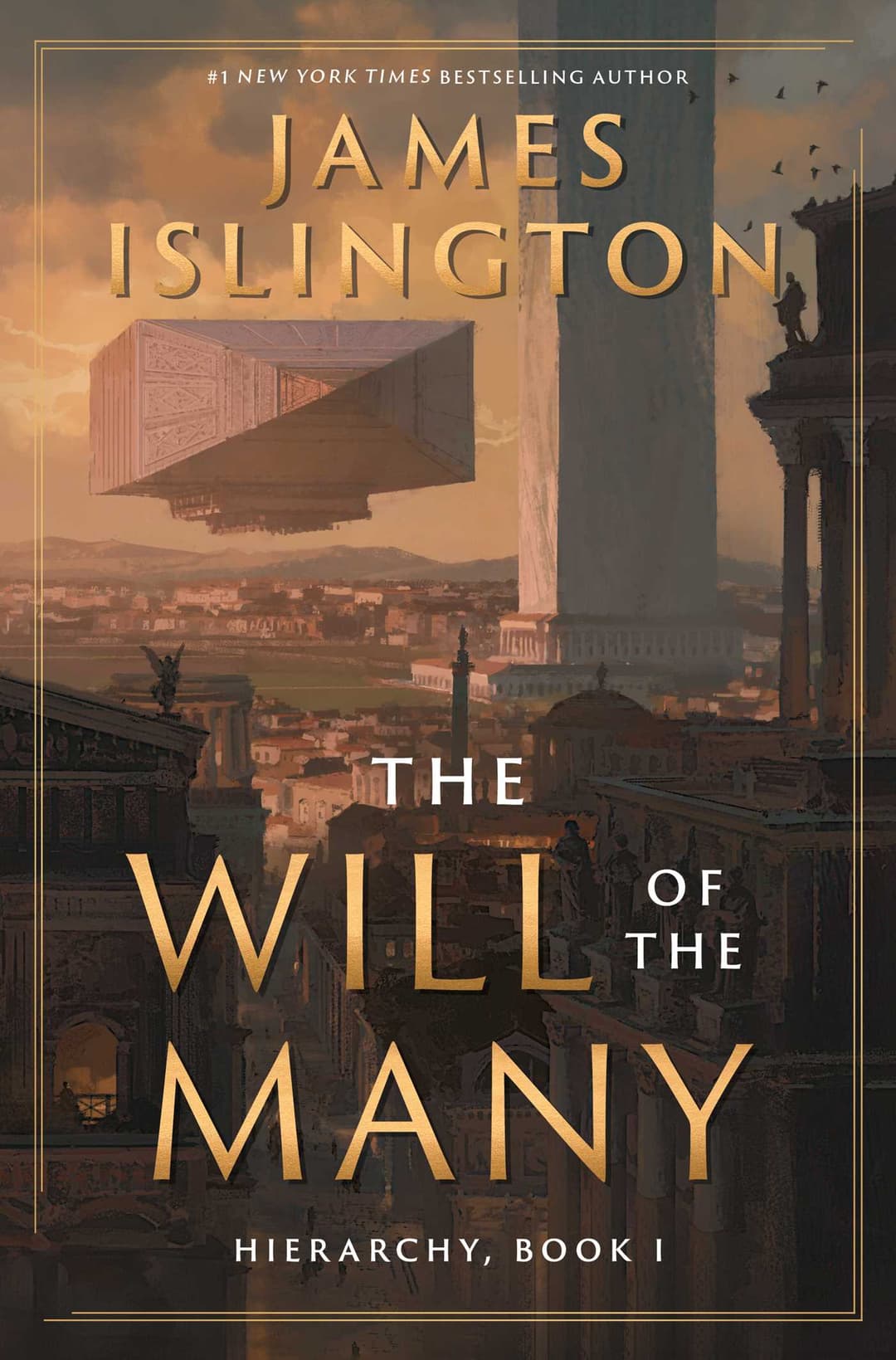
Should you read The Will of the Many?
What works
Vis's resistance to Will, layered identities, class position, training, and investigation make the Catenan system personal before its deeper mechanics emerge.
What may not work for you
Vis is exceptionally competent, some rivals fit familiar roles, and the final density of revelation requires careful rereading.
What may test your patience
The opening outside the Academy establishes cover, patronage, and political history before the central institutional competition begins.
Does the ending reward the effort?
Completely as a hook. The final sequence resolves the immediate test and transforms the reader's understanding of the entire structure.
Reading The Will of the Many closely
The Will of the Many follows Vis, a fugitive hiding beneath an invented name inside the Catenan Republic. The Hierarchy converts social rank into literal power: people surrender part of their Will upward, strengthening those above them and making obedience both a political expectation and a magical resource.
When Vis enters the elite Academy, success requires performing loyalty to a system he hates. Classes, competitions, friendships, and investigations all become tests of his cover. James Islington gives the school setting real momentum because every achievement can bring Vis closer to influence while exposing the identity he is trying to protect.
The novel is long but highly structured, layering political intrigue, training, mystery, and escalating danger around a clear first-person voice. Readers who enjoy Red Rising, dark academia, Roman-inspired institutions, and endings that radically widen a series should find it especially rewarding.
How Will shapes the Hierarchy
The magic system turns inequality into infrastructure. Those below contribute strength to those above, so advancement offers personal power while requiring participation in the same extraction Vis opposes.
Academy tension without losing the wider world
The school provides rivals, tests, and alliances, but it never feels sealed off from the Republic. Political factions and Vis's hidden past make every classroom victory matter beyond grades.
Three useful comparisons
The Strength of the Few
The Strength of the Few continues directly with far greater structural complexity and should be read second.
Best for: Readers fresh from The Will of the Many who enjoy dense political fantasy, structural puzzles, and continuity-heavy revelation.
Dune
Dune offers deeper ecology and messianic politics but a much more demanding opening.
Best for: Readers willing to trade immediate intimacy for political, ecological, and religious ideas that become more connected with every chapter.
Mistborn: The Final Empire
Mistborn gives a stronger ensemble and transparent magic rules, with a less intricate academy mystery.
Best for: A welcoming epic fantasy with rule-based magic, found family, political rebellion, and a complete first-volume payoff.
Make the next decision