What to read next
10 books like The Will of the Many
Vis's school life never stands apart from the empire taking strength from those beneath it. These recommendations follow hidden identity, institutional extraction, or training that reveals a political system. The direct sequel is the closest continuation; the other academy books vary sharply in age, difficulty, and how much prior reading they need.
Read my review of The Will of the Many by James Islington.
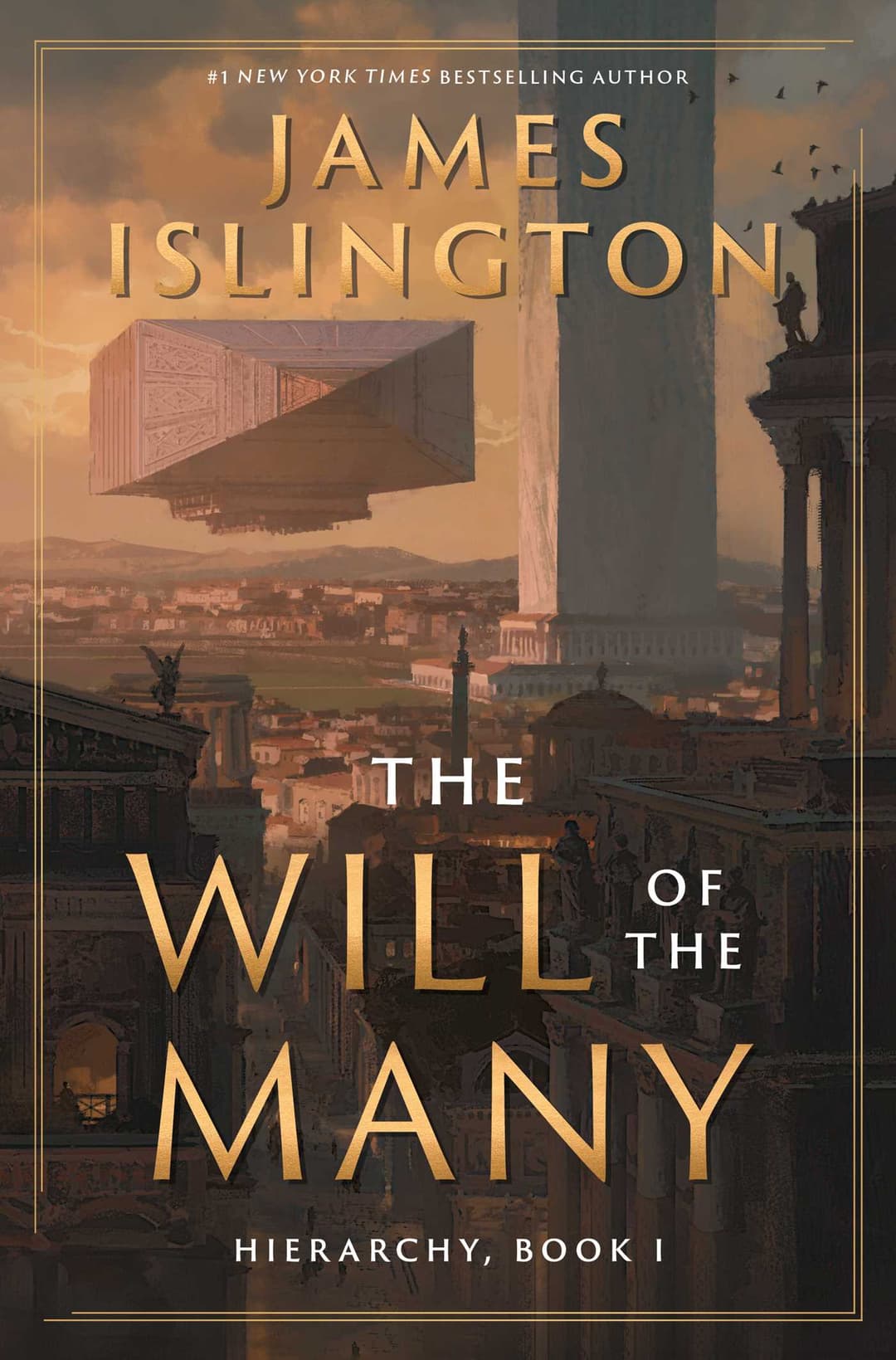
Best matches
Three strong places to start
If you only want three picks, start here.
Best overall
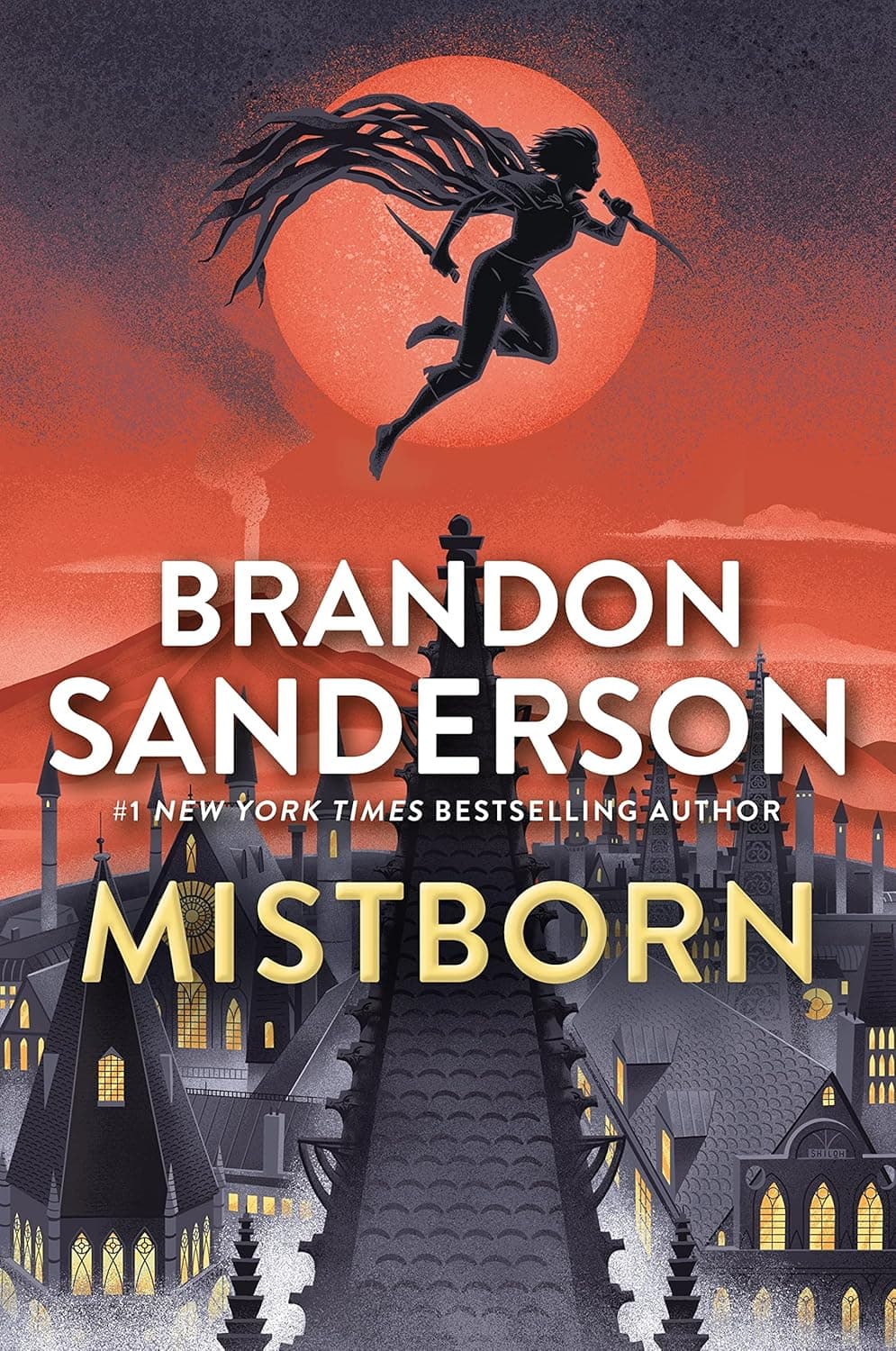
Denser world

Best alternative
Choose by reading mood
Where to start
For the fastest pace
Mistborn: The Final Empire
BalancedFor the gentlest option
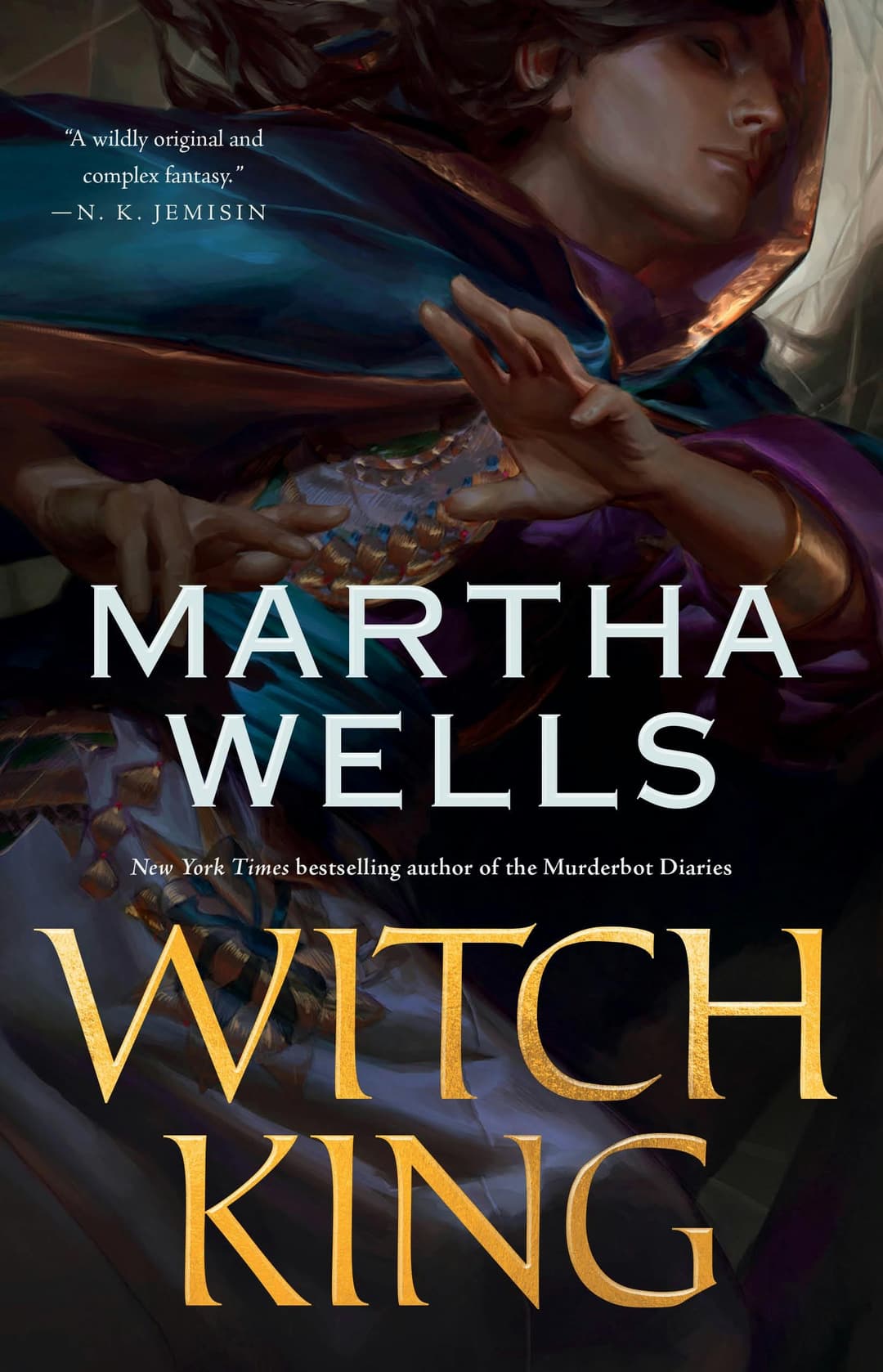
Witch King
GentleFor minimal romance
Dune
MinimalFor the easiest entry
Daughter of Crows
AccessibleThe full shortlist
Why each book belongs here
The Strength of the Few continues Vis's story with much greater complexity. For a new series, I'd start with Mistborn's clearer magic and stronger crew. Dune asks more patience at the opening. The Hogwarts choices are later volumes; the adult survivors carry training far beyond school-life comforts.
Continue the series
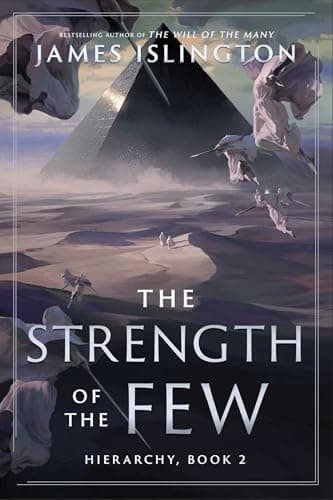
The Strength of the Few
- Pace
- Balanced
- Darkness
- Gentle
- Romance
- Minimal
- Difficulty
- Moderate
Why this matches
- Similar because
- The Strength of the Few turns the final expansion of The Will of the Many into the structure of the next novel. Will, divided loyalties, and restricted knowledge continue to make political power personally costly.
- Different because
- The Strength of the Few multiplies realities and perspectives, increasing the cognitive load substantially. Emotional momentum sometimes pauses while the reader works through the changed mechanics.
- Choose this if
- Continue Vis's story here. This is the second Hierarchy novel; keep the first book's identities and final revelations fresh, because the added complexity is substantial.
Alternatives to The Will of the Many
Dune
- Pace
- Balanced
- Darkness
- Moderate
- Romance
- Minimal
- Difficulty
- Demanding
Why this matches
- Similar because
- Dune also makes an unequal political order materially powerful. Control of water and spice shapes survival, as the extraction of Will structures the empire in The Will of the Many.
- Different because
- Dune joins ecology, religion, and dynastic strategy rather than concentrating on an academy infiltrator. Its opening is more demanding, and the characters often remain at an analytical distance.
- Choose this if
- For a civilization whose resources, religion, and politics cannot be separated. Dune begins its series, but I would allow much more patience at the opening than Vis's story asks.
Mistborn: The Final Empire
- Pace
- Balanced
- Darkness
- Gentle
- Romance
- Minimal
- Difficulty
- Accessible
Why this matches
- Similar because
- Mistborn: The Final Empire also places a guarded young outsider inside a struggle against an exploitative ruling order. Training and concealed identity make power personal, as they do in The Will of the Many.
- Different because
- Mistborn: The Final Empire has a stronger heist ensemble and more transparent magical rules. Its rebellion is easier to follow, with a less intricate mystery around an elite school.
- Choose this if
- For clearer tactical magic and a crew worth learning to trust. This is Mistborn's first novel and gives its opening rebellion a complete payoff.
Witch King
- Pace
- Balanced
- Darkness
- Gentle
- Romance
- Minimal
- Difficulty
- Moderate
Why this matches
- Similar because
- Witch King also treats political order as something built through extraction, alliances, and struggle. The Will of the Many's distrust of official systems becomes a demon's complicated coalition history.
- Different because
- Witch King alternates a past war with a present investigation and introduces unfamiliar factions rapidly. Old friendship matters more than competitive schooling, and immediate suspense is less consistent.
- Choose this if
- A new series for the reader drawn to political memory and unconventional magic. Kai's present makes more sense as the past unfolds; the dense opening is part of that bargain.
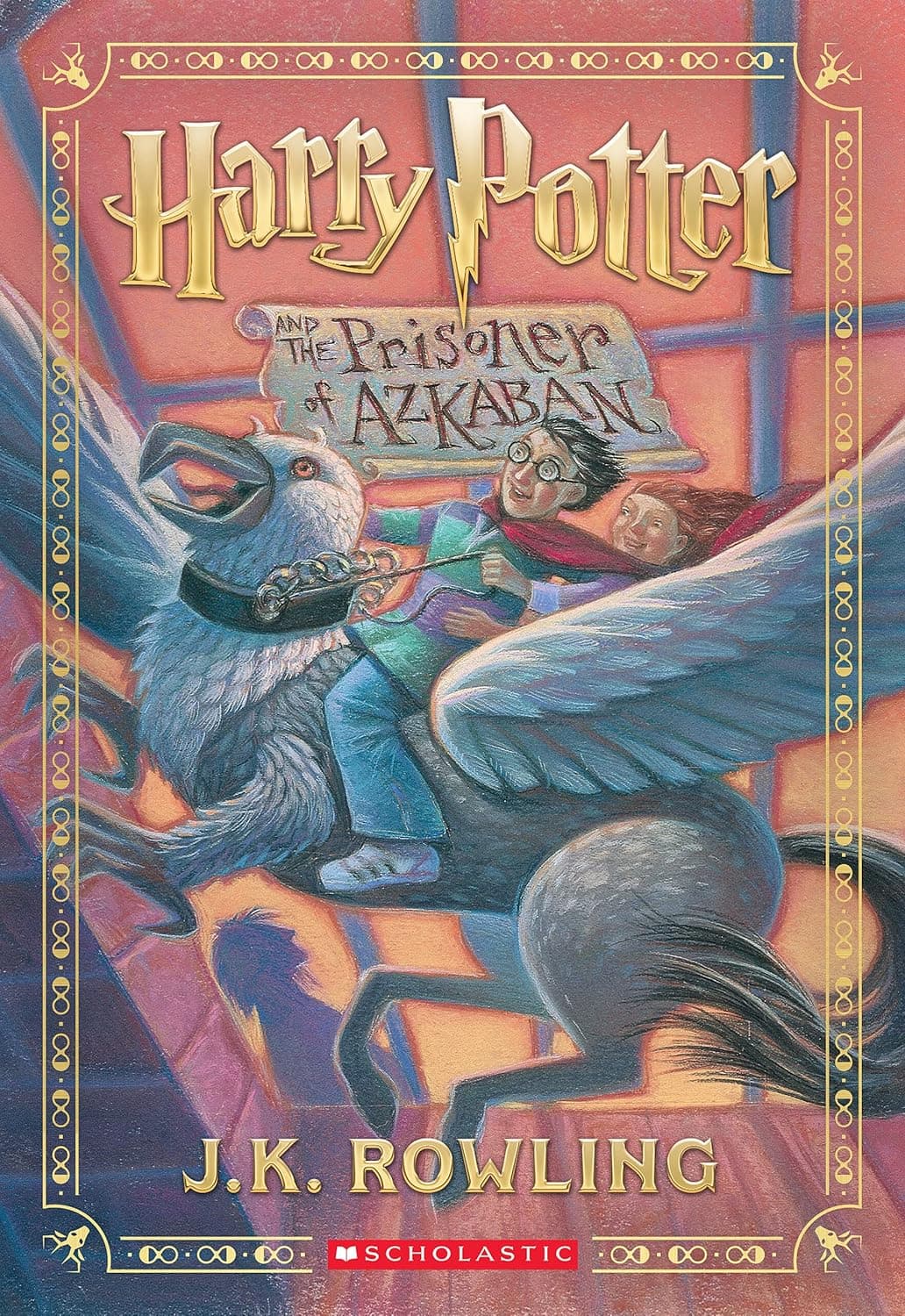
Harry Potter and the Prisoner of Azkaban
- Pace
- Balanced
- Darkness
- Gentle
- Romance
- Minimal
- Difficulty
- Accessible
Why this matches
- Similar because
- Harry Potter and the Prisoner of Azkaban also lets a school-year mystery uncover an unreliable adult history. As in The Will of the Many, learning whom to trust matters beyond classroom success.
- Different because
- Harry Potter and the Prisoner of Azkaban keeps more school warmth and uses fear, memory, and wrongful judgment rather than systemic extraction. Its recurring motifs support a comparatively contained mystery.
- Choose this if
- A younger, warmer school mystery, with adult history that turns out to be unreliable. This is book three; read the first two Hogwarts novels for the relationships behind it.
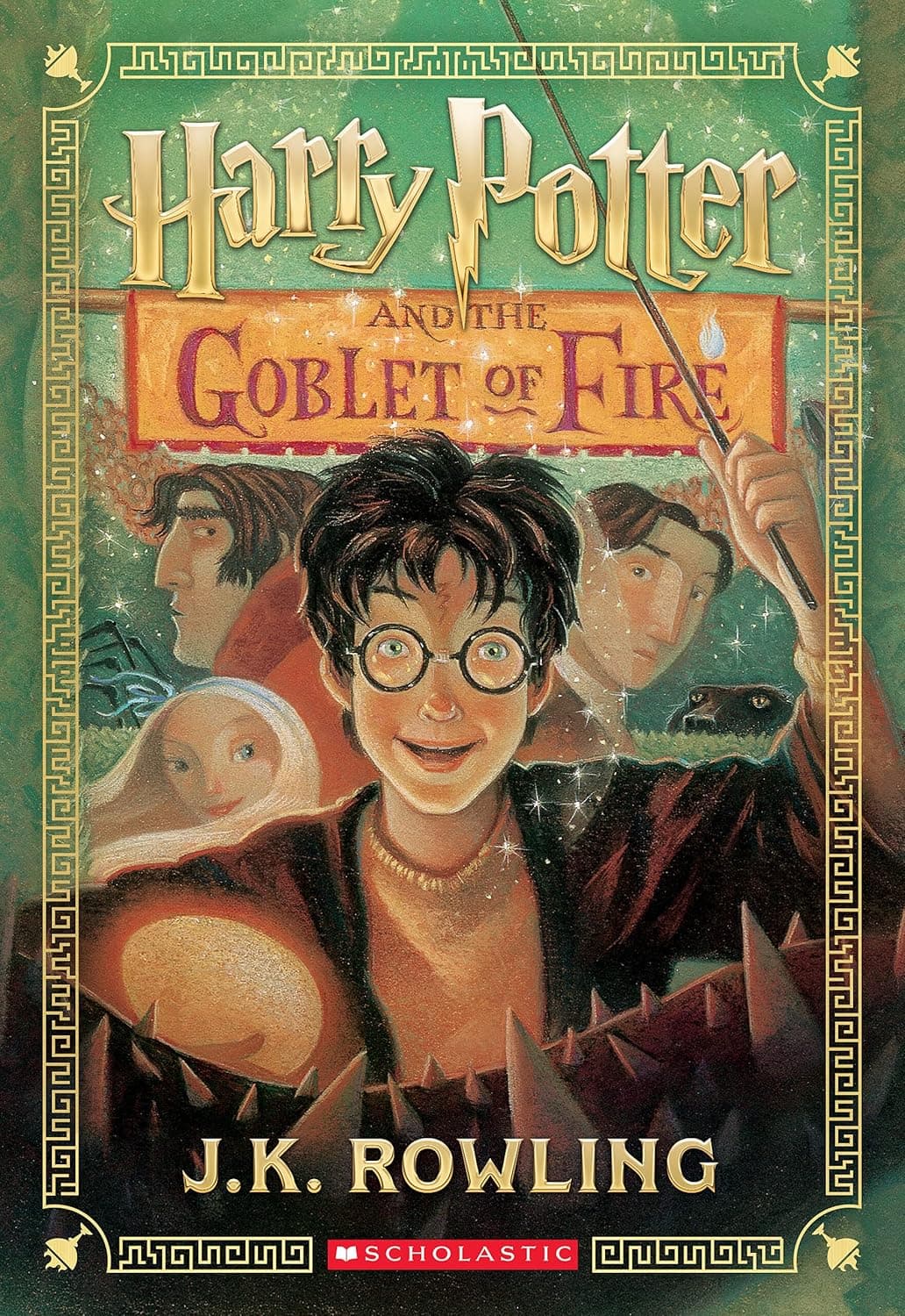
Harry Potter and the Goblet of Fire
- Pace
- Balanced
- Darkness
- Moderate
- Romance
- Minimal
- Difficulty
- Accessible
Why this matches
- Similar because
- Harry Potter and the Goblet of Fire makes school competition reveal a wider political danger. Like The Will of the Many, it turns public performance and uncertain loyalties into risks for a student.
- Different because
- Harry Potter and the Goblet of Fire puts international spectacle and tournament preparation at the center. Harry is unwillingly exposed rather than deliberately infiltrating, and the adults' failures strain plausibility.
- Choose this if
- For established Hogwarts readers who want school competition to expose wider political danger. Book four follows the first three novels and gives the adults' failures more troubling consequences.
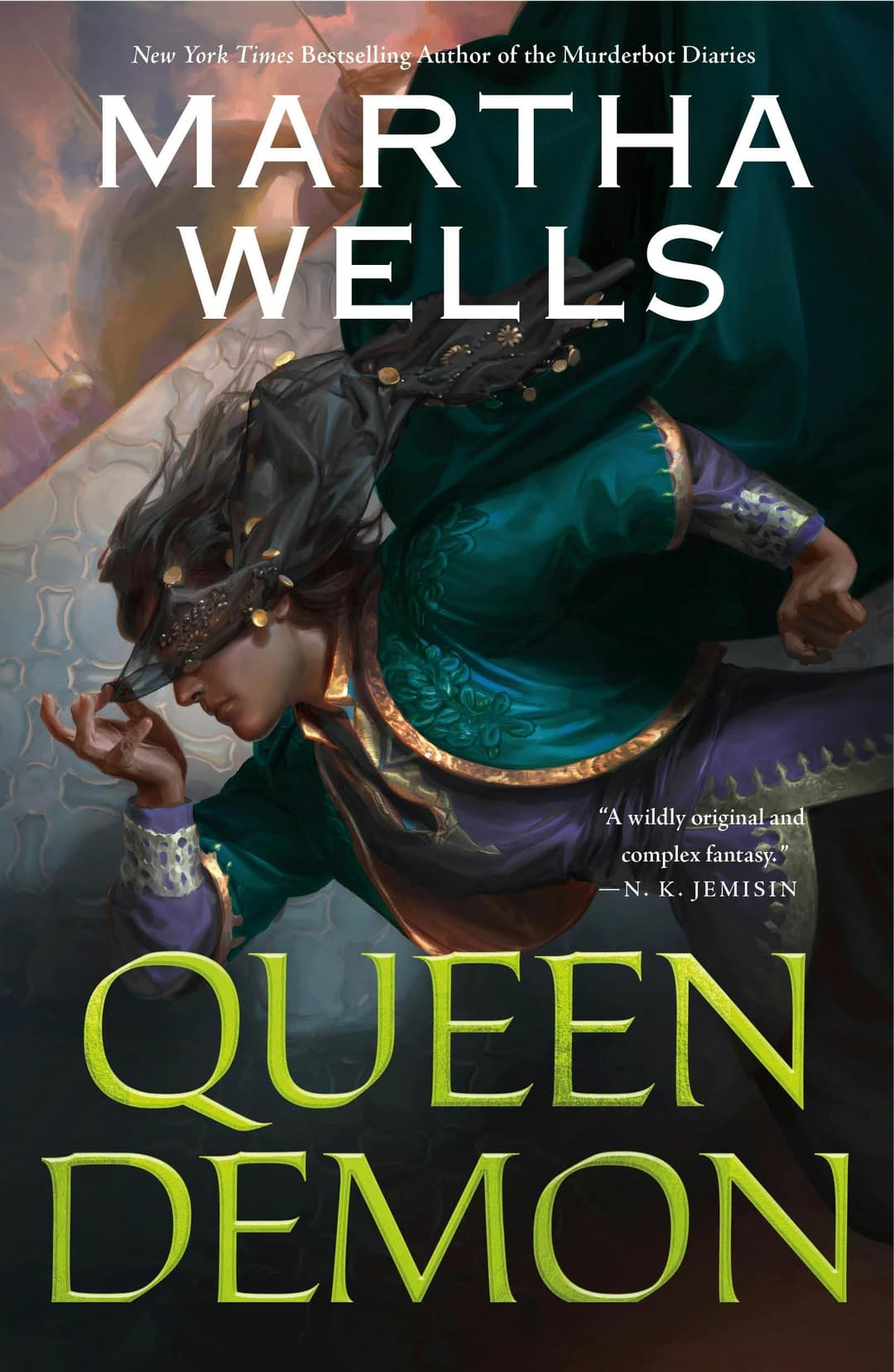
Queen Demon
- Pace
- Balanced
- Darkness
- Gentle
- Romance
- Minimal
- Difficulty
- Moderate
Why this matches
- Similar because
- Queen Demon also makes the meaning of political allegiance depend on history that characters know unequally. It takes The Will of the Many's institutional suspicion toward an older coalition and established friendships.
- Different because
- Queen Demon follows Kai and his allies through a denser web of factions, responsibility, and the Hierarchs' legacy. It offers less school competition or immediate entry-point clarity.
- Choose this if
- Read Witch King first. This sequel suits an interest in complicated alliances and old obligations, with no academy outsider to ease entry into the factions.
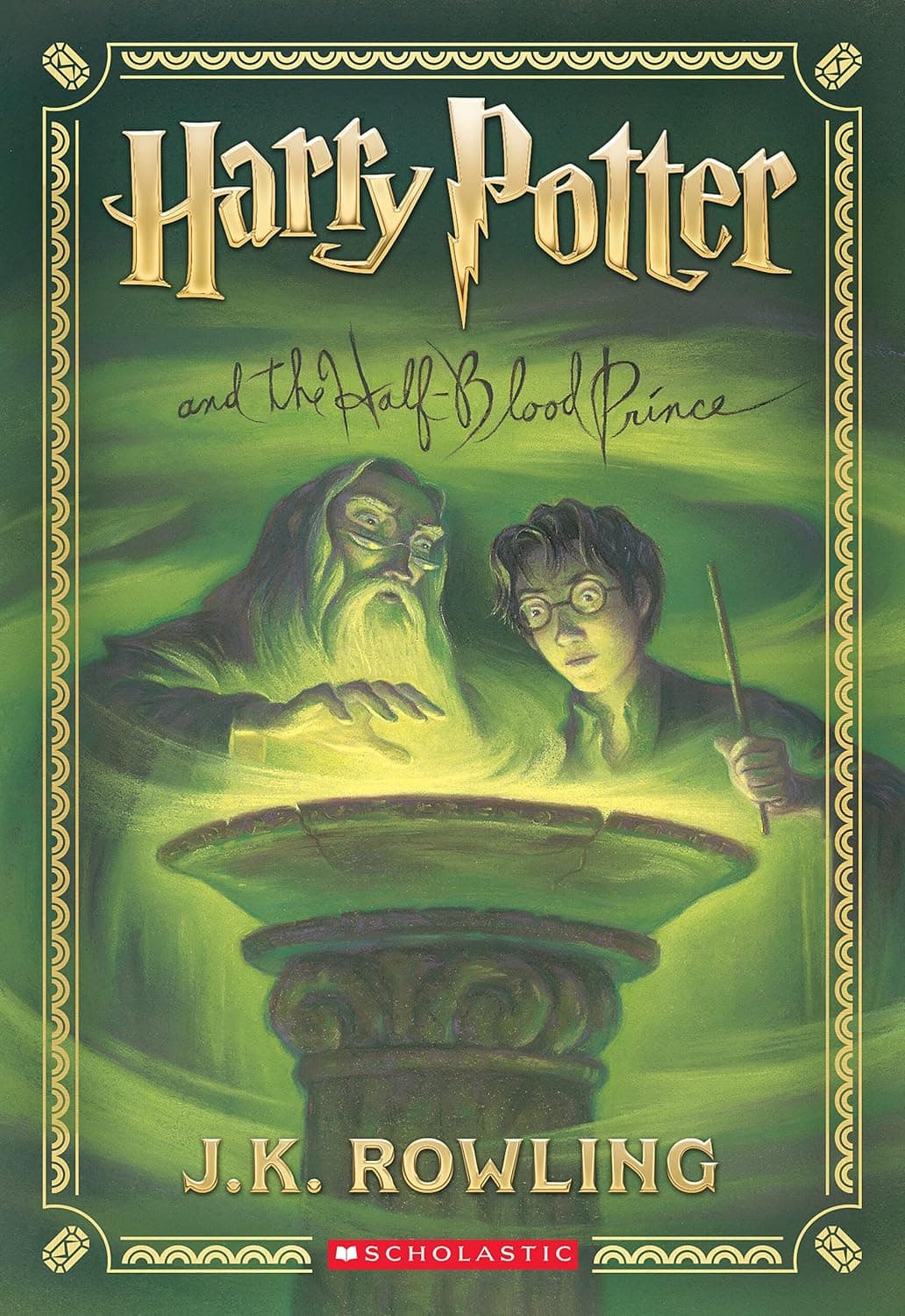
Harry Potter and the Half-Blood Prince
- Pace
- Balanced
- Darkness
- Moderate
- Romance
- Minimal
- Difficulty
- Moderate
Why this matches
- Similar because
- Harry Potter and the Half-Blood Prince makes recovered history change the interpretation of a present threat. That gives it a mystery connection to the hidden knowledge behind The Will of the Many's school intrigue.
- Different because
- Harry Potter and the Half-Blood Prince uses contained memory lessons, gathering war, and teenage romance. It prepares a finale rather than introducing a new political system or an accessible outsider.
- Choose this if
- For investigative school fantasy and recovered history, once you know the earlier cast. It is book six; begin with the first Hogwarts novel if new.
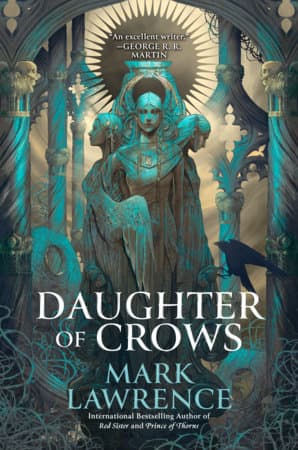
Daughter of Crows
- Pace
- Balanced
- Darkness
- Moderate
- Romance
- Minimal
- Difficulty
- Accessible
Why this matches
- Similar because
- Daughter of Crows also makes coercive training expose the moral purpose of an institution. It asks what such an education does to a person, a darker extension of the pressure on Vis in The Will of the Many.
- Different because
- Daughter of Crows begins with an adult survivor of brutal schooling. Guilt, reflexive violence, and a controlled past replace much of the competition and forward-looking academy intrigue.
- Choose this if
- Rue has already survived the training Vis is still navigating. This new series needs no earlier Lawrence, but the adult survivor's guilt and graphic violence make it much harsher.
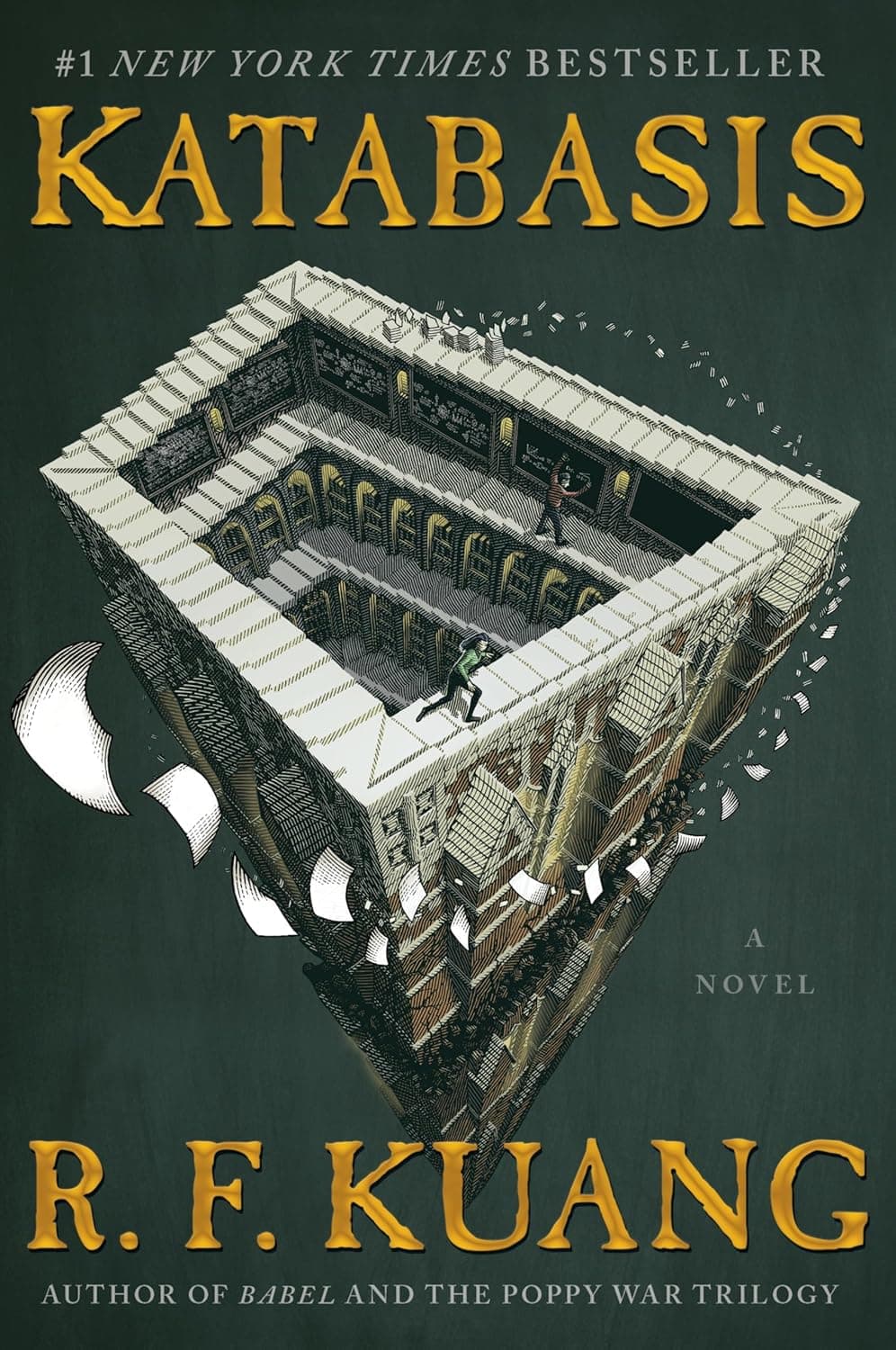
Katabasis
- Pace
- Balanced
- Darkness
- Moderate
- Romance
- Minimal
- Difficulty
- Moderate
Why this matches
- Similar because
- Alice and Peter have learned to confuse exploitation with achievement. The academy's promise of recognition gives their rivalry a personal cost, rather than treating institutional power as background.
- Different because
- Katabasis follows two scholars into the underworld, where interpretation is a survival skill. Debates, references, and footnotes slow the journey and make it more intellectually abrasive.
- Choose this if
- For academic ambition and resentment that have to become a working partnership. This stands alone, with denser intellectual argument and less of Vis's competitive momentum.
Side-by-side
Pace, darkness, romance, and difficulty
| Book | Pace | Darkness | Romance | Difficulty |
|---|---|---|---|---|
| The Will of the Many | Balanced | Gentle | Minimal | Accessible |
| The Strength of the Few | Balanced | Gentle | Minimal | Moderate |
| Dune | Balanced | Moderate | Minimal | Demanding |
| Mistborn: The Final Empire | Balanced | Gentle | Minimal | Accessible |
| Witch King | Balanced | Gentle | Minimal | Moderate |
| Harry Potter and the Prisoner of Azkaban | Balanced | Gentle | Minimal | Accessible |
| Harry Potter and the Goblet of Fire | Balanced | Moderate | Minimal | Accessible |
| Queen Demon | Balanced | Gentle | Minimal | Moderate |
| Harry Potter and the Half-Blood Prince | Balanced | Moderate | Minimal | Moderate |
| Daughter of Crows | Balanced | Moderate | Minimal | Accessible |
| Katabasis | Balanced | Moderate | Minimal | Moderate |
Keep exploring
Explore another Books Like guide
Pick another book you know and see what to read next.