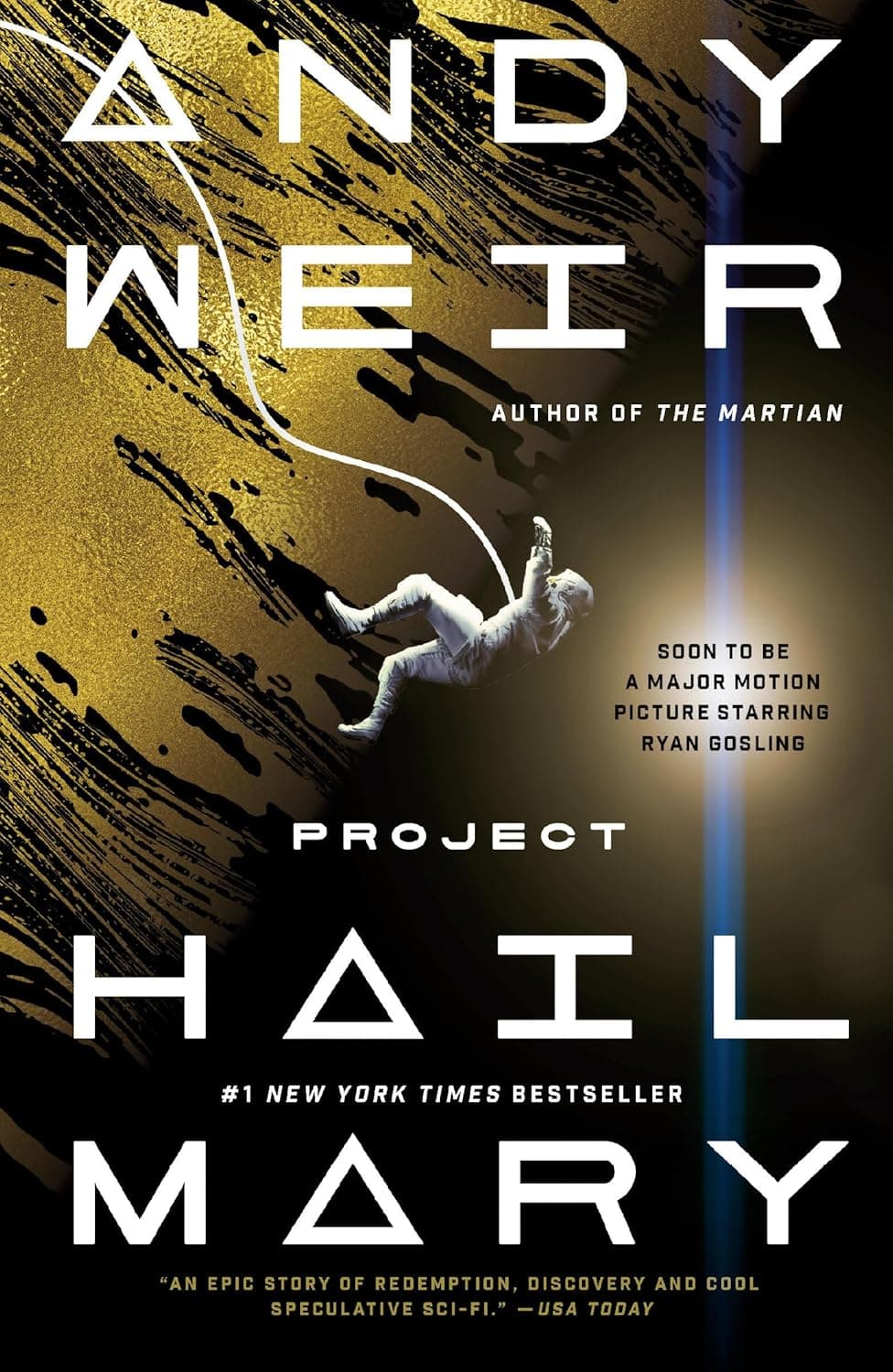
What to read next
10 books like Dune
Arrakis makes water, spice, belief, and military power parts of one system. The closest choices here keep that interest in how a civilization works. Others follow a narrower pleasure: dangerous political loyalties, soldiers caught in history, or survival in a damaged landscape.
Read my review of Dune by Frank Herbert. If unfamiliar vocabulary and the opening pace are your concern, see how hard Dune is to read for beginners.
Make these preferences your own: mix Dune with more mystery, less romance, or a different pace.
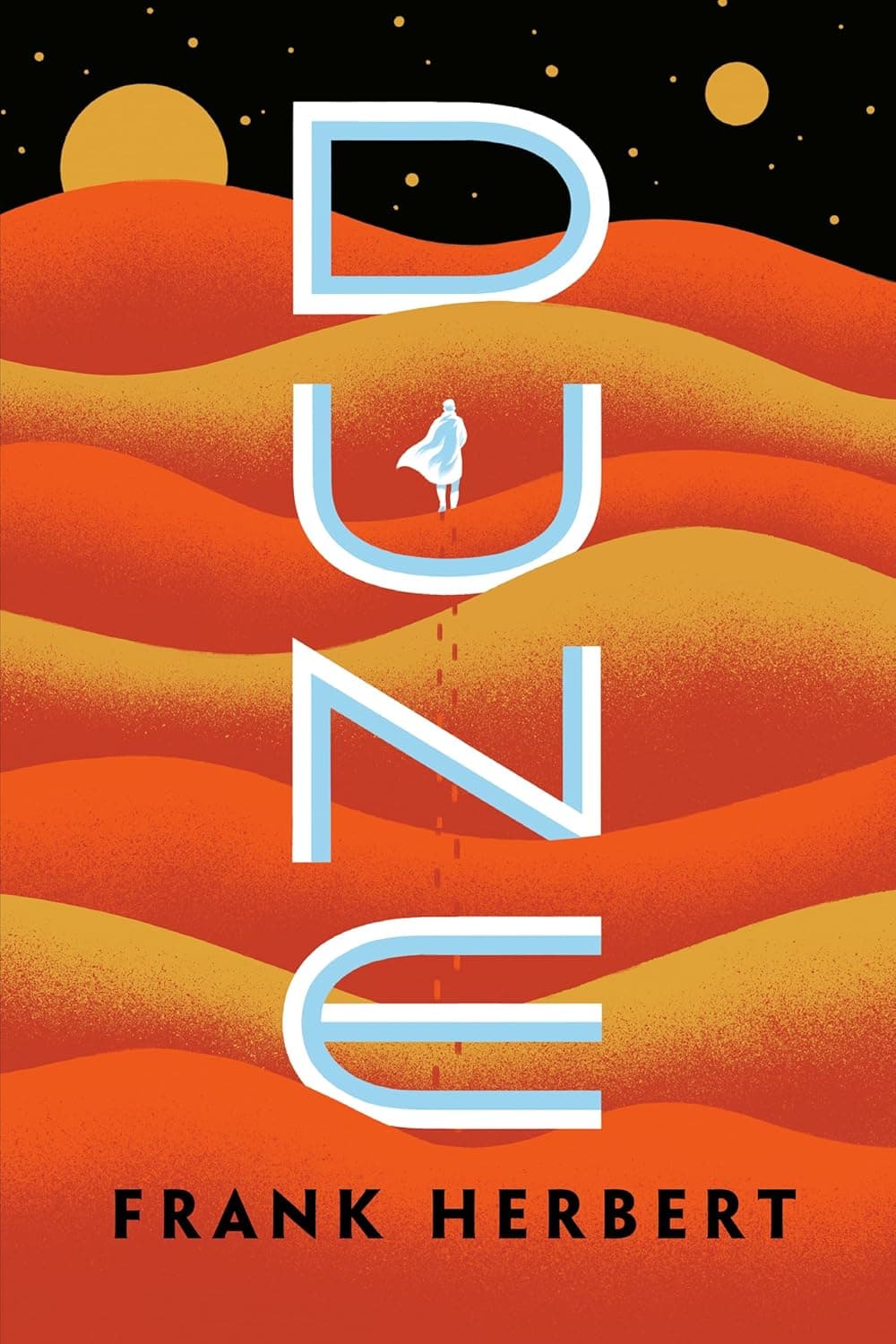
Best matches
Three strong places to start
If you only want three picks, start here.
Best overall
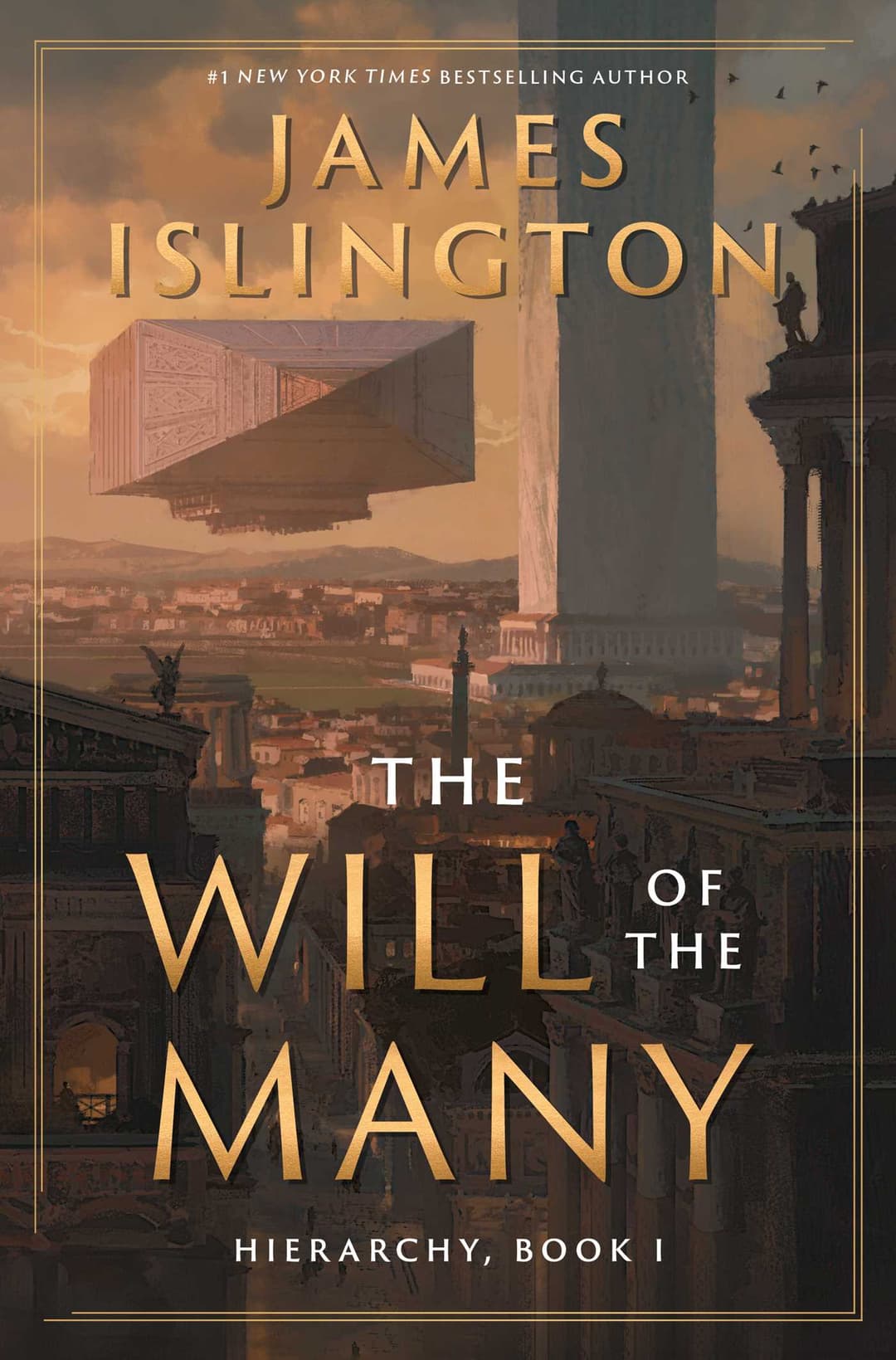
Fastest read
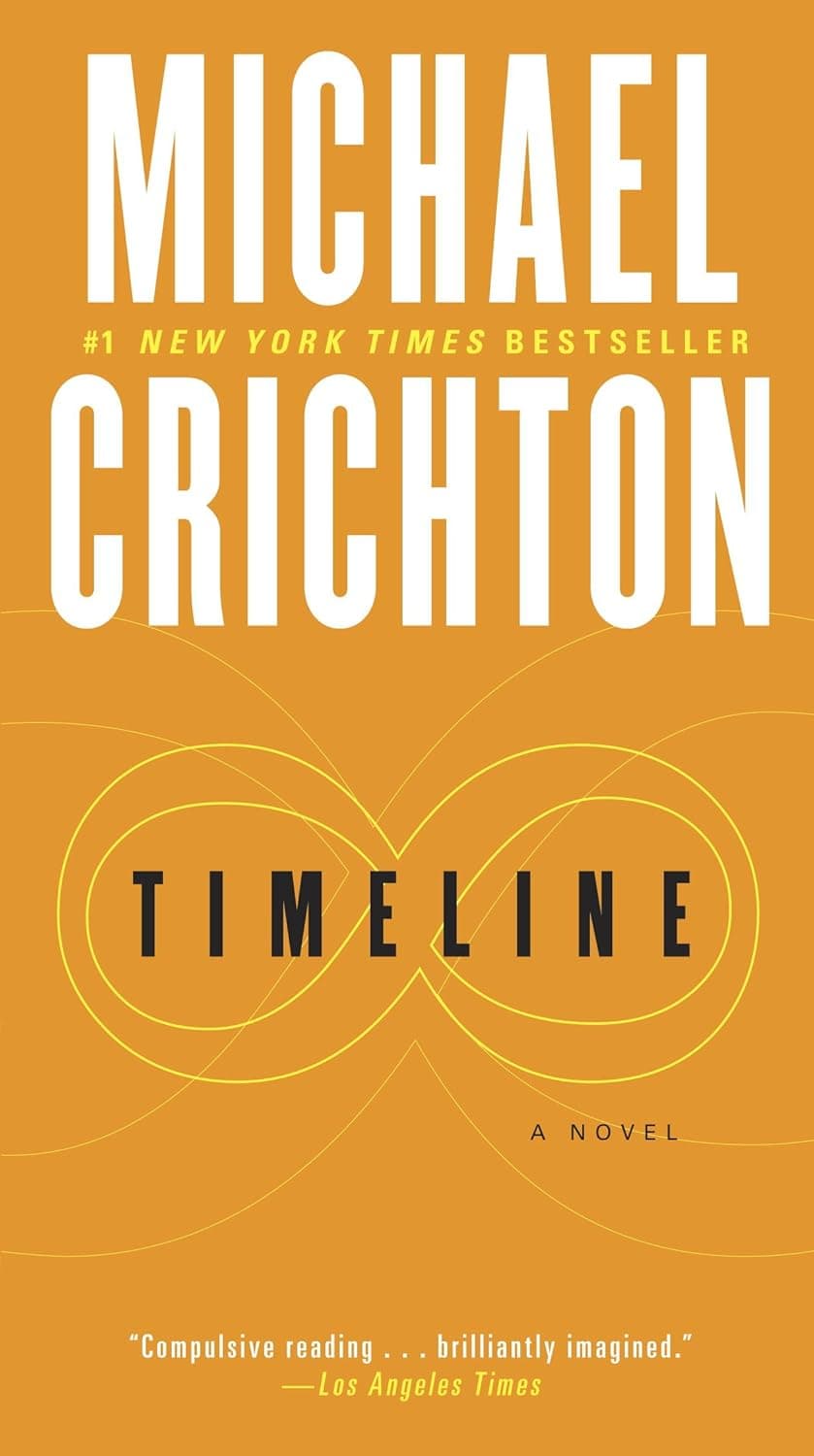
Best alternative
Choose by reading mood
Where to start
For the fastest pace
Timeline
BriskFor the darkest read
Golden Son
DarkFor minimal romance
The Will of the Many
MinimalFor the easiest entry
Deception Point
AccessibleThe full shortlist
Why each book belongs here
Start with Children of Time for biology shaping a civilization, House of Suns for immense time and distance, or The Will of the Many for a more immediate political mystery. The Earthbound thrillers are changes of pace. Golden Son and Absolution Gap are later series volumes, with their starting points noted below.
The Will of the Many
- Pace
- Balanced
- Darkness
- Gentle
- Romance
- Minimal
- Difficulty
- Accessible
Why this matches
- Similar because
- The Will of the Many makes political hierarchy physically consequential: the powerful draw strength from those beneath them. That gives its empire the same material force that control of spice gives the ruling houses in Dune.
- Different because
- The Will of the Many follows a fugitive inside an elite academy, with training and concealment bringing the system close to one person. Its opening is more immediately accessible than Dune's, though the final revelations demand attention.
- Choose this if
- Try The Will of the Many for the intrigue around an unjust empire, especially if Vis's hidden identity and school competition sound more inviting than desert survival or a prophetic heir.
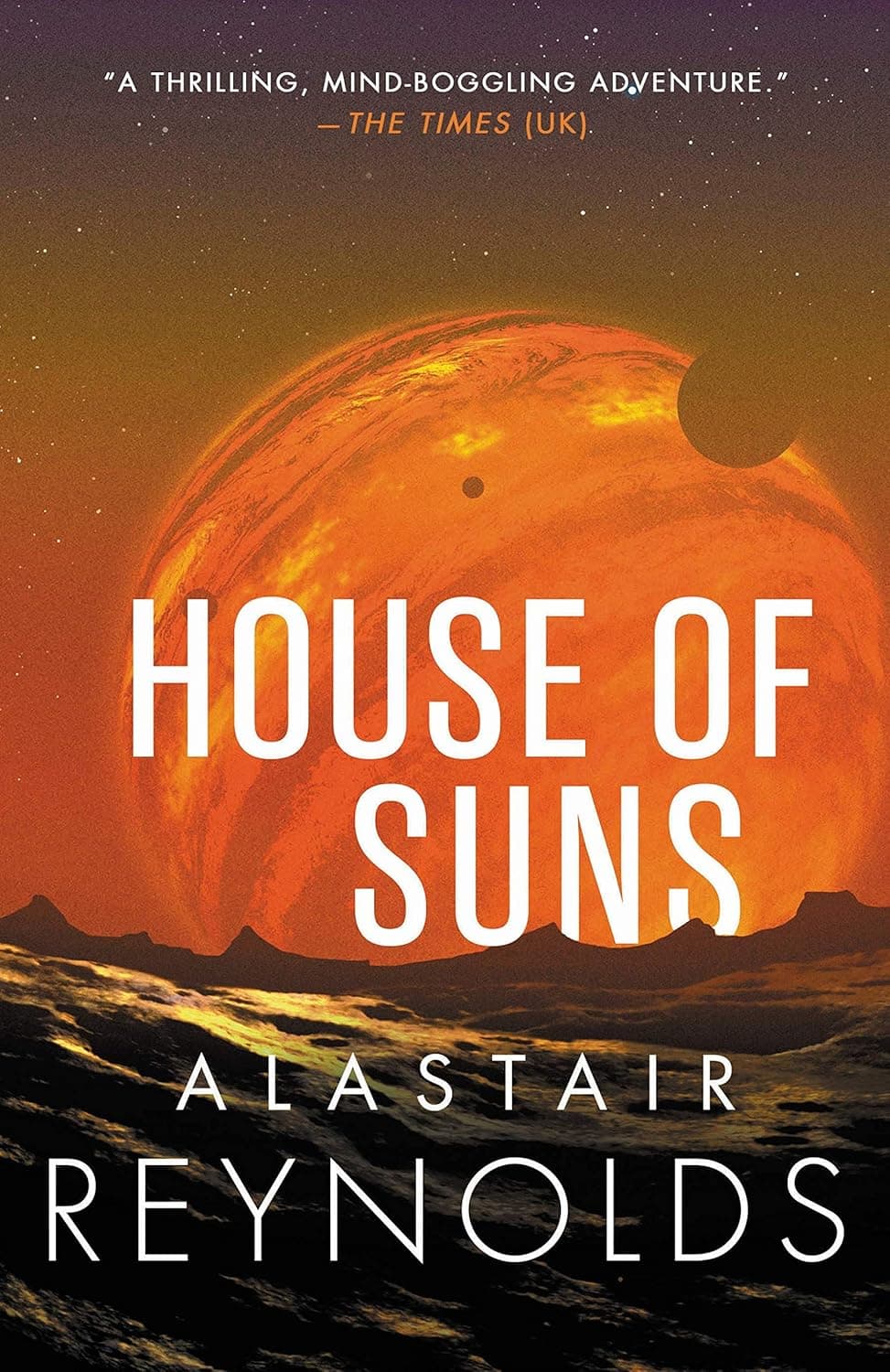
House of Suns
- Pace
- Measured
- Darkness
- Gentle
- Romance
- Minimal
- Difficulty
- Moderate
Why this matches
- Similar because
- House of Suns gives inherited history the weight it carries in Dune: ancient decisions constrain people who know only part of what happened. Clone lineages and stored memories extend that problem across millions of years.
- Different because
- House of Suns anchors its enormous distances in a murder mystery and a forbidden relationship. Pursuit, machine people, and questions of memory take the place of Dune's dynastic prophecy and desert politics.
- Choose this if
- House of Suns offers cosmic scale with a clearer emotional center. Choose it for the galactic mystery and the relationship carrying it, allowing time for the dense opening concepts; it stands alone.
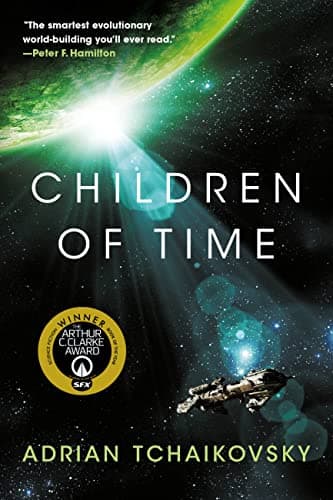
Children of Time
- Pace
- Balanced
- Darkness
- Gentle
- Romance
- Minimal
- Difficulty
- Moderate
Why this matches
- Similar because
- Children of Time develops a civilization from spider biology, just as Dune makes Arrakis's environment shape culture and power. The inhabitants cannot be understood separately from the conditions that make their lives possible.
- Different because
- Children of Time follows generations of nonhuman development alongside a human ark ship. Evolution and communication replace the political fortunes of one family, and the spiders receive more imaginative attention than the human crew.
- Choose this if
- If the Fremen's adaptation to their world mattered more than Paul's destiny, Children of Time is the strongest next step. It rewards interest in unfamiliar minds and long historical change rather than a conventional hero.
Timeline
- Pace
- Brisk
- Darkness
- Moderate
- Romance
- Minimal
- Difficulty
- Accessible
Why this matches
- Similar because
- Timeline connects with Dune through the practical limits on survival in an unfamiliar society. Language, weapons, fortifications, and rank determine what its stranded archaeologists can do, much as water discipline and local knowledge matter on Arrakis.
- Different because
- Timeline turns those constraints into a medieval rescue adventure reached through speculative technology. It has little of Dune's religious or ecological depth, and its characters are thinner than its historical machinery.
- Choose this if
- Timeline suits the reader who enjoyed learning how to survive by a world's rules and now wants brisk physical danger. Expect a long technical setup before the faster adventure, rather than another intricate space empire.

The Forever War
- Pace
- Measured
- Darkness
- Gentle
- Romance
- Minimal
- Difficulty
- Moderate
Why this matches
- Similar because
- The Forever War looks at the lives consumed by an interstellar conflict whose purposes exceed an individual's control. It follows the cost of serving a distant authority, an interest running beneath Dune's struggles over imperial power.
- Different because
- The Forever War stays with a conscript rather than a ruling heir. Relativistic travel separates Mandella from the society he serves, making time itself a source of alienation instead of building the story around prophecy.
- Choose this if
- Read The Forever War for military science fiction that questions what victory costs its soldiers. The veteran's estrangement carries more weight than fleet spectacle; some of its imagined social changes now feel dated.
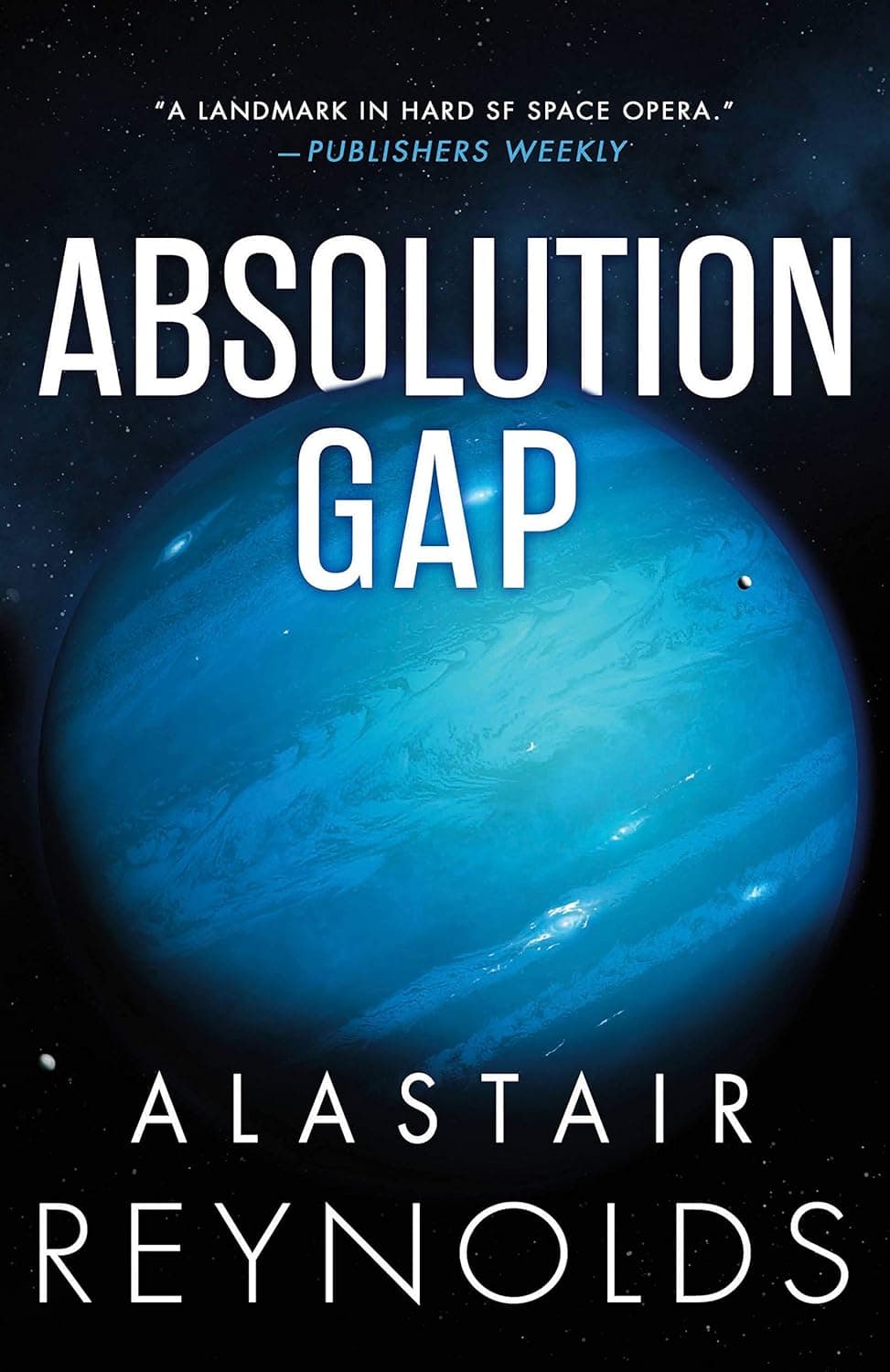
Absolution Gap
- Pace
- Measured
- Darkness
- Gentle
- Romance
- Minimal
- Difficulty
- Demanding
Why this matches
- Similar because
- Absolution Gap makes a religious movement part of the machinery of survival: moving cathedrals and an astronomical mystery sustain authority. Its appeal after Dune lies in belief shaping institutions and physical infrastructure, rather than remaining private conviction.
- Different because
- Absolution Gap places that religious worldbuilding inside an existing conflict with the Inhibitors. The cathedral story dominates, and the resolution is more oblique than a reader expecting a direct war finale may want.
- Choose this if
- Absolution Gap is a choice for committed Revelation Space readers drawn to strange religious systems. Begin with Revelation Space and Redemption Ark; arriving here first sacrifices the accumulated history behind the cosmic danger.
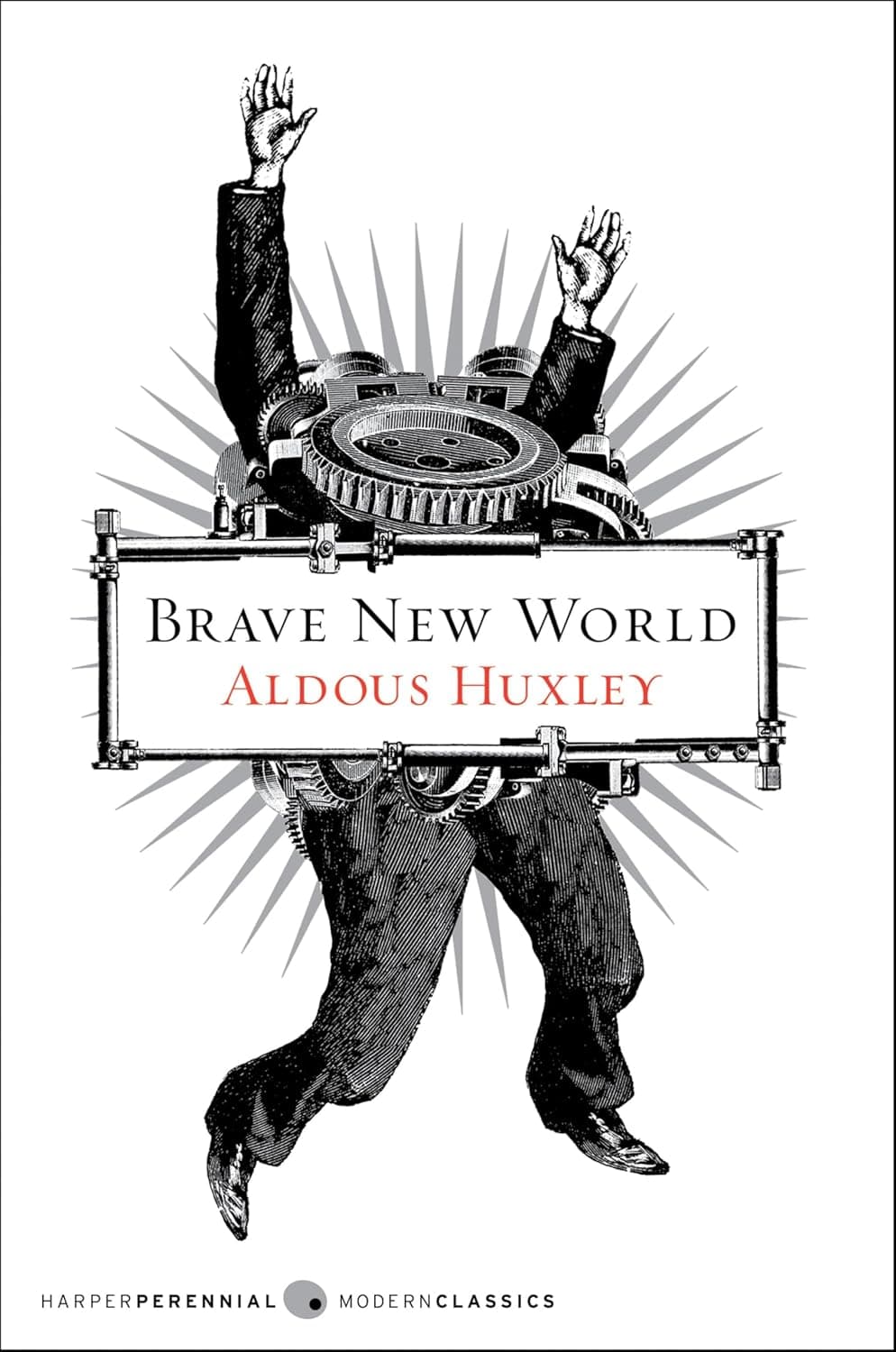
Brave New World
- Pace
- Balanced
- Darkness
- Moderate
- Romance
- Minimal
- Difficulty
- Moderate
Why this matches
- Similar because
- Brave New World makes upbringing a mechanism of power. Its conditioning offers a counterpoint to Dune's carefully trained heir and the religious expectations prepared around him: people inherit a political purpose before they can choose one.
- Different because
- Brave New World uses comfort, consumption, and assigned roles to keep its society stable. It is a satirical argument about control, with less adventure and less lived landscape than Dune.
- Choose this if
- Brave New World belongs here for the reader interested in engineered obedience and the costs of social stability. Its characters often carry ideas rather than intimate emotional lives, so choose it for the argument.
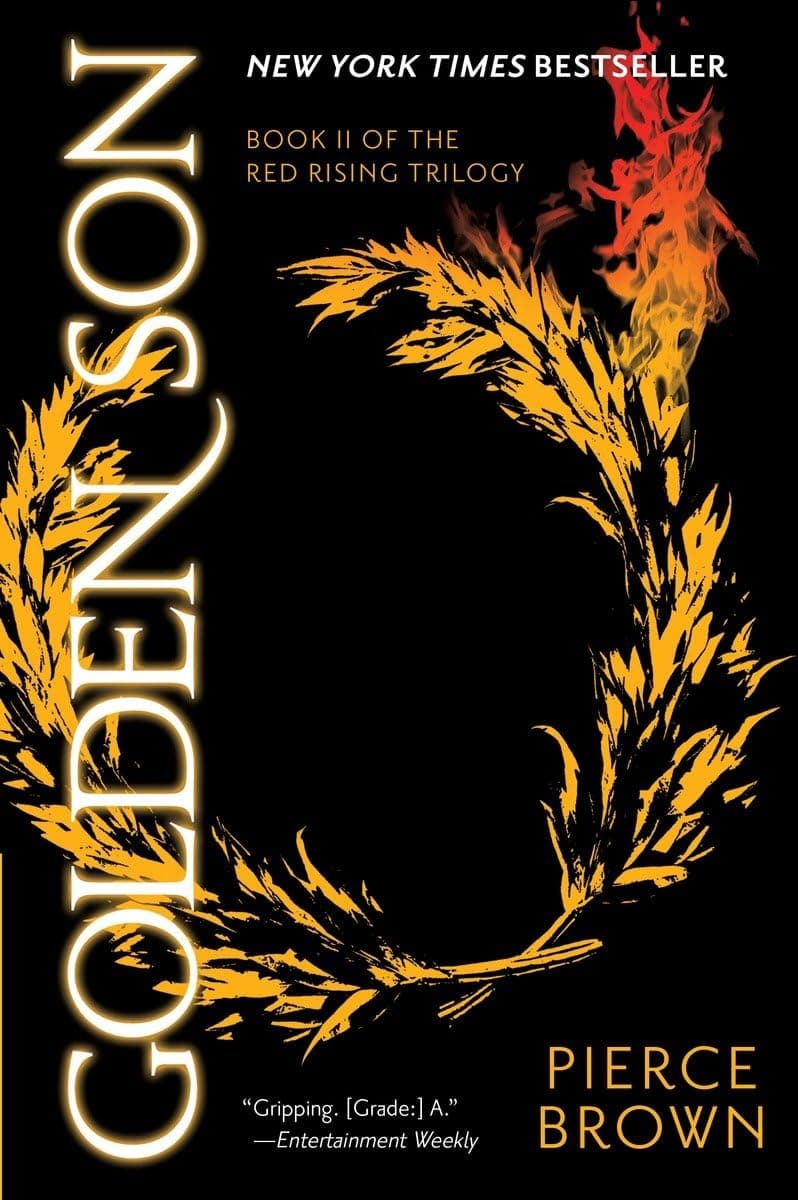
Golden Son
- Pace
- Balanced
- Darkness
- Dark
- Romance
- Minimal
- Difficulty
- Accessible
Why this matches
- Similar because
- Golden Son shares Dune's volatile mixture of great houses, concealed identity, and loyalties that become dangerous during war. Darrow must move inside a ruling elite while keeping the purpose of his rebellion hidden.
- Different because
- Golden Son pushes toward fleet battles and rapid betrayals, giving little time to their aftermath. The political action is more immediate than Dune's, while ecology and religion take much less space.
- Choose this if
- After Red Rising, Golden Son is the pick for the reader who wants the aristocratic maneuvering to become an urgent space war. It is the second novel, so start with Darrow's infiltration in Red Rising rather than jumping here.
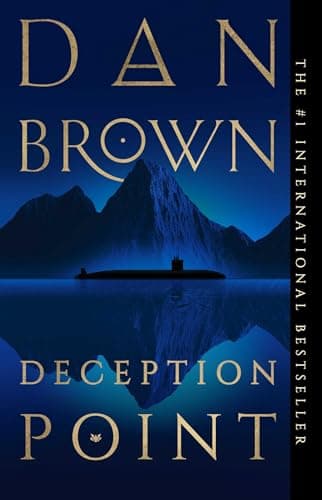
Deception Point
- Pace
- Brisk
- Darkness
- Moderate
- Romance
- Minimal
- Difficulty
- Accessible
Why this matches
- Similar because
- Deception Point turns a scientific discovery into a struggle over public power. Its connection with Dune is the pressure institutions put on knowledge when controlling a resource or a story can decide who governs.
- Different because
- Deception Point brings that struggle to NASA, an election, and an Arctic investigation. It favors pursuit and successive reversals over Dune's layered social history; the plotting is extravagant and the characterization slight.
- Choose this if
- Deception Point is a faster Earthbound detour for readers drawn to the collision of science and political advantage. Choose it for Arctic danger and a standalone conspiracy, rather than expecting another ecological epic.

The Dog Stars
- Pace
- Measured
- Darkness
- Dark
- Romance
- Minimal
- Difficulty
- Accessible
Why this matches
- Similar because
- The Dog Stars offers a smaller connection with Dune: the landscape sets the terms of survival, and decisions about strangers can determine whether a community has a future. Living within those limits matters more than simply overcoming them.
- Different because
- The Dog Stars follows a pilot after a pandemic in Colorado, replacing imperial strategy with grief, companionship, and a guarded airfield. Heller's fractured voice makes the experience intimate, though the opening moves deliberately.
- Choose this if
- Choose The Dog Stars when you want to stay with survival in a damaged world but move closer to one person's reasons for living. Its wilderness and tenderness carry the novel; it also contains sudden brutality.
Side-by-side
Pace, darkness, romance, and difficulty
| Book | Pace | Darkness | Romance | Difficulty |
|---|---|---|---|---|
| Dune | Balanced | Moderate | Minimal | Demanding |
| The Will of the Many | Balanced | Gentle | Minimal | Accessible |
| House of Suns | Measured | Gentle | Minimal | Moderate |
| Children of Time | Balanced | Gentle | Minimal | Moderate |
| Timeline | Brisk | Moderate | Minimal | Accessible |
| The Forever War | Measured | Gentle | Minimal | Moderate |
| Absolution Gap | Measured | Gentle | Minimal | Demanding |
| Brave New World | Balanced | Moderate | Minimal | Moderate |
| Golden Son | Balanced | Dark | Minimal | Accessible |
| Deception Point | Brisk | Moderate | Minimal | Accessible |
| The Dog Stars | Measured | Dark | Minimal | Accessible |
Keep exploring
Explore another Books Like guide
Pick another book you know and see what to read next.