What to read next
10 books like Children of Time
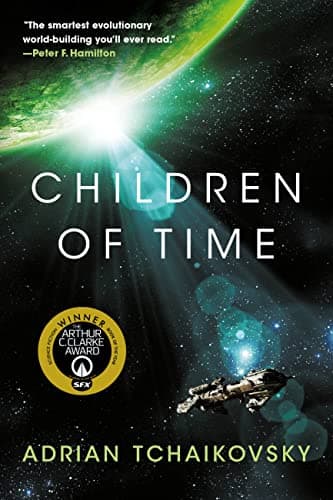
Children of Time combines evolutionary speculation, nonhuman intelligence, deep time, and a human survival crisis without making its uplifted civilization a disguised human culture.
Read my review of Children of Time by Adrian Tchaikovsky.
Best matches
Three strong places to start
If you only want three picks, start here.
Best overall
Fastest read
Best alternative
Choose by reading mood
Where to start
For the fastest pace
Project Hail Mary
BalancedFor the gentlest option
Revelation Space
GentleFor minimal romance
Dune
MinimalFor the easiest entry
Mickey7
AccessibleThe full shortlist
Why each book belongs here
Children of Ruin and Children of Strife continue the series. The other books keep one part of the appeal, such as alien communication, deep time, ecology, or survival under scientific pressure, without repeating the same story.
Continue the series
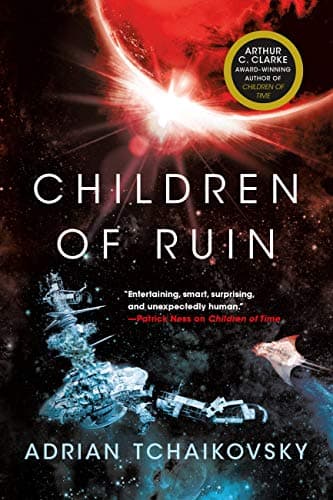
Children of Ruin
- Pace
- Measured
- Darkness
- Moderate
- Romance
- Minimal
- Difficulty
- Moderate
Why this matches
- Similar because
- Children of Ruin continues the series' patient work with nonhuman intelligence, building minds from biology, environment, and communication just as Children of Time does.
- Different because
- Children of Ruin is a direct continuation with octopus minds, returning species, fragmented timelines, and a stronger current of horror around failed communication.
- Choose this if
- Children of Ruin is for readers who finished Children of Time and want stranger cognition, more horror, and a denser communication problem.
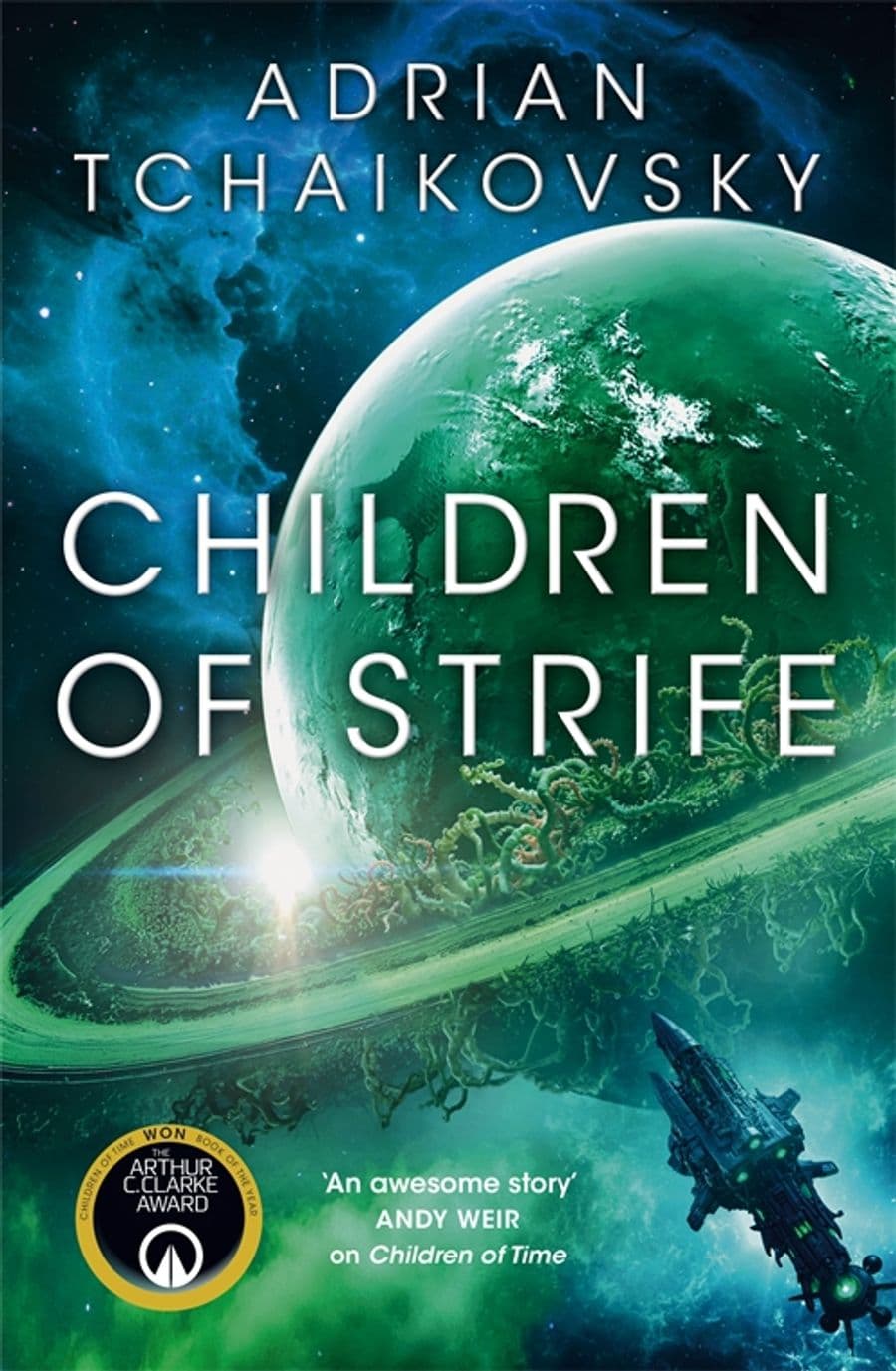
Children of Strife
- Pace
- Balanced
- Darkness
- Gentle
- Romance
- Minimal
- Difficulty
- Moderate
Why this matches
- Similar because
- Children of Strife keeps designed life and nonhuman perspective at the center of civilization, extending the approach that defines Children of Time.
- Different because
- Children of Strife is a later continuation that assumes the earlier uplift histories and adds Cato's mantis-shrimp perspective, Kern's long memory, and a prolonged missing-crew mystery.
- Choose this if
- Children of Strife is for readers current with the series who want another long-form encounter with nonhuman minds and scientific mystery.
Alternatives to Children of Time
Revelation Space
- Pace
- Measured
- Darkness
- Gentle
- Romance
- Minimal
- Difficulty
- Demanding
Why this matches
- Similar because
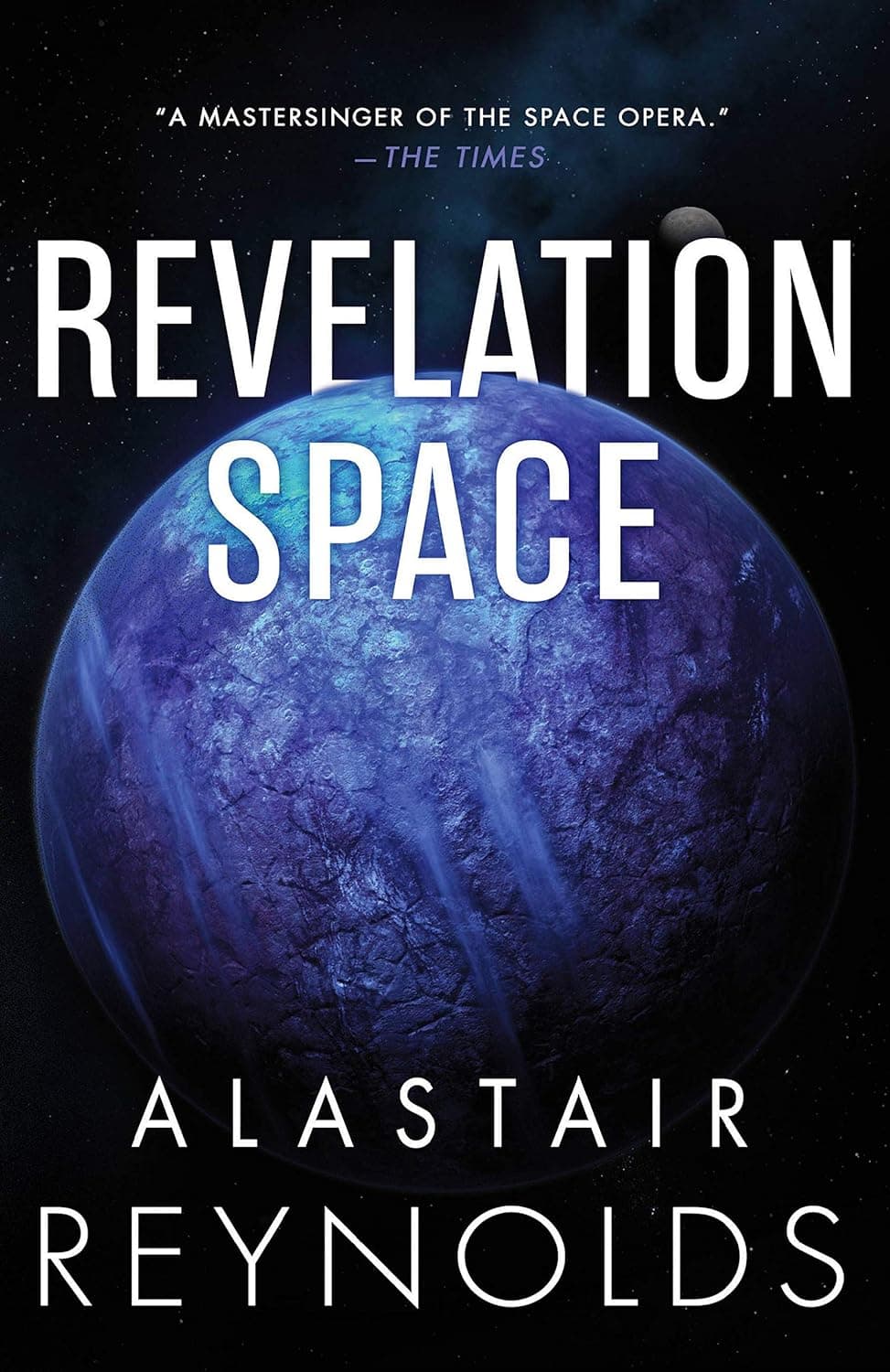
- Revelation Space is the darker route from Children of Time. Deep time, archaeology, and dead civilizations reveal a cosmic history far older than humanity expected.
- Different because
- Revelation Space replaces Children of Time's cumulative evolutionary development with colder characters, a difficult archaeological mystery, dense factions, and technological dread.
- Choose this if
- Revelation Space is for patient readers who want hard science fiction, ruins, morally difficult characters, and a much darker cosmic threat.
Dune
- Pace
- Balanced
- Darkness
- Moderate
- Romance
- Minimal
- Difficulty
- Demanding
Why this matches
- Similar because
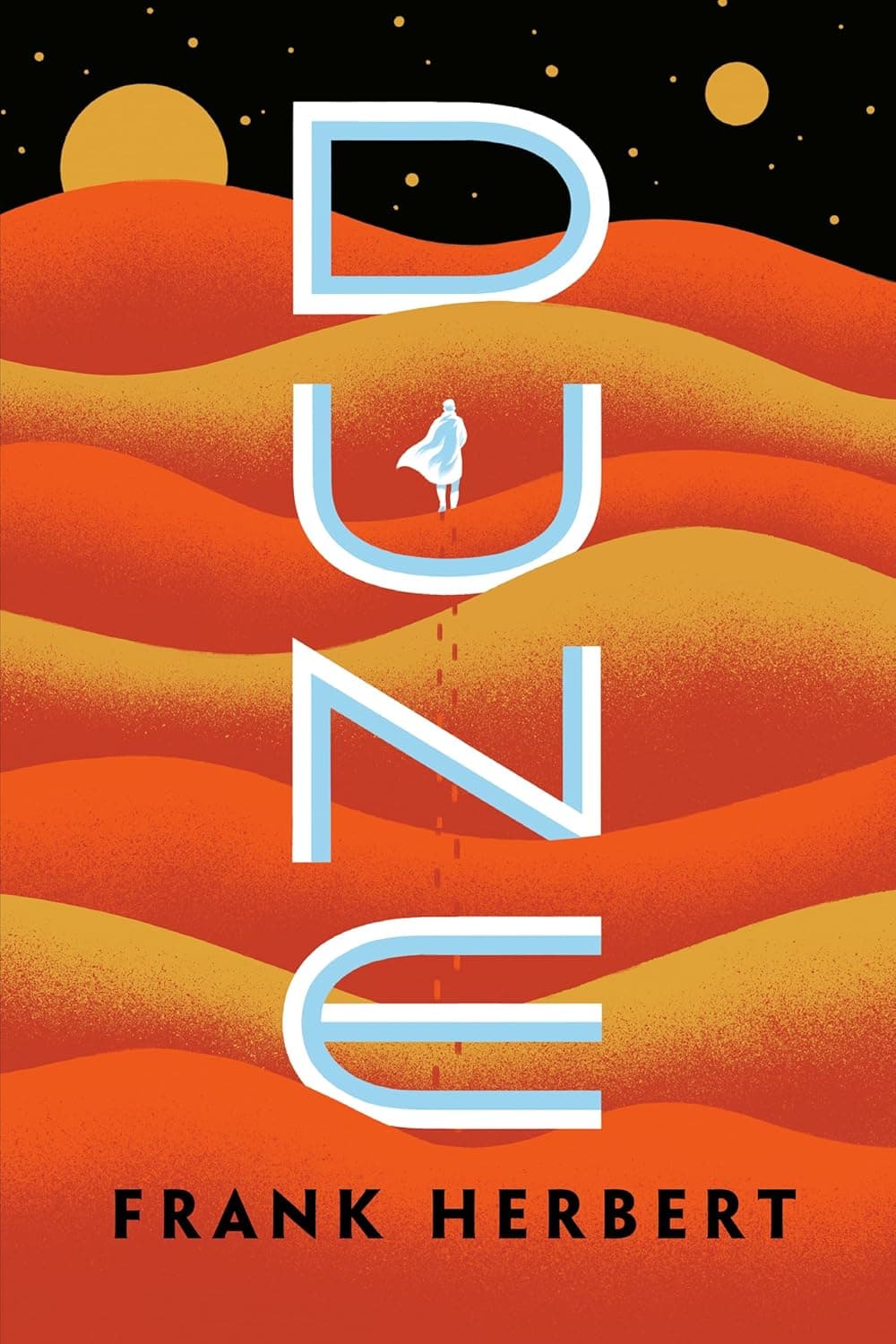
- Dune shares Children of Time's conviction that ecology changes everything: culture, survival, religion, and political power.
- Different because
- Dune concentrates on one dynastic crisis and a contested messiah, trading Children of Time's nonhuman civilization across millennia for religion, imperial strategy, and desert politics.
- Choose this if
- Dune is for readers willing to accept a denser opening in exchange for ecological worldbuilding, political intrigue, and religious ideas.

The Forever War
- Pace
- Measured
- Darkness
- Gentle
- Romance
- Minimal
- Difficulty
- Moderate
Why this matches
- Similar because
- The Forever War uses huge jumps in time to estrange its travelers from home, echoing the way Children of Time makes ordinary human history feel temporary.
- Different because
- The Forever War makes relativity and military service the engine of that separation, replacing uplift and first contact with a veteran repeatedly returning to an altered home.
- Choose this if
- The Forever War is for readers who want hard-science consequences, military science fiction as criticism, veteran alienation, and a complete emotional arc.
Project Hail Mary
- Pace
- Balanced
- Darkness
- Moderate
- Romance
- Minimal
- Difficulty
- Moderate
Why this matches
- Similar because
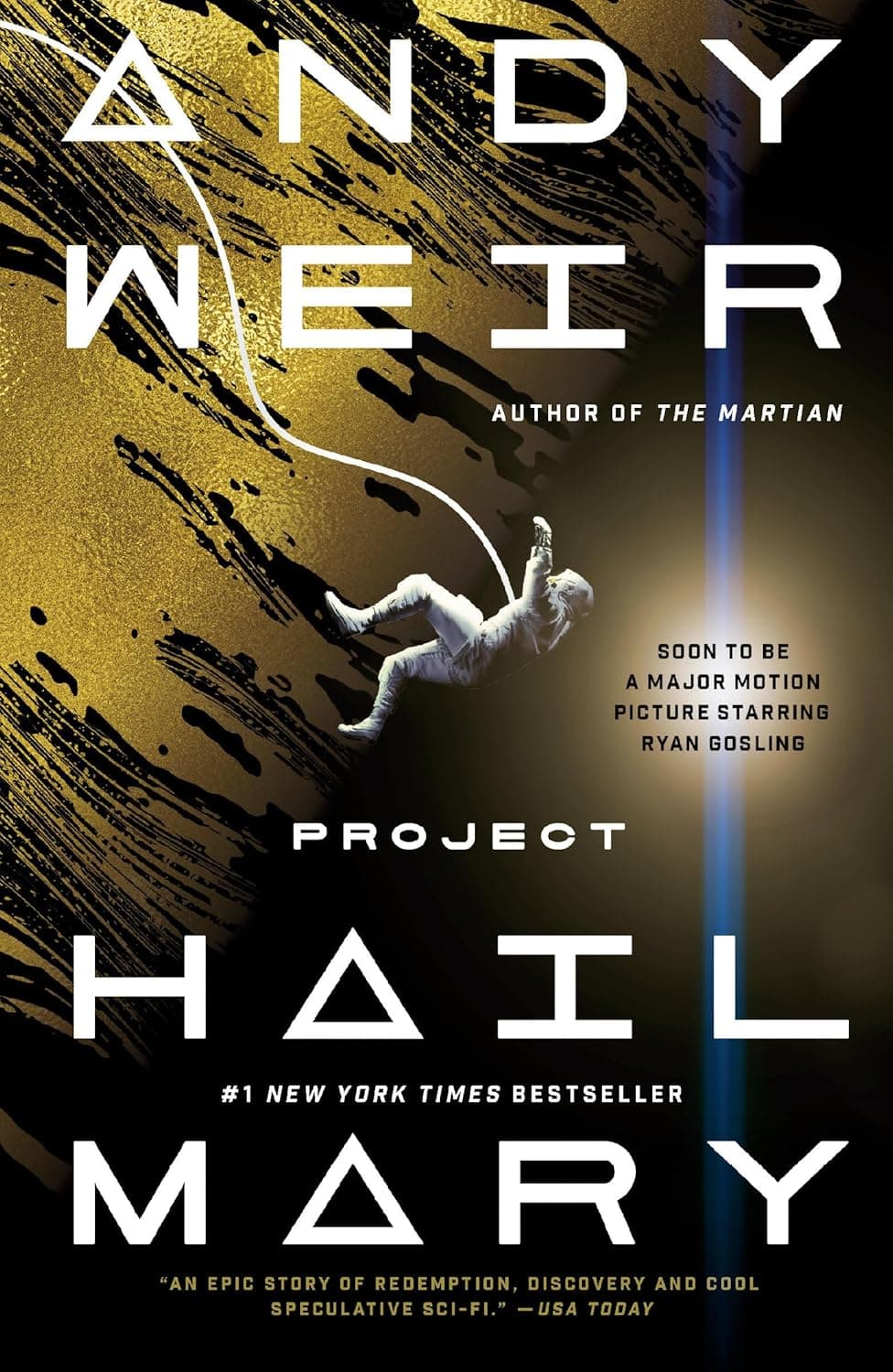
- Project Hail Mary turns incompatible biology into a hands-on communication problem. As in Children of Time, the success of that contact may decide whether a species survives.
- Different because
- Project Hail Mary is faster and more intimate, replacing Children of Time's civilizational scale with experiments, language building, and trust between Ryland and Rocky.
- Choose this if
- Project Hail Mary is for readers who want optimistic hard science fiction, active problem-solving, first contact, and a warmer partnership.
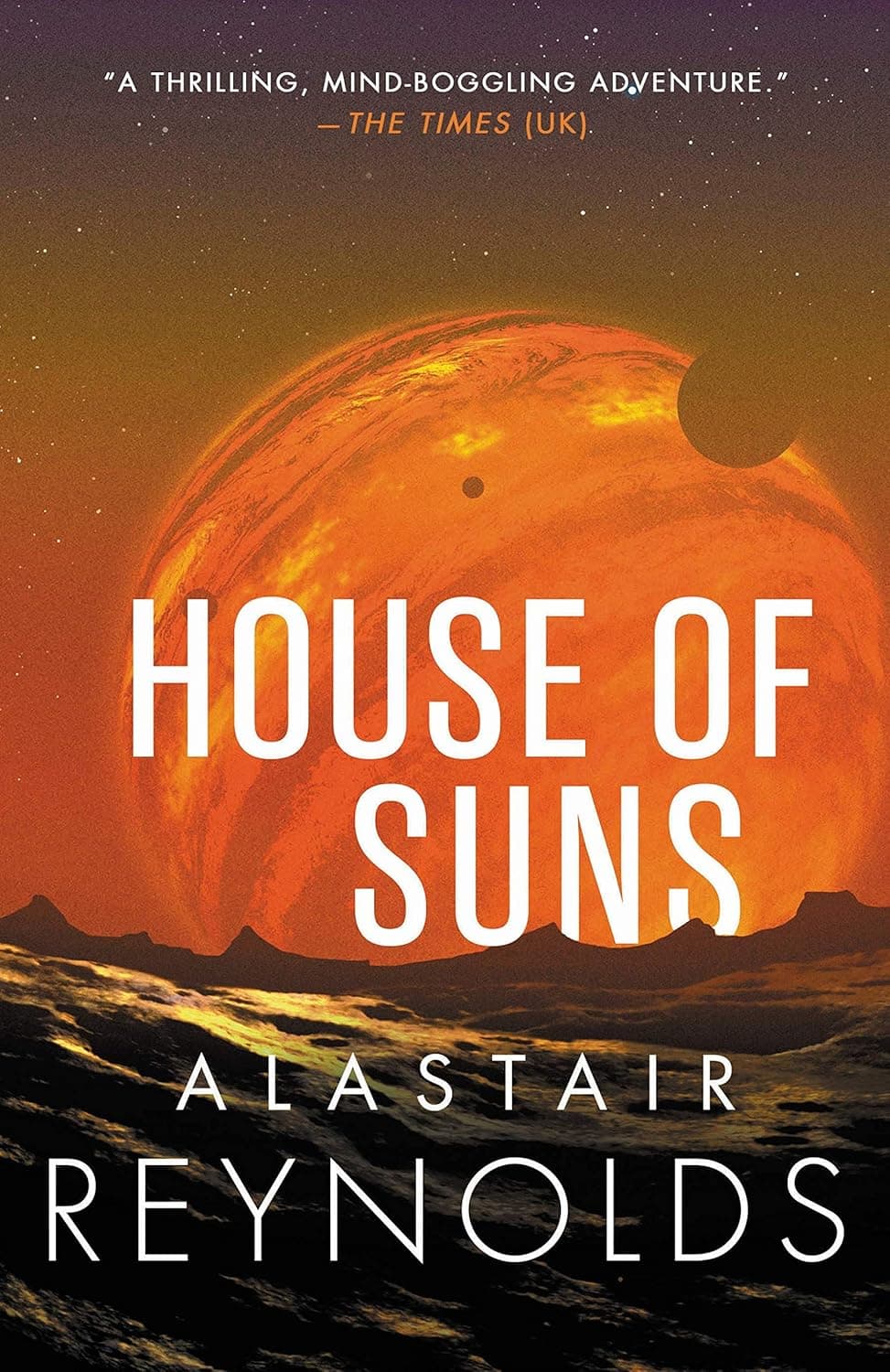
House of Suns
- Pace
- Measured
- Darkness
- Gentle
- Romance
- Minimal
- Difficulty
- Moderate
Why this matches
- Similar because
- House of Suns stretches identity, memory, and civilization across deep time too, making the long history in Children of Time feel almost local by comparison.
- Different because
- House of Suns uses clone lineages, memory archives, machine people, pursuit, and a galactic mystery instead of Children of Time's uplift experiment and species development.
- Choose this if
- House of Suns is for readers who want an accessible standalone epic with deep time, clones, machine civilization, romance, and mystery.
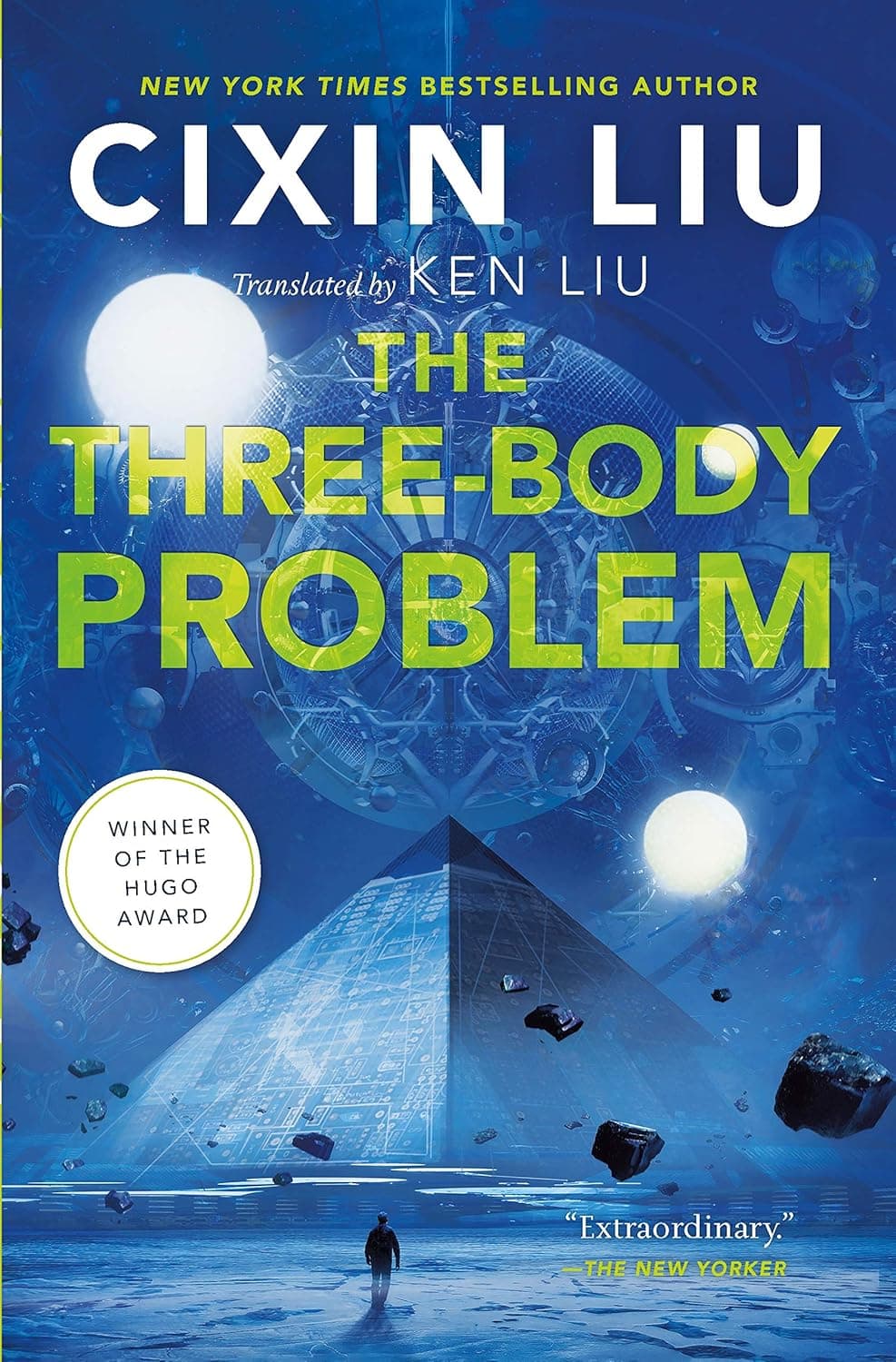
The Three-Body Problem
- Pace
- Balanced
- Darkness
- Gentle
- Romance
- Minimal
- Difficulty
- Moderate
Why this matches
- Similar because
- The Three-Body Problem also lets a scientific puzzle widen slowly into a first-contact crisis that threatens human civilization, a progression familiar from Children of Time.
- Different because
- The Three-Body Problem is more historical and conceptual, replacing sustained nonhuman viewpoint with scientific disruption, institutions, and an increasingly unsettling cosmic crisis.
- Choose this if
- The Three-Body Problem is for readers who want ambitious ideas, scientific uncertainty, and civilizational risk more than intimate character work.
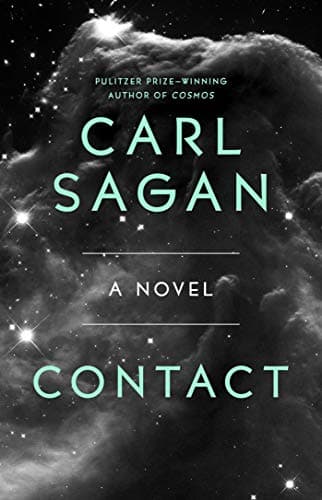
Contact
- Pace
- Measured
- Darkness
- Gentle
- Romance
- Minimal
- Difficulty
- Moderate
Why this matches
- Similar because
- Contact stays with the evidence and public debate around another intelligence. Children of Time goes further into the alien viewpoint, but asks the same questions about communication and humanity's place.
- Different because
- Contact keeps the focus on radio astronomy, public evidence, government, and religion, while Children of Time lets readers inhabit an uplifted civilization across generations.
- Choose this if
- Contact is for readers who want reflective first contact, scientific institutions, and public argument rather than evolutionary worldbuilding.
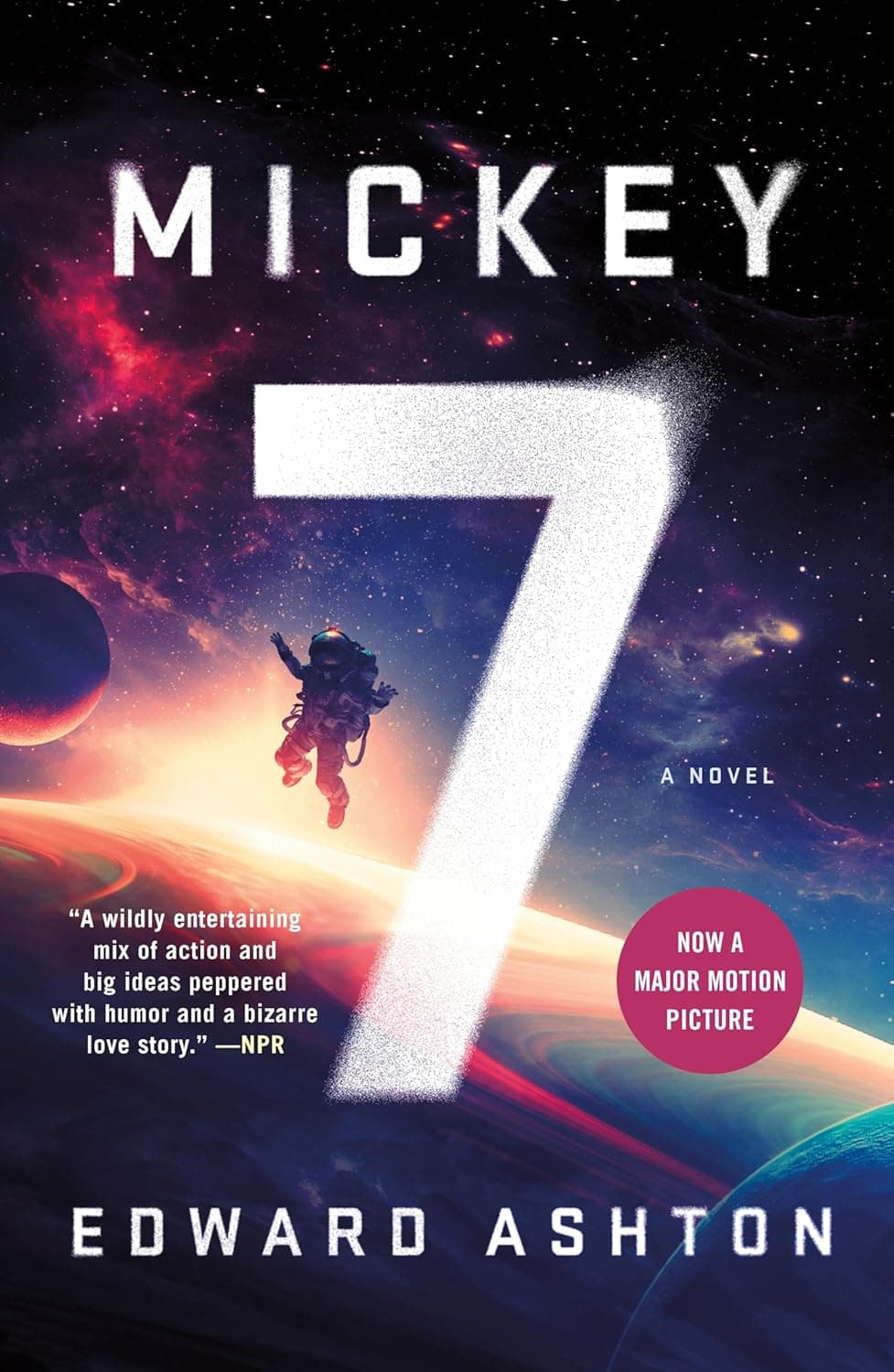
Mickey7
- Pace
- Balanced
- Darkness
- Moderate
- Romance
- Minimal
- Difficulty
- Accessible
Why this matches
- Similar because
- Mickey7 brings the colony problem in Children of Time down to one expendable worker whose body is treated as a resource for survival on another world.
- Different because
- Mickey7 is shorter, funnier, and more personal, replacing Children of Time's species-level history with cloning, legal personhood, food, shelter, and one expendable worker's duplicate problem.
- Choose this if
- Mickey7 is for readers who want hostile-planet survival, cloning, corporate exploitation, existential questions, and dark humor in a compact standalone.
Side-by-side
Pace, darkness, romance, and difficulty
| Book | Pace | Darkness | Romance | Difficulty |
|---|---|---|---|---|
| Children of Time | Balanced | Gentle | Minimal | Moderate |
| Children of Ruin | Measured | Moderate | Minimal | Moderate |
| Children of Strife | Balanced | Gentle | Minimal | Moderate |
| Revelation Space | Measured | Gentle | Minimal | Demanding |
| Dune | Balanced | Moderate | Minimal | Demanding |
| The Forever War | Measured | Gentle | Minimal | Moderate |
| Project Hail Mary | Balanced | Moderate | Minimal | Moderate |
| House of Suns | Measured | Gentle | Minimal | Moderate |
| The Three-Body Problem | Balanced | Gentle | Minimal | Moderate |
| Contact | Measured | Gentle | Minimal | Moderate |
| Mickey7 | Balanced | Moderate | Minimal | Accessible |
Keep exploring
Explore another Books Like guide
Pick another book you know and see what to read next.