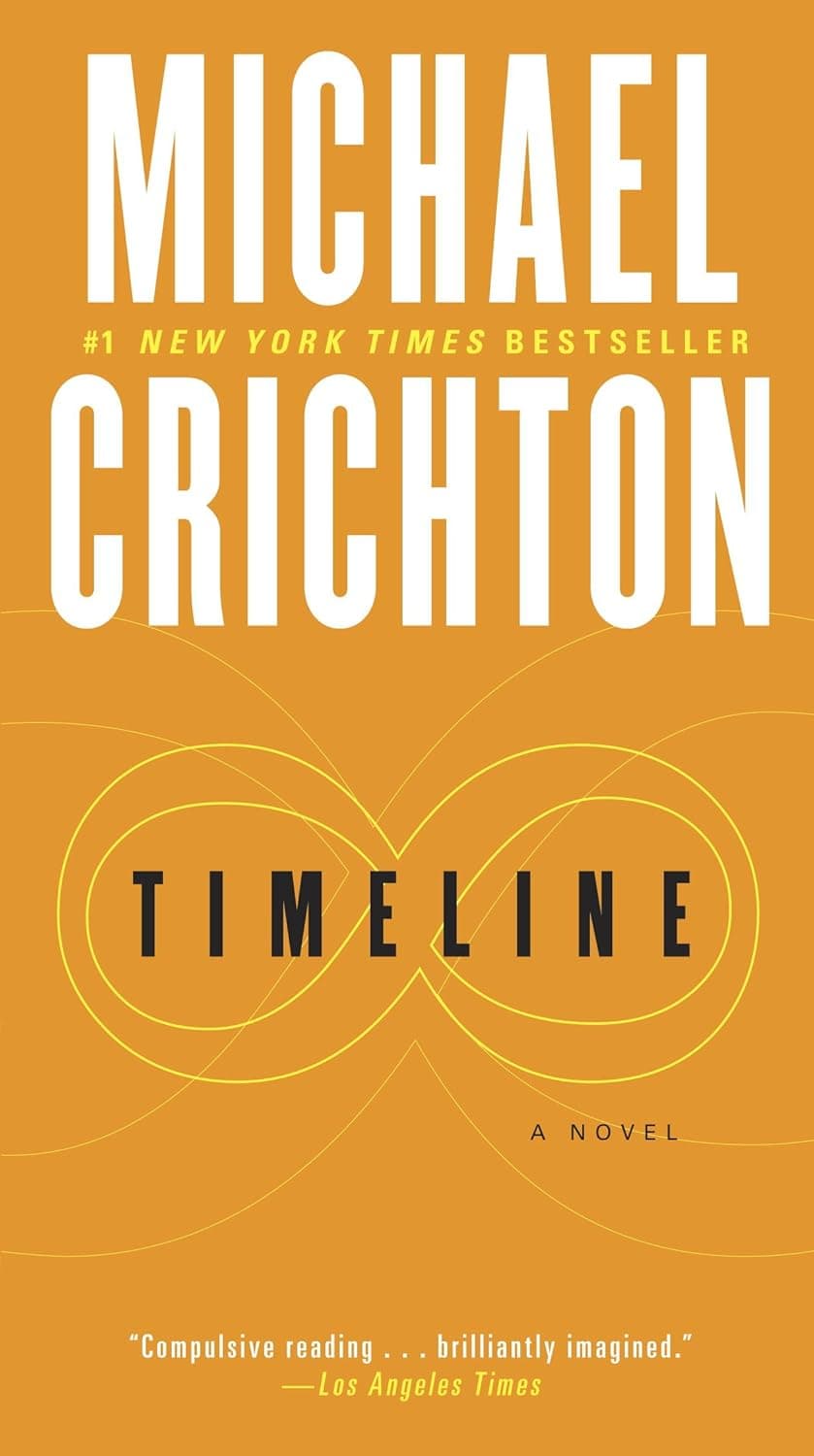
Should you read Timeline?
What works
Languages, fortifications, weapons, clothing, and social status turn academic expertise into uncertain survival tools rather than decorative research.
What may not work for you
The speculative physics is elaborate but unconvincing, several characters occupy adventure roles, and the corporate villainy is familiar.
What may test your patience
The modern excavation and ITC explanation take a long time before the team enters 1357 and the deadline acquires urgency.
Does the ending reward the effort?
Yes. Skills established in research and sport matter in the rescue, while the return closes the adventure without requiring a sequel.
Reading Timeline closely
Timeline follows historians and archaeologists studying a medieval site in France for ITC, a corporation whose quantum research can transmit people into another universe corresponding to the year 1357. When Professor Johnston becomes trapped there, his students have a narrow window to follow and bring him back.
Crichton contrasts academic confidence with the immediate reality of the Hundred Years' War. Language, clothing, fortifications, weapons, and social status become survival tools rather than research topics. The technology is presented through speculative quantum language, but the story's energy comes from treating the past as a dangerous present rather than a museum.
The novel is long and densely explained before the rescue accelerates. Some characters serve clear adventure roles, yet the combination of archaeology and siege action gives each skill a practical payoff. Readers who accept the science as fictional machinery will find a fast historical thriller with graphic medieval violence and a strong warning about corporate control of discovery.
Not conventional time travel
ITC describes transmission through the multiverse, though narratively the team reaches a real fourteenth-century world.
Historians lose modern protection
Knowledge of the period helps, but physical ability, language, and quick adaptation decide survival.
ITC controls the doorway
The corporation withholds risk while treating researchers and history as assets.
Three useful comparisons
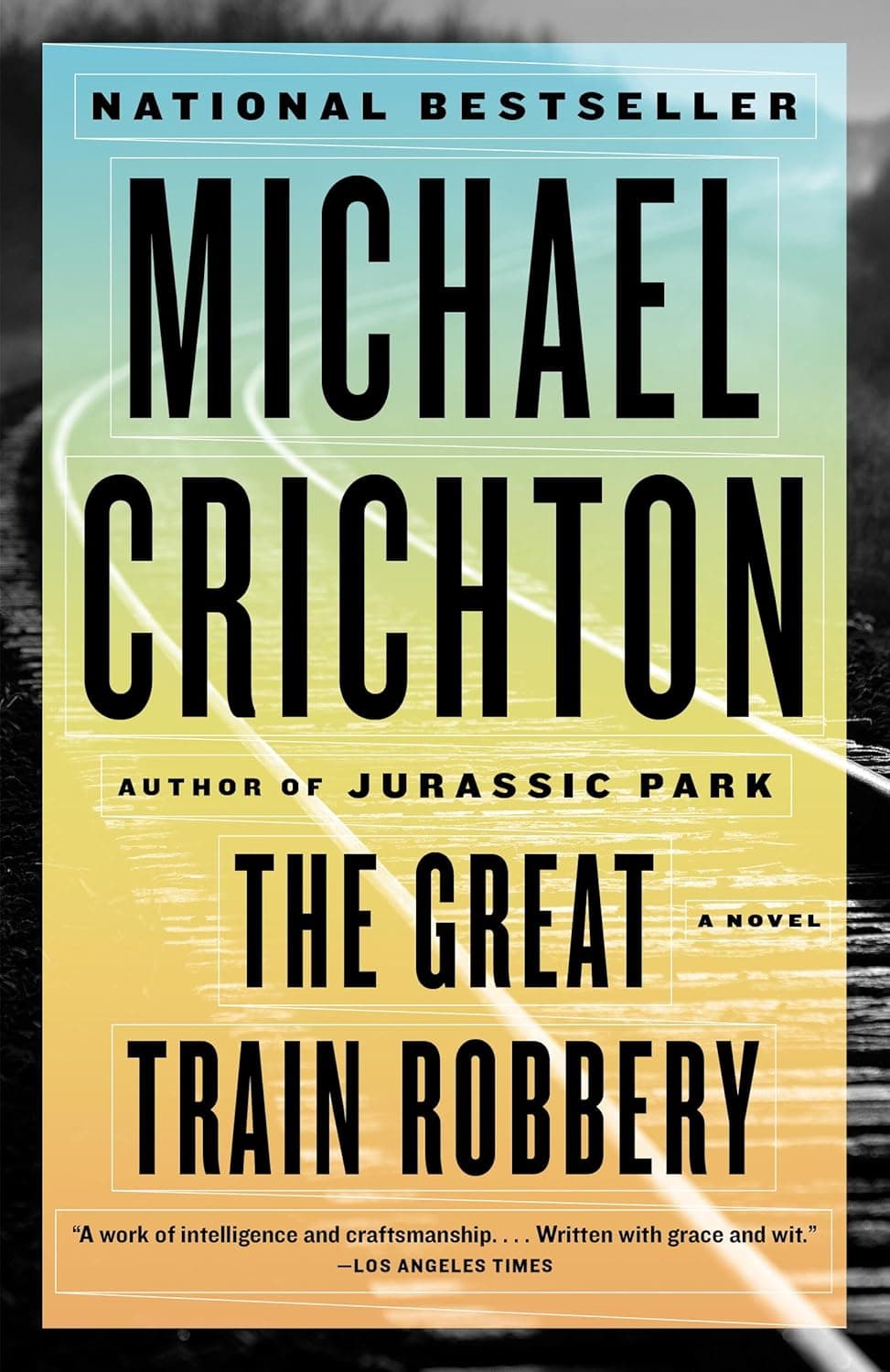
The Great Train Robbery
Great Train Robbery is more disciplined historical procedure without speculative technology.
Best for: Readers who enjoy procedural heists, Victorian settings, and research woven into the mechanics of a crime.
As an Amazon Associate, I earn from qualifying purchases.
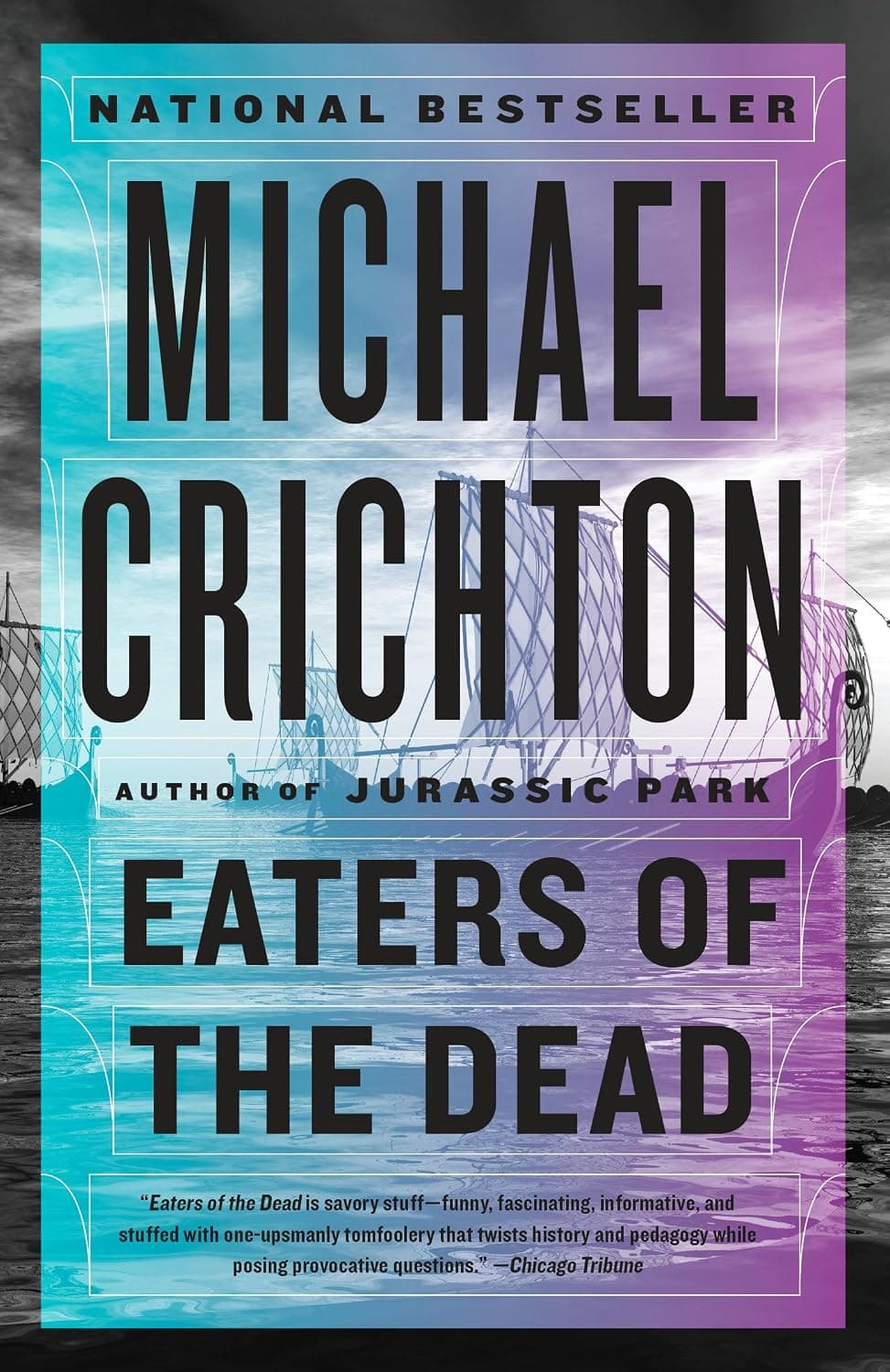
Eaters of the Dead
Eaters of the Dead is shorter and more literary, reframing Beowulf through pseudo-documentary history.
Best for: Try this for historical adventure, Beowulf revision, Norse travel, and playful pseudo-scholarship.
As an Amazon Associate, I earn from qualifying purchases.
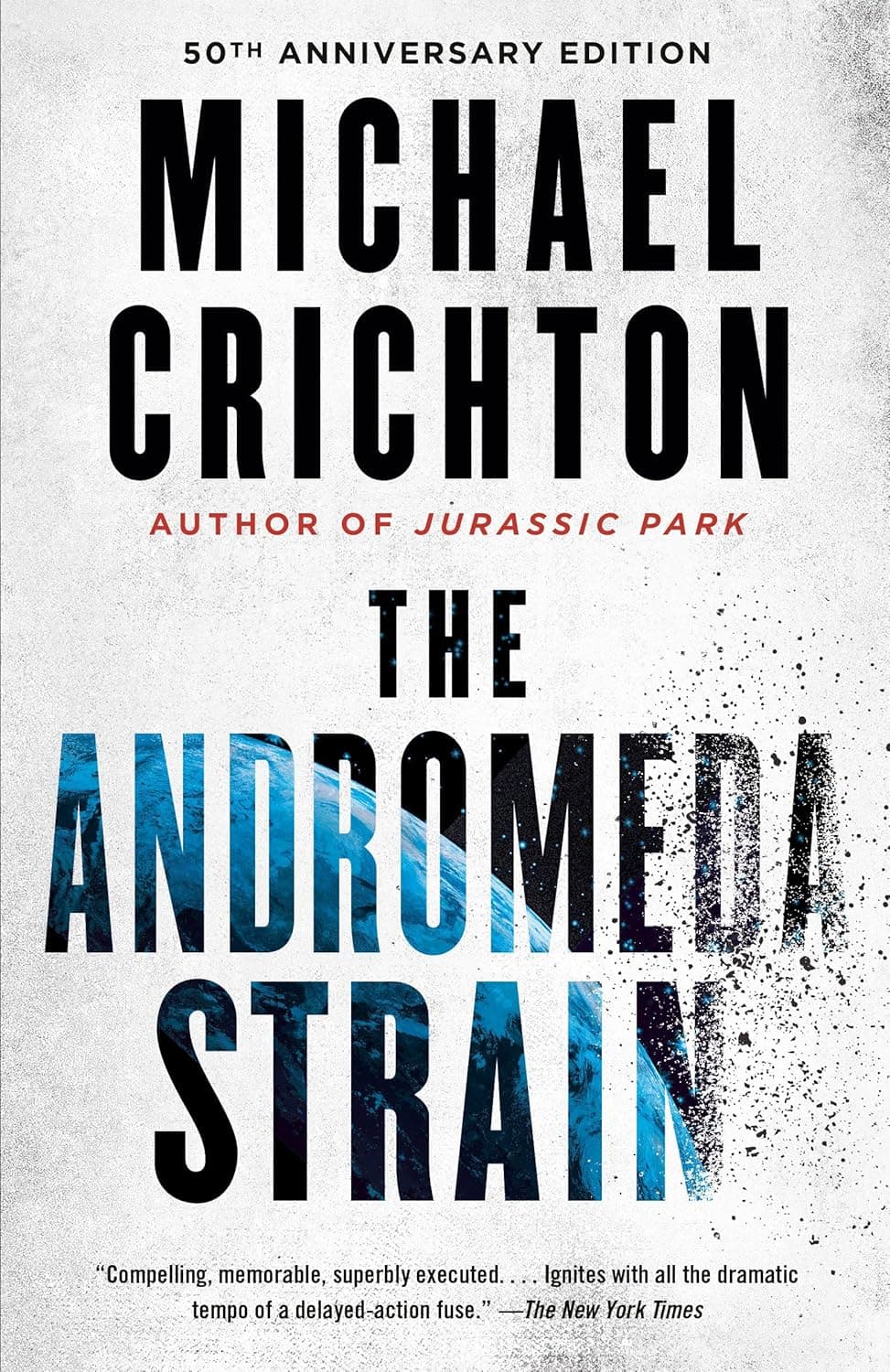
The Andromeda Strain
Andromeda offers more convincing scientific procedure and far less historical spectacle.
Best for: Hard-edged outbreak science fiction for anyone who values laboratory procedure and containment systems over sentiment.
As an Amazon Associate, I earn from qualifying purchases.