Read after Harry Potter
Books like Harry Potter for adults, without chasing a clone
The useful question is not which novel copied Hogwarts. It is which part you miss: learning magic, discovering a hidden society, solving a school mystery, or growing into a dangerous political world.
Best overall match
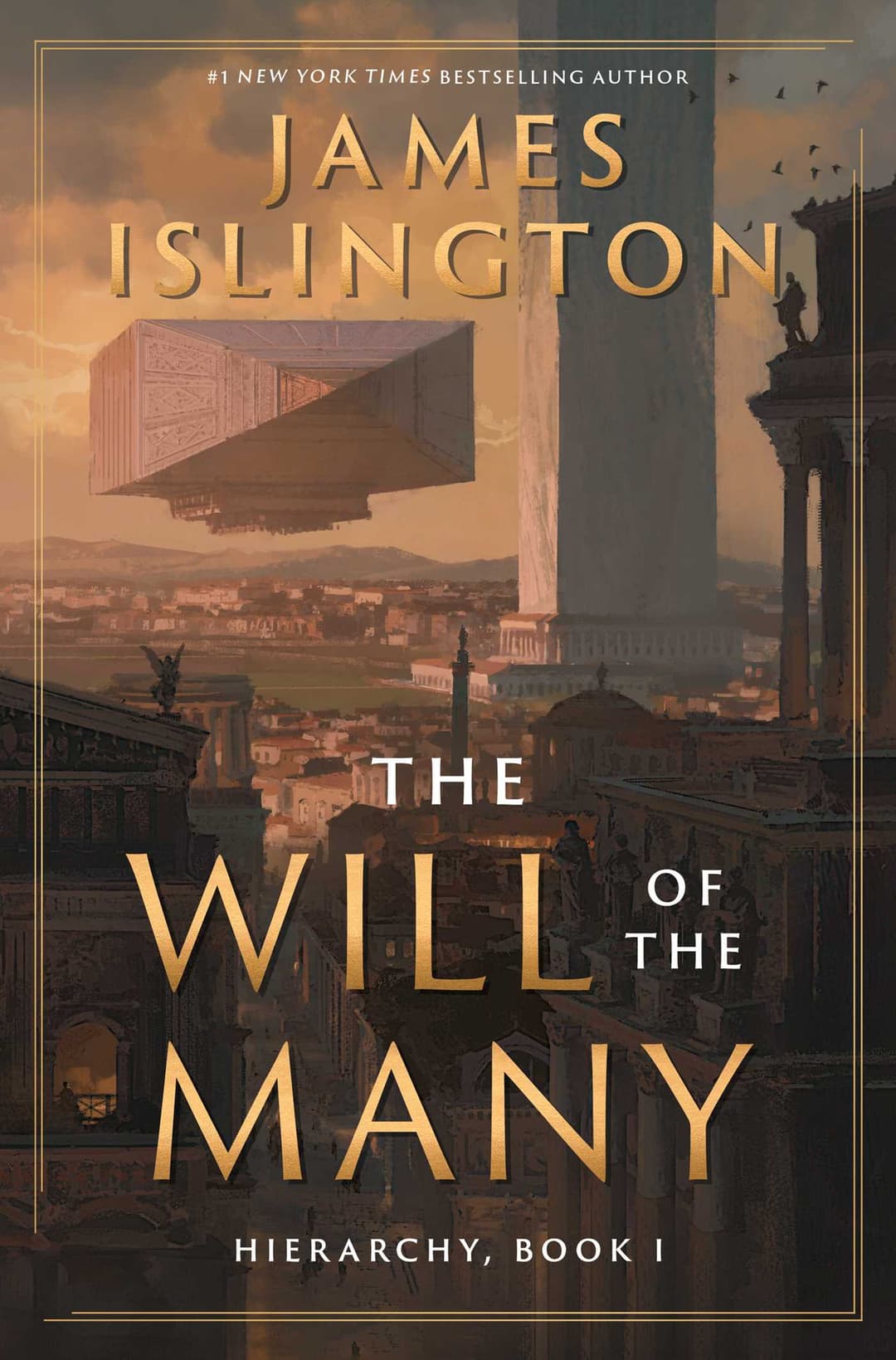
The Will of the Many is the strongest adult bridge
James Islington supplies an elite academy, concealed identity, competitive friendships, forbidden investigation, and a political system that becomes more threatening as the protagonist understands it. The tone is more openly adult and the magic is tied to social exploitation. If the warmth of discovery matters more than the institution, The Name of the Wind is the better, slower choice.
Harry Potter lasted because several reading pleasures reinforce one another: the school calendar gives shape, friendship supplies warmth, mysteries reward attention, and the magical world keeps expanding beyond the classroom. No adult novel recreates that exact mixture without feeling derivative. The recommendations below isolate those pleasures, then explain what each book changes. Some are darker, some more romantic, and some abandon school entirely while preserving the feeling of entering a hidden system.
This is an adult reading list, not a claim that the original series becomes unsuitable after a certain age. Adult here means the alternatives can include sexual content, stronger violence, institutional abuse, or narrators carrying adult regret. Fourth Wing is the most romance-forward choice. The Devils is not included because its fellowship is entertaining but its gore and cynicism make it a poor tonal bridge for most Hogwarts nostalgia.
The choices
Eight adult books for eight different kinds of Hogwarts nostalgia
A magical school, a close friendship group and a hidden world create different kinds of discovery. These stories preserve different parts of that experience.
1
The Will of the Many
Academy mystery and political hierarchy
Vis enters an elite academy while concealing who he is and why powerful people want to use him. Classes, competitions, shifting friendships, and secret investigation all matter, but the institution rests on a power system that extracts strength from those below. The opening establishes the political danger faster than many large fantasy novels.
The academy supplies recognizable lessons and competition, but its Roman-influenced society turns magical power into social extraction. Vis's concealment makes friendship and investigation risky. The result has more political pressure than Hogwarts's early warmth.
2
The Name of the Wind
Study, music and a narrated legend
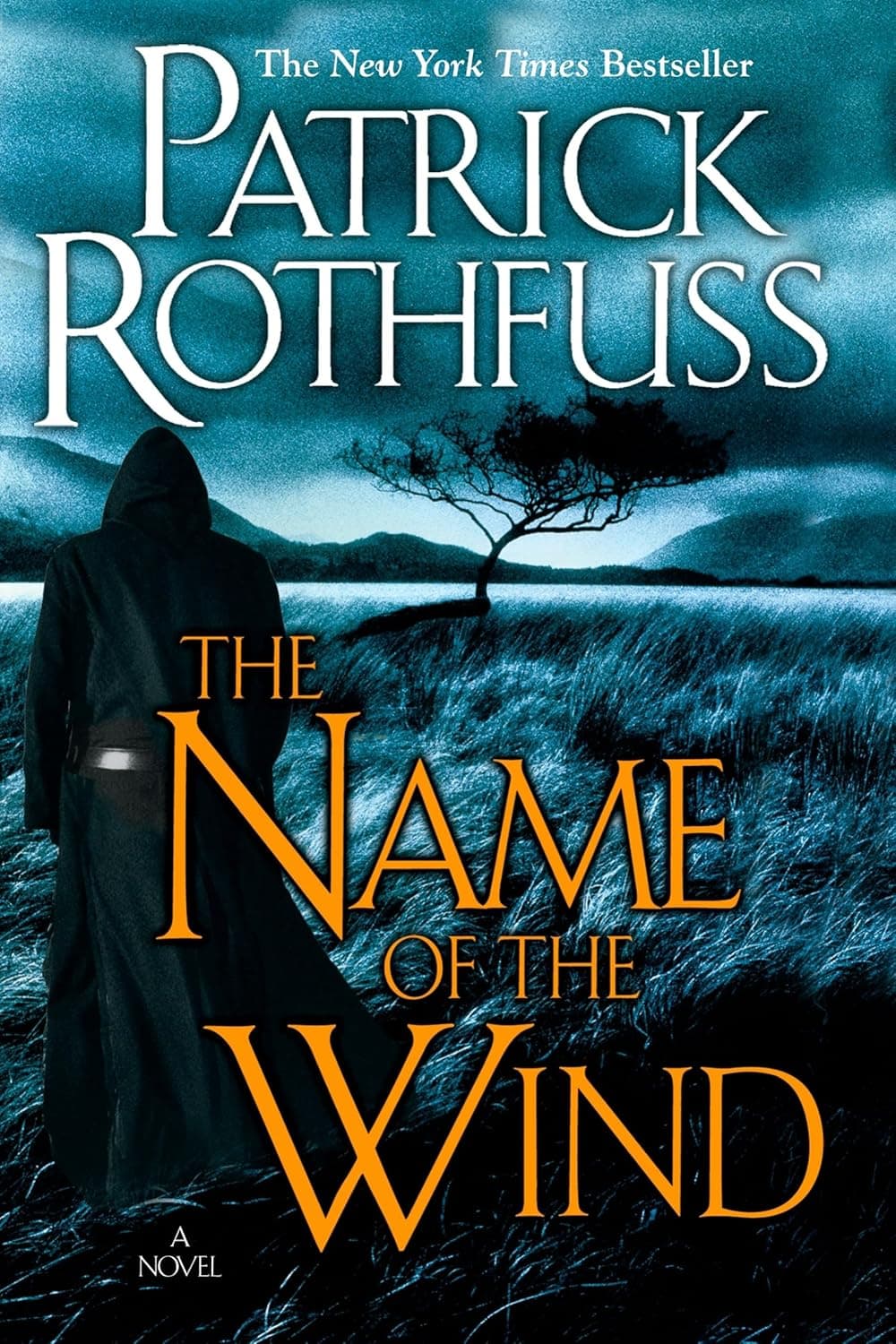
Kvothe recounts poverty, performance, friendship, rivalry, and study at the University, where magic feels like a craft learned through discipline rather than inherited wonder alone. Rothfuss makes tuition and hunger as consequential as secret knowledge. The retrospective narration adds beauty but also invites doubt about the hero telling his own legend.
Lessons, libraries and growing competence have a strong material cost: tuition and hunger keep interrupting Kvothe's education. The slower, lyrical account is also his own performance of the past, making the central voice less transparent than Harry's school-year viewpoint.

3
Fourth Wing
Dragon bonds and military training
Violet enters a military academy where cadets compete to bond with dragons and failure can be fatal. The school year, rival students, physical training, and withheld institutional history create immediate momentum. Romance and sexual tension occupy far more space than they do in early Harry Potter, while violence is both frequent and explicit.
The school structure belongs to a military system in which tests can kill. Dragon bonds and institutional secrets sit beside explicit romance and sexual tension, giving the familiar training plot a much more romantic adult register.
4
Mistborn: The Final Empire
A rebel crew and learned powers
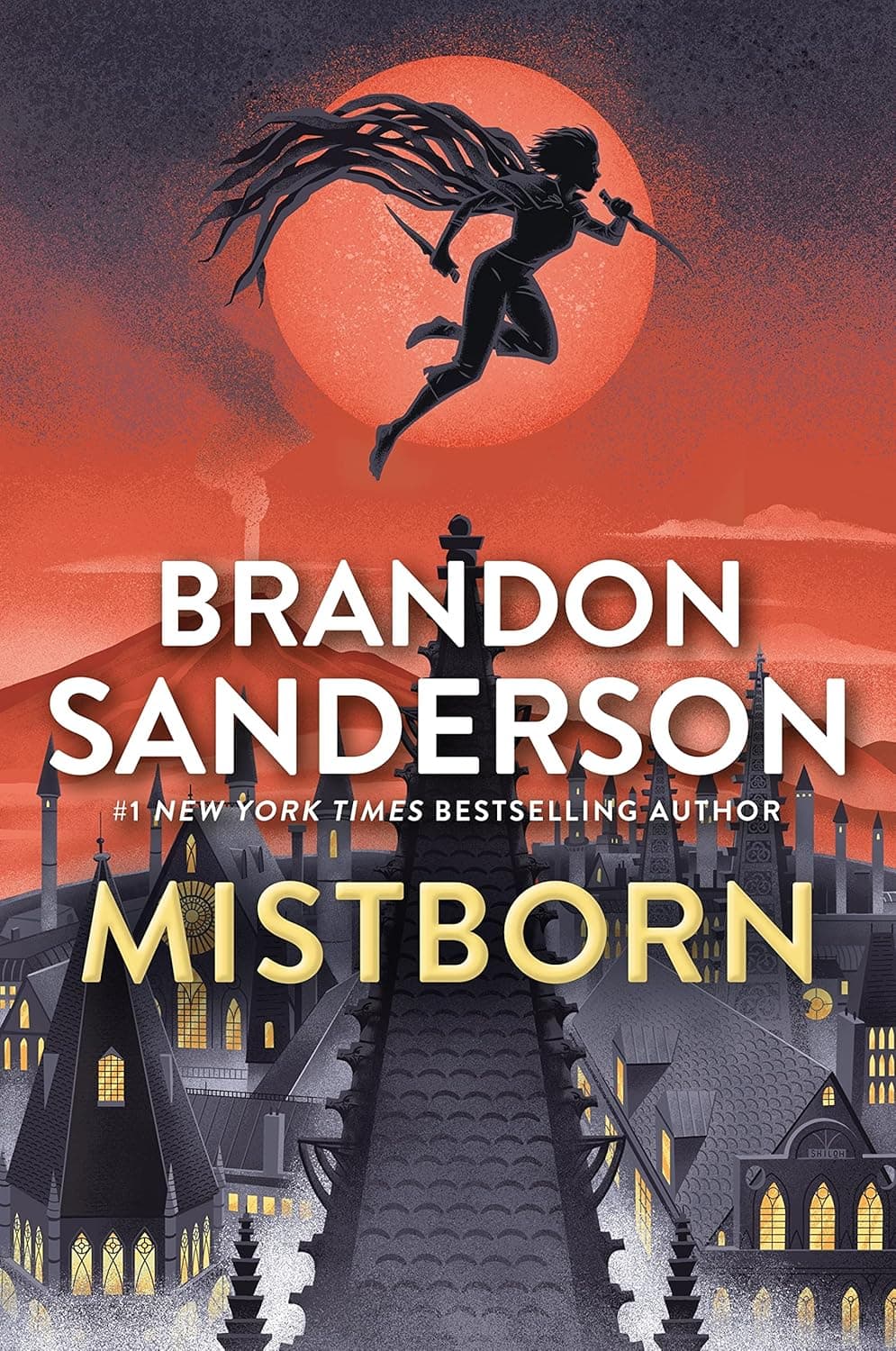
Vin is recruited from a brutal street crew into a group planning an impossible overthrow. Training in Allomancy replaces the classroom, while the crew supplies mentorship, banter, and the experience of finding people who see more in her than usefulness. The magic has clear physical rules and the political plan keeps lessons attached to action.
Vin learns within a crew, with trust and mentorship replacing houses and classes. Allomancy's physical rules keep the lessons attached to the rebellion, so the discoveries lead directly into a shared plan of action.
5
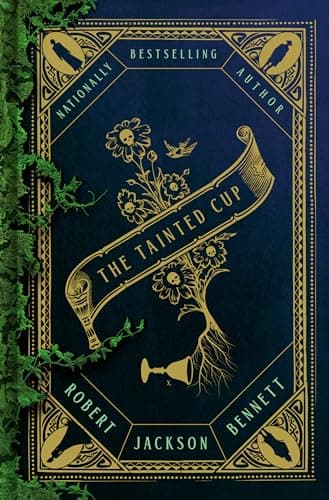
The Tainted Cup
Detection in a strange society
An investigator and her anxious assistant examine an impossible death inside a bureaucracy built to survive monstrous threats. The pleasure comes from clues, eccentric expertise, and discovering how a strange society functions through the case. It lacks a school, but recreates the satisfaction of a mystery revealing hidden rules and compromised authority.
The investigation makes altered bodies and engineered plants part of the evidence. Ana and Din's work reveals the society through a case, with adult procedural detail, dry humor and body horror taking the place of a school mystery.
6
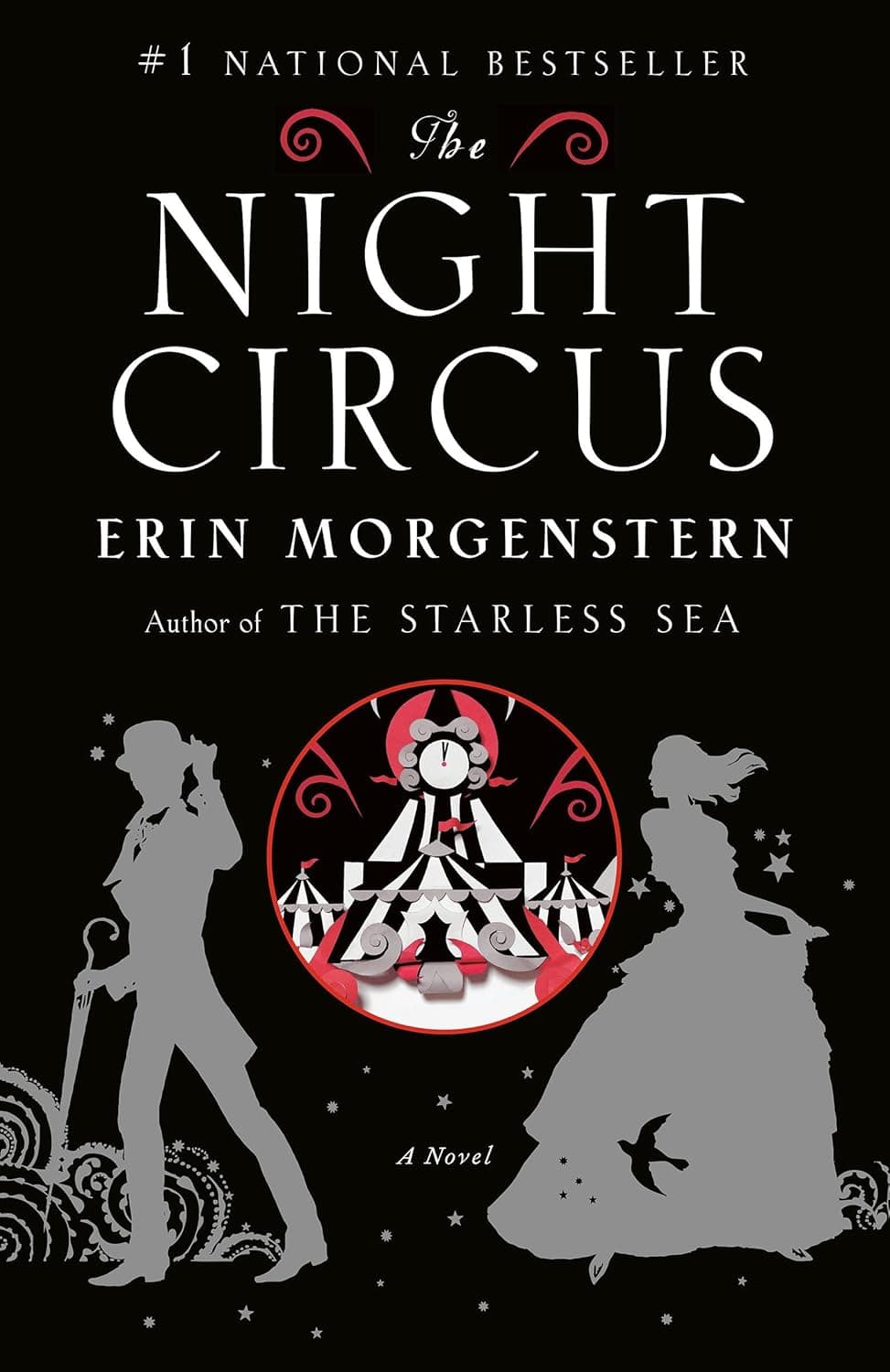
The Night Circus
A nocturnal magical contest
A nocturnal circus appears without warning, filled with tents whose magic is experienced before it is explained. Two trained magicians are bound into a contest that affects performers and visitors around them. The book privileges sensory enchantment, nonlinear glimpses, and yearning over the clean propulsion of a school-year mystery.
The circus extends the pleasure of entering a magical place. Its nonlinear chronology and sensory descriptions leave more space for yearning than for a tightly paced investigation; the contest's rules remain less defined than the attractions built around it.
7
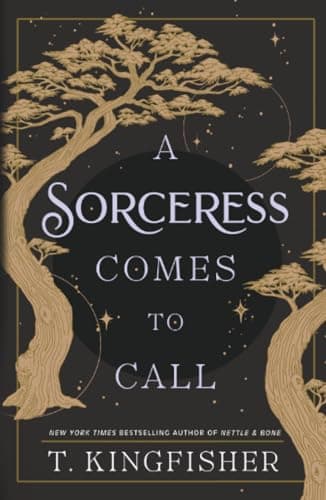
A Sorceress Comes to Call
Coercion inside a country house
A girl raised under magical coercion arrives at a country house with her controlling mother. An older woman begins to recognize the danger behind flawless manners. The story replaces school friendship with an intergenerational alliance, but preserves the fear of adults who misuse magic and social authority while younger people struggle to be believed.
The danger lies in an adult using magic and social authority to control a household. An alliance across generations replaces the school friendship group. The story's gothic pressure and dark humor grow from that domestic imbalance, with romance outside the central action.
8
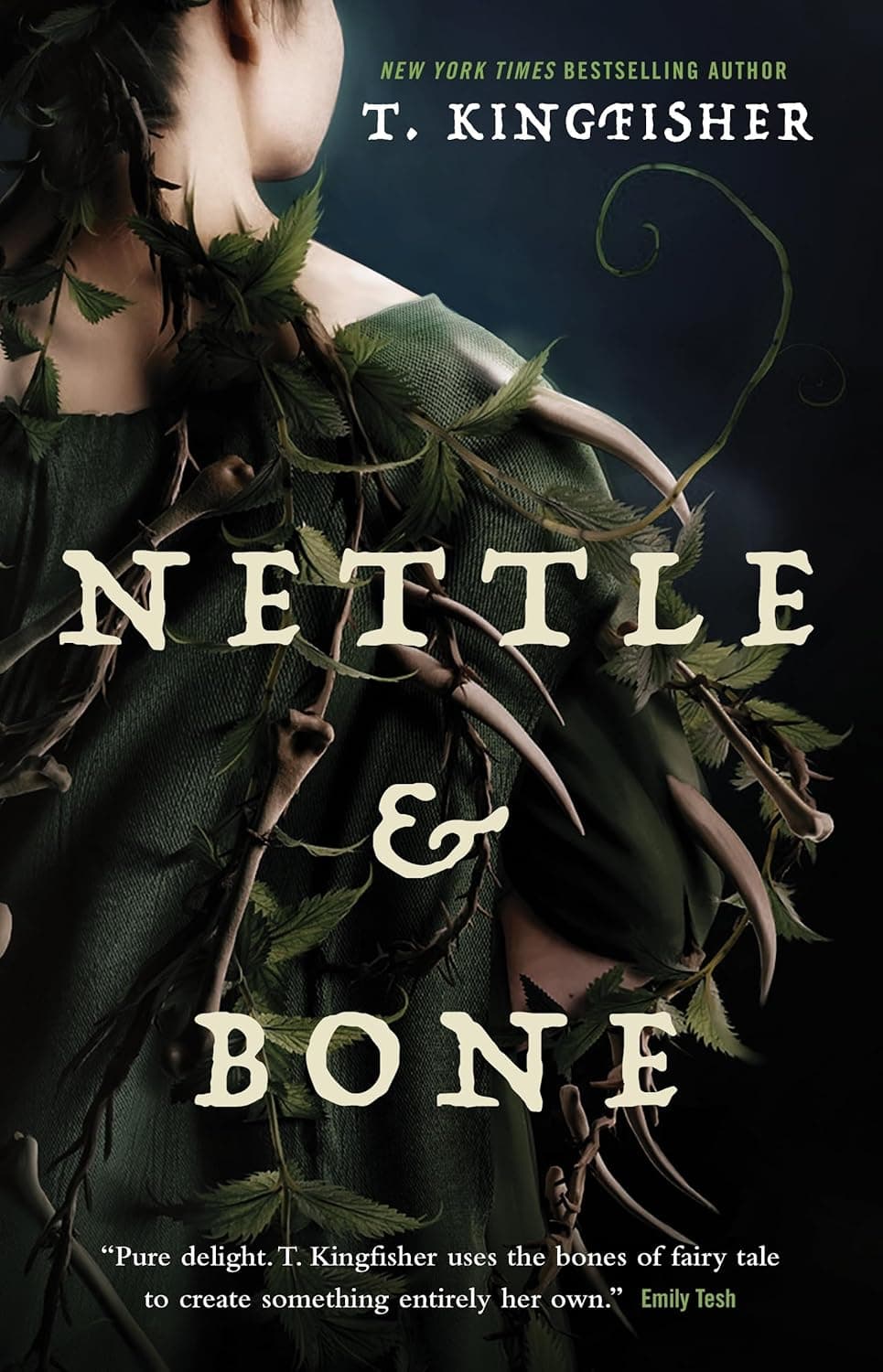
Nettle & Bone
An improvised fairy-tale fellowship
A supposedly unimportant princess assembles a graveyard witch, a fairy godmother, a former knight, and several unlikely creatures to rescue her sister. The improvised fellowship carries the warmth, while the abusive royal system supplies adult stakes. Magic is tactile, odd, and often achieved through labor rather than spectacle.
The companions form around a rescue rather than a school year. Their practical skills and odd magic make affection visible through shared work. A small late romantic thread remains secondary to the quest and its abusive royal setting.
Side by side
Which part of Harry Potter does each book replace?
Use this table before choosing by cover or popularity. The closest plot match may not be the closest emotional match.
| Book | Closest shared pleasure | Biggest difference | Reading level |
|---|---|---|---|
| The Will of the Many | Academy, secrets, political awakening | Colder and more structurally complex | Moderate |
| The Name of the Wind | Study, friendship, growing mastery | Lyrical first-person life story | Moderate to demanding |
| Fourth Wing | Dangerous school and chosen friends | Much more romance and explicit violence | Accessible |
| The Tainted Cup | Mystery reveals a hidden system | Adult detective partnership, no school | Accessible to moderate |
| The Night Circus | Immersive magical wonder | Atmosphere and romance lead | Moderate |
Do not search for Hogwarts with the serial numbers filed off
The adult books that work best after Harry Potter usually change the furniture. The Tainted Cup uses a government investigation, Mistborn uses a criminal crew, and A Sorceress Comes to Call uses a country house. They preserve discovery, loyalty, and resistance to abusive authority without repeating houses, wands, and a chosen schoolchild.
The school calendar in Harry Potter alternates comfort with threat. The Will of the Many and Fourth Wing retain a training structure, though their institutions are more openly coercive. The Night Circus places the emphasis elsewhere: exploring an enchanted space matters more than following a school-year investigation.
How the alternatives connect
The Will of the Many and The Name of the Wind both make education central, but political concealment drives one while retrospective storytelling shapes the other. Mistborn moves the learning into a rebel crew. The Night Circus gives atmosphere more space than answers. The separate Fantasy without romance guide explains which kinds of romantic content are absent or peripheral in another set of books.
Quick answers
Questions readers ask before buying
What is the most adult book like Harry Potter?
The Will of the Many is the best overall bridge because it combines an academy, secret identity, friendships, dangerous tests, and political discovery. It is more violent and structurally demanding without abandoning momentum.
Which recommendation has the least romance?
The Tainted Cup and A Sorceress Comes to Call keep romance away from the central action. Mistborn contains a romantic thread but gives substantial weight to rebellion, training, and found family.
Is Fourth Wing really like Harry Potter?
Only in selected ways: a dangerous school, competitive peers, chosen friendships, tests, creatures, and institutional secrets. Its explicit romance, military culture, and adult violence make the overall reading experience quite different.
Sources
Sources for this guide
The original series scope and publisher descriptions were checked against official sources. Similarity judgments separate school structure, magical discovery, friendship, mystery, and tone rather than treating all magical fiction as interchangeable.
Keep reading