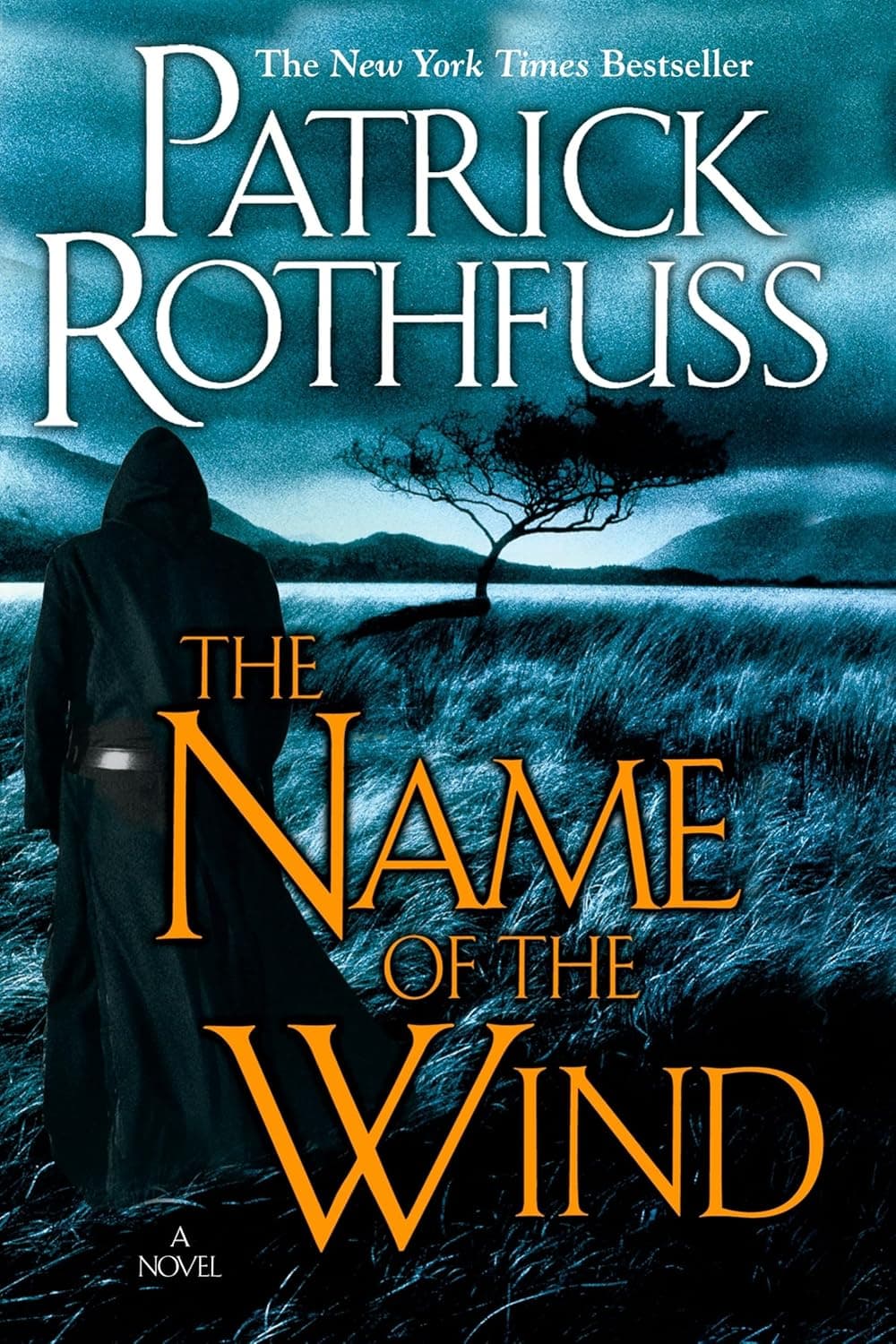
Should you read The Name of the Wind?
What works
Talent never feels free. Music costs a lute and a place to play, study costs tuition, and even sympathy demands careful preparation. The innkeeper in the frame also reminds us that all this brilliance ends somewhere bleak.
What may not work for you
Women often orbit Kvothe's fascination, Denna is idealized through limited knowledge, and the novel delays the wider promised catastrophe.
What may test your patience
Kvothe's years in Tarbean are grim and lengthy. The novel finds a livelier rhythm once he reaches the University and has rivals, fees, and lessons to contend with.
Does the ending reward the effort?
It works as the end of Kvothe's first day of storytelling, not as a complete story. The largest mysteries and the disaster hinted at by the frame remain unresolved.
Reading The Name of the Wind closely
The Name of the Wind introduces Kvothe, an orphaned prodigy who looks back on the choices and accidents that turned him into a name people whisper about. He tells his story from a quiet inn, tracing a path from childhood tragedy to relentless study and dangerous magic.
Rothfuss writes music unusually well. A broken string, the feel of a lute, and the effort behind a performance matter as much as the applause. Food, rent, and tuition receive the same attention, so Kvothe's gifts never free him from the humiliating arithmetic of poverty. Those concrete pressures keep the lush prose from floating away.
The two kinds of magic pull in different directions. Sympathy is taught through rules, exercises, and costly mistakes; naming arrives as a more mysterious act of perception. At the University, both are tied to rank, money, rivalry, and access. The lessons are engaging because Kvothe can be brilliant in one room and disastrously proud in the next.
Kvothe is funny, resourceful, vain, and plainly invested in how his story sounds. Denna suffers most from that perspective: he idealizes her while knowing less about her than he admits. The quiet scenes at the Waystone Inn complicate every triumph, since the gifted young performer is telling us how he became a tired innkeeper who no longer seems able to be himself.
The long stretch in Tarbean is the hardest part, and the book leaves its largest promises unresolved. Once Kvothe reaches the University, though, the mix of lessons, debts, music, feuds, and half-solved legends becomes remarkably absorbing. More fantasy with a strong sense of voice can be found on our fantasy page.
Tor.com also carries essays and discussions about the series.
Who is likely to enjoy it
This is a long coming-of-age story built around magical education, music, and a narrator with enough charisma to hide his blind spots.
For a similarly immersive setting with looser magic and more emphasis on atmosphere, try The Night Circus.
What may test your patience
The Tarbean section is bleak and slow, and Kvothe's repeated competence can become self-flattering.
This volume answers only a fraction of the questions raised by the innkeeper frame.
Three useful comparisons
The Wise Man's Fear
The Wise Man's Fear expands the world and Kvothe's legend but magnifies pacing and self-mythologizing problems.
Best for: Readers already invested in Kvothe who value world expansion and beautiful episodes more than efficient series progress.
Mistborn: The Final Empire
Mistborn offers cleaner rules, stronger plot payoff, and a more balanced ensemble in plainer prose.
Best for: A welcoming epic fantasy with rule-based magic, found family, political rebellion, and a complete first-volume payoff.
The Will of the Many
The Will of the Many delivers a faster academy plot, sharper political pressure, and a less ornate first-person voice.
Best for: A fast-opening political fantasy built around academy competition, hidden identity, and a large mystery.
Make the next decision
Reading and buying guides featuring The Name of the Wind
Series buying note
Would the collection be the better buy?
These are useful only when you want several books in the same run. The notes below spell out what each package includes and, just as importantly, what it leaves out.
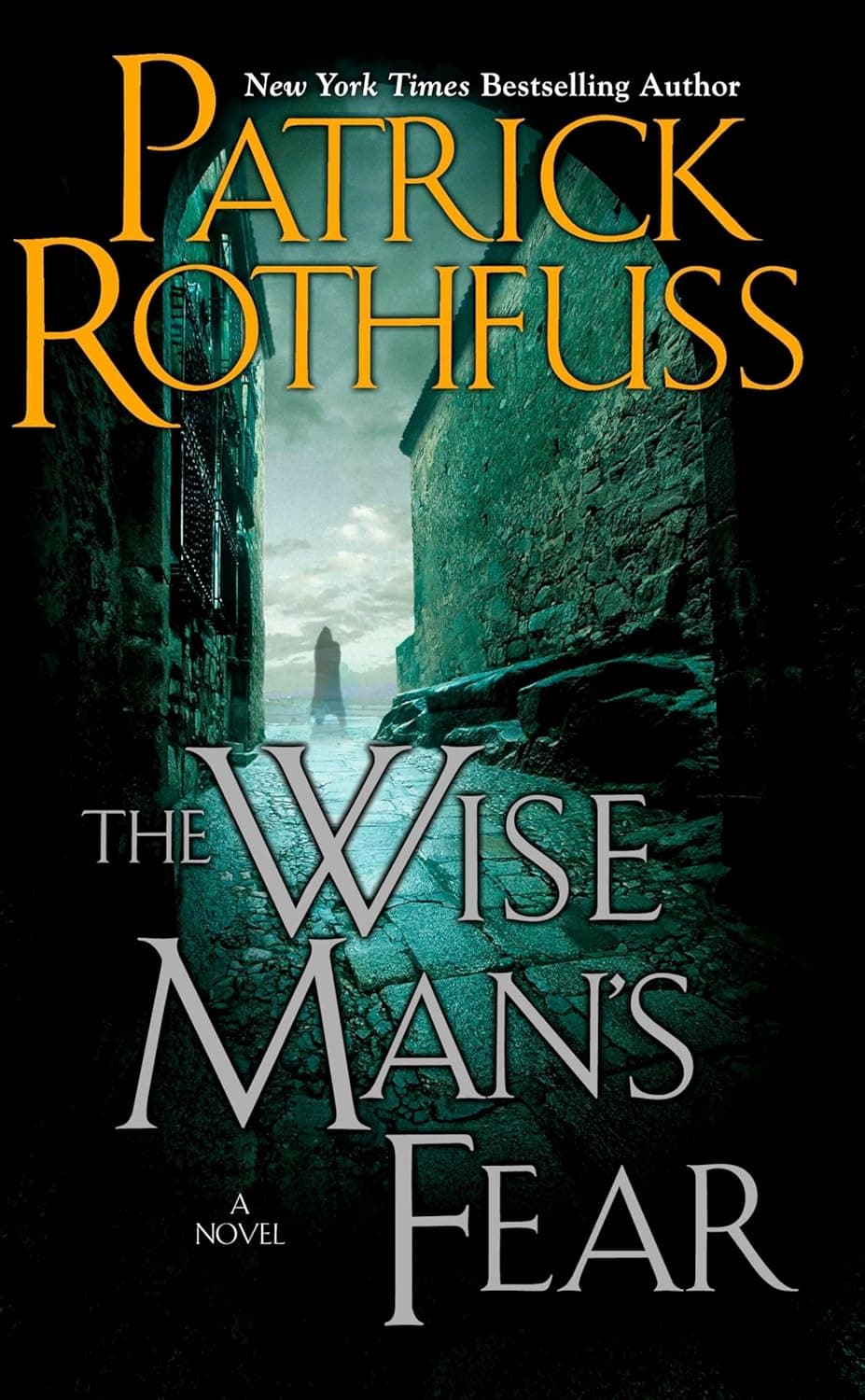
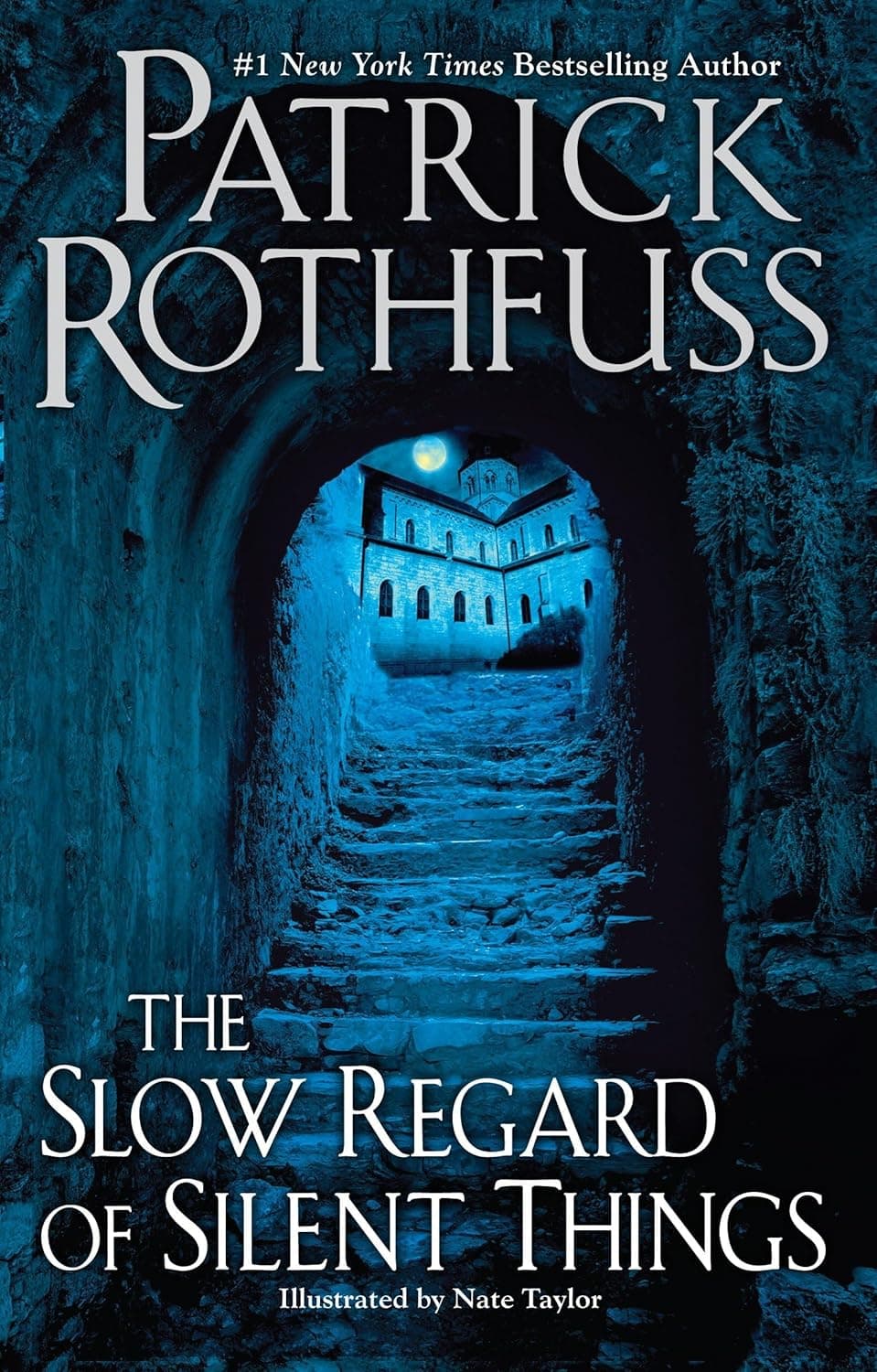
Four-book paperback collection
Kingkiller Chronicle 4-Book Collection
The collection pairs Kvothe's two main novels with the Auri and Bast companion stories, which makes it a broad tour of the Four Corners rather than four consecutive saga volumes.
Included: The Name of the Wind, The Wise Man's Fear, The Slow Regard of Silent Things, The Narrow Road Between Desires
Our buying note: The central trilogy is still unfinished. Two books here are companion novellas, so this is for readers comfortable buying into an open-ended series.