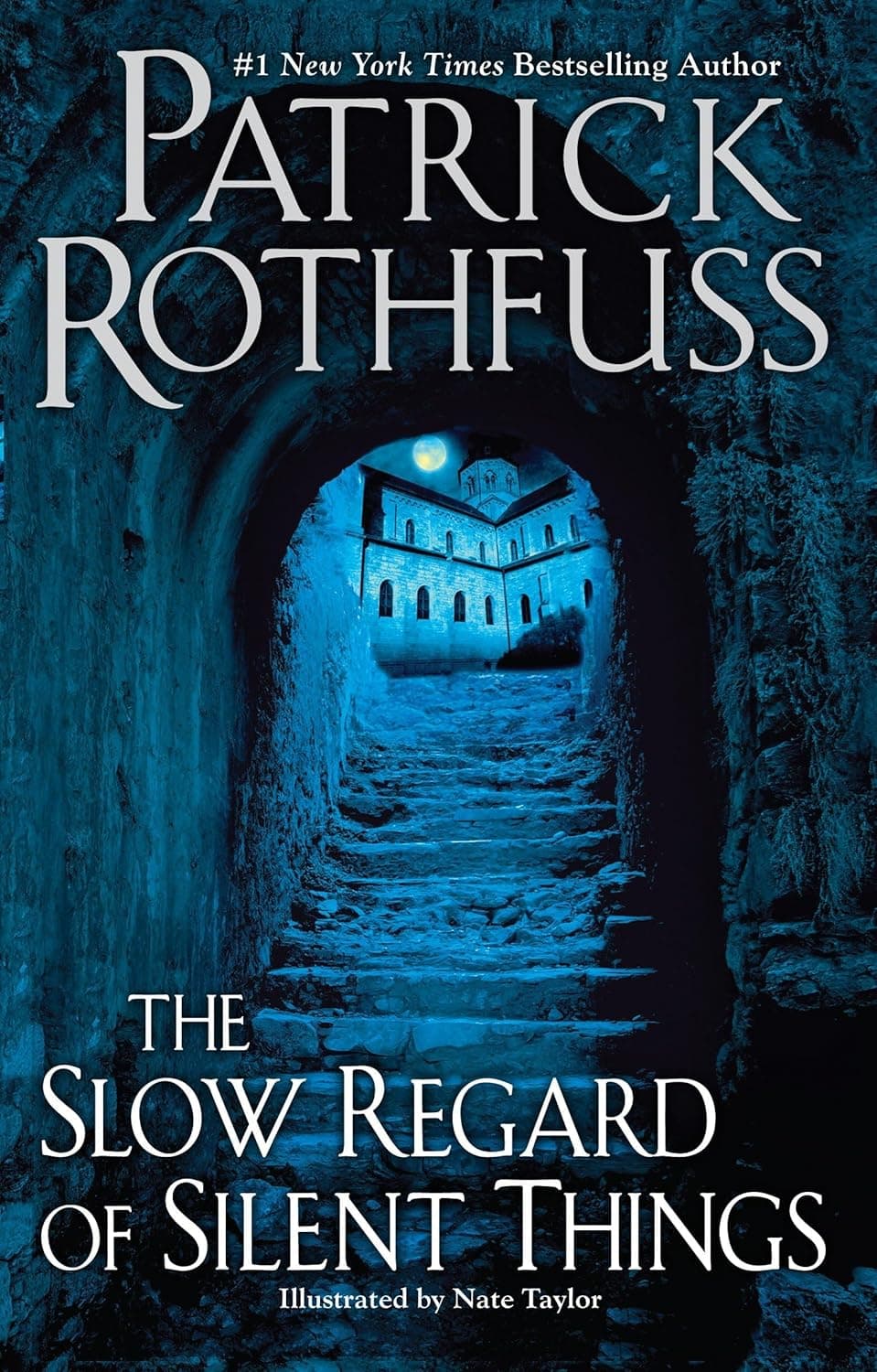
Should you read The Slow Regard of Silent Things?
What works
Auri's movement through the Underthing gives rooms and objects relationships, revealing care and distress without translating her perception into diagnostic explanation.
What may not work for you
The novella is deliberately mannered, almost eventless, and likely impenetrable for readers without affection for Auri or patience for symbolic routine.
What may test your patience
Repeated cleaning, arranging, naming, and searching can feel static because small changes carry all the emotional weight.
Does the ending reward the effort?
Yes on its own scale. Preparing one gift provides a modest destination and reveals how Auri makes order without claiming she is healed.
Reading The Slow Regard of Silent Things closely
The Slow Regard of Silent Things follows Auri as she moves through the Underthing, tending to hidden rooms, secret rules, and the quiet magic of paying attention.
Rothfuss writes with careful, lyrical precision. Sentences hum with sound and texture, and almost every object Auri touches carries emotional weight.
The worldbuilding feels tactile and intimate. The Underthing matters because Auri treats each corridor, pipe, and bottle as if it has its own place and personality. Her care turns maintenance into something close to magic, widening the Kingkiller setting from the side instead of only pushing the main plot forward in The Name of the Wind.
Nate Taylor's interior illustrations support that gentle tone with expressive lines that make the underground spaces feel lived in rather than gloomy. If you like illustrated novellas, character studies, or slice of life fantasy, this book reads more like a small treasure than a simple tie in.
A companion novella, not a conventional Kingkiller installment
This book leaves Kvothe's narration behind for Auri's private movement through the Underthing. It adds an intimate side view of the Kingkiller world rather than advancing the main Chronicle through a conventional quest.
For placement among the companion stories, use the Kingkiller Chronicle books-in-order guide: it places the two main novels before Auri's and Bast's companion stories.
Quiet structure and pacing
Repeated cleaning, arranging, naming, and searching can feel static because small changes carry the emotional weight. The book is deliberately mannered and almost eventless, so its unusual structure asks you to follow ritual rather than conventional plot turns.
Choose it for lyrical interiority, tactile objects, and quiet experimental fantasy. Skip it if efficient plot movement or Kvothe's continuing narration is the reason you read Kingkiller.
Three useful comparisons
The Name of the Wind
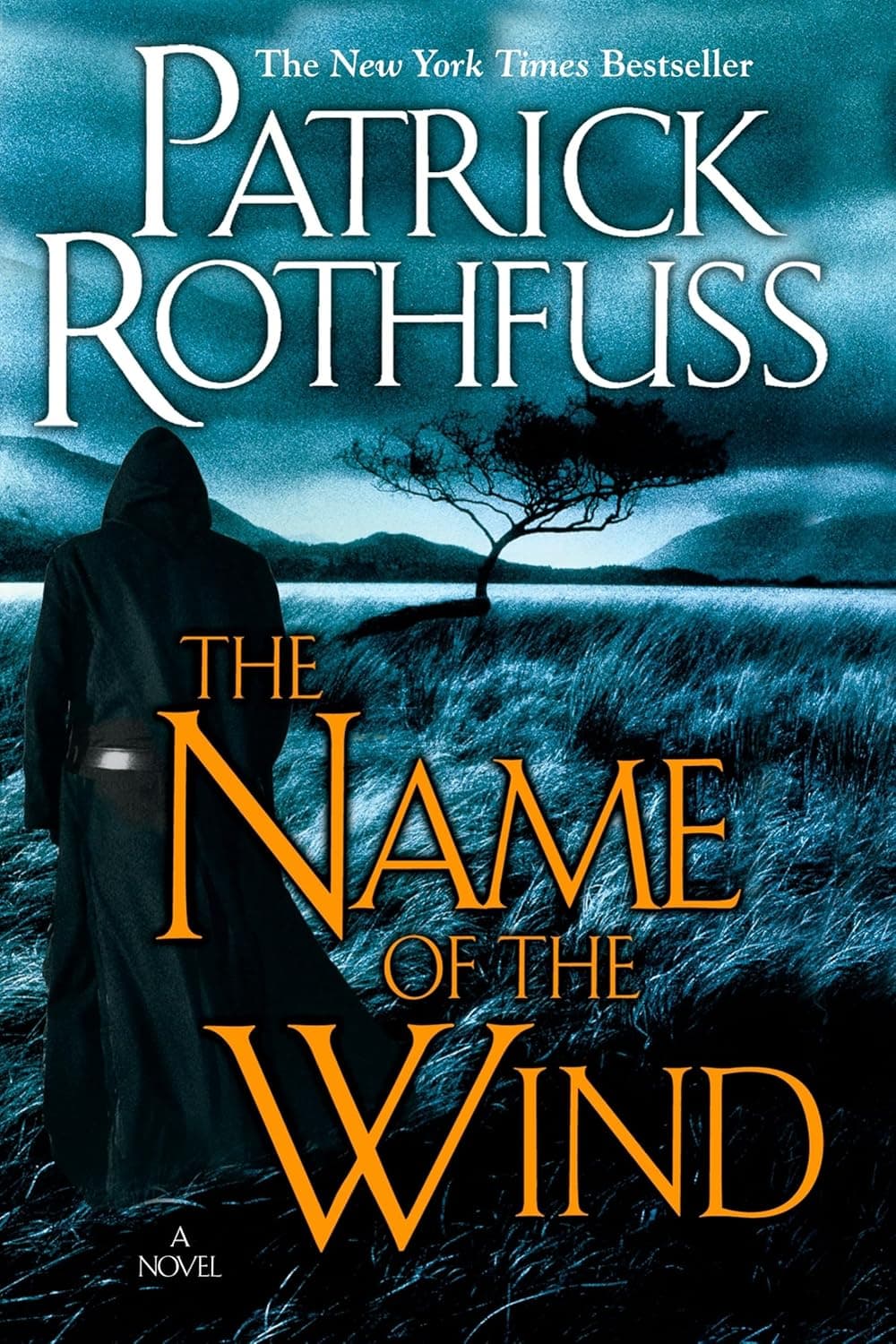
The Name of the Wind introduces Auri and supplies the University context that makes her routines legible, while this novella leaves Kvothe's conventional narrative momentum behind.
Best for: Choose it for musical prose, a university setting, magical study, and a gifted but questionable narrator. Skip it if an unfinished larger story will sour the experience.
The Narrow Road Between Desires
The Narrow Road Between Desires is more outward, comic, and accessible, with Bast negotiating desire in a village; The Slow Regard stays inside Auri's private logic and ritual.
Best for: Kingkiller readers wanting a compact Bast story with faerie bargains, village comedy, and ethical mischief.
The Wise Man's Fear
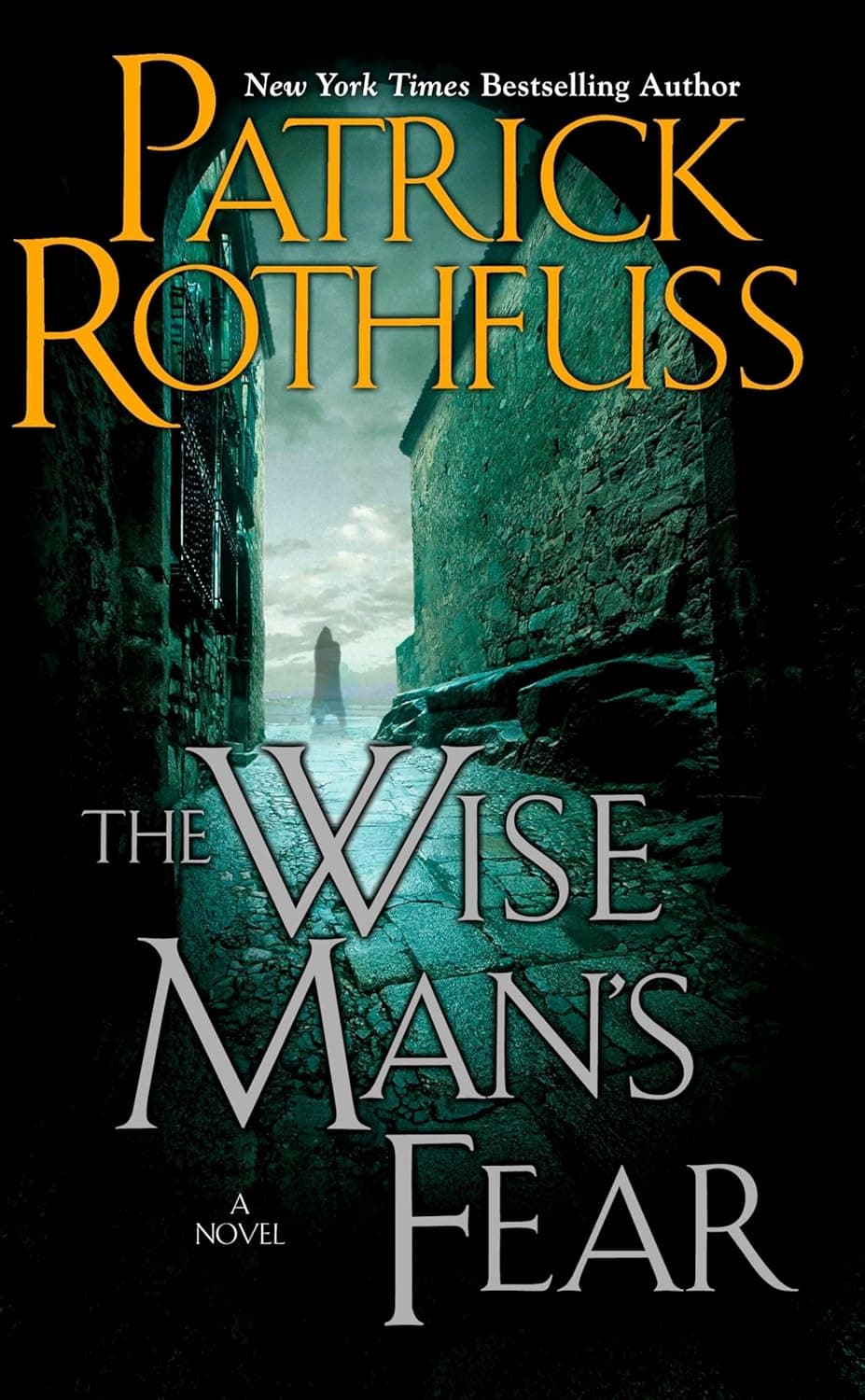
The Wise Man's Fear continues Kvothe's main narrative and expands the world, while The Slow Regard is an optional companion that pauses that forward movement for Auri's intimate perspective.
Best for: Readers already invested in Kvothe who value world expansion and beautiful episodes more than efficient series progress.
Make the next decision
Reading and buying guides featuring The Slow Regard of Silent Things
Series buying note
Would the collection be the better buy?
These are useful only when you want several books in the same run. The notes below spell out what each package includes and, just as importantly, what it leaves out.
Four-book paperback collection
Kingkiller Chronicle 4-Book Collection
The collection pairs Kvothe's two main novels with the Auri and Bast companion stories, which makes it a broad tour of the Four Corners rather than four consecutive saga volumes.
Included: The Name of the Wind, The Wise Man's Fear, The Slow Regard of Silent Things, The Narrow Road Between Desires
Our buying note: The central trilogy is still unfinished. Two books here are companion novellas, so this is for readers comfortable buying into an open-ended series.