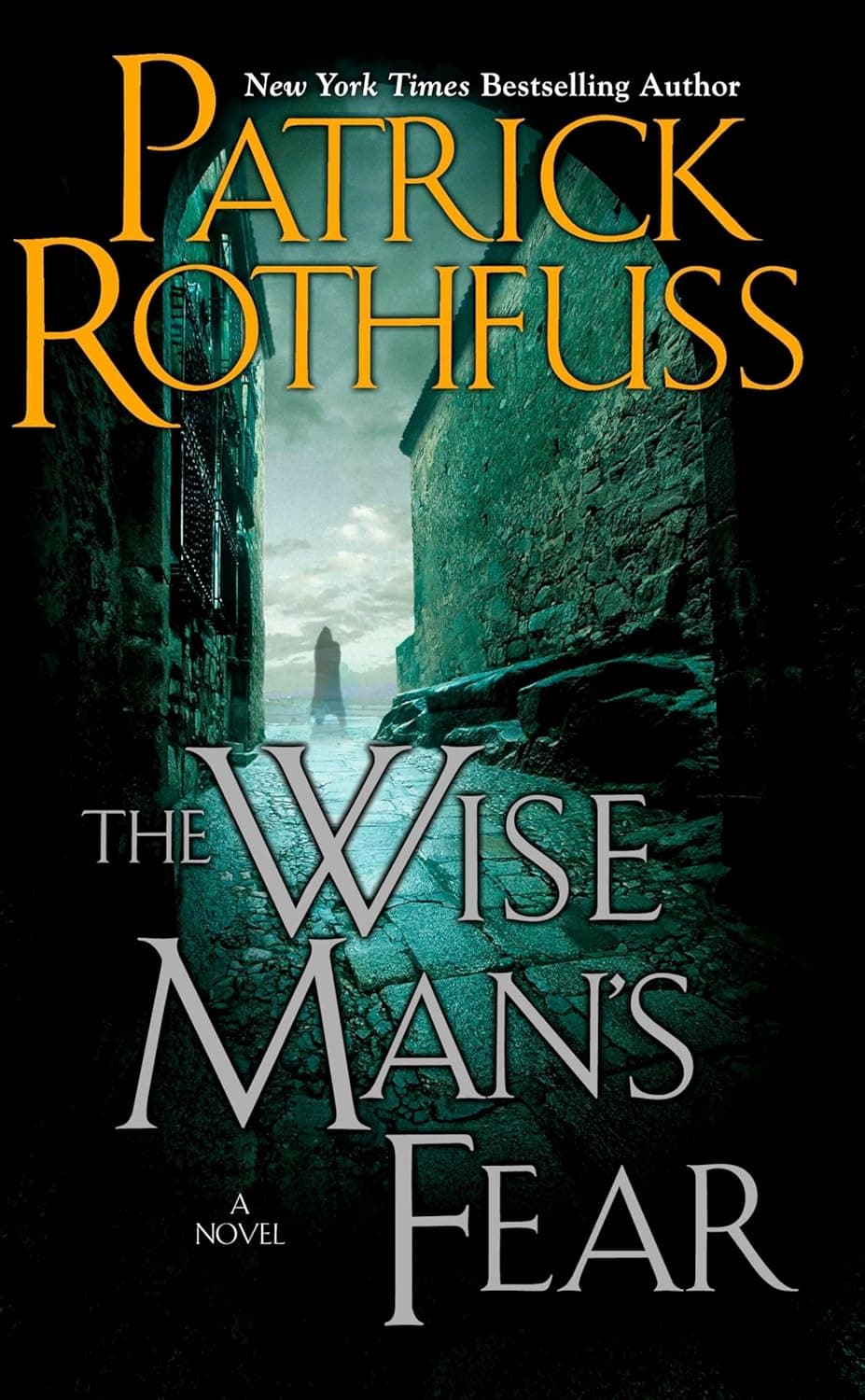
Should you read The Wise Man's Fear?
What works
The Maer, Adem, bandit hunt, music, and expanded magic reveal different social measures of competence and let the world breathe beyond the University.
What may not work for you
Sexual episodes are overextended, women remain filtered through Kvothe's exceptionalism, and the long detours produce little movement in the frame mystery.
What may test your patience
The Felurian sequence and later Adem training occupy an enormous middle stretch whose thematic rewards do not justify every repetition.
Does the ending reward the effort?
Individual journeys resolve, but the larger story advances too little for a volume of this size, making the close feel like return rather than arrival.
Reading The Wise Man's Fear closely
The Wise Man's Fear by Patrick Rothfuss follows a brilliant yet volatile hero who leaves the University to test his name in distant courts, shadowed forests, and seas ruled by mercenaries. It is the second Kingkiller Chronicle novel and widens the story into a journey that is equal parts legend building and hard lesson.
Kvothe leaves the University for the Maer's court, a bandit hunt, Felurian's realm, and Ademre. Each stop measures competence differently, which is more useful than simply proving he is brilliant again. Yet every culture still arrives through Kvothe's polished account, and the book rarely escapes his need to make experience part of his legend.
Rothfuss is best when writing music, craft, or a story told aloud. A cup of spiced wine and the sound of lute strings receive the same attention as sympathy or naming. The polish becomes less convincing when long sexual episodes and cultural explanations keep flattering Kvothe rather than testing him.
Kvothe can be generous, petty, protective, and careless inside a single chapter. Those contradictions should challenge his version of events, but the world too often confirms his exceptional skill. The gap between the ruined innkeeper in the frame and the hero telling his story remains more interesting than many individual triumphs.
The long middle will divide readers. Ademre gives discipline and language room to matter, but Felurian's domain and the sexual mythology around Kvothe run far beyond their value. The memorable episodes do not add up to enough movement in the frame story for a novel this large.
What stands out in The Wise Man's Fear
A travel arc that tests Kvothe in a court, a forest campaign, a fairy realm, and a culture unimpressed by his usual assumptions.
Sympathy, naming, and Ketan training impose different rules, limits, and ideas about what mastery means.
Rothfuss writes music and physical craft beautifully, though the novel repeatedly loses the larger story inside its detours.
Three useful comparisons
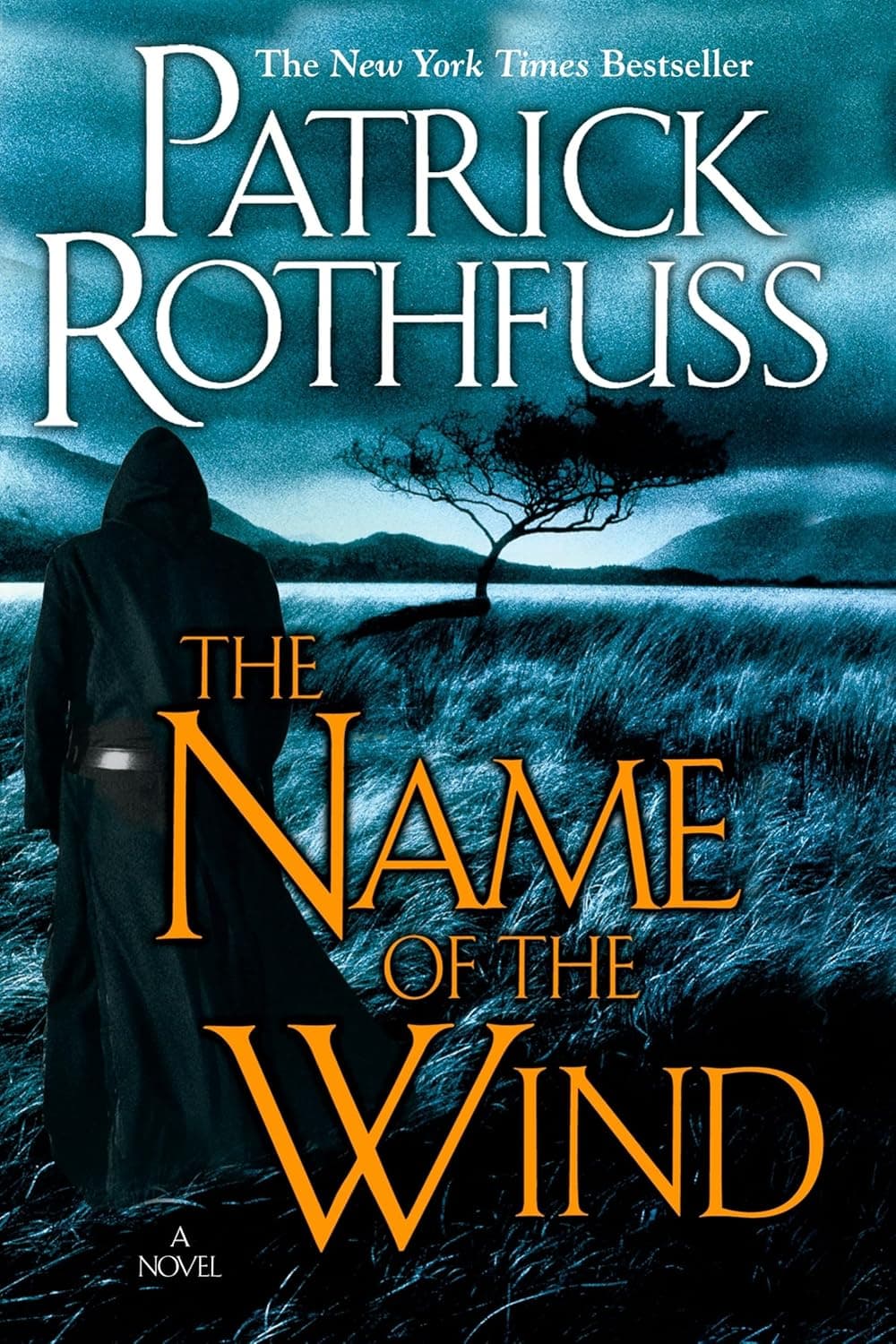
The Name of the Wind
The first book is tighter, more mysterious, and the essential starting point.
Best for: Choose it for musical prose, a university setting, magical study, and a gifted but questionable narrator. Skip it if an unfinished larger story will sour the experience.
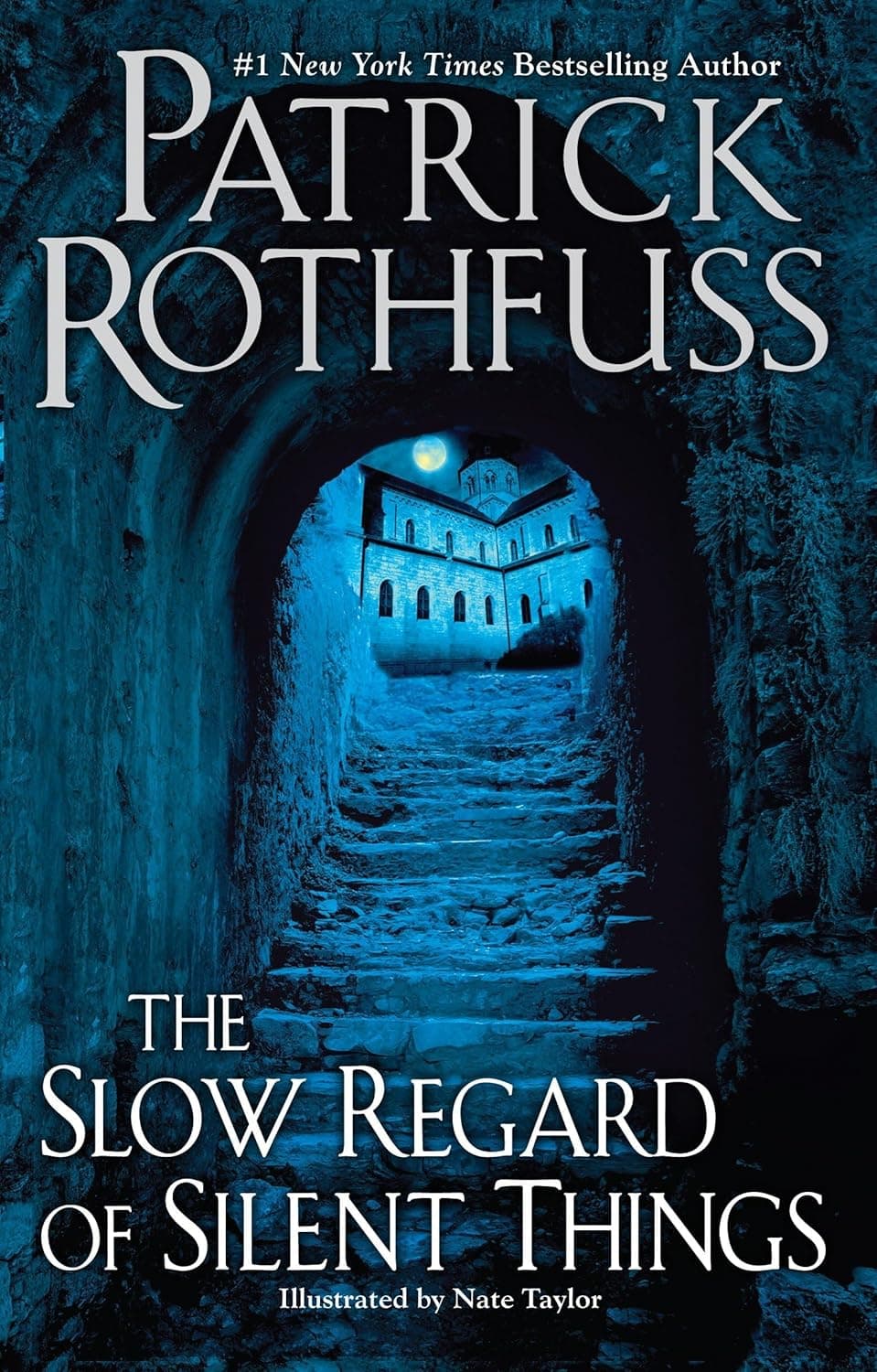
The Slow Regard of Silent Things
Slow Regard leaves Kvothe behind for a quiet, strange, highly sensory portrait of Auri.
Best for: Best for Kingkiller readers drawn specifically to Auri, lyrical interiority, ritual, and quiet experimental fantasy. Skip it if you need conventional plot, Kvothe's narration, or efficient forward movement through the Chronicle.
The Narrow Road Between Desires
Narrow Road gives Bast a compact tale with clearer moral shape and far less narrative sprawl.
Best for: Kingkiller readers wanting a compact Bast story with faerie bargains, village comedy, and ethical mischief.
Make the next decision
Reading and buying guides featuring The Wise Man's Fear
Series buying note
Would the collection be the better buy?
These are useful only when you want several books in the same run. The notes below spell out what each package includes and, just as importantly, what it leaves out.
Four-book paperback collection
Kingkiller Chronicle 4-Book Collection
The collection pairs Kvothe's two main novels with the Auri and Bast companion stories, which makes it a broad tour of the Four Corners rather than four consecutive saga volumes.
Included: The Name of the Wind, The Wise Man's Fear, The Slow Regard of Silent Things, The Narrow Road Between Desires
Our buying note: The central trilogy is still unfinished. Two books here are companion novellas, so this is for readers comfortable buying into an open-ended series.