What to read next
10 books like The Name of the Wind
Talent never feels free.
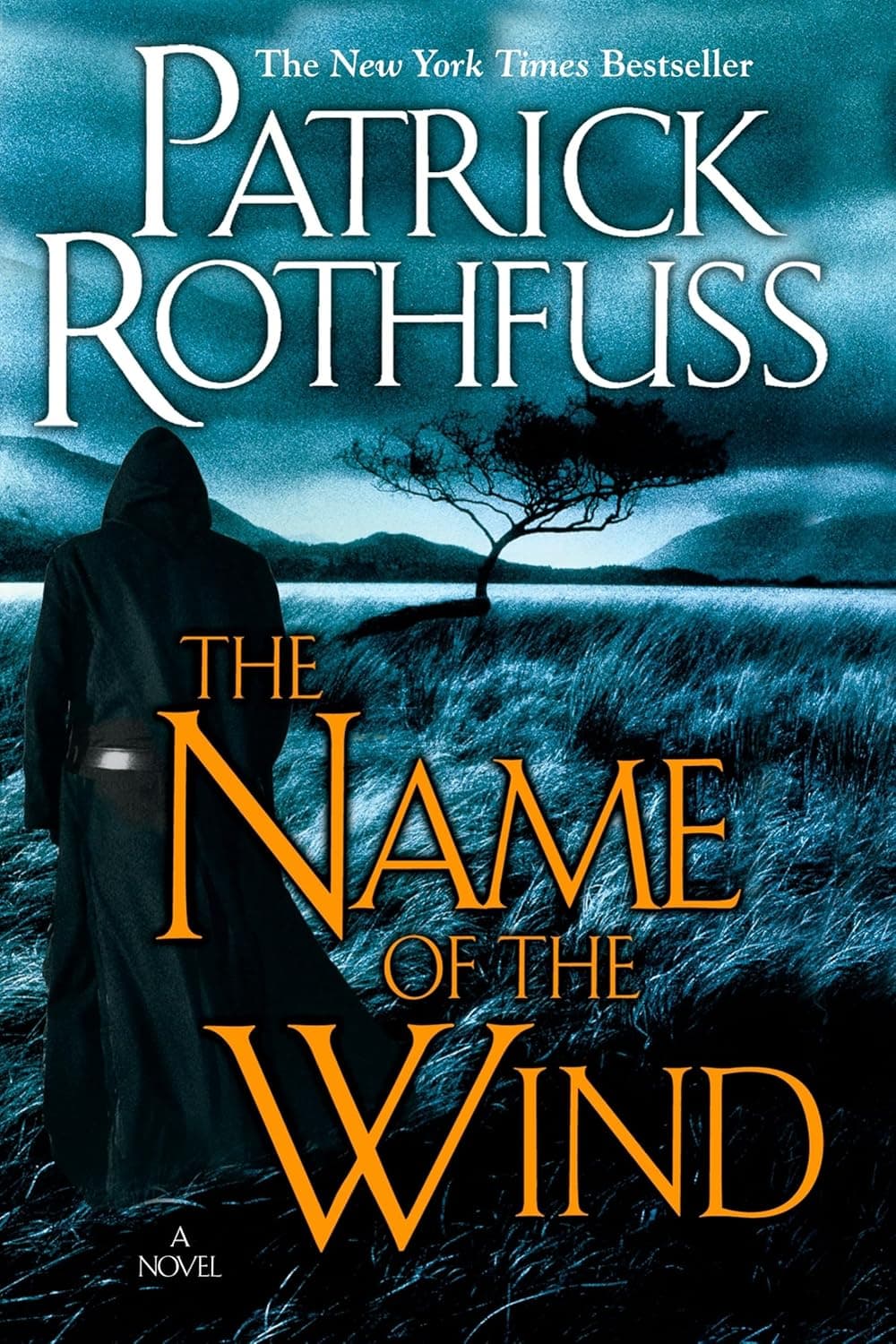
Read my review of The Name of the Wind by Patrick Rothfuss.
Best matches
Three strong places to start
If you only want three picks, start here.
Best overall
Fastest read
Best alternative
Choose by reading mood
Where to start
For the fastest pace
The Will of the Many
BalancedFor the gentlest option
Mistborn: The Final Empire
GentleFor minimal romance
The Slow Regard of Silent Things
MinimalFor the easiest entry
Harry Potter and the Goblet of Fire
AccessibleThe full shortlist
Why each book belongs here
See what each pick shares with The Name of the Wind, and where it goes in a different direction.
Continue the series
1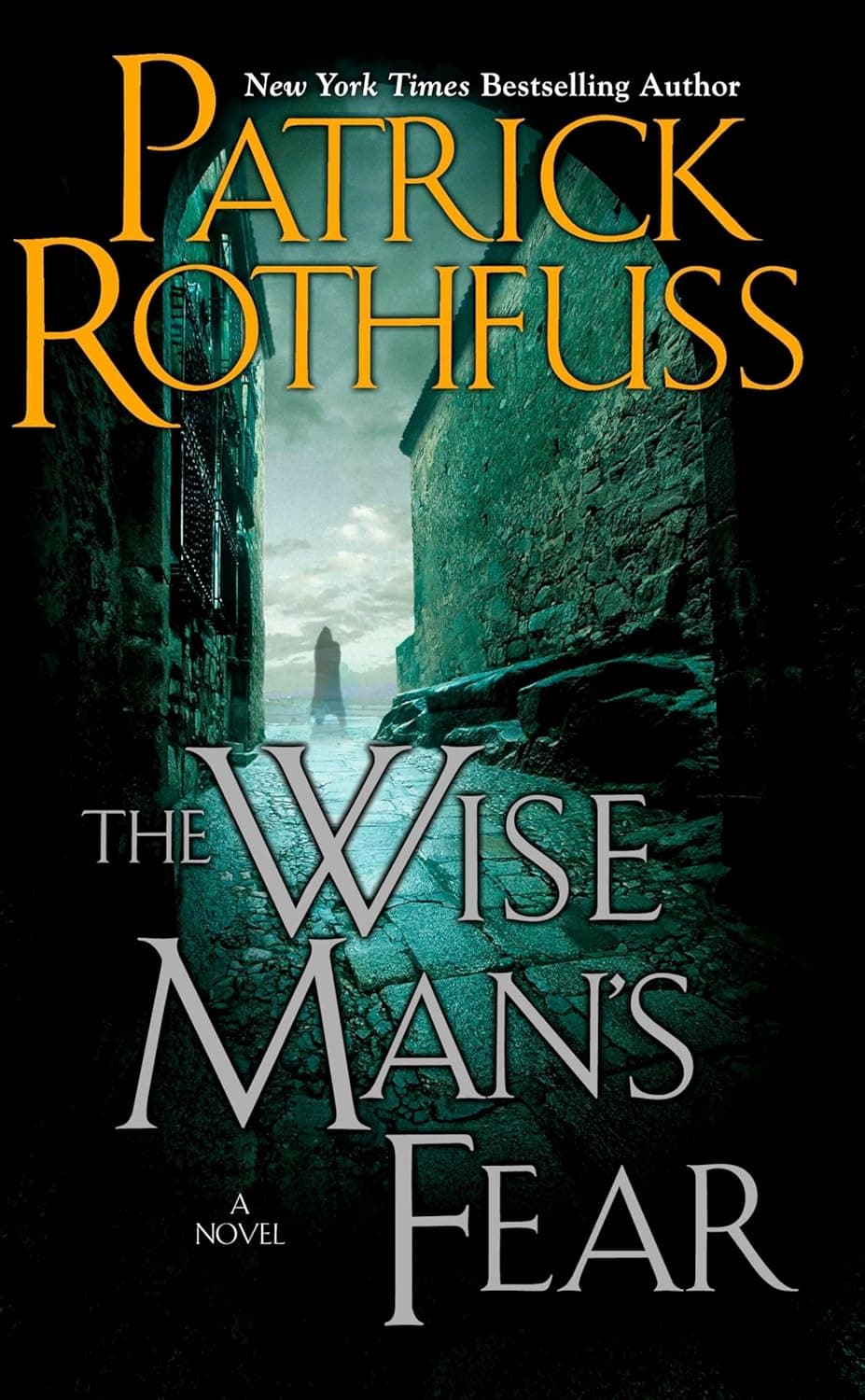
The Wise Man's Fear
- Pace
- Balanced
- Darkness
- Gentle
- Romance
- Minimal
- Difficulty
- Accessible
Why this matches
- Similar because
- The Wise Man's Fear continues Kvothe's own account as music, money, magic, reputation, and dangerous self-confidence carry him beyond the University.
- Different because
- The Wise Man's Fear expands the world and Kvothe's legend but magnifies pacing and self-mythologizing problems.
Alternatives to The Name of the Wind
2
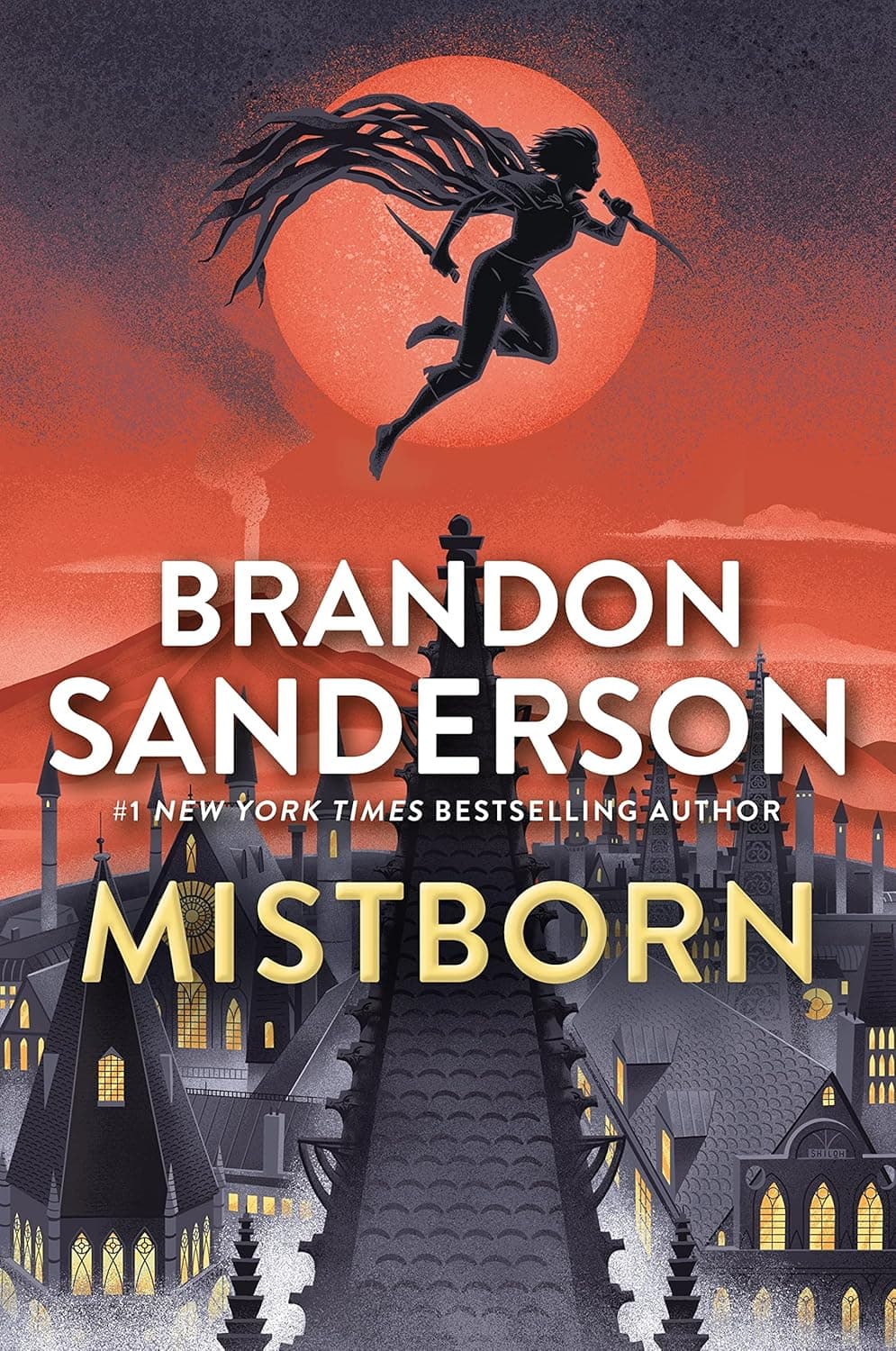
Mistborn: The Final Empire
- Pace
- Balanced
- Darkness
- Gentle
- Romance
- Minimal
- Difficulty
- Accessible
Why this matches
- Similar because
- Mistborn: The Final Empire also makes magical talent something learned through rules, practice, and costly mistakes. Vin's training is tied to trust and survival rather than to brilliance alone.
- Different because
- Mistborn offers cleaner rules, stronger plot payoff, and a more balanced ensemble in plainer prose.
3
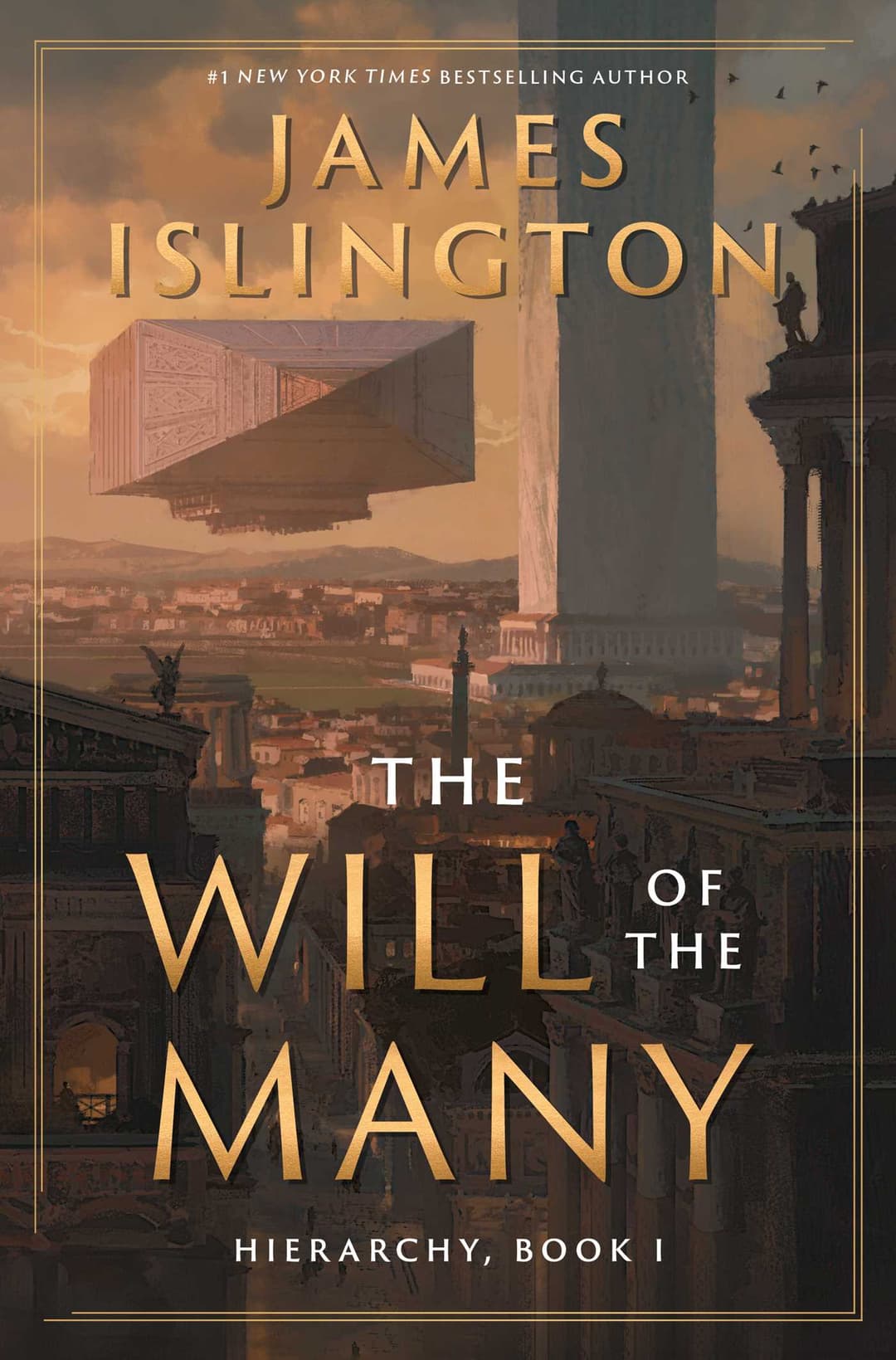
The Will of the Many
- Pace
- Balanced
- Darkness
- Gentle
- Romance
- Minimal
- Difficulty
- Accessible
Why this matches
- Similar because
- The Will of the Many sends another gifted young man with a hidden past into an elite school. Study, rivalry, money, and institutional secrets make academic success politically dangerous.
- Different because
- The Will of the Many delivers a faster academy plot, sharper political pressure, and a less ornate first-person voice.
4
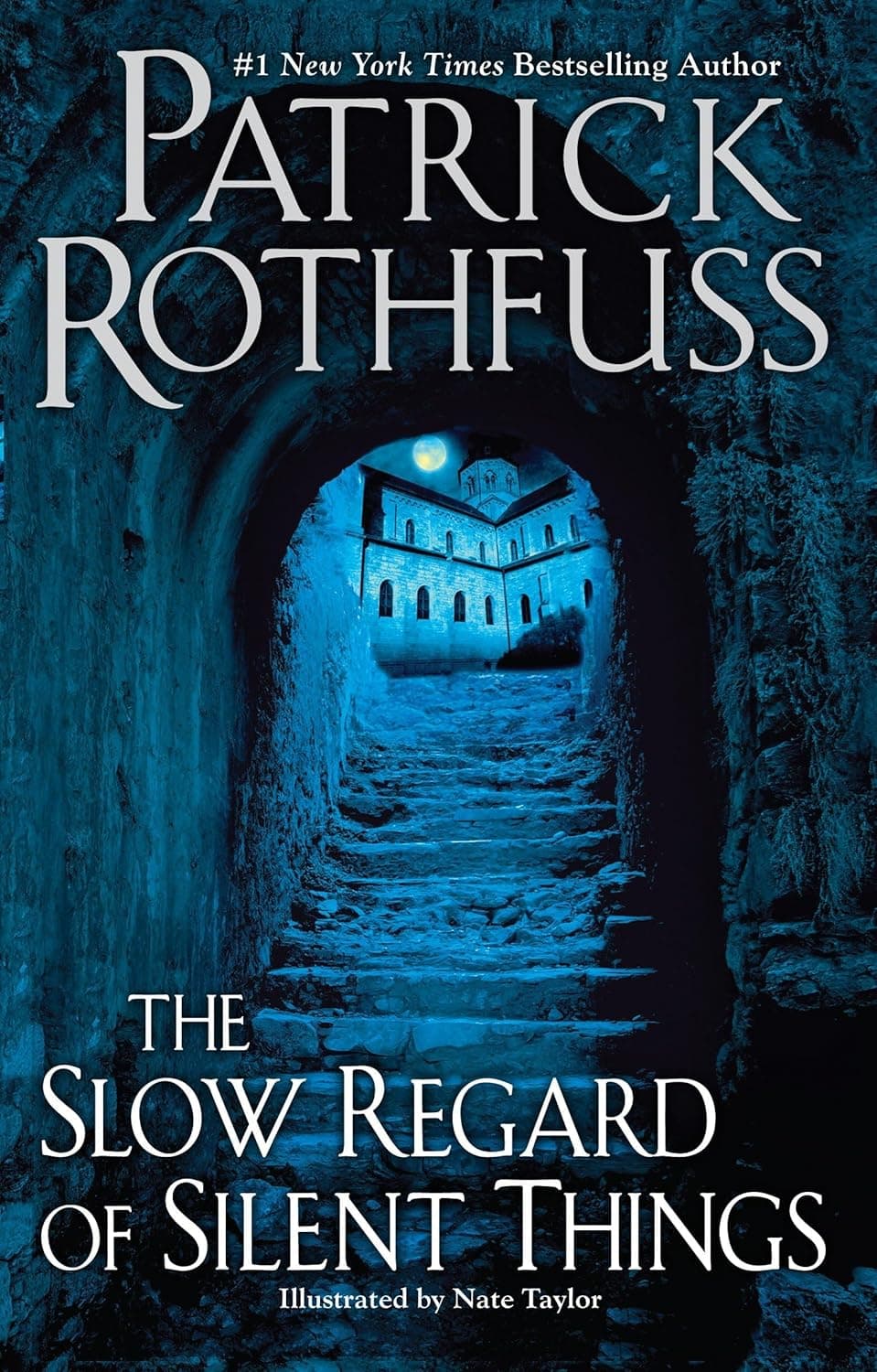
The Slow Regard of Silent Things
- Pace
- Balanced
- Darkness
- Gentle
- Romance
- Minimal
- Difficulty
- Accessible
Why this matches
- Similar because
- The Slow Regard of Silent Things returns to the University's hidden spaces through Auri, whose rituals and attention to objects reveal a quieter magic than Kvothe can perceive.
5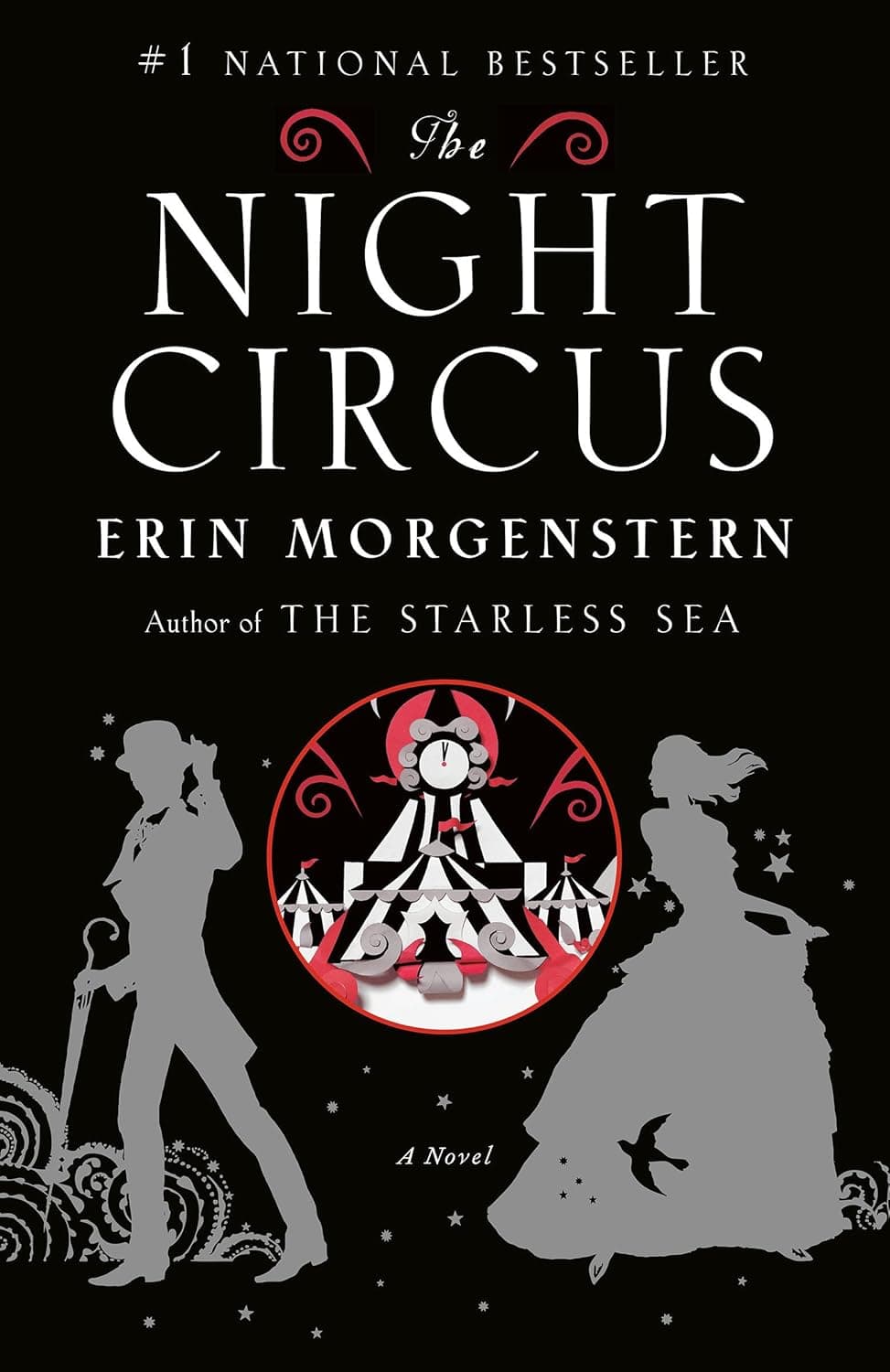
The Night Circus
- Pace
- Balanced
- Darkness
- Gentle
- Romance
- Minimal
- Difficulty
- Accessible
Why this matches
- Similar because
- The Night Circus also treats magic as a practiced art whose performance can become rivalry, seduction, and reputation. Its most persuasive worldbuilding arrives through the texture of places people create.
6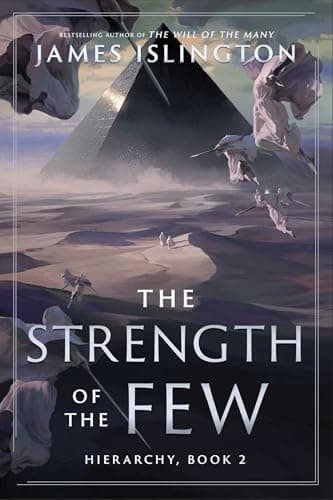
The Strength of the Few
- Pace
- Balanced
- Darkness
- Gentle
- Romance
- Minimal
- Difficulty
- Moderate
Why this matches
- Similar because
- The Strength of the Few keeps a brilliant student inside a political mystery that grows far beyond one academy. Knowledge increases the burden of deciding which account of the world can be trusted.
7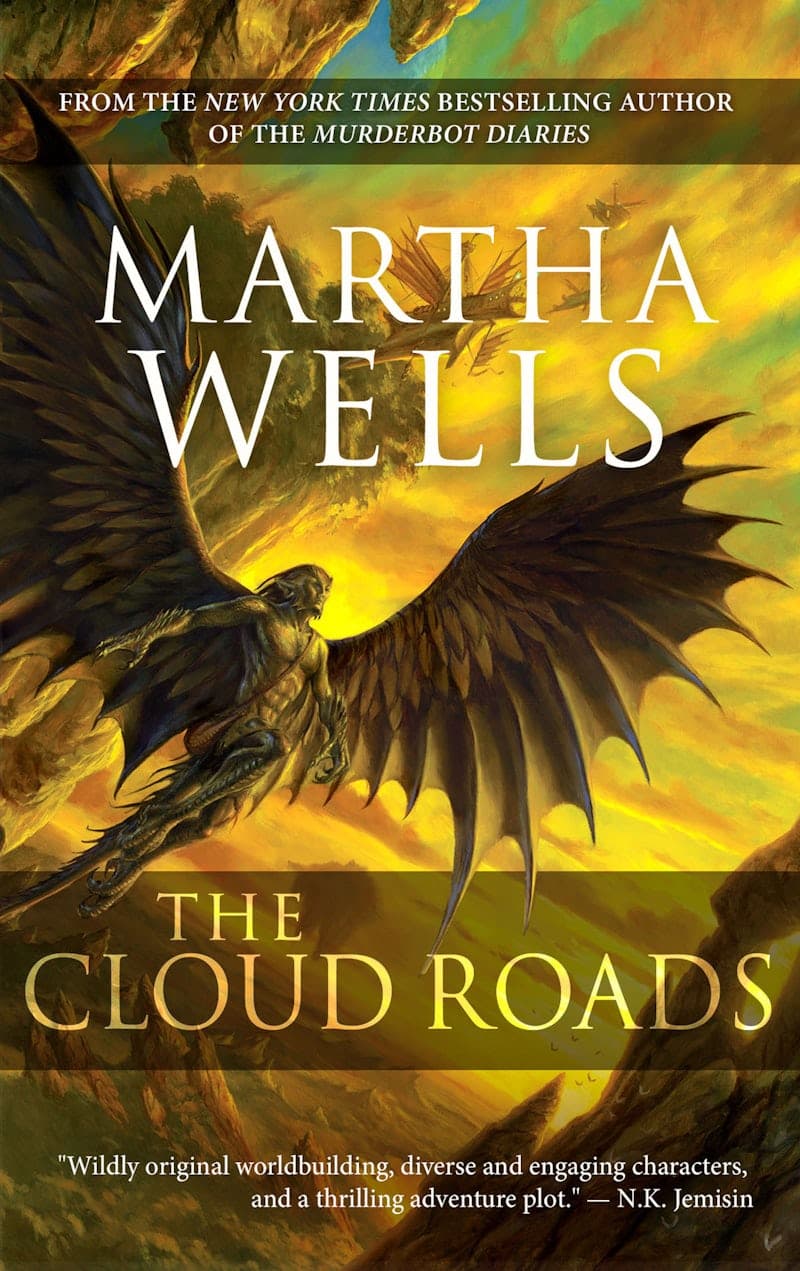
The Cloud Roads
- Pace
- Balanced
- Darkness
- Gentle
- Romance
- Minimal
- Difficulty
- Accessible
Why this matches
- Similar because
- The Cloud Roads pairs a wary outsider with a culture he must learn without surrendering the habits that kept him alive. Moon and Kvothe are observant survivors whose need to belong makes every mistake matter.
8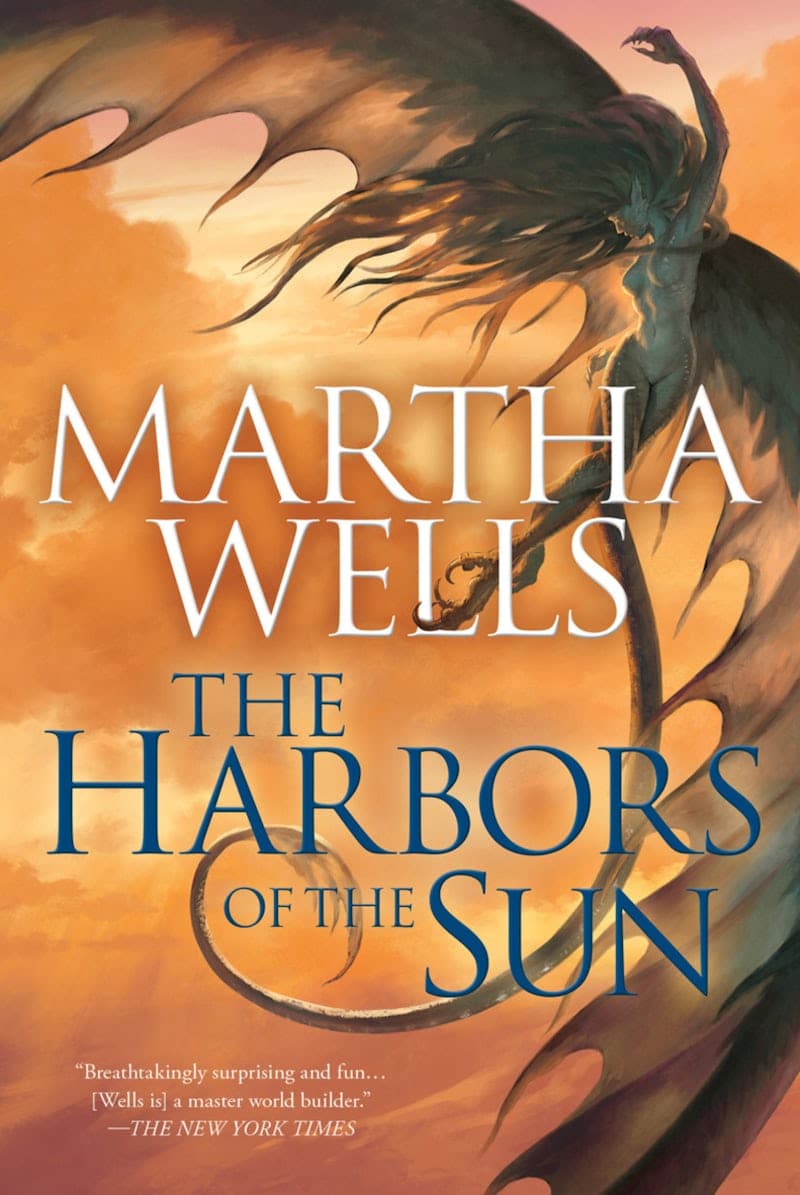
The Harbors of the Sun
- Pace
- Balanced
- Darkness
- Gentle
- Romance
- Minimal
- Difficulty
- Accessible
Why this matches
- Similar because
- The Harbors of the Sun makes travel, old knowledge, and alliances across distinct cultures part of an urgent rescue. Like Kvothe's world, the Three Worlds feels larger than the route one hero can explain.
9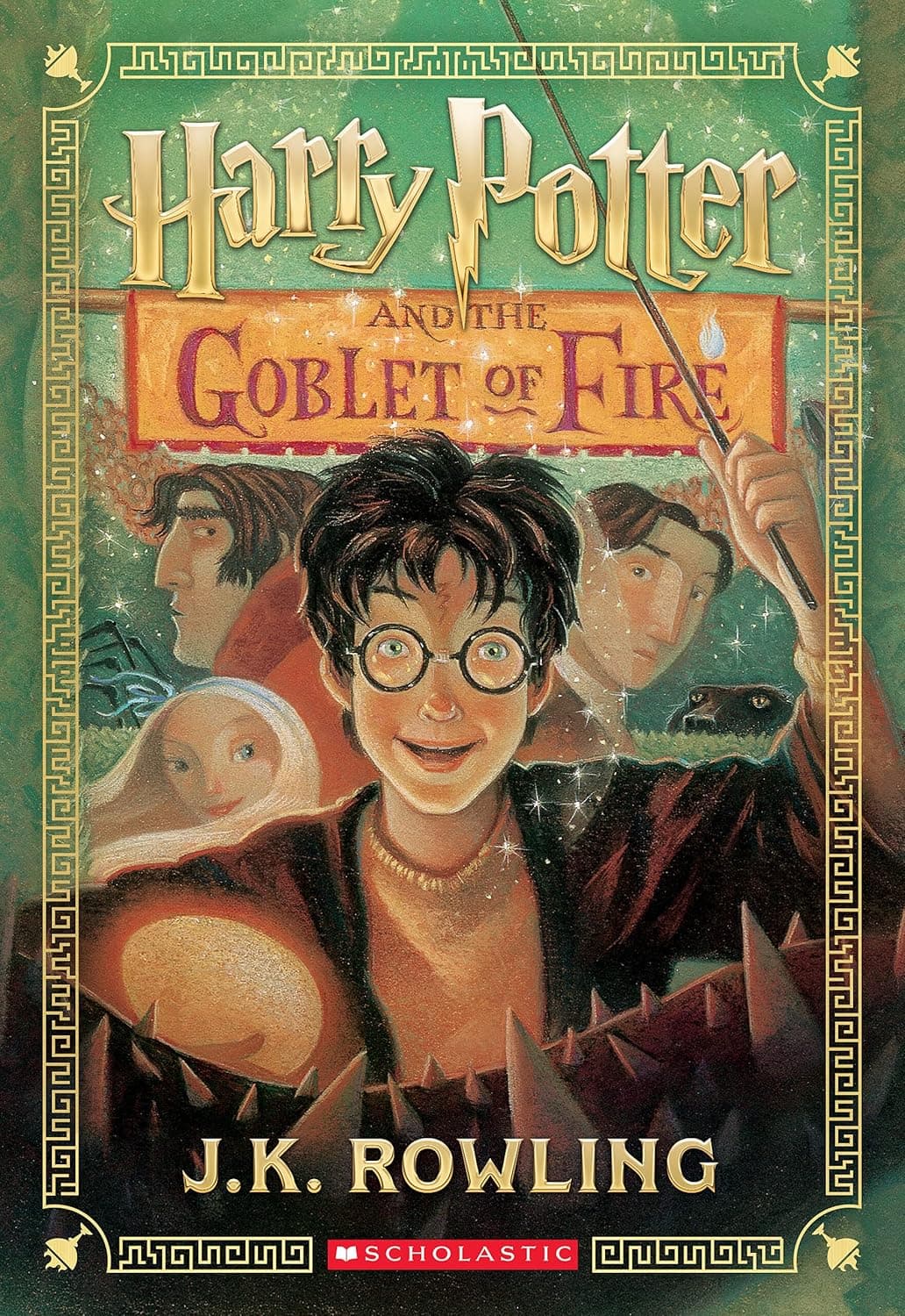
Harry Potter and the Goblet of Fire
- Pace
- Balanced
- Darkness
- Moderate
- Romance
- Minimal
- Difficulty
- Accessible
Why this matches
- Similar because
- Harry Potter and the Goblet of Fire also puts a famous student through public magical trials while rumor, money, school rivalries, and an unseen adult plan shape the contest around him.
10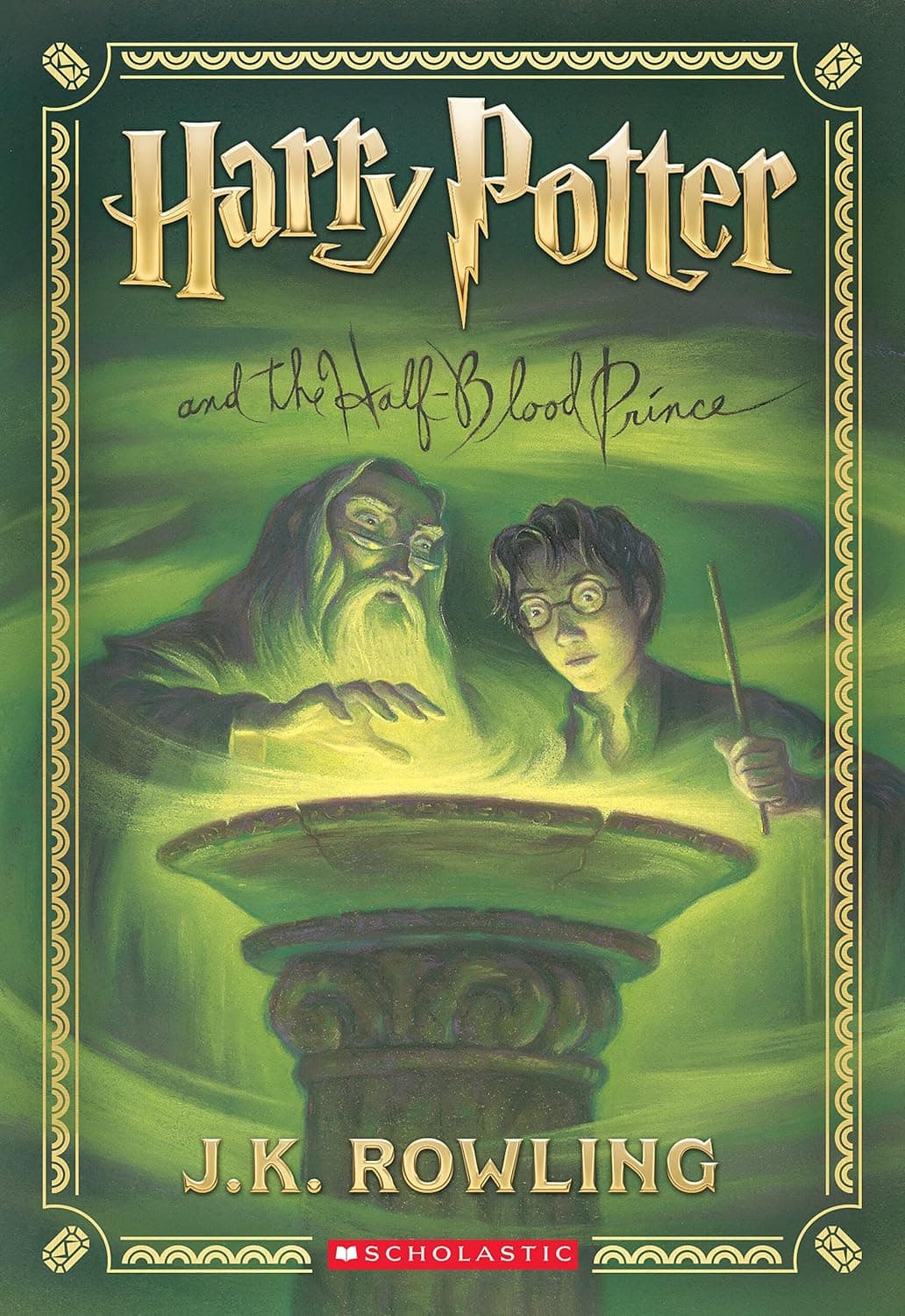
Harry Potter and the Half-Blood Prince
- Pace
- Balanced
- Darkness
- Moderate
- Romance
- Minimal
- Difficulty
- Moderate
Why this matches
- Similar because
- Harry Potter and the Half-Blood Prince ties magical education to an old book, disputed identity, and the reconstruction of a dangerous man's past. School achievement keeps opening onto a larger catastrophe.
Side-by-side
Pace, darkness, romance, and difficulty
| Book | Pace | Darkness | Romance | Difficulty |
|---|---|---|---|---|
| The Name of the Wind | Balanced | Moderate | Minimal | Accessible |
| The Wise Man's Fear | Balanced | Gentle | Minimal | Accessible |
| Mistborn: The Final Empire | Balanced | Gentle | Minimal | Accessible |
| The Will of the Many | Balanced | Gentle | Minimal | Accessible |
| The Slow Regard of Silent Things | Balanced | Gentle | Minimal | Accessible |
| The Night Circus | Balanced | Gentle | Minimal | Accessible |
| The Strength of the Few | Balanced | Gentle | Minimal | Moderate |
| The Cloud Roads | Balanced | Gentle | Minimal | Accessible |
| The Harbors of the Sun | Balanced | Gentle | Minimal | Accessible |
| Harry Potter and the Goblet of Fire | Balanced | Moderate | Minimal | Accessible |
| Harry Potter and the Half-Blood Prince | Balanced | Moderate | Minimal | Moderate |
Keep exploring
Explore another Books Like guide
Pick another book you know and see what to read next.