What to read next
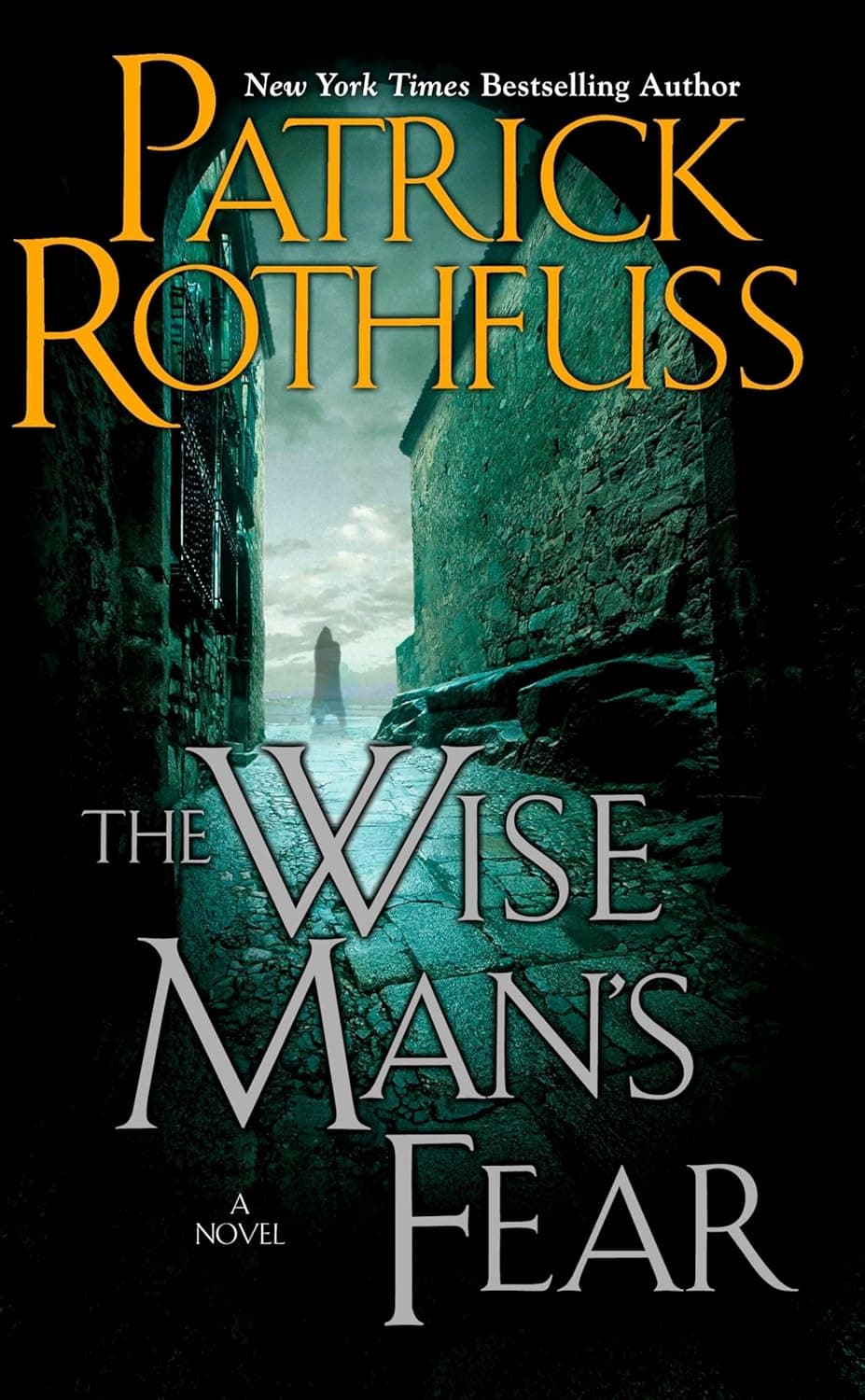
10 books like The Wise Man's Fear
The Maer, Adem, bandit hunt, music, and expanded magic reveal different social measures of competence and let the world breathe beyond the University. If that is what you want more of after The Wise Man's Fear, these recommendations preserve that appeal in different ways, without pretending every similar book offers the same experience.
Start with our The Wise Man's Fear review by Patrick Rothfuss.

Choose by reading mood
Where to start
For the fastest read
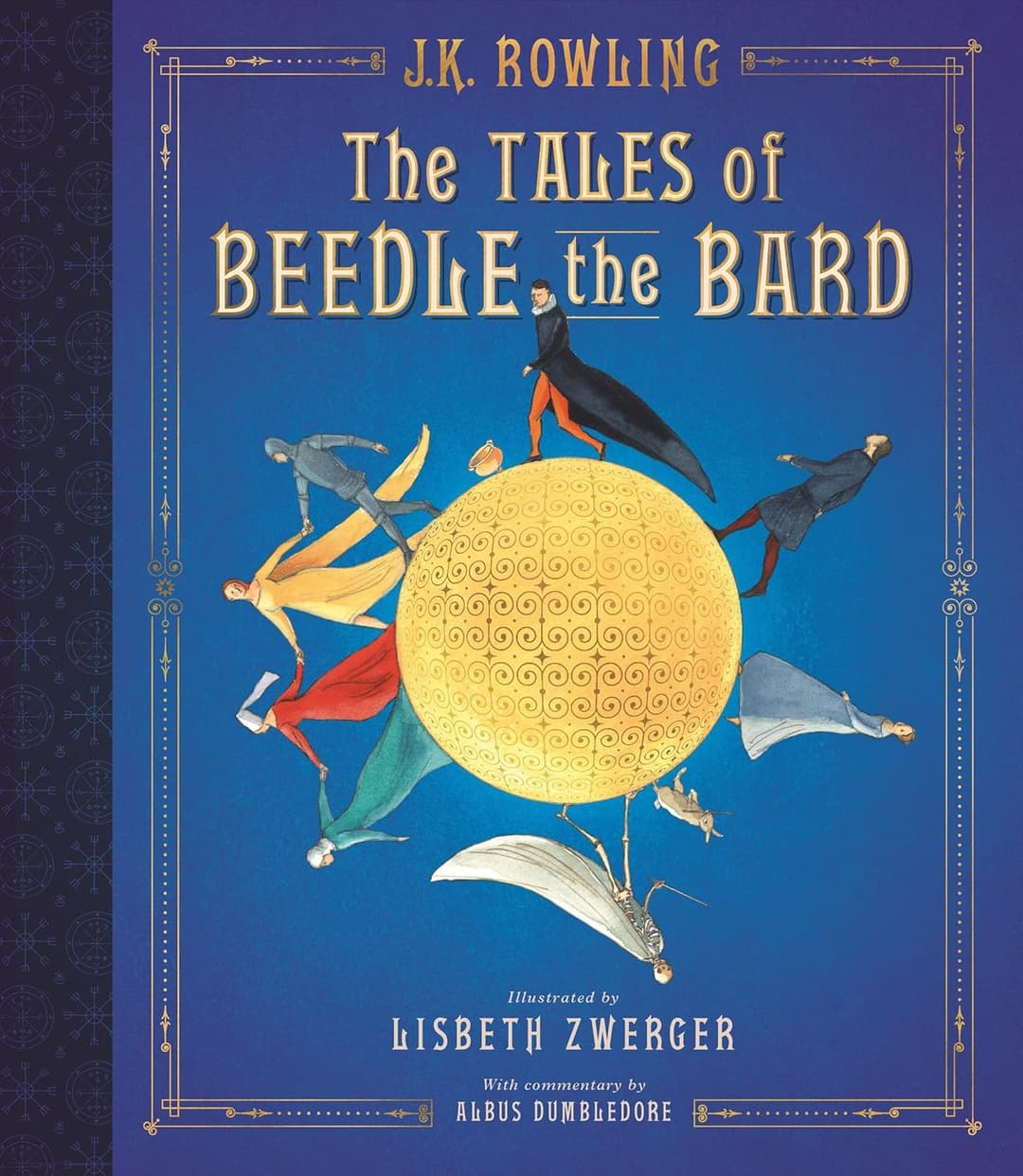
The Tales of Beedle the Bard
BalancedFor the gentlest option
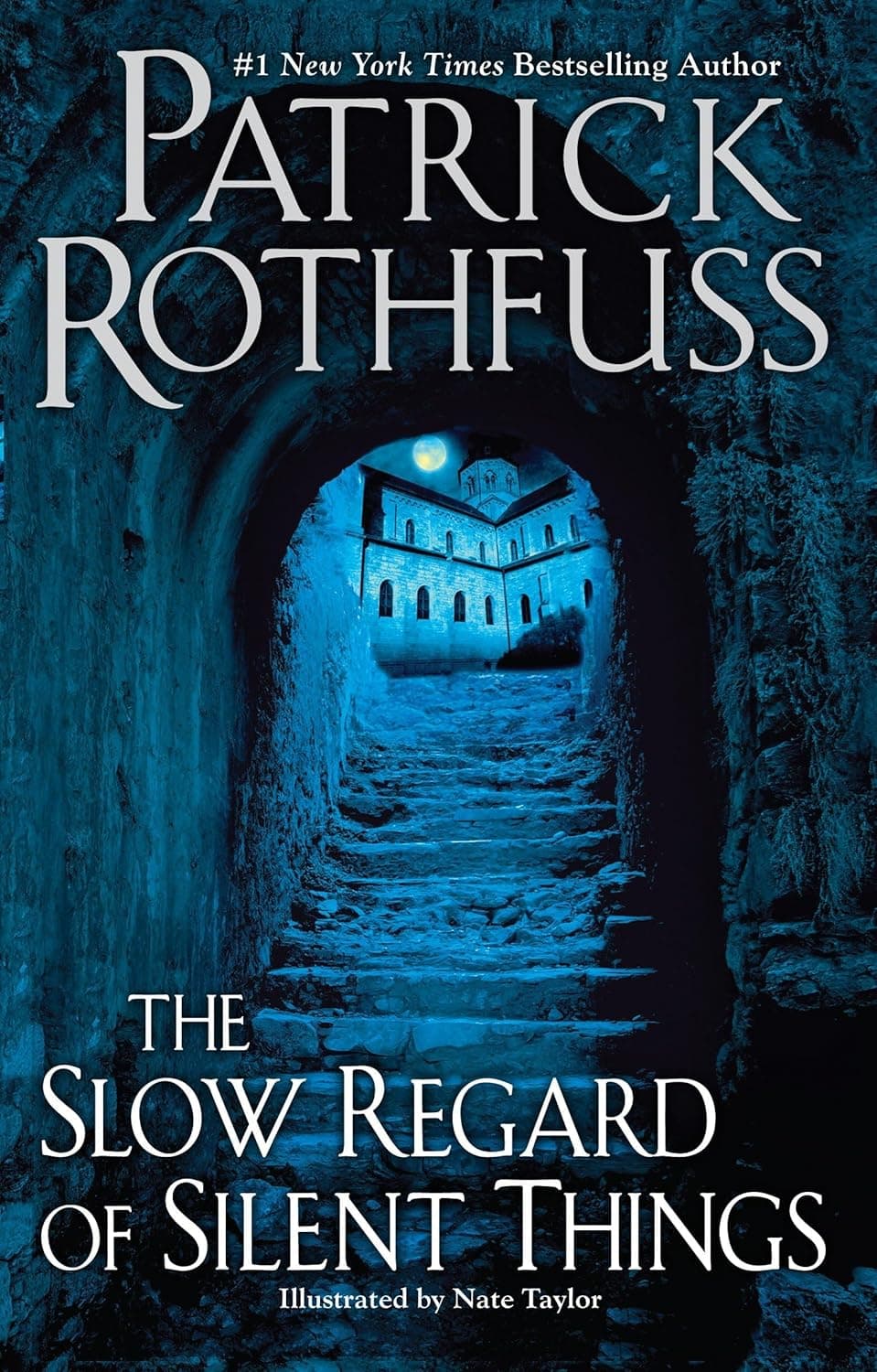
The Slow Regard of Silent Things
GentleFor minimal romance
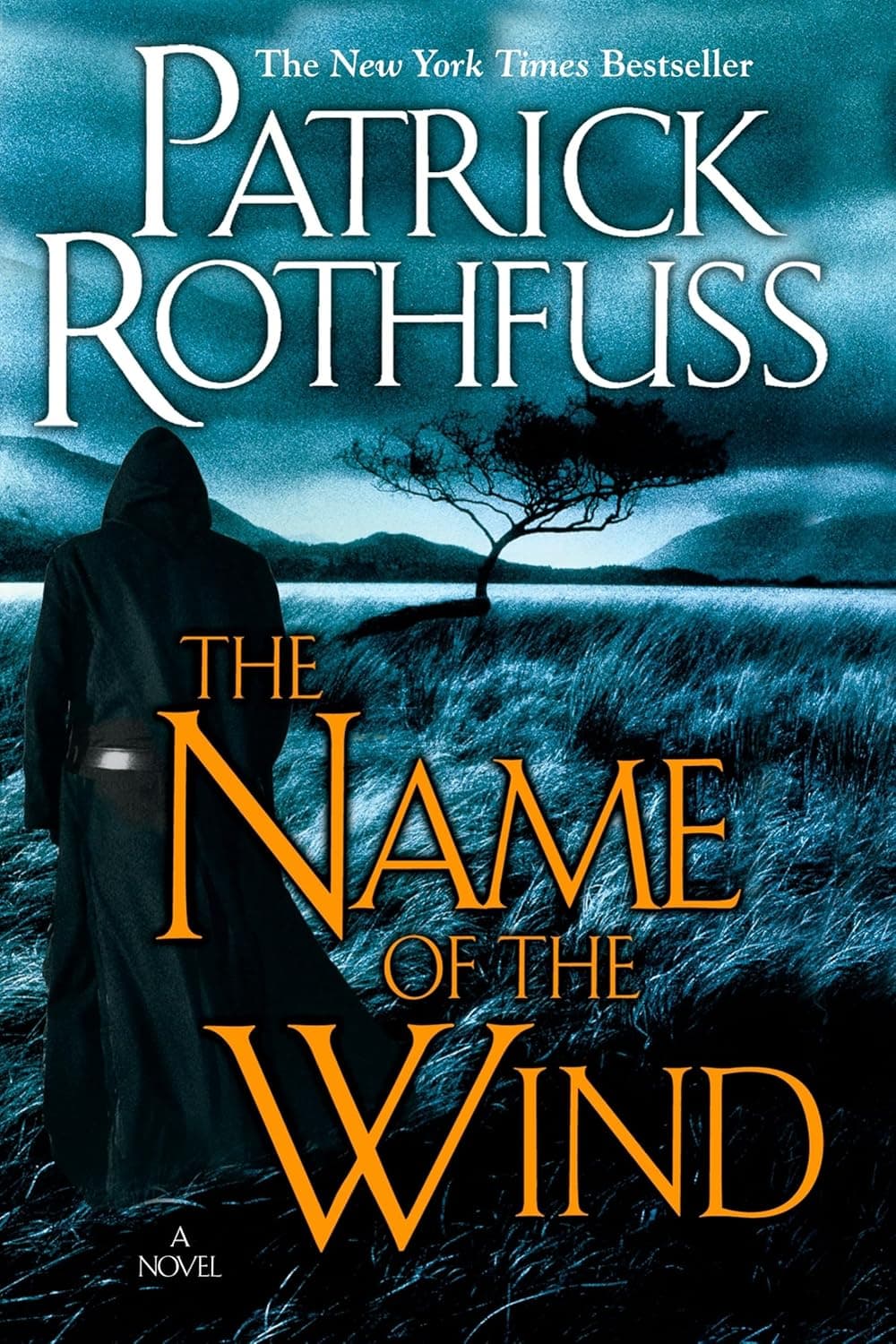
The Name of the Wind
MinimalFor the easiest entry
Harry Potter and the Philosopher's Stone
AccessibleThe full shortlist
Why each book belongs here
Each match is judged against The Wise Man's Fear, not merely placed beside it because the books share a broad genre label.
The Name of the Wind
- Shared ground
- Both books make observation, missing information, and the search for an explanation part of the pleasure.
- What changes
- The first book is tighter, more mysterious, and the essential starting point.
- Best for
- Readers wanting lyrical fantasy, music, magical education, an exceptionally gifted narrator, and slow-burn mystery.
- Pace Balanced
- Darkness Moderate
- Romance Minimal
- Difficulty Accessible
The Slow Regard of Silent Things
- Shared ground
- Both books come from Patrick Rothfuss, and they use impossible worlds and supernatural pressure to test their characters.
- What changes
- Slow Regard leaves Kvothe behind for a quiet, strange, highly sensory portrait of Auri.
- Best for
- Kingkiller readers drawn specifically to Auri, lyrical interiority, ritual, and quiet experimental fantasy.
- Pace Balanced
- Darkness Gentle
- Romance Minimal
- Difficulty Accessible
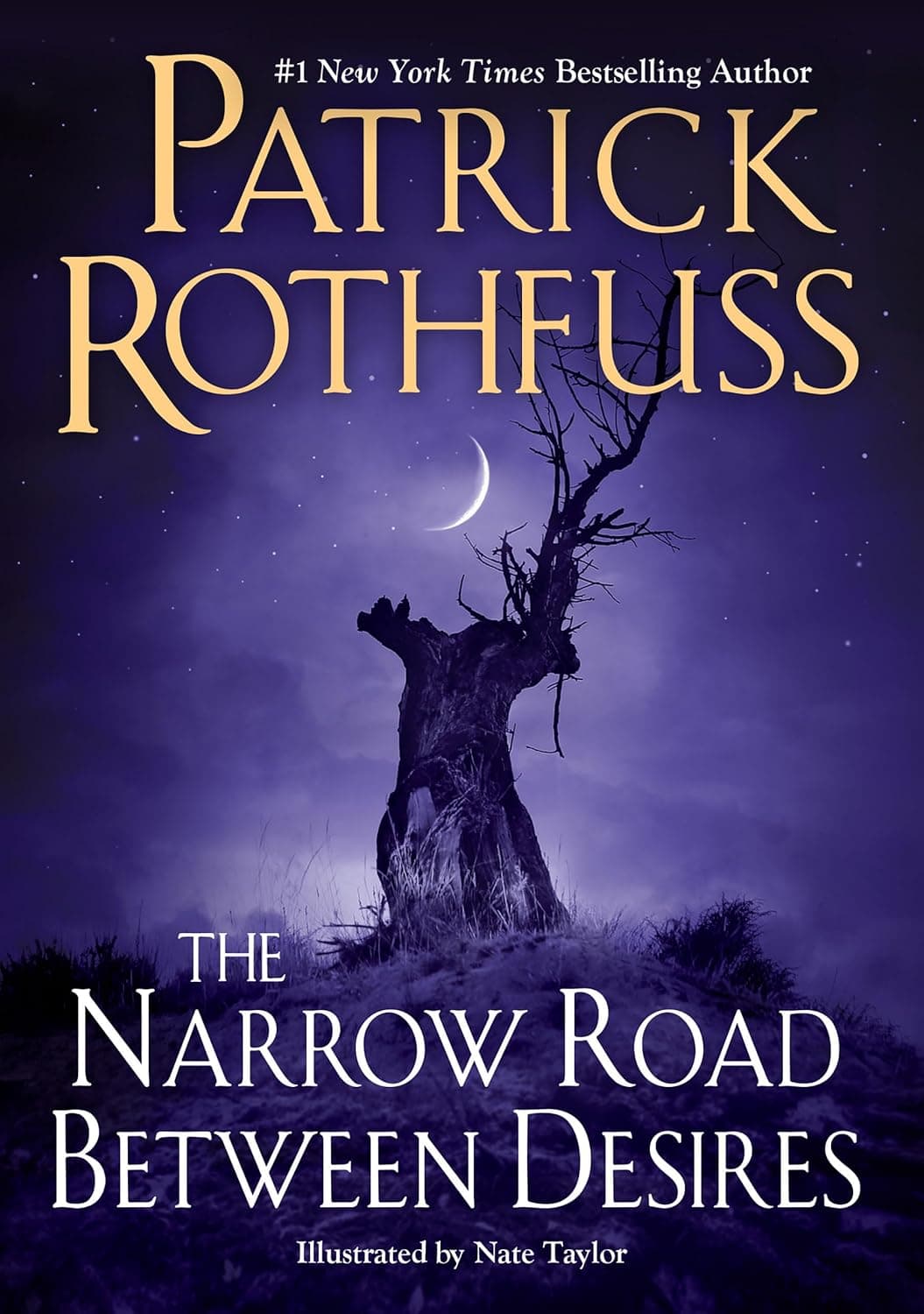
The Narrow Road Between Desires
- Shared ground
- Both books come from Patrick Rothfuss, and they use impossible worlds and supernatural pressure to test their characters.
- What changes
- Narrow Road gives Bast a compact tale with clearer moral shape and far less narrative sprawl.
- Best for
- Kingkiller readers wanting a compact Bast story with faerie bargains, village comedy, and ethical mischief.
- Pace Balanced
- Darkness Gentle
- Romance Minimal
- Difficulty Accessible
The Tales of Beedle the Bard
- Shared ground
- Both books treat art, music, or storytelling as an active way of understanding the world.
- What changes
- The Tales of Beedle the Bard is easier to enter than The Wise Man's Fear. Each tale has a distinct moral mechanism, and Dumbledore's notes complicate the apparent lesson through history, censorship, or social context.
- Best for
- Harry Potter readers wanting short magical folktales, moral ambiguity, and an in-world artifact with genuine narrative value.
- Pace Balanced
- Darkness Gentle
- Romance Minimal
- Difficulty Accessible
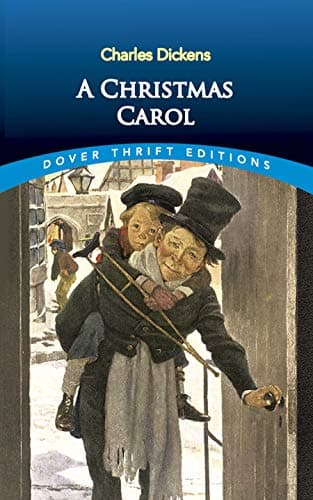
A Christmas Carol
- Shared ground
- Both books treat art, music, or storytelling as an active way of understanding the world.
- What changes
- A Christmas Carol has a similar overall reading load, but changes the emphasis. The book turns an argument about generosity into a physical experience.
- Best for
- Newcomers to Dickens, families comfortable with ghostly imagery, and rereaders who want more social anger than most adaptations preserve.
- Pace Balanced
- Darkness Gentle
- Romance Minimal
- Difficulty Moderate
Harry Potter and the Philosopher's Stone
- Shared ground
- Both books make observation, missing information, and the search for an explanation part of the pleasure.
- What changes
- Harry Potter and the Philosopher's Stone is easier to enter than The Wise Man's Fear. Diagon Alley, the train, houses, classes, and Quidditch make entry into the magical world a sequence of concrete pleasures rather than one exposition dump.
- Best for
- Children, families, and adults wanting accessible school fantasy, friendship, mystery, and a strong sense of discovery.
- Pace Balanced
- Darkness Gentle
- Romance Minimal
- Difficulty Accessible
The Silmarillion
- Shared ground
- Both books treat art, music, or storytelling as an active way of understanding the world.
- What changes
- The Silmarillion is more measured and more demanding than The Wise Man's Fear. Recurring jewels, oaths, names, lineages, and doomed refuges create cumulative tragedy, while the creation music gives conflict a metaphysical shape without making evil necessary.
- Best for
- Committed Middle-earth readers who enjoy mythology, tragic history, invented languages, and repeated reading more than conventional character access.
- Pace Measured
- Darkness Gentle
- Romance Minimal
- Difficulty Moderate
Harry Potter and the Deathly Hallows
- Shared ground
- Both books make observation, missing information, and the search for an explanation part of the pleasure.
- What changes
- Harry Potter and the Deathly Hallows has a similar overall reading load, but changes the emphasis. Removing the trio from Hogwarts tests their friendship without institutional shelter, and the final revelations reframe loyalty, sacrifice, and the pursuit of power.
- Best for
- Readers who have completed the series and want war, sacrifice, revelations, and a definitive conclusion rather than another school year.
- Pace Balanced
- Darkness Gentle
- Romance Minimal
- Difficulty Accessible
Harry Potter and the Chamber of Secrets
- Shared ground
- Both books make observation, missing information, and the search for an explanation part of the pleasure.
- What changes
- Harry Potter and the Chamber of Secrets is easier to enter than The Wise Man's Fear. The attacks, voices in the walls, diary, and school history form a satisfying trail, while fear changes how familiar corridors and friendships feel.
- Best for
- Readers continuing the series who want a darker Hogwarts mystery with monsters, school history, and friendship under suspicion.
- Pace Balanced
- Darkness Gentle
- Romance Minimal
- Difficulty Accessible
Daughter of Crows
- Shared ground
- Both books make observation, missing information, and the search for an explanation part of the pleasure.
- What changes
- Daughter of Crows is darker than The Wise Man's Fear. Rue's competence carries guilt and reflexive violence rather than effortless glamour, and the Academy of Kindness turns institutional euphemism into a memorable source of dread.
- Best for
- Dark-fantasy readers wanting an adult survivor, coercive training, revenge, moral compromise, graphic violence, and a new series that does not require earlier Lawrence novels.
- Pace Balanced
- Darkness Moderate
- Romance Minimal
- Difficulty Accessible
Side-by-side
Pace, darkness, romance, and difficulty
Use these labels as directional guidance. The individual notes above explain the tradeoffs.
| Book | Pace | Darkness | Romance | Difficulty |
|---|---|---|---|---|
| The Wise Man's Fear | Balanced | Gentle | Minimal | Accessible |
| The Name of the Wind | Balanced | Moderate | Minimal | Accessible |
| The Slow Regard of Silent Things | Balanced | Gentle | Minimal | Accessible |
| The Narrow Road Between Desires | Balanced | Gentle | Minimal | Accessible |
| The Tales of Beedle the Bard | Balanced | Gentle | Minimal | Accessible |
| A Christmas Carol | Balanced | Gentle | Minimal | Moderate |
| Harry Potter and the Philosopher's Stone | Balanced | Gentle | Minimal | Accessible |
| The Silmarillion | Measured | Gentle | Minimal | Moderate |
| Harry Potter and the Deathly Hallows | Balanced | Gentle | Minimal | Accessible |
| Harry Potter and the Chamber of Secrets | Balanced | Gentle | Minimal | Accessible |
| Daughter of Crows | Balanced | Moderate | Minimal | Accessible |
Keep exploring
Explore another Books Like guide
Start from another familiar book and compare a new set of reading paths.