Fantasy recommendations
Fantasy without romance: eight story-first recommendations
No romantic triangle, no courtship disguised as the main plot, and no promise that every page is emotionally sterile. These books keep adventure, friendship, duty, or family at the center.
Best starting point
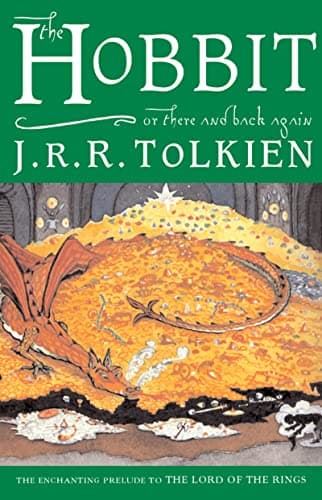
Start with The Hobbit for adventure or A Wizard's Guide to Defensive Baking for warmth
The Hobbit is the most durable answer when you want a complete journey whose central relationships are companionship, courage, and home. A Wizard's Guide to Defensive Baking is lighter on its feet and follows a young baker learning what small, practical magic can do during a civic crisis. Neither uses a romantic arc as the reward for its protagonist.
'No romance' can mean several things. Some people want no romantic content at all. Others are fine with a passing marriage, an old attachment, or minor flirtation as long as courtship does not drive the plot. The books below use that second definition: romance is absent or peripheral, never the main reason the protagonist acts or the reader turns the page.
That distinction matters with Nettle & Bone, which contains a modest late connection but spends its real energy on an abusive royal marriage, a rescue mission, female friendship and the messy logistics of fairy-tale heroism. The notes identify those exceptions. The Hobbit and Illuminations have no courtship plot; The Silmarillion contains love stories within a wider mythic history.
The choices
Eight fantasy books where romance stays out of the driver's seat
The selections move from broadly accessible adventure toward darker, stranger, and more mythic material. Each recommendation names the relationship or question that actually carries the story.
1
The Hobbit
Best overall
Bilbo leaves a comfortable home to join thirteen dwarves and a wizard on a journey toward a dragon's hoard. The book cares about hospitality, greed, courage, riddles, and the cost of returning changed. Companionship can be prickly, but it is the social heart of the journey. There is no courtship plot competing for space.
The complete quest keeps returning to home, courage and the costs of greed. Songs and storyteller interruptions give the adventure its rhythm, while companionship carries the emotional movement.
2
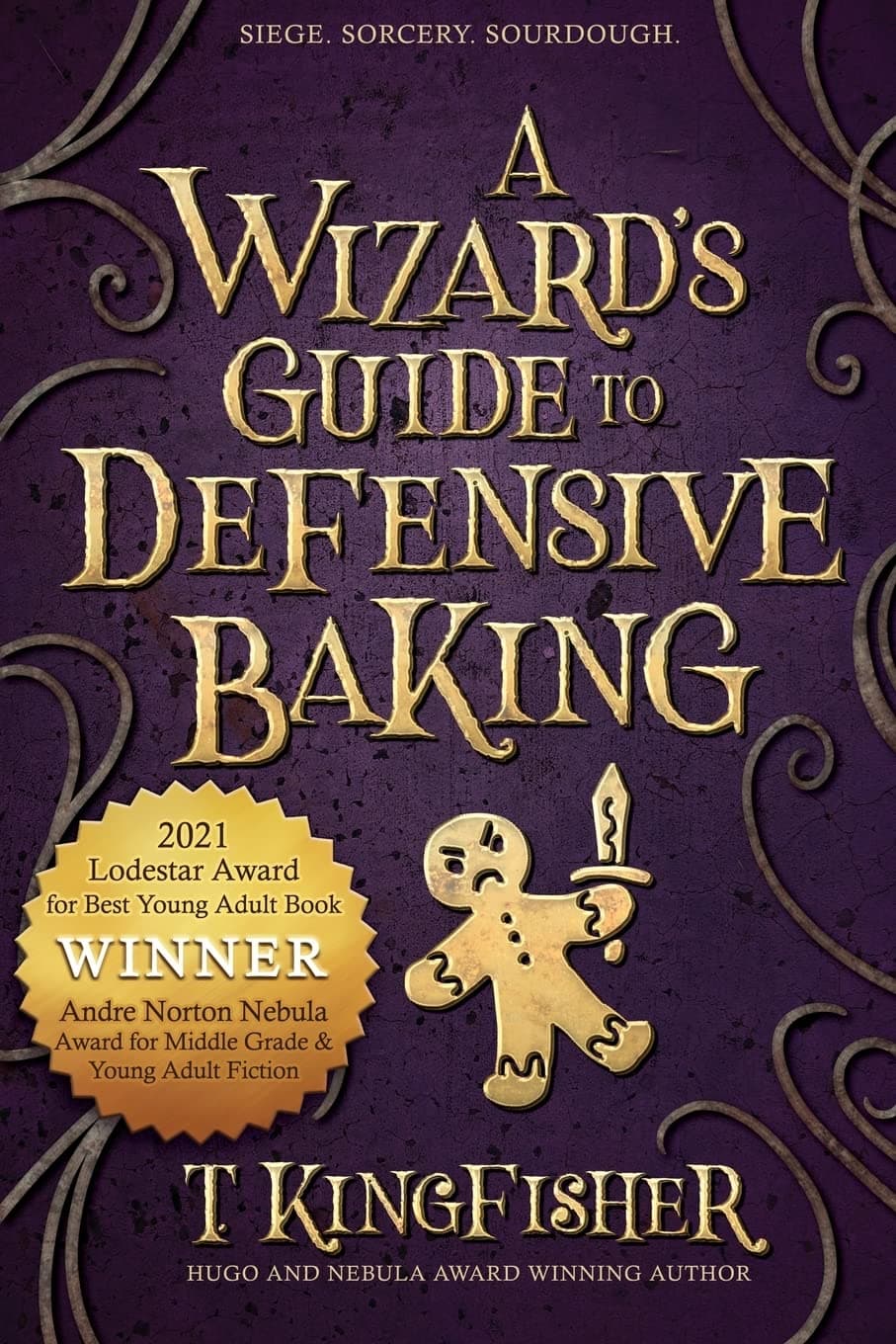
A Wizard's Guide to Defensive Baking
Warmest choice
Mona can work magic only through bread, which seems unimpressive until her city needs defenses that its adults have failed to provide. Kingfisher turns sourdough starter and animated gingerbread into real tactical tools without losing sight of institutional cowardice. Mona's key bonds involve family, responsibility, and unlikely civic allies.
The humor sits beside murder and civic danger. Mona's practical competence grows into a responsibility that adults should have carried, giving the story sharper stakes than the bread magic initially suggests. There is no romantic reward organizing her journey.
3
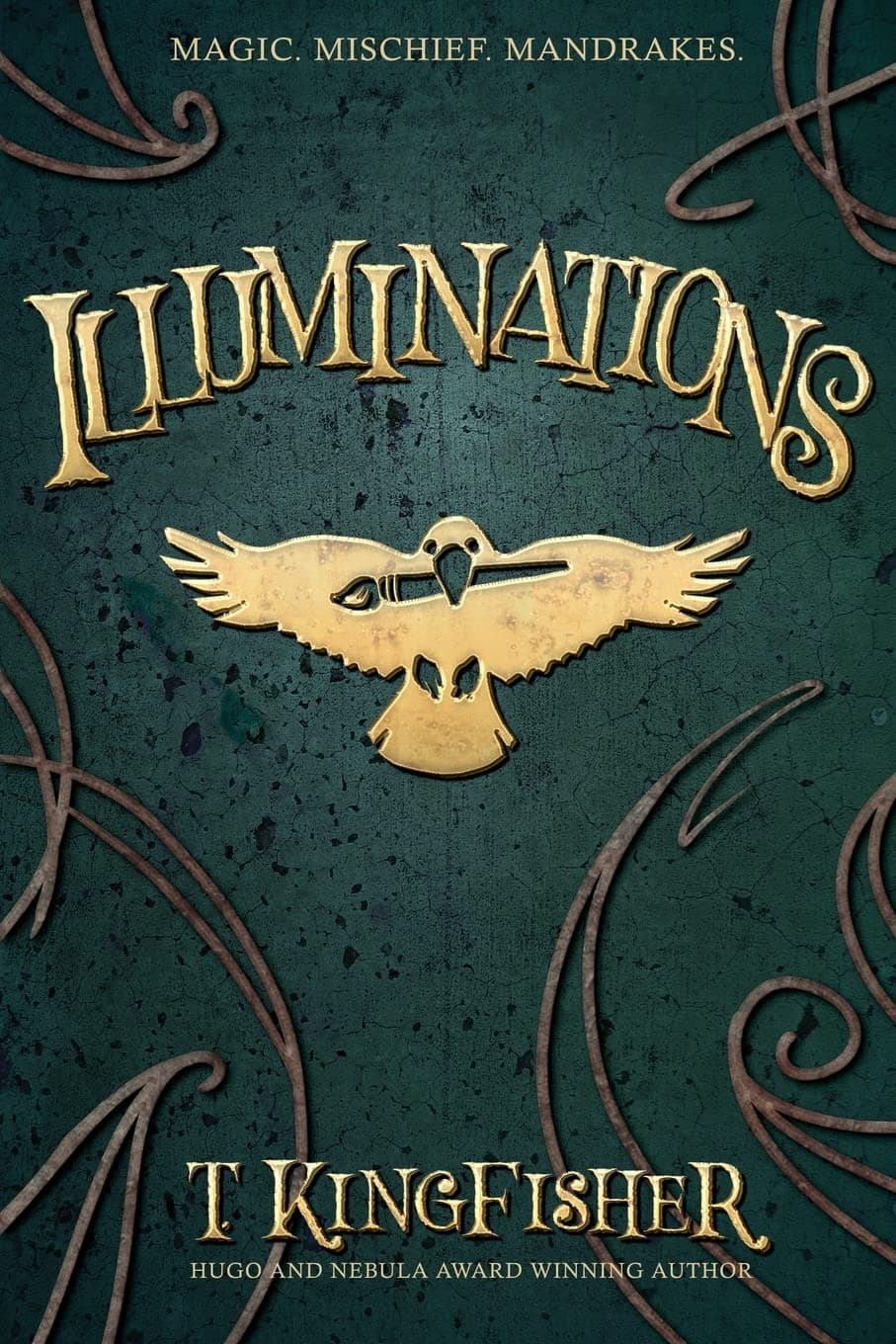
Illuminations
Best family fantasy
A family of magical artists has spent generations creating practical enchanted objects. When a younger member accidentally releases a dangerous force, the conflict turns on inherited secrets, craft, and relatives who love one another badly but persistently. The magic feels handmade, and the emotional movement belongs to the family rather than a couple.
Inventive objects and flawed relatives keep the scale intimate even when the danger expands beyond the household. The emotional resolution belongs to family and craft rather than a developing couple.
4
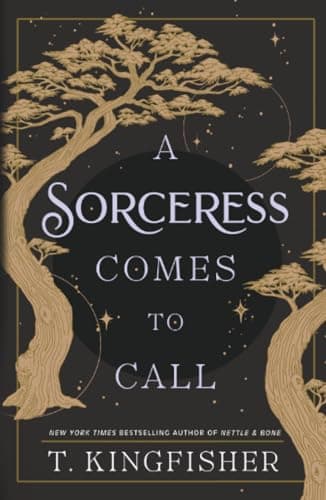
A Sorceress Comes to Call
Best fairy-tale suspense
A controlling sorceress arrives at a country house intending to arrange an advantageous marriage, but the book is not a romance. Its center is the uneasy alliance between the sorceress's frightened daughter and an older woman who recognizes that courtesy will not stop predation. The horse is memorable for reasons that are emphatically not whimsical.
Marriage operates as a weapon in the sorceress's plan. The central relationship is an alliance against that coercion, with manners, dread and the difficult work of recognizing abuse carrying the tension.
5
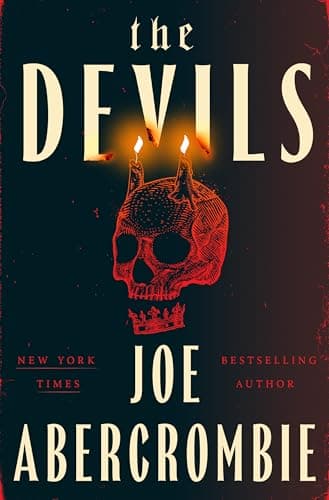
The Devils
Darkest comic choice
Abercrombie assembles monsters, criminals, and compromised holy agents for a mission whose supposed righteousness keeps colliding with appetite and self-interest. The large cast needs time to distinguish, but its pleasures are group friction, violent improvisation, and the slow exposure of private motives. Romance is not the organizing contract with the reader.
Blood, profanity and black humor make the traveling company an abrasive one. The lack of a central romance does not make this a gentle break: violence and the characters' conflicting appetites drive the adventure.
6
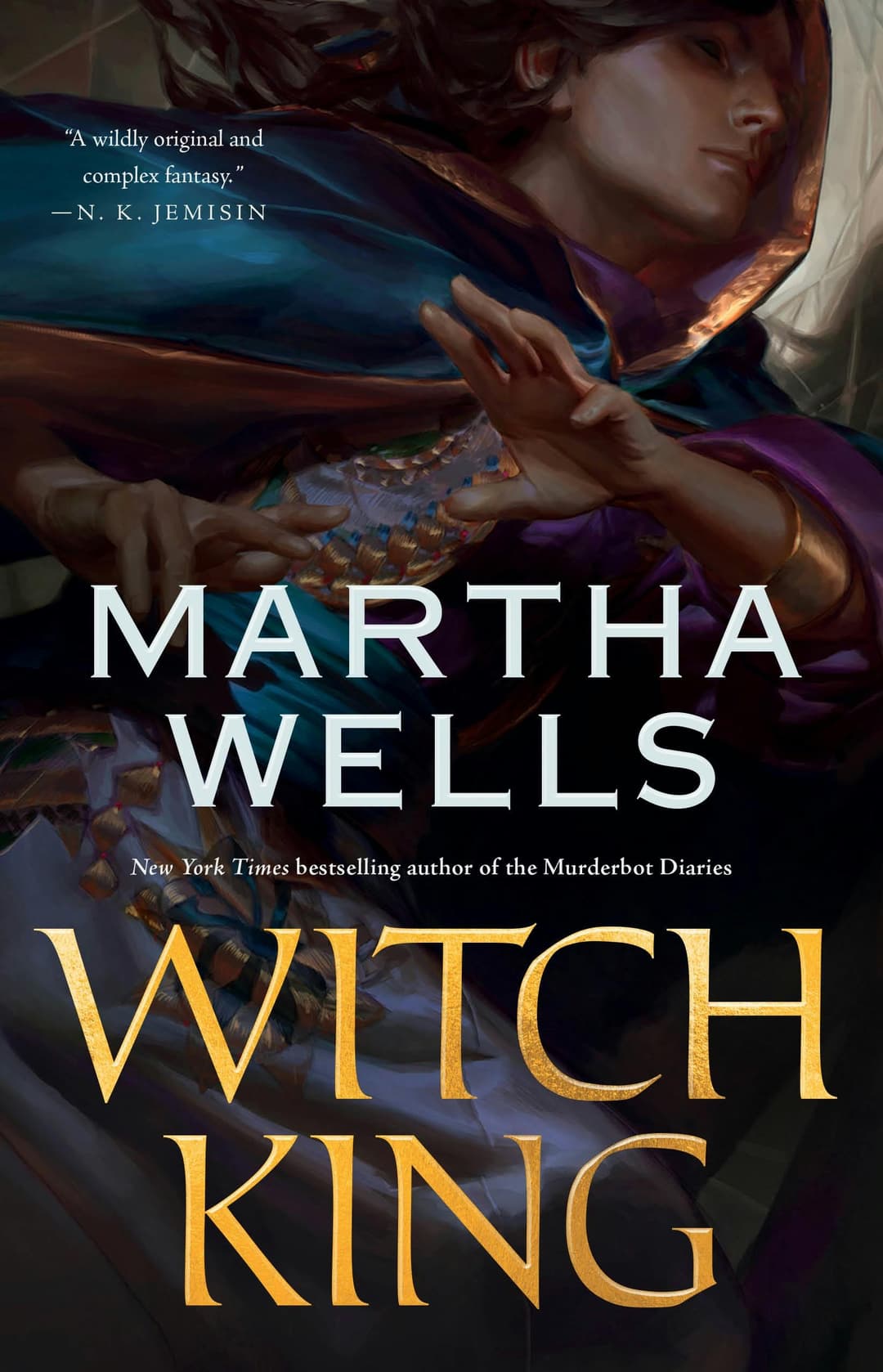
Witch King
Best political fantasy
Kai wakes after an assassination attempt and must reconstruct both the immediate betrayal and the older history that shaped his alliances. Wells moves between timelines, empires, found family, and the cost of surviving systems built on magical domination. Loyalty belongs to the whole damaged group, not to a central couple.
The opening withholds orientation and asks the reader to assemble alliances across timelines. Relationships and the uses of power provide the emotional structure, with loyalty spread across a damaged group rather than concentrated in courtship.
7
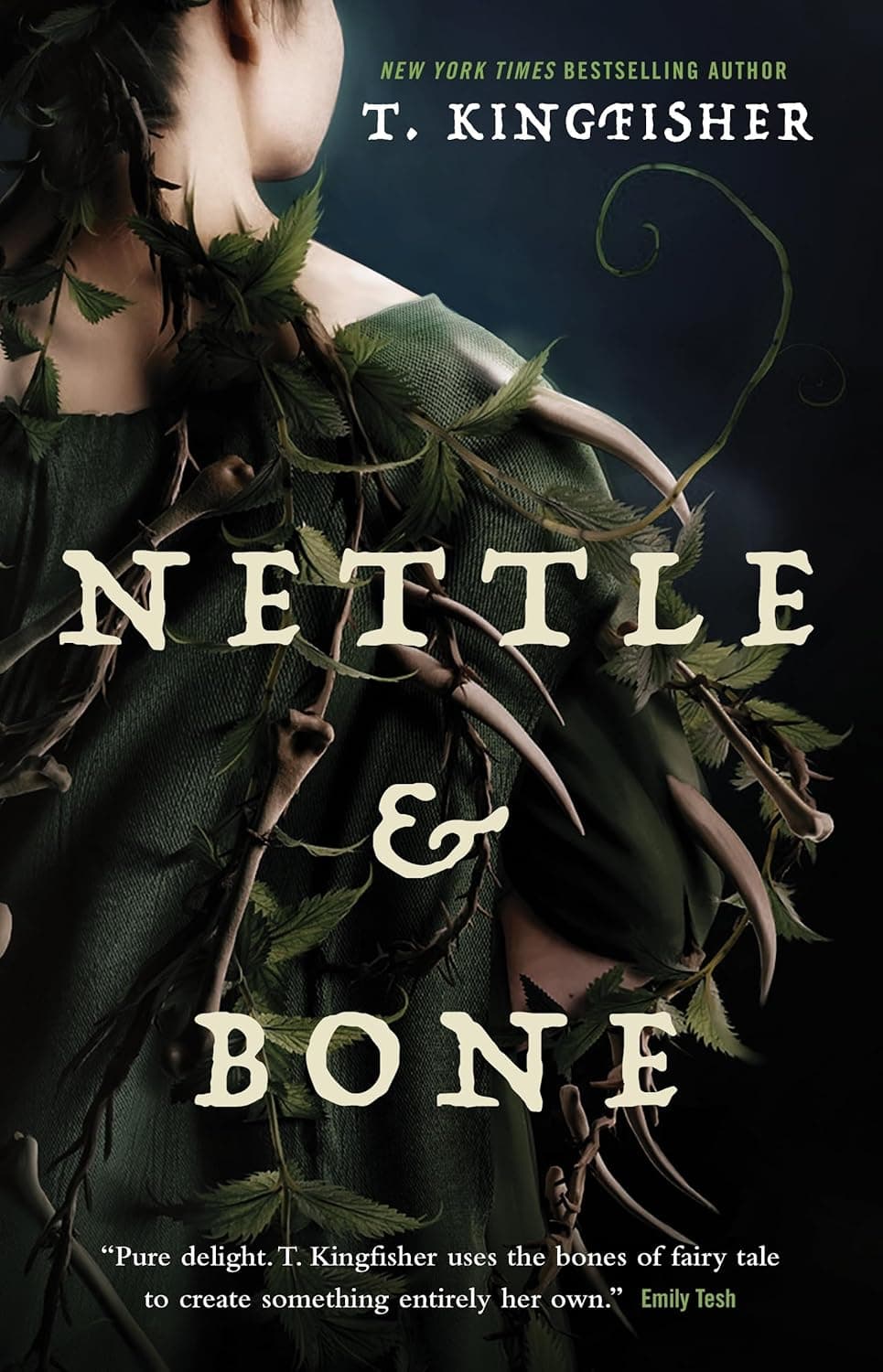
Nettle & Bone
Best rescue quest
A princess decides that saving her sister from an abusive husband requires killing a prince. Her companions include a graveyard witch, a reluctant fairy godmother, a former knight, a chicken, and a dog made of bones. The quest and female solidarity dominate. A restrained attraction appears late, so this is romance-light rather than romance-free in the strictest sense.
The rescue remains the organizing task. A small romantic thread develops late, so the book is romance-light rather than entirely free of attraction. The abusive marriage at its center also makes a simple no-romance label inadequate.
8
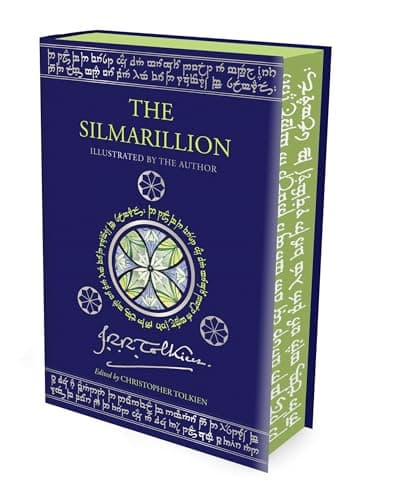
The Silmarillion
Best mythic choice
Tolkien presents creation, rebellion, doomed oaths, hidden cities, and the long war over the Silmarils in a mode closer to legend than the modern novel. Love stories exist inside that history, most notably Beren and Luthien, but no romance supplies the volume's single plot because the book contains an entire mythology and many generations.
The volume moves through generations of creation, rebellion and doomed oaths. Beren and Luthien's love story belongs within that larger mythology. The mode is tragic history rather than a fast quest or a single couple's plot.
Side by side
Romance level, tone, and difficulty
No-central-romance does not mean all eight books feel alike. This table separates emotional focus from tone and reading effort.
| Book | Romance presence | Main relationship | Reading feel |
|---|---|---|---|
| The Hobbit | None as a plot | Companions and home | Accessible, episodic |
| Defensive Baking | None as a plot | Family and civic duty | Quick, warm, tense |
| A Sorceress Comes to Call | Marriage used as threat | Daughter and unlikely ally | Gothic and suspenseful |
| Nettle & Bone | Minor late thread | Sisters and quest companions | Compact and darkly funny |
| The Silmarillion | Several mythic love stories | Peoples, families, and oaths | Dense, historical, tragic |
How strict is this list?
The selections exclude books whose central promise depends on a couple forming, even when they are shelved as epic fantasy rather than romance. They do not exclude every mention of marriage, attraction or an established relationship. Those distinctions matter more than treating every reference to love as the same kind of plot.
The notes are therefore more useful than a binary label. A Sorceress Comes to Call revolves around a proposed marriage, but treats it as coercive strategy. The Silmarillion contains famous love stories, yet reads as mythic history. Nettle & Bone is the one selection to avoid if even a modest developing attraction is too much.
Where to go after the safest choices
After The Hobbit, try Farmer Giles of Ham for shorter Tolkien comedy or The Adventures of Tom Bombadil for verse and folklore. After A Wizard's Guide to Defensive Baking, move to Illuminations for another story about practical magic and adults who fail younger people. Readers who like the harsher group dynamics in The Devils can explore Joe Abercrombie next, but should expect darker violence rather than romantic fantasy conventions.
Quick answers
Questions readers ask before buying
Does Nettle & Bone have romance?
A small attraction develops, but it is not the central plot and receives much less space than the rescue mission, sisterhood, and fairy-tale problem solving. Skip it if you need literally no romantic content.
Is The Hobbit suitable for adults?
Yes. It is direct enough for younger readers but its treatment of greed, courage, mercy, and home changes with adult experience. The lighter narrative voice should not be mistaken for shallow stakes.
Which recommendation is best after romantasy burnout?
Start with A Wizard's Guide to Defensive Baking for warmth, The Hobbit for a classic quest, or Witch King for adult politics and found family. Choose according to tone rather than trying to find a direct romantasy opposite.
Sources
Sources for this guide
Publisher descriptions were used to confirm premises and series context. Romance centrality, tone, and the exceptions called out above are my editorial judgments based on the reviewed books.
Keep reading