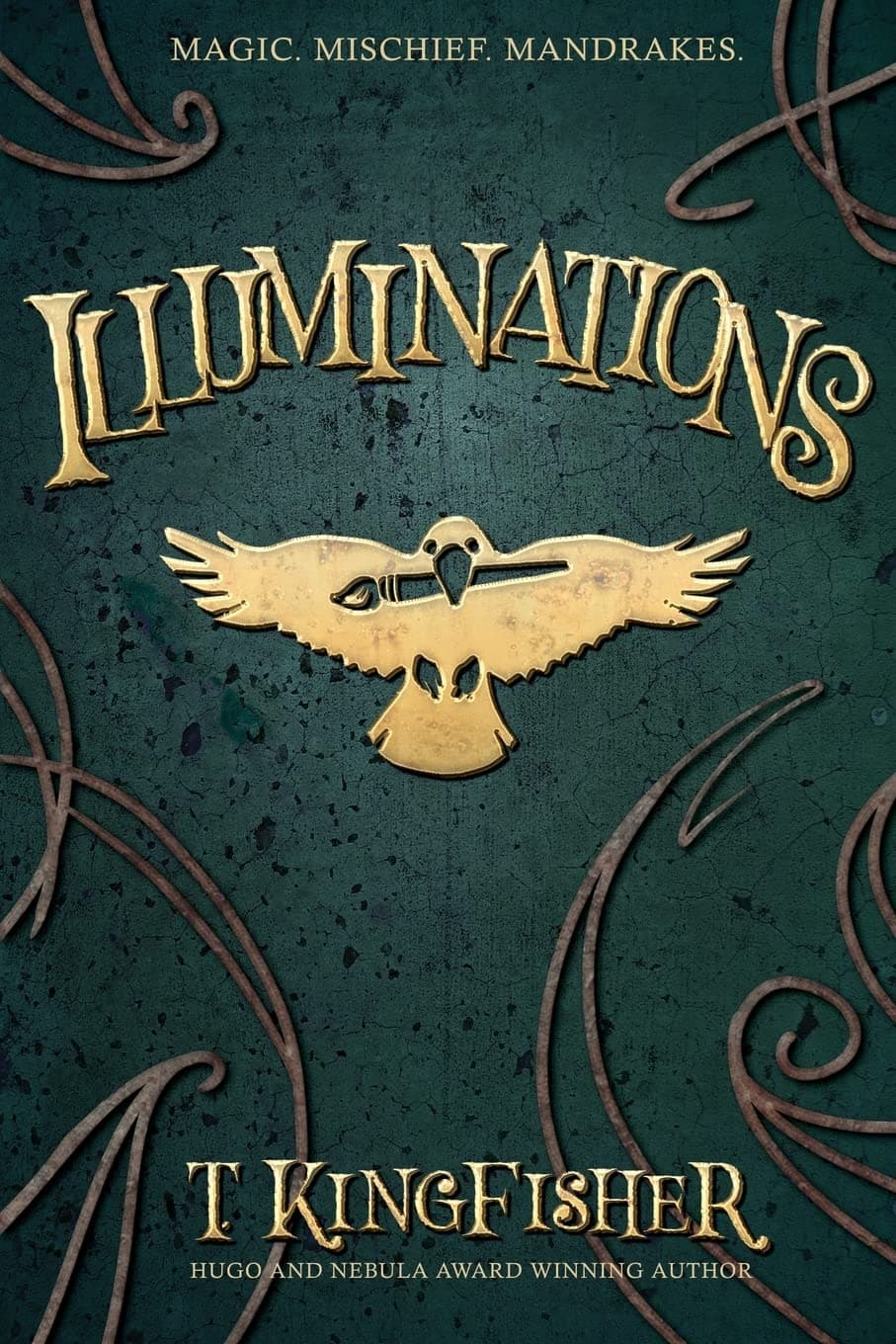
Should you read Illuminations?
What works
Rosa's strange radishes matter because they expand what art can do rather than proving she secretly excels at the approved tradition.
What may not work for you
The rivalries and Scarling threat are simpler than the magical-art premise, and adult characters occasionally wait for Rosa to move the plot.
What may test your patience
The studio history and rules require setup before the released creature begins dismantling the city's protections.
Does the ending reward the effort?
Yes. Collaboration, friendship, and Rosa's unusual imagination solve the crisis without declaring family tradition worthless.
Reading Illuminations closely
Ten-year-old Rosa Mandolini belongs to a family of artists whose painted illuminations perform practical magic. A correctly painted cat can discourage mice, while other images protect health or purify water. Rosa, however, would rather paint radishes with fangs than follow the approved designs that support Studio Mandolini.
While trying to help her family's struggling business, Rosa opens an old magical box guarded by a painted crow named Payne. She accidentally releases the Scarling, a creature determined to attack the Mandolinis by unmaking the enchanted paintings on which both the studio and city depend.
Stopping it requires Rosa to reconsider family pride, her broken friendship with Serena, and the value of artistic instincts that adults have dismissed as impractical. Kingfisher creates a warm middle-grade adventure where creativity has rules without becoming mechanical, and where collaboration matters more than proving one studio is the greatest.
Magic as art, craft, and infrastructure
Illuminations are beautiful objects, family traditions, commercial products, and pieces of civic infrastructure at once. That combination gives the magic satisfying limits and lets competition between studios affect more than reputation when protective paintings begin to fail.
A young artist finding her own usefulness
Rosa is not secretly better at the exact work her relatives value. Her strange radishes and different instincts matter because they expand what magical art might do, allowing the story to celebrate tradition without making imitation the only evidence of talent.
Friendship, danger, and age range
The Scarling creates real threat and damages things the characters depend on, but the tone remains more adventurous than frightening. Family affection, reconciliation, Payne's crow behavior, and visual jokes make this a strong choice for middle-grade readers and adults who enjoy gentle, inventive fantasy.
Three useful comparisons
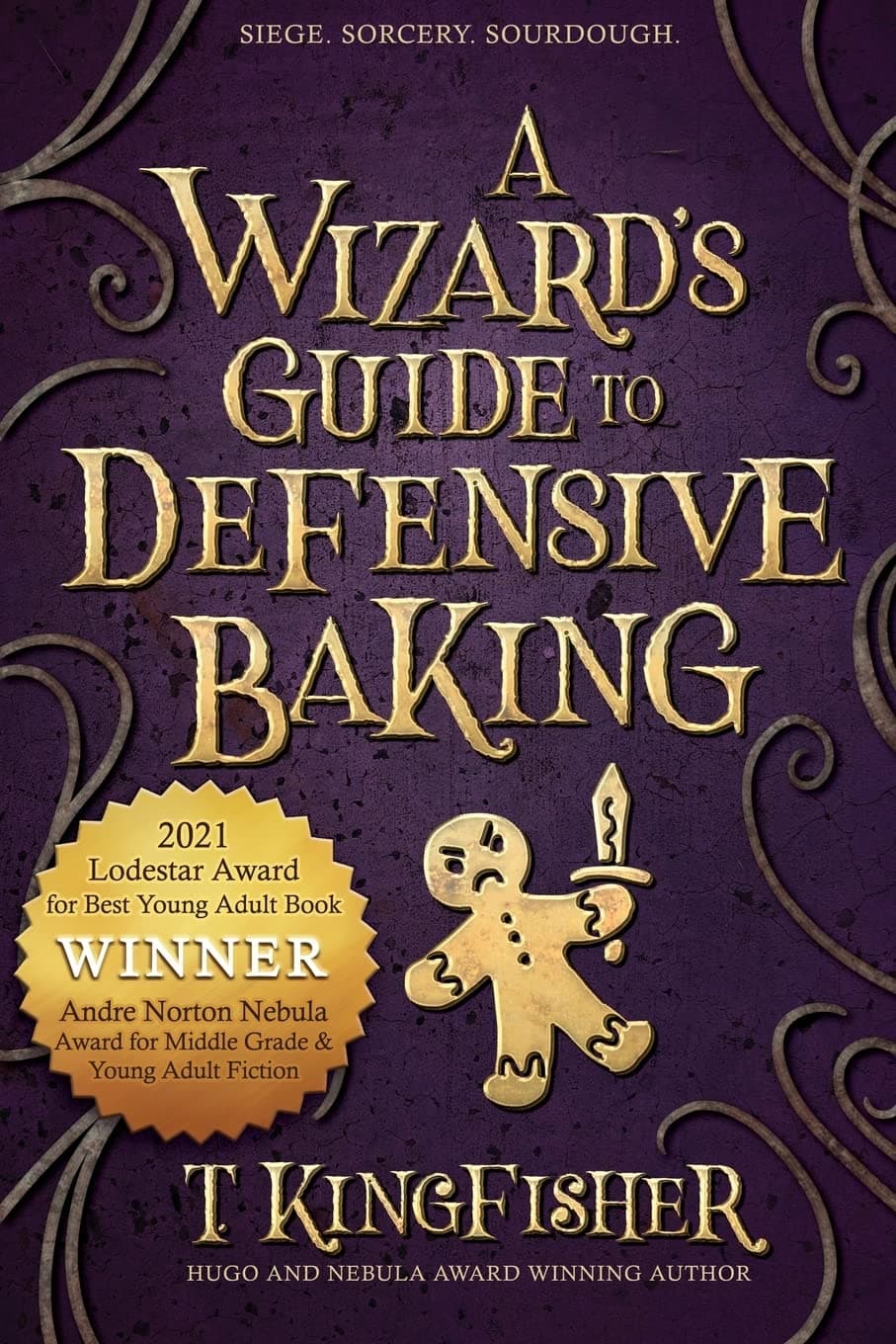
A Wizard's Guide to Defensive Baking
Defensive Baking is darker and more politically angry, with murder and siege around another narrow creative magic.
Best for: Confident middle-grade readers, teens, and adults who want whimsical magic with murder, persecution, and institutional critique.
As an Amazon Associate, I earn from qualifying purchases.
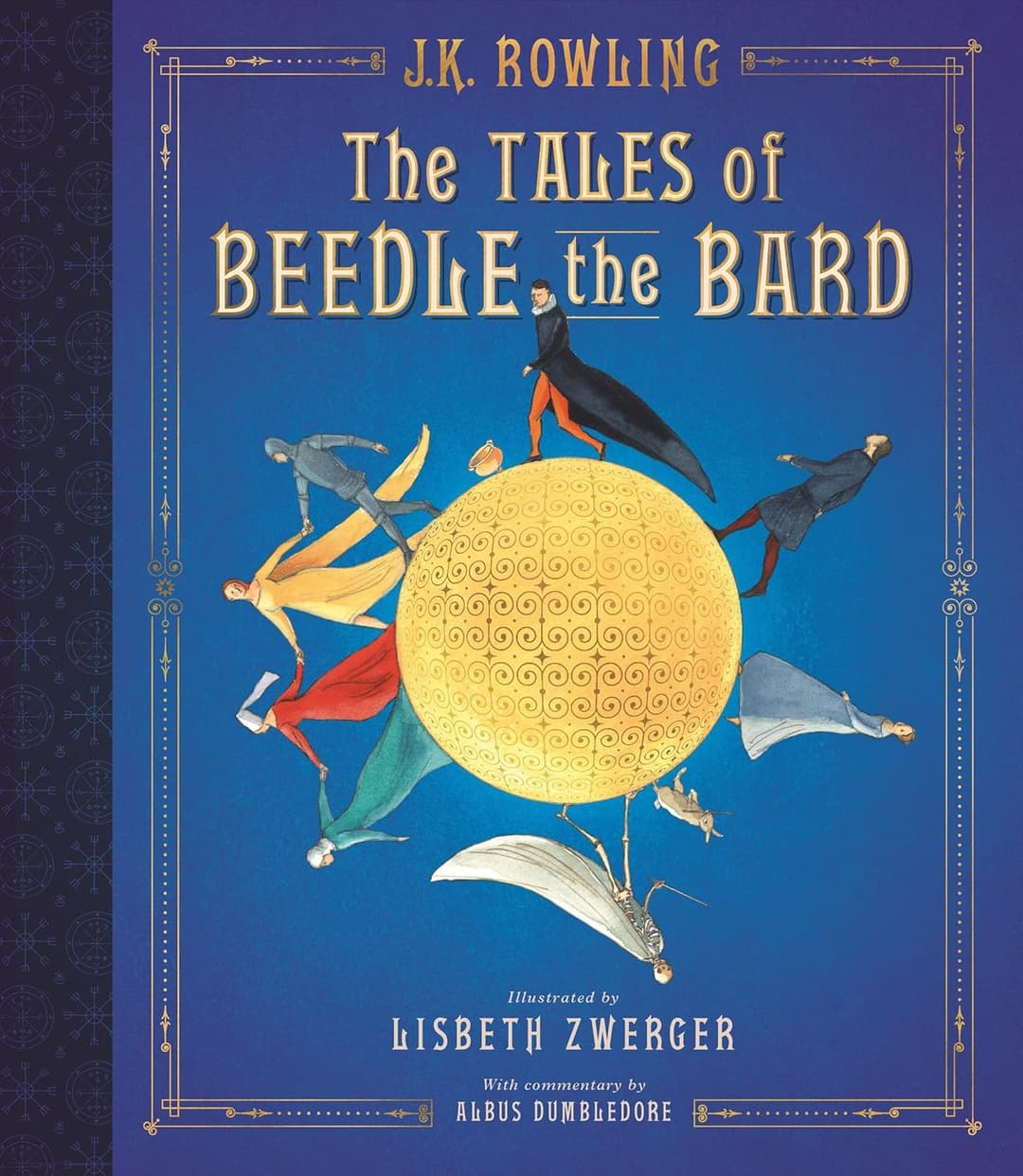
The Tales of Beedle the Bard
Beedle offers shorter moral tales inside an established magical world; Illuminations provides one fuller family adventure.
Best for: Harry Potter readers wanting short magical folktales, moral ambiguity, and an in-world artifact with genuine narrative value.
As an Amazon Associate, I earn from qualifying purchases.
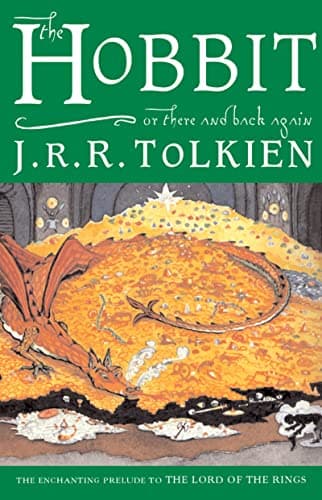
The Hobbit
The Hobbit is a longer and more dangerous journey, but shares warmth, humor, and accessibility across ages.
Best for: Families, younger readers, and adults wanting an accessible classic adventure with humor, danger, and moral weight.
As an Amazon Associate, I earn from qualifying purchases.
Make the next decision