What to read next
10 books like The Hunger Games
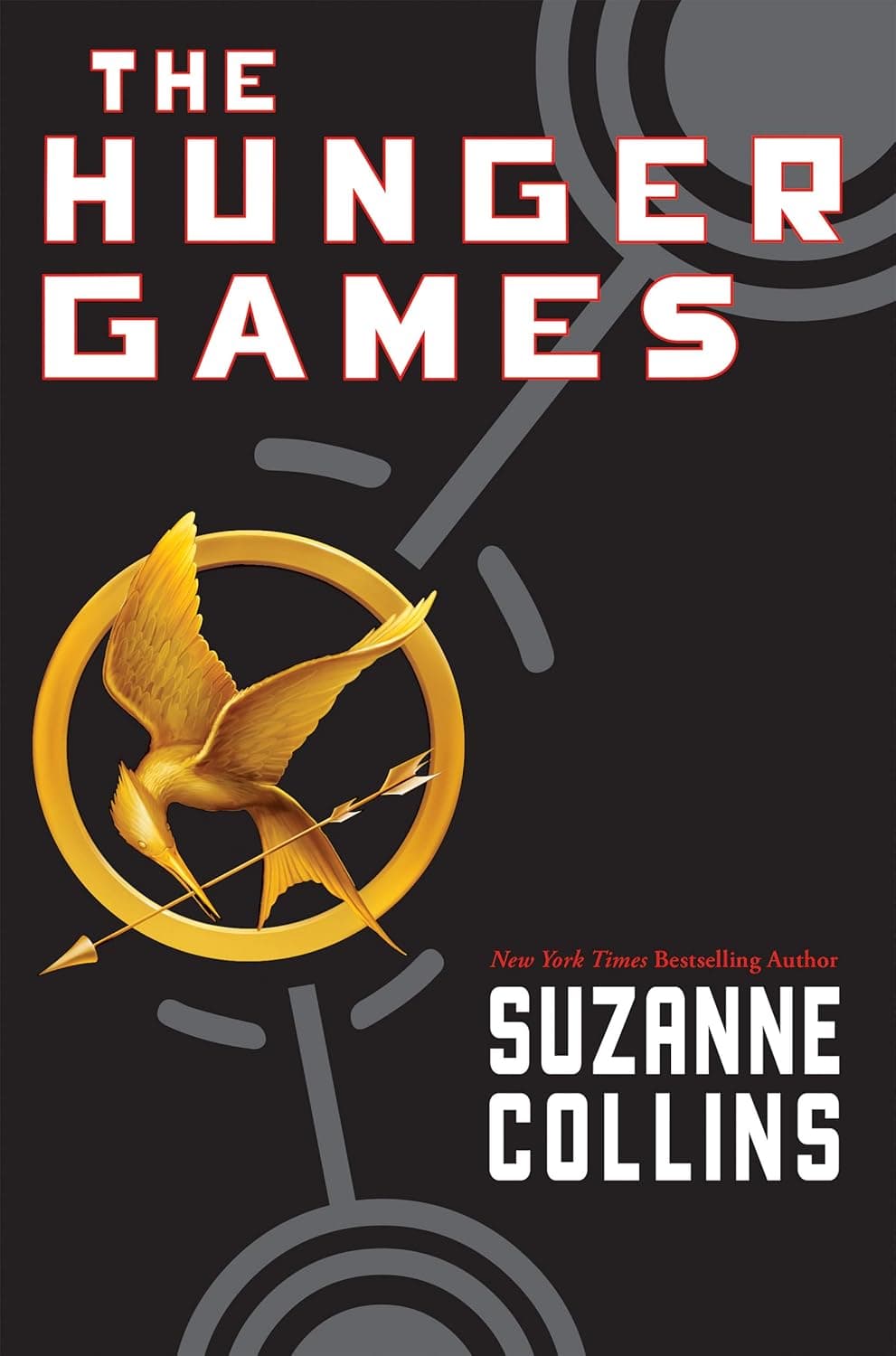
The Hunger Games combines arena survival, political spectacle, material strategy, and a protagonist whose private loyalties are repeatedly turned into public performance.
Read my review of The Hunger Games by Suzanne Collins.
Best matches
Three strong places to start
If you only want three picks, start here.
Best overall
Fastest read

Best alternative
Choose by reading mood
Where to start
For the fastest pace
Fourth Wing
BriskFor the gentlest option
Fahrenheit 451
ModerateFor the strongest romance
1984
MinimalFor the easiest entry
Red Rising
AccessibleThe full shortlist
Why each book belongs here
Catching Fire and Mockingjay continue Katniss's trilogy. Sunrise on the Reaping is a separate Panem prequel route. The other seven books are genuine alternatives chosen for spectacle, coercive institutions, propaganda, class, or survival rather than a broad dystopian label alone.
Continue the series
Catching Fire
- Pace
- Balanced
- Darkness
- Moderate
- Romance
- Minimal
- Difficulty
- Accessible
Why this matches
- Similar because
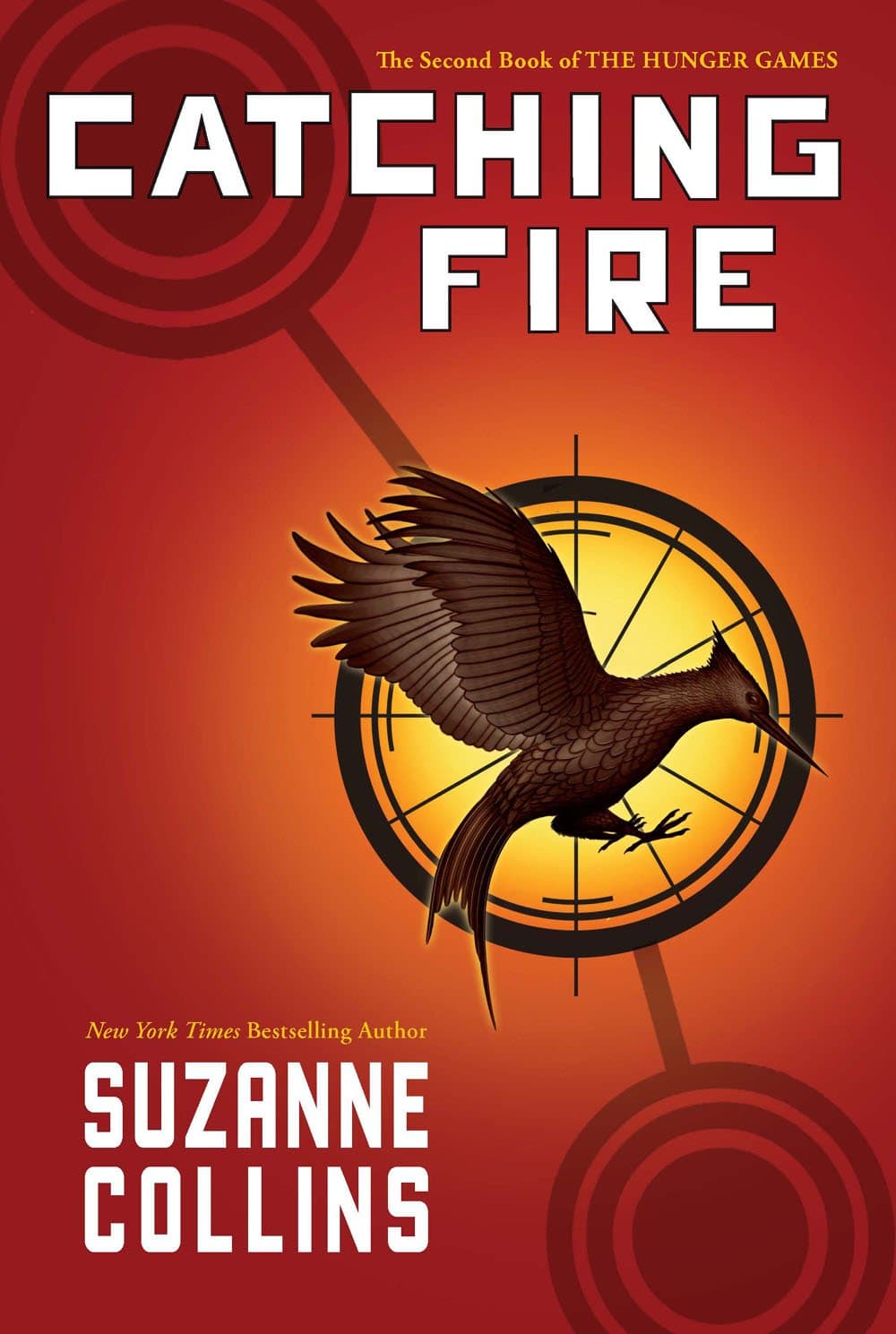
- Catching Fire keeps Katniss and Peeta trapped in the spectacle, forced romance, and district control established by The Hunger Games.
- Different because
- Catching Fire is the direct second book: it widens the rebellion through the victory tour and returns to an arena with older tributes and more complicated alliances.
- Choose this if
- Catching Fire is for readers continuing the trilogy who want broader rebellion, stronger alliances, and another tightly designed arena.
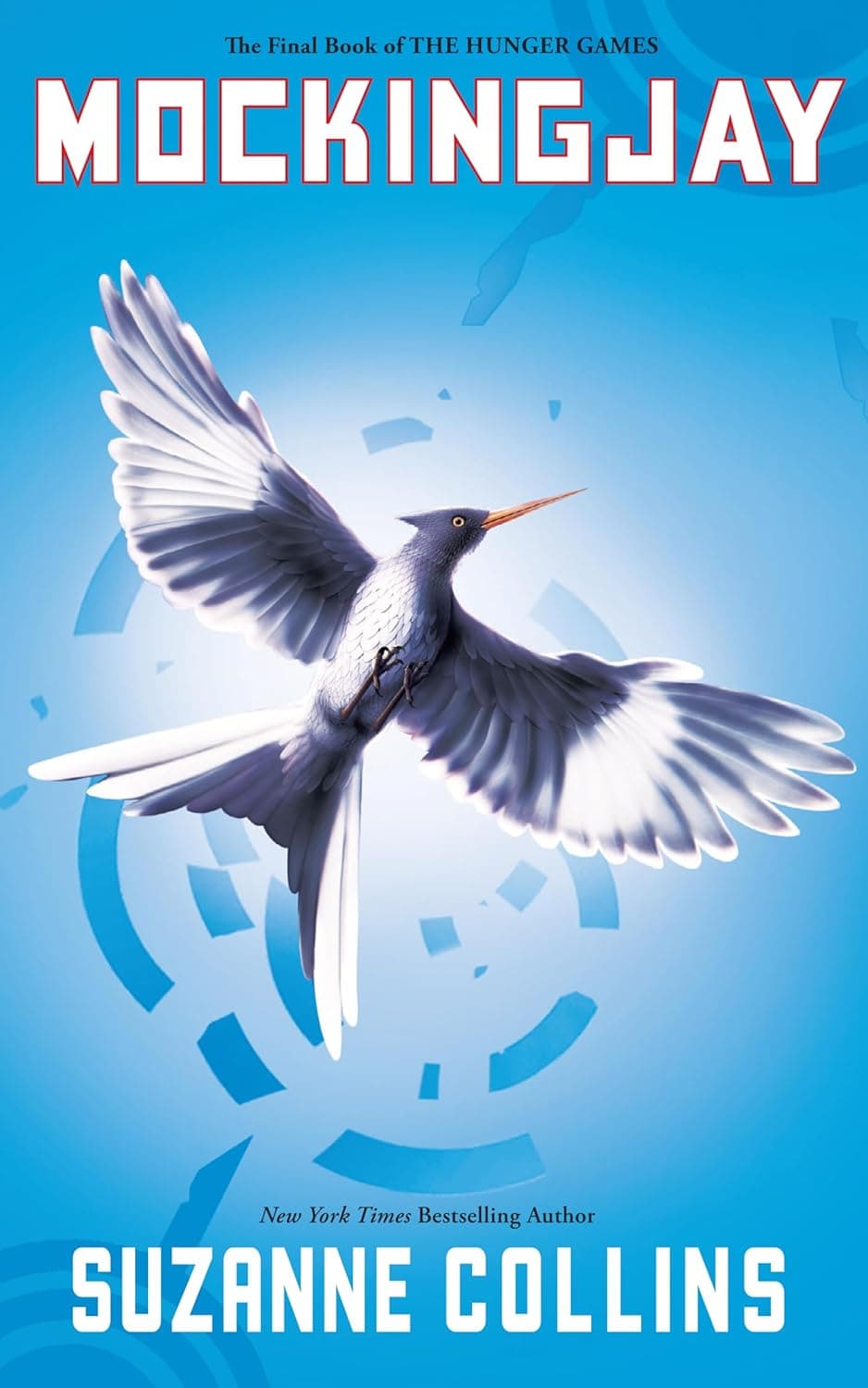
Mockingjay
- Pace
- Balanced
- Darkness
- Moderate
- Romance
- Minimal
- Difficulty
- Moderate
Why this matches
- Similar because
- Mockingjay follows the cost of turning Katniss into an image. The Hunger Games begins that process, and the finale lets rival powers fight over what she symbolizes.
- Different because
- Mockingjay is the direct finale and leaves arena structure behind for propaganda, trauma, war, and suspicion about revolutionary leadership.
- Choose this if
- Mockingjay is for series readers prepared for moral ambiguity, fractured momentum, war, and a less crowd-pleasing conclusion.
Alternatives to The Hunger Games
1984
- Pace
- Balanced
- Darkness
- Moderate
- Romance
- Minimal
- Difficulty
- Accessible
Why this matches
- Similar because
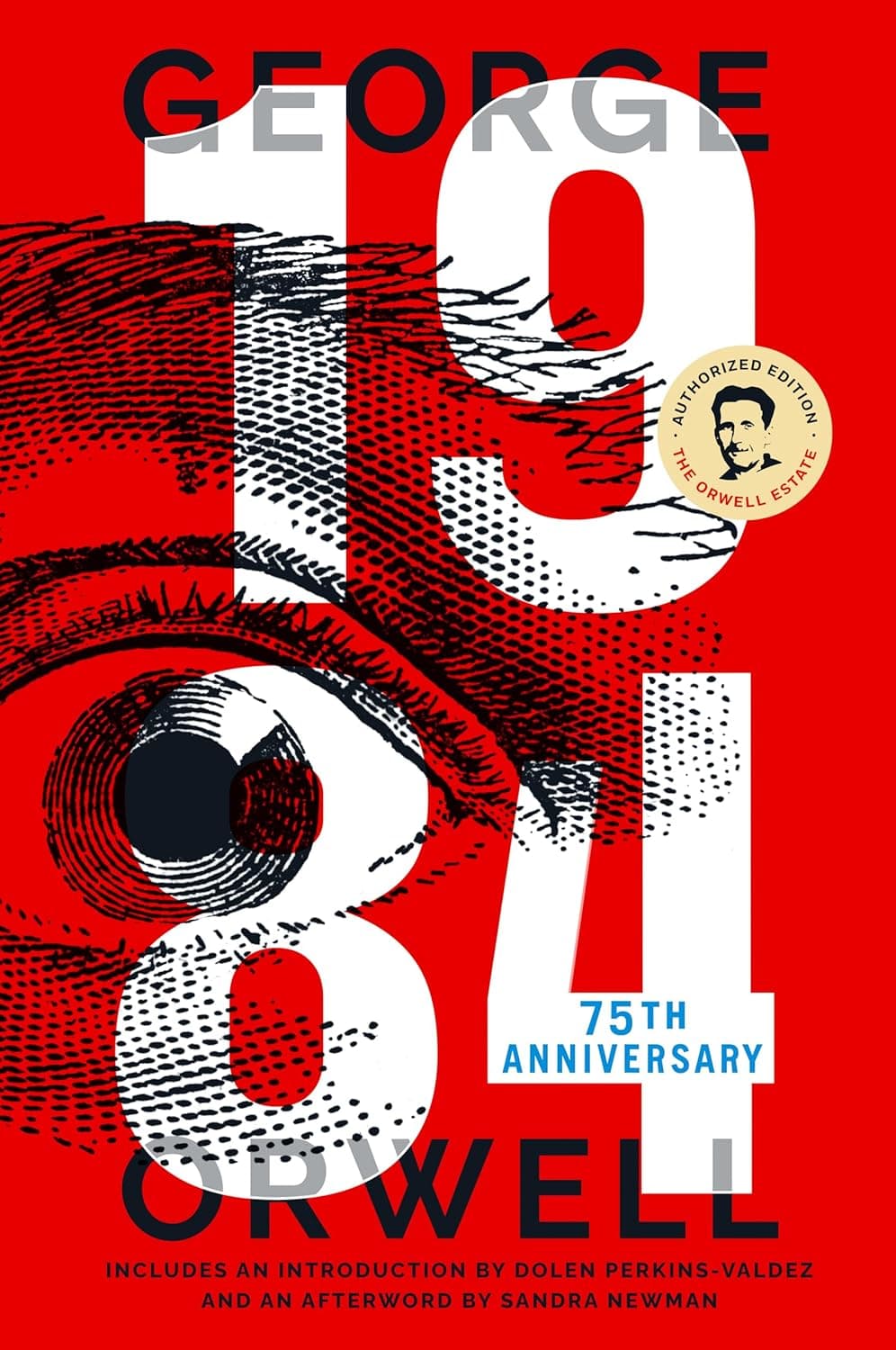
- 1984 is another dystopia where power reaches into language, public performance, and the loyalties a person hopes to keep private. The Hunger Games reaches the same territory through spectacle.
- Different because
- 1984 is slower, harsher, and more systematic, replacing arena survival and action with surveillance, political language, memory, and direct coercion.
- Choose this if
- 1984 is for readers interested in propaganda, surveillance, political language, and dystopias that offer pressure rather than escapism.
Fourth Wing
- Pace
- Brisk
- Darkness
- Gentle
- Romance
- Central
- Difficulty
- Accessible
Why this matches
- Similar because
- Fourth Wing keeps the underestimated heroine, lethal training, strategic alliances, and attraction under pressure that drive The Hunger Games.
- Different because
- Fourth Wing replaces the Capitol's televised arena with a dragon-rider academy, rule-bound magic, rebellion secrets, and a much more central romance.
- Choose this if
- Fourth Wing is for readers who want dragons, lethal academy competition, disability-aware adaptation, explicit romance, and fast cliffhanger plotting.
Red Rising
- Pace
- Balanced
- Darkness
- Moderate
- Romance
- Minimal
- Difficulty
- Accessible
Why this matches
- Similar because
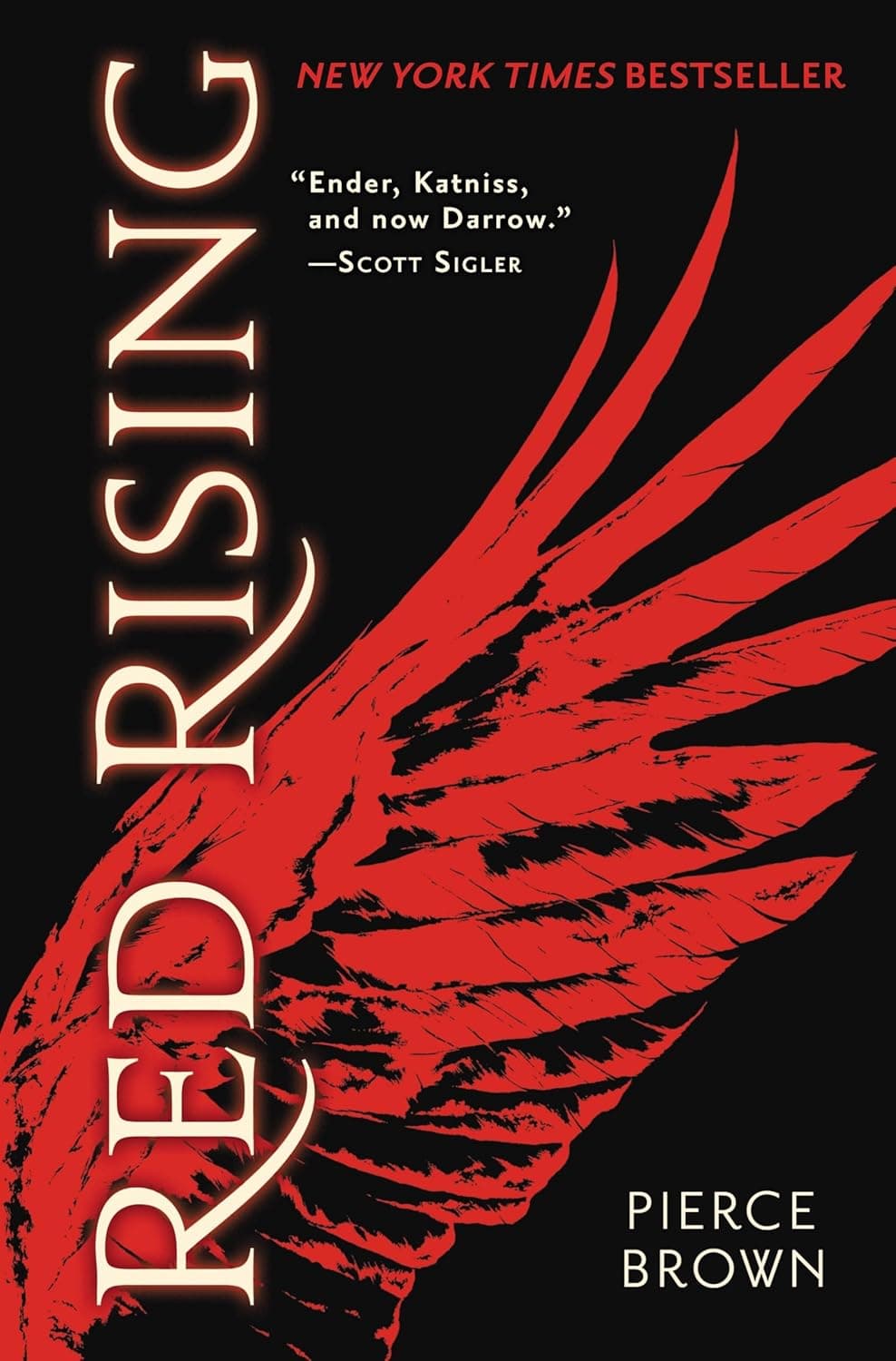
- Red Rising takes the violent competition and caste anger of The Hunger Games to Mars, where Darrow must perform a new identity and build dangerous alliances.
- Different because
- Red Rising moves to Mars, gives Darrow a hidden identity and bodily transformation, and makes its Institute warfare harsher and more openly martial.
- Choose this if
- Red Rising is for readers who want violent caste rebellion, hidden identity, academy warfare, fast tactics, and Roman-inspired space society.
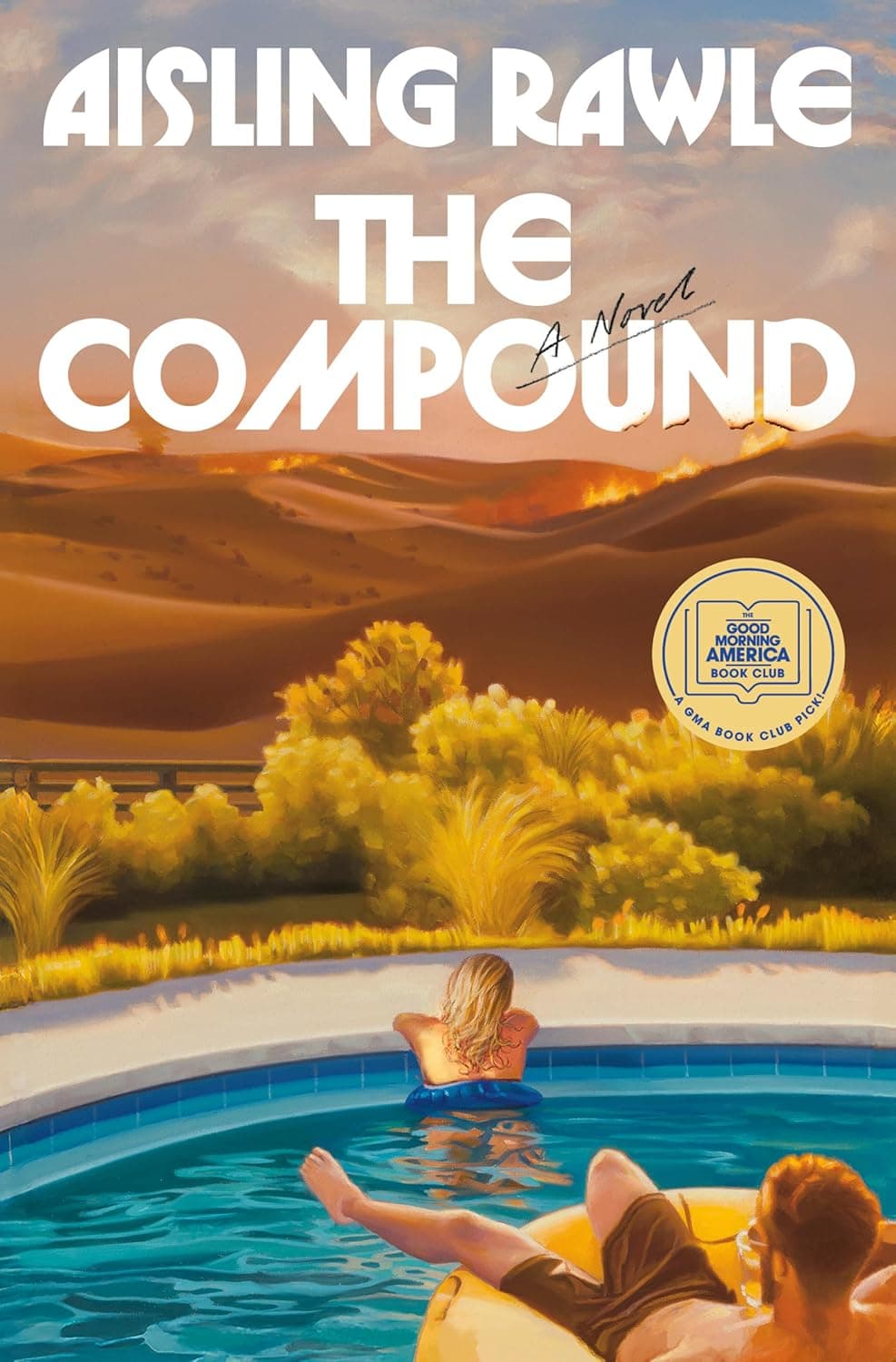
The Compound
- Pace
- Balanced
- Darkness
- Moderate
- Romance
- Minimal
- Difficulty
- Accessible
Why this matches
- Similar because
- The Compound makes reality television as coercive as the arena spectacle in The Hunger Games. Food, safety, and reputation all depend on staying useful to an audience.
- Different because
- The Compound uses reality television, dating-show behavior, surveillance, and a willing but compromised participant instead of a state-run combat arena.
- Choose this if
- The Compound is for readers who want dystopian satire, social horror, reality-TV critique, surveillance, and a morally compromised narrator.
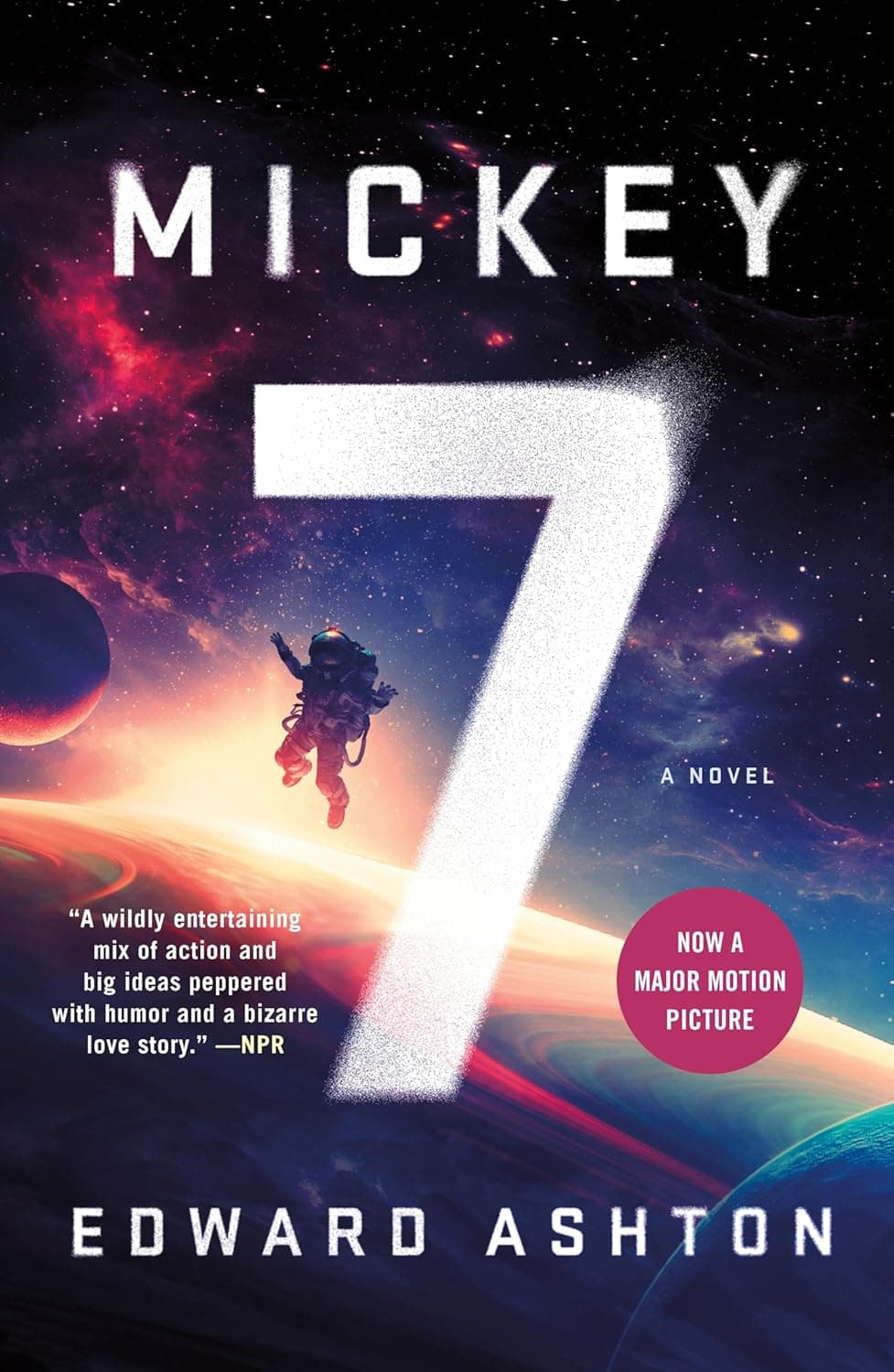
Mickey7
- Pace
- Balanced
- Darkness
- Moderate
- Romance
- Minimal
- Difficulty
- Accessible
Why this matches
- Similar because
- Mickey7 makes literal the expendability forced on Katniss in The Hunger Games: the institution treats one person's body as material for a supposedly necessary project.
- Different because
- Mickey7 replaces public combat with cloning, colony labor, food, shelter, and legal personhood, using weary humor rather than Katniss's immediate survival voice.
- Choose this if
- Mickey7 is for readers who want cloning, hostile-planet survival, corporate exploitation, existential questions, and dark humor in a compact standalone.
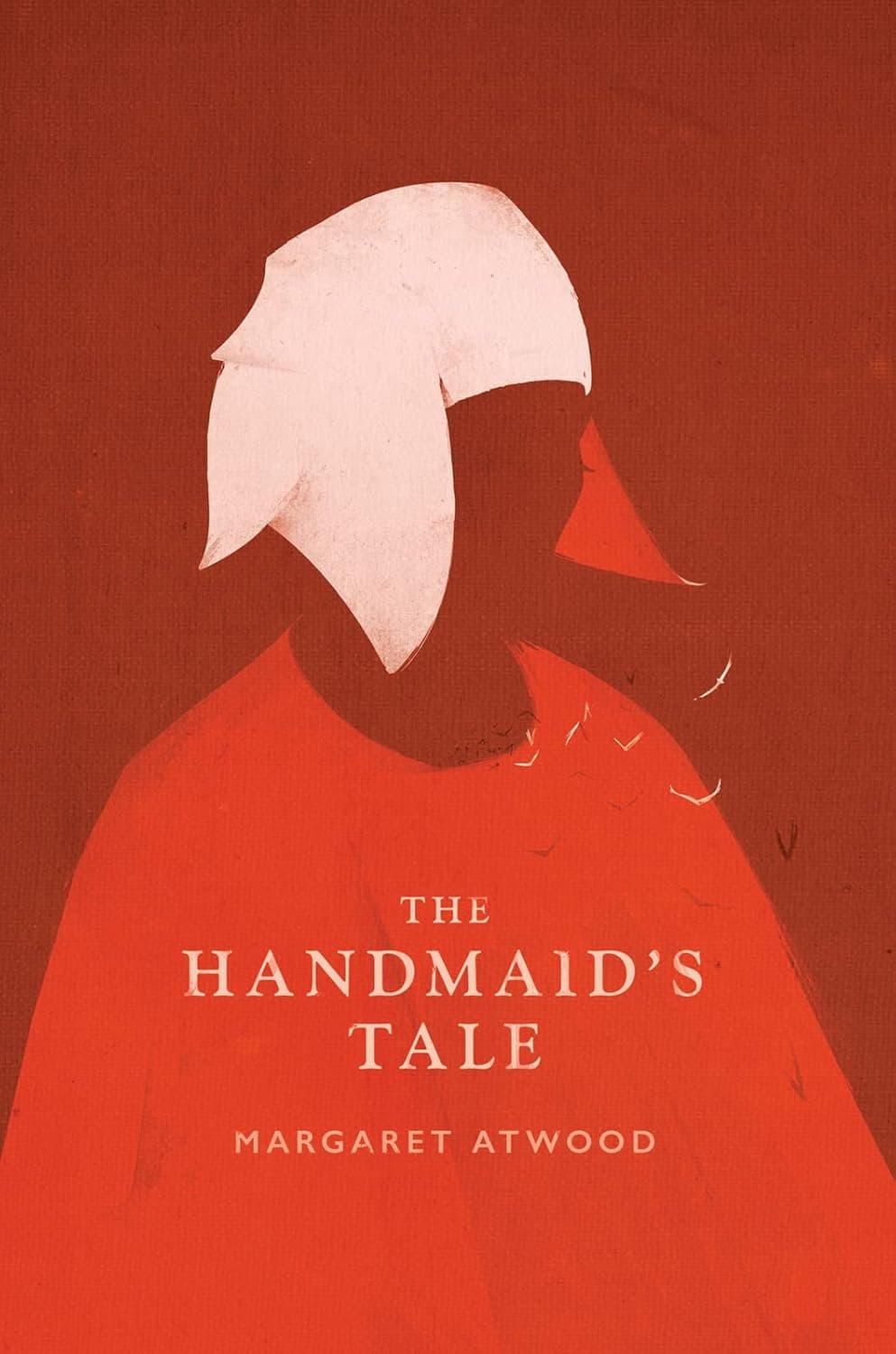
The Handmaid's Tale
- Pace
- Measured
- Darkness
- Moderate
- Romance
- Minimal
- Difficulty
- Moderate
Why this matches
- Similar because
- The Handmaid's Tale brings political control into clothing, ritual phrases, bodies, and private memories, all places where The Hunger Games also finds resistance.
- Different because
- The Handmaid's Tale is more measured and intimate, replacing arena strategy with reproductive control, domestic surveillance, remembered freedom, and uncertain testimony.
- Choose this if
- The Handmaid's Tale is for readers interested in reproductive control, memory, religious authoritarianism, and uncertainty as part of resistance.
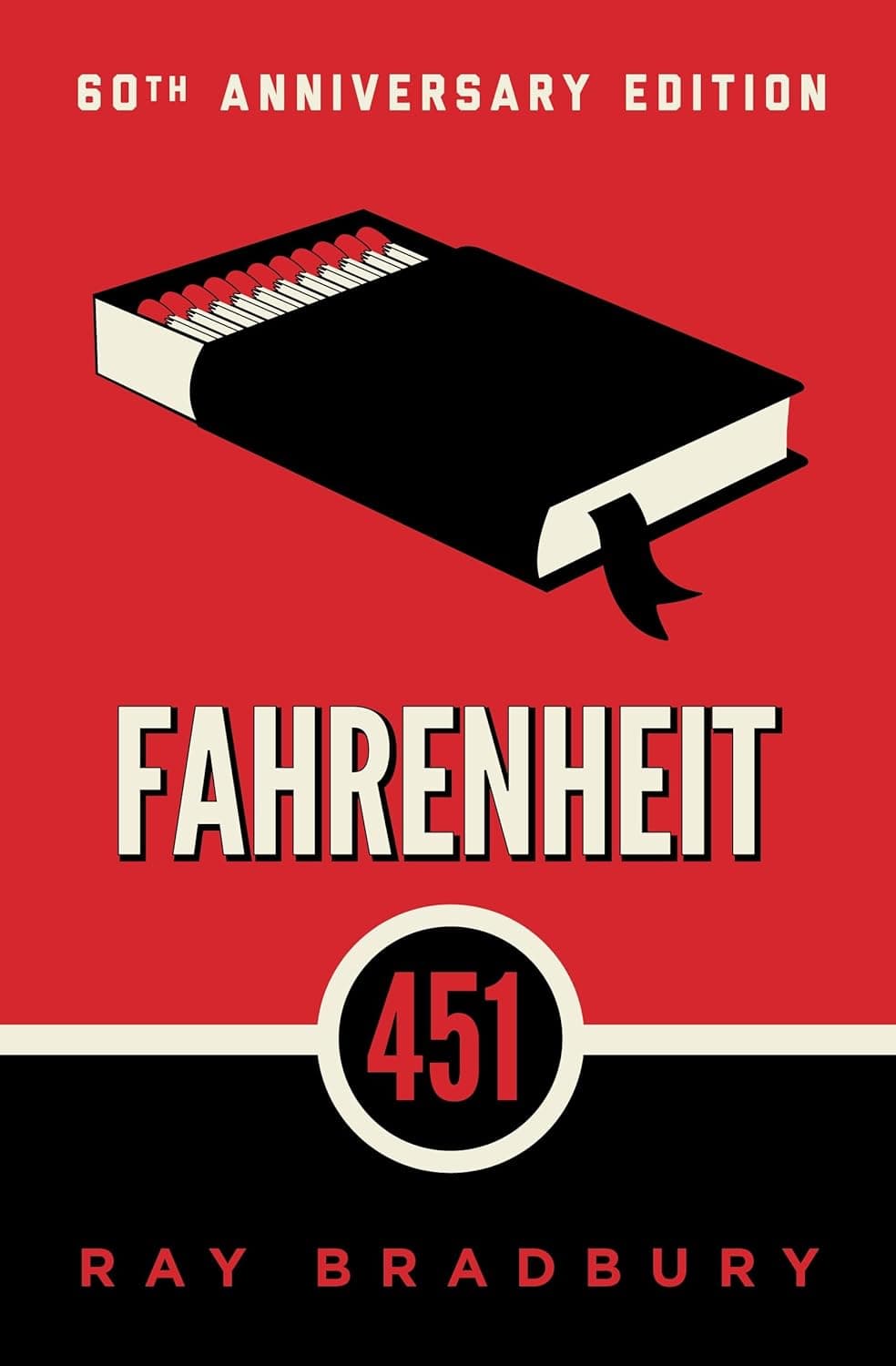
Fahrenheit 451
- Pace
- Balanced
- Darkness
- Moderate
- Romance
- Minimal
- Difficulty
- Moderate
Why this matches
- Similar because
- Fahrenheit 451 follows the media and censorship side of The Hunger Games, asking how anyone preserves private judgment when the state controls information.
- Different because
- Fahrenheit 451 is shorter and more lyrical, replacing the arena with censorship, entertainment saturation, fireman Montag's awakening, and a smaller flight from the system.
- Choose this if
- Fahrenheit 451 is for readers who want an accessible classic about censorship, distraction, complicity, and a rapid personal break with authority.
Stay in Panem after the original trilogy
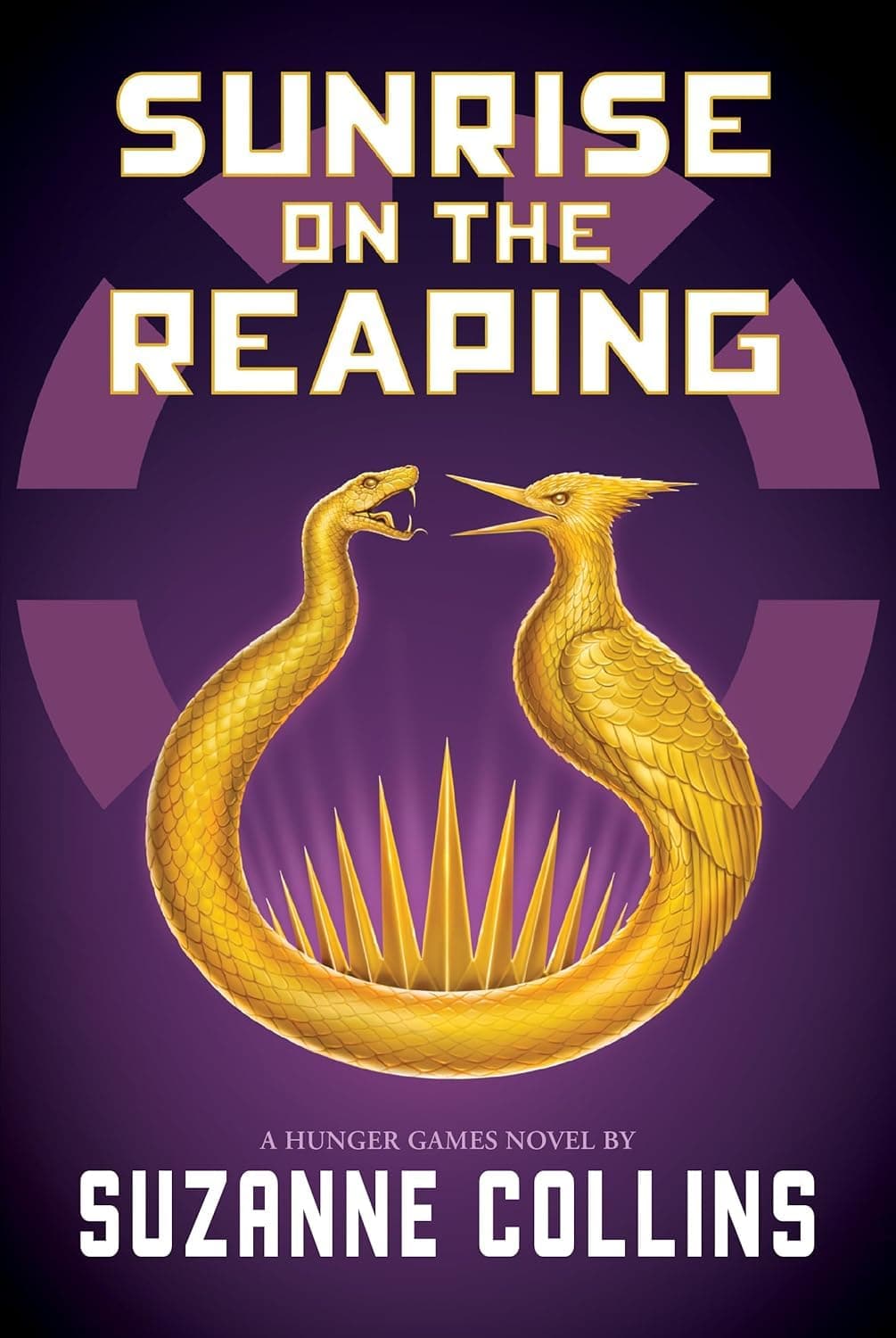
Sunrise on the Reaping
- Pace
- Balanced
- Darkness
- Dark
- Romance
- Minimal
- Difficulty
- Accessible
Why this matches
- Similar because
- Sunrise on the Reaping returns to the Games to show how the Capitol edits suffering into entertainment and official memory, extending one of The Hunger Games' sharpest ideas.
- Different because
- Sunrise on the Reaping is a prequel centered on an earlier Games whose broad outcome is already known, shifting suspense toward Haymitch, predetermined loss, and erased resistance.
- Choose this if
- Sunrise on the Reaping is for Hunger Games readers who want more Panem history, propaganda, tragedy, and the gap between experience and the version later audiences inherit.
Side-by-side
Pace, darkness, romance, and difficulty
| Book | Pace | Darkness | Romance | Difficulty |
|---|---|---|---|---|
| The Hunger Games | Balanced | Moderate | Minimal | Accessible |
| Catching Fire | Balanced | Moderate | Minimal | Accessible |
| Mockingjay | Balanced | Moderate | Minimal | Moderate |
| 1984 | Balanced | Moderate | Minimal | Accessible |
| Fourth Wing | Brisk | Gentle | Central | Accessible |
| Red Rising | Balanced | Moderate | Minimal | Accessible |
| The Compound | Balanced | Moderate | Minimal | Accessible |
| Mickey7 | Balanced | Moderate | Minimal | Accessible |
| The Handmaid's Tale | Measured | Moderate | Minimal | Moderate |
| Fahrenheit 451 | Balanced | Moderate | Minimal | Moderate |
| Sunrise on the Reaping | Balanced | Dark | Minimal | Accessible |
Keep exploring
Explore another Books Like guide
Pick another book you know and see what to read next.