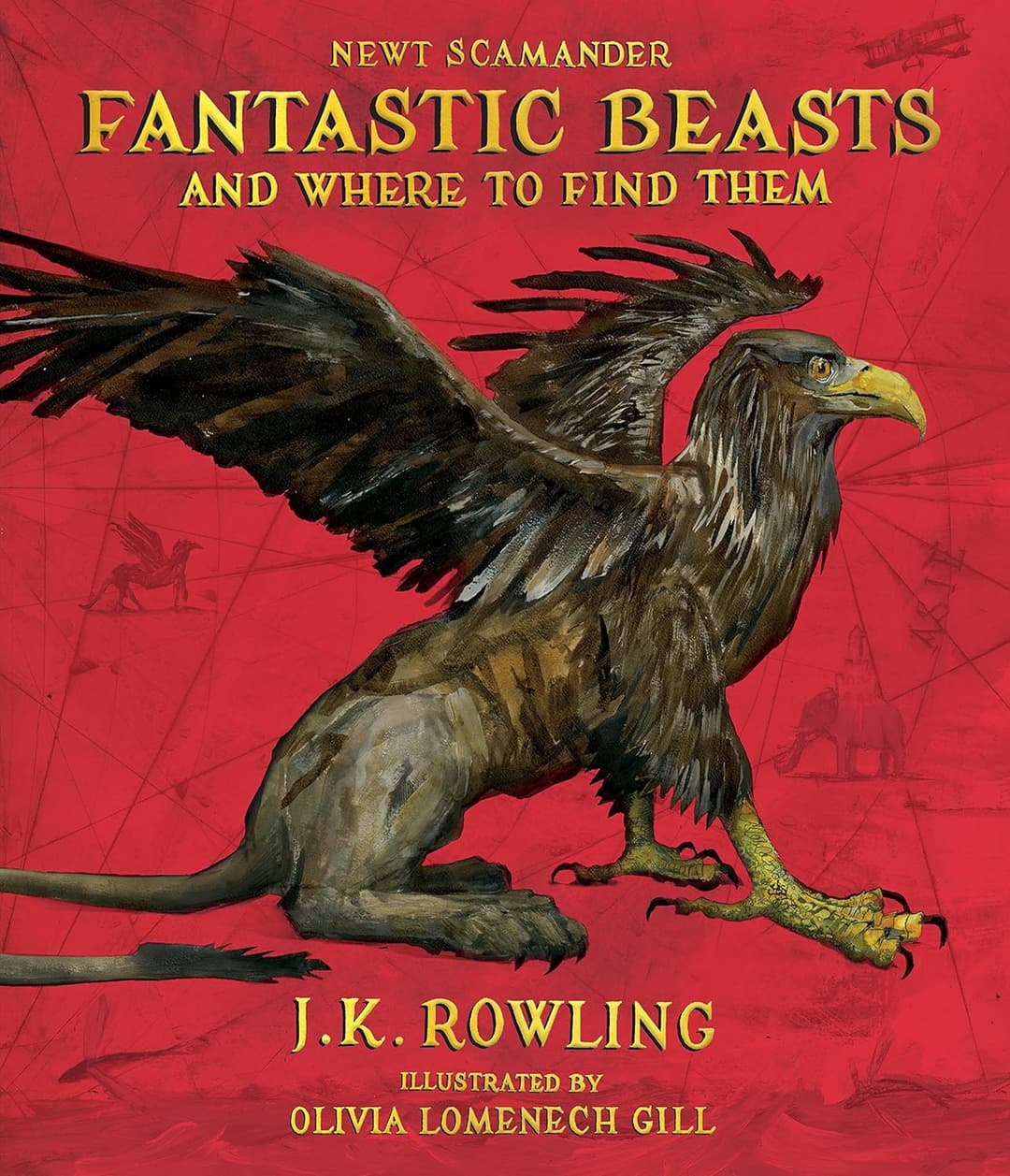
Should you read Fantastic Beasts and Where to Find Them?
What works
Creature entries extend the magical world through classification, habitats, danger ratings, and comic marginalia, making the object feel like a schoolbook Harry actually handled.
What may not work for you
The alphabetical format offers little cumulative movement, many entries are only a paragraph, and later screen associations may create expectations this book never intended to meet.
What may test your patience
There is no plot to carry the middle; enjoyment depends entirely on appetite for brief lore entries and edition-specific annotations.
Does the ending reward the effort?
As a reference book it simply concludes the catalog; the pleasure is collectible texture rather than payoff.
Reading Fantastic Beasts and Where to Find Them closely
Fantastic Beasts and Where to Find Them reads like a playful Hogwarts Library textbook written by Newt Scamander and edited for Muggle eyes. It is a bestiary of magical creatures, complete with notes on danger levels, habitats, and wizarding law.
Each entry is alphabetized and comes with a Ministry of Magic classification, a short description, and small bits of lore that keep the tone light and witty. The entries are easy to dip into between longer novels without needing the full Harry Potter series fresh in your mind.
Highlights include the augurey and its rain song, the elusive demiguise, the basilisk's origin story, and the diricawl's connection to the dodo. Those touches make Animales fantásticos y dónde encontrarlos especially fun for bilingual readers and for anyone who enjoys seeing how wizards try to hide magical beasts from Muggles through laws, charms, and careful conservation.
The book works as both a playful magizoology handbook and a classroom-friendly reference. The fantasy collection has more wizarding-world and magical reads.
Three useful comparisons
Quidditch Through the Ages
Quidditch Through the Ages offers a more continuous fictional history and stronger comic institutional detail.
Best for: Harry Potter fans who enjoy sports lore, comic history, and small in-world details.
The Tales of Beedle the Bard
Beedle supplies actual short narratives and moral commentary, making it the most substantial companion volume.
Best for: Harry Potter readers wanting short magical folktales, moral ambiguity, and an in-world artifact with genuine narrative value.
The World of Ice & Fire
The World of Ice & Fire is far larger and denser, aimed at adults who want extensive invented history rather than a short field guide.
Best for: Established A Song of Ice and Fire readers who enjoy maps, dynasties, artwork, and invented historiography, and want a browsable companion rather than a required continuation or character-led novel.
Compare 10 more books like Fantastic Beasts and Where to Find Them
Make the next decision