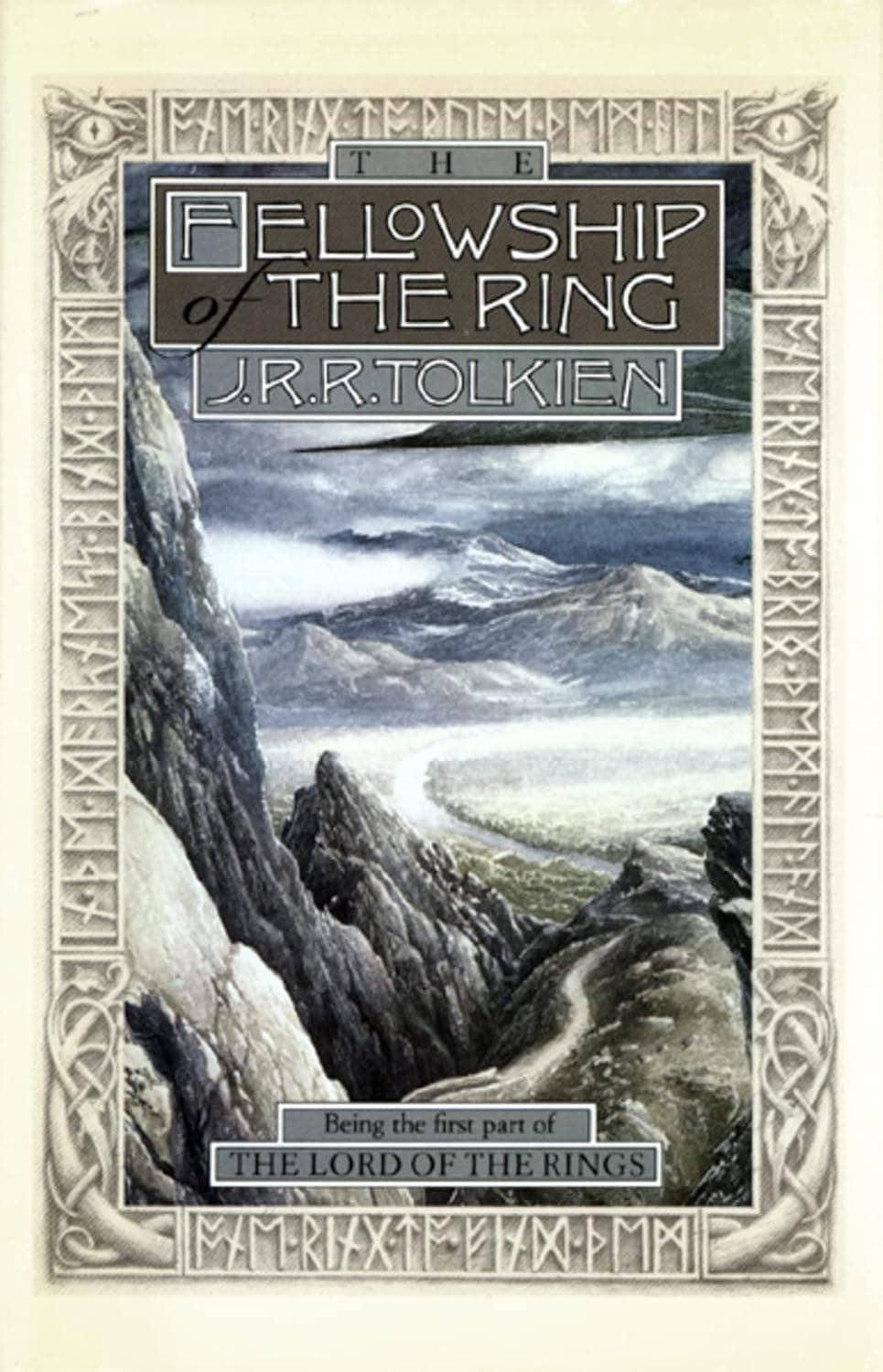
Should you read The Fellowship of the Ring?
What works
Landscape, song, language, ruins, and hospitality make Middle-earth inhabited before the central company forms, while Frodo's burden remains intimate inside epic scale.
What may not work for you
The opening Shire chronology and Council of Elrond are demanding, and several members of the Fellowship receive less interior depth than the world around them.
What may test your patience
The long stretch from Bilbo's party through preparations at Bag End delays the road, especially for readers arriving from the films.
Does the ending reward the effort?
Yes as the first movement. The breaking of the company follows character choices and transforms one shared quest into several urgent paths.
Reading The Fellowship of the Ring closely
The Fellowship of the Ring begins in the safety of the Shire and grows darker with every stage of the journey. Tolkien takes time over songs, landscapes, and history, but the danger keeps narrowing the road ahead.
The early Shire chapters are slow, comic, and full of local history. They are also doing necessary work: Tolkien makes ordinary comfort tangible before asking Frodo to leave it. Once the Black Riders appear, every inn, road, and patch of shelter feels less secure.
Frodo's courage is quiet and frequently frightened. Sam's loyalty, Aragorn's guarded authority, Boromir's pride, and the hobbits' inexperience keep the company from becoming a row of fantasy types. The Council of Elrond is long, but it gives the quest moral and historical weight that a quicker briefing would lose.
Songs and landscape descriptions interrupt the chase because Tolkien is interested in what the characters are trying to save, not only what pursues them. Anyone who needs constant action may find the pace stubborn. Anyone willing to live in the world will understand why later danger matters.
Three useful comparisons
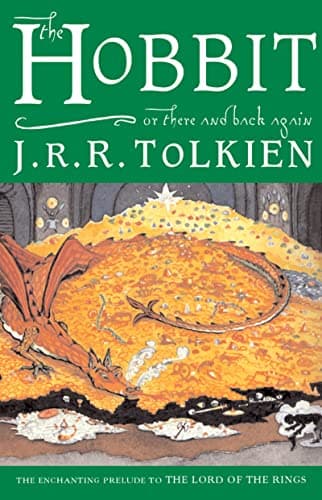
The Hobbit
The Hobbit is shorter, funnier, and more self-contained; begin there if epic history feels intimidating.
Best for: Families, younger readers, and adults wanting an accessible classic adventure with humor, danger, and moral weight.
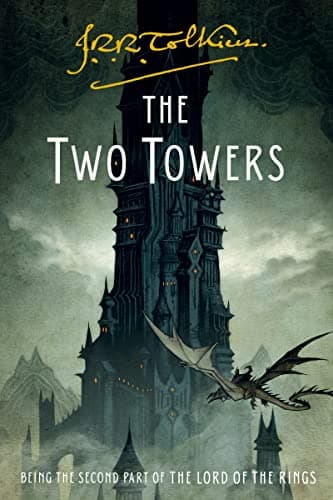
The Two Towers
The Two Towers divides the company and increases war, moral pressure, and narrative complexity.
Best for: Readers continuing the trilogy who welcome divided viewpoints, war, moral ambiguity, and a slower journey into hostile land.
The Name of the Wind
The Name of the Wind is more intimate and voice-driven, with one gifted narrator rather than a communal epic.
Best for: Choose it for musical prose, a university setting, magical study, and a gifted but questionable narrator. Skip it if an unfinished larger story will sour the experience.
Series buying note
Would the collection be the better buy?
These are useful only when you want several books in the same run. The notes below spell out what each package includes and, just as importantly, what it leaves out.
Four-book paperback box set
The Hobbit and The Lord of the Rings Boxed Set
The box gives a first-time Middle-earth reader the cleanest route from Bilbo's adventure through the complete Lord of the Rings story.
Included: The Hobbit, The Fellowship of the Ring, The Two Towers, The Return of the King
Our buying note: It is a sensible first Tolkien set, not a complete Middle-earth library. The Silmarillion and the later First Age books are separate purchases.