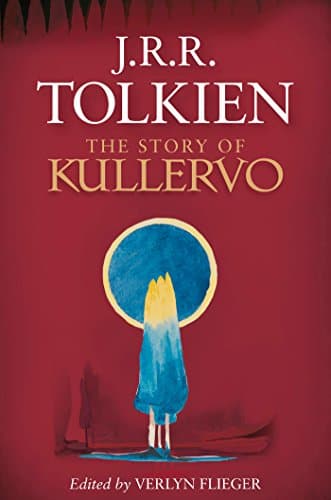
Should you read The Story of Kullervo?
What works
Kullervo's curse, isolation, and catastrophic family history reveal themes Tolkien would revisit with far greater control in Túrin.
What may not work for you
The prose is unfinished and uneven, the source dependence is visible, and editorial material outweighs the fragment as a satisfying story.
What may test your patience
Names, Kalevala context, and manuscript discussion require more attention than the incomplete narrative can repay for casual readers.
Does the ending reward the effort?
The inherited tragedy reaches its grim destination, but Tolkien's own version remains textually incomplete and emotionally abrupt.
Reading The Story of Kullervo closely
Tolkien's unfinished adaptation of the Finnish Kalevala follows the abused Kullervo through bondage, power, vengeance, and catastrophic discovery.
The fragment matters both as a fierce tragedy and as an early workshop for themes later transformed into Túrin Turambar.
Before Middle-earth fully formed
Names and setting come from Finnish legend, but the emotional patterns anticipate Tolkien's First Age.
Text plus context
Essays and drafts are essential because the narrative itself is unfinished.
Three useful comparisons
The Children of Húrin
Children of Húrin transforms related tragic material into a mature, continuous, and far more rewarding narrative.
Best for: Readers who know The Silmarillion or want a standalone entrance into Tolkien's tragic First Age.
The Legend of Sigurd and Gudrún
Sigurd and Gudrún offers a later and more formally accomplished engagement with Northern legend.
Best for: Readers of Norse mythology, alliterative verse, and Tolkien's scholarly creative experiments.
The Fall of Arthur
The Fall of Arthur is also unfinished but much stronger in poetic control and historical imagination.
Best for: Tolkien scholars, Arthurian readers, and poetry enthusiasts comfortable with fragments and editorial apparatus.