What to read next
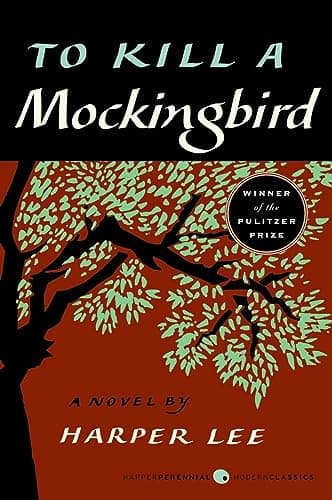
10 books like To Kill a Mockingbird
Scout's narration catches what adults normalize without always knowing how to interpret it. If that is what you want more of after To Kill a Mockingbird, these recommendations preserve that appeal in different ways, without pretending every similar book offers the same experience.
Start with our To Kill a Mockingbird review by Harper Lee.

Choose by reading mood
Where to start
For the fastest read
The Book Thief
BalancedFor the gentlest option
Pride and Prejudice
GentleFor the strongest romance
Jane Eyre
CentralFor the easiest entry
Great Expectations
ModerateThe full shortlist
Why each book belongs here
Each match is judged against To Kill a Mockingbird, not merely placed beside it because the books share a broad genre label.
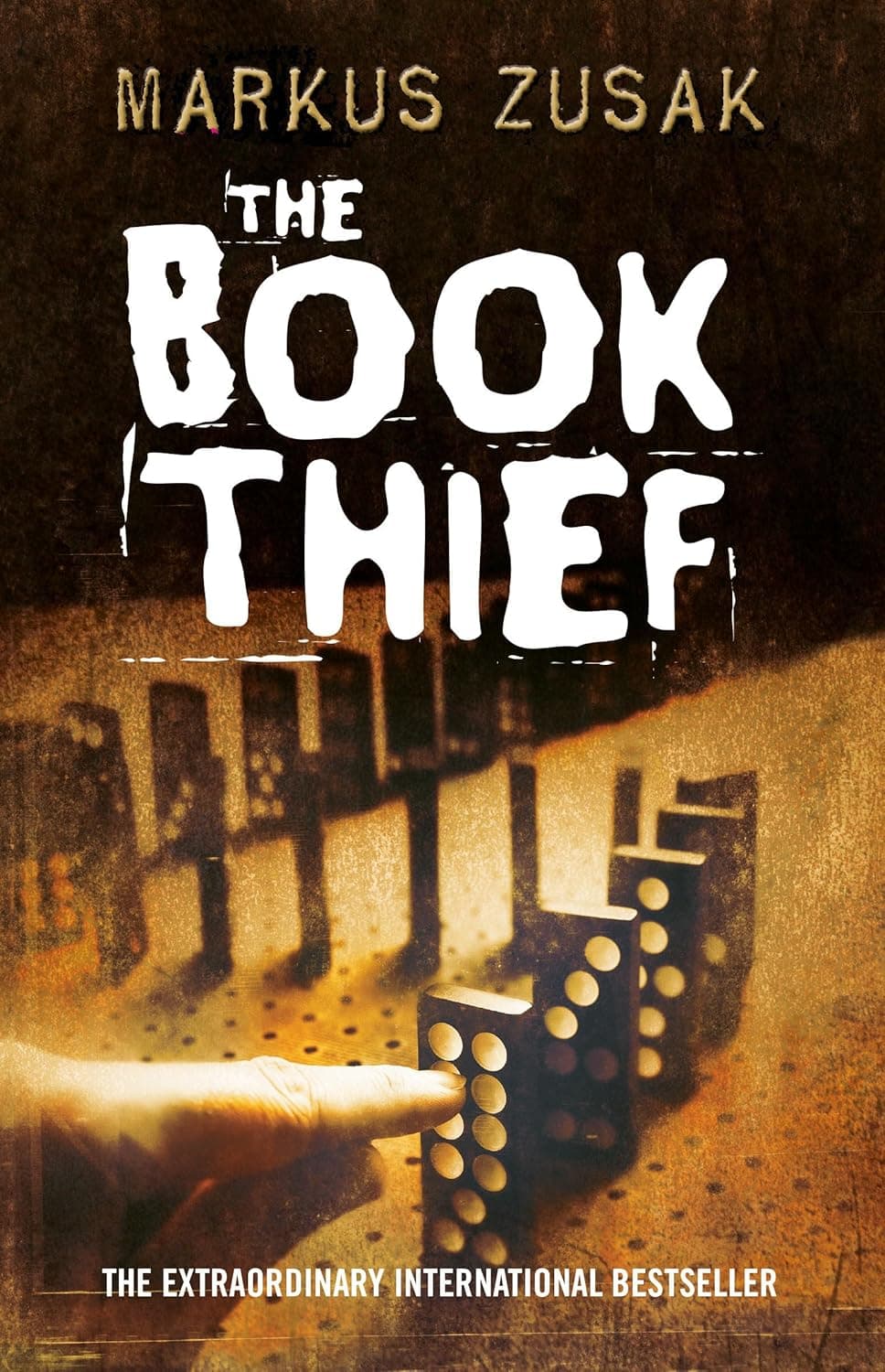
The Book Thief
- Shared ground
- Both books treat family loyalty as a source of both protection and pressure.
- What changes
- The Book Thief also follows a child learning how ordinary communities accommodate cruelty, but its wartime setting and unusual narrator create a more openly stylized story about words and complicity.
- Best for
- Older teens and adults who accept lyrical sentiment and want wartime fiction centered on reading, foster family, and civilian moral choices.
- Pace Balanced
- Darkness Gentle
- Romance Minimal
- Difficulty Accessible
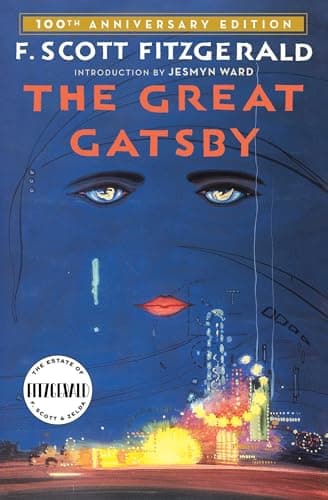
The Great Gatsby
- Shared ground
- Both books make a past period materially important to the characters rather than decorative scenery.
- What changes
- The Great Gatsby uses a reflective narrator to expose privilege from closer to adulthood. Choose it for class and self-invention; choose Mockingbird for childhood, law, and community morality.
- Best for
- Readers drawn to concise literary tragedy, unreliable admiration, class, reinvention, and prose that rewards rereading.
- Pace Balanced
- Darkness Moderate
- Romance Minimal
- Difficulty Moderate
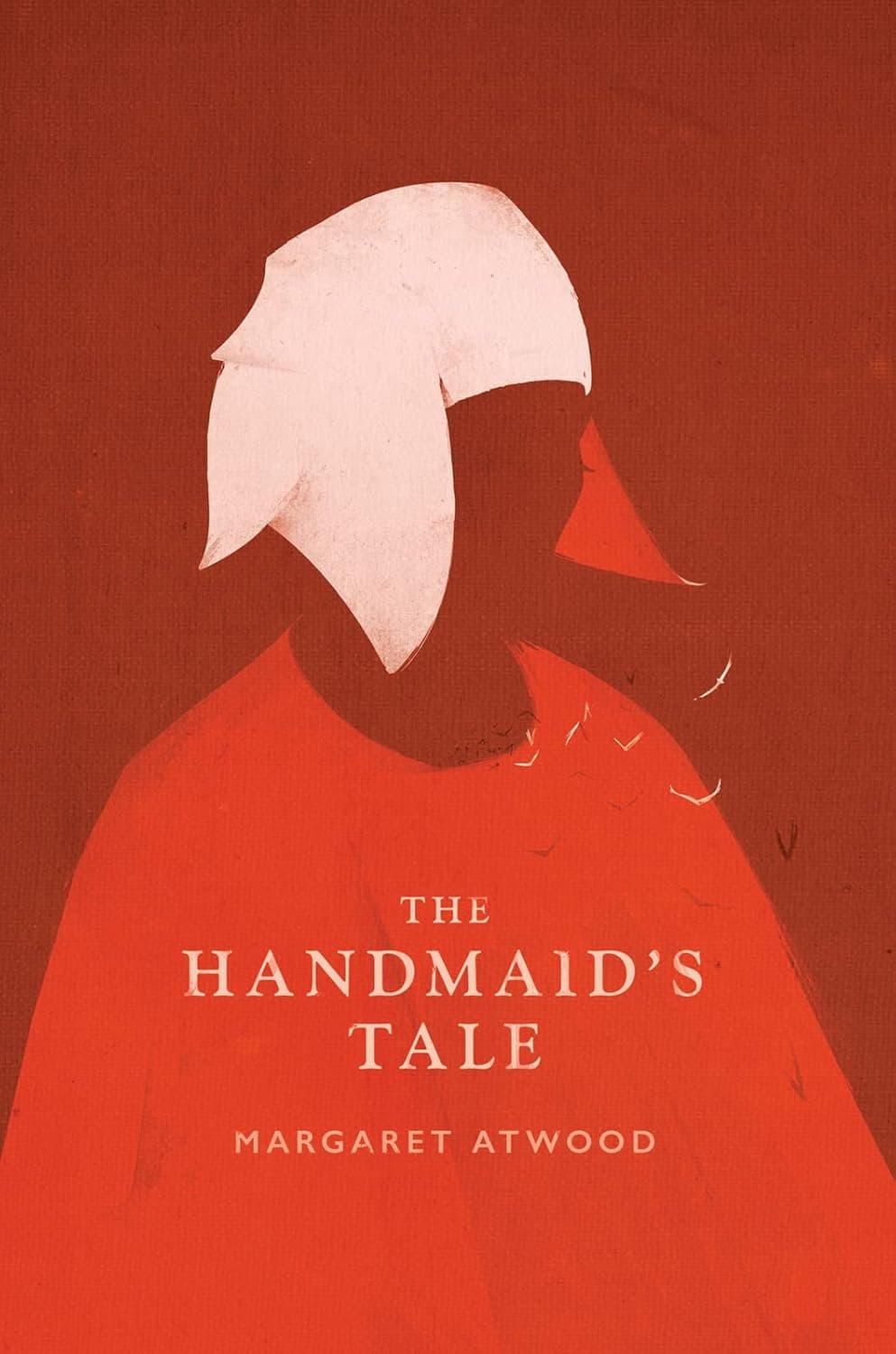
The Handmaid's Tale
- Shared ground
- Both books reward attention to voice, social context, and the consequences of mistaken judgment.
- What changes
- The Handmaid's Tale places injustice inside the narrator's own constrained body and language. It is a harsher choice for readers interested in how law converts prejudice into daily ritual.
- Best for
- Readers interested in reproductive control, memory, religious authoritarianism, and narrators whose uncertainty is part of their resistance.
- Pace Measured
- Darkness Moderate
- Romance Minimal
- Difficulty Moderate
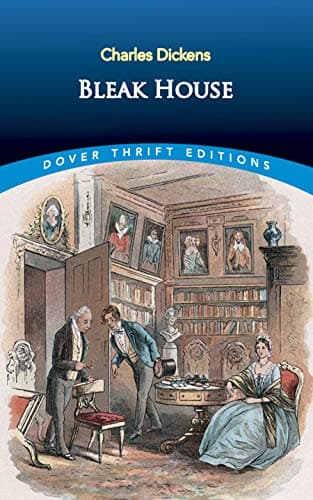
Bleak House
- Shared ground
- Both books treat family loyalty as a source of both protection and pressure.
- What changes
- Bleak House has a similar overall reading load, but changes the emphasis. Esther's intimate narration and the present-tense panoramic voice reveal different truths about Chancery, while the mystery gives institutional criticism a human cost.
- Best for
- Patient readers wanting Victorian London, legal satire, family mystery, dual narration, disease, and a vast connected cast.
- Pace Measured
- Darkness Moderate
- Romance Minimal
- Difficulty Moderate
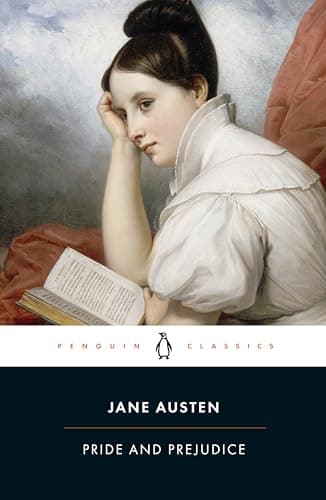
Pride and Prejudice
- Shared ground
- Both books treat family loyalty as a source of both protection and pressure.
- What changes
- Pride and Prejudice is more romance-led than To Kill a Mockingbird. Every conversation does two jobs.
- Best for
- Readers who enjoy slow-burn romance, social comedy, and protagonists intelligent enough to be convincingly wrong.
- Pace Balanced
- Darkness Gentle
- Romance Central
- Difficulty Moderate
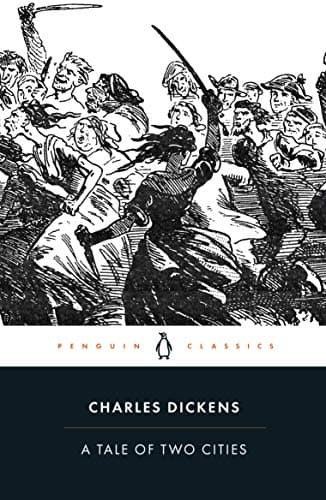
A Tale of Two Cities
- Shared ground
- Both books treat family loyalty as a source of both protection and pressure.
- What changes
- A Tale of Two Cities has a similar overall reading load, but changes the emphasis. London and Paris, resurrection, resemblance, imprisonment, and vengeance repeat in altered forms until private lives and revolution become inseparable.
- Best for
- Readers wanting revolution, sacrifice, courtroom suspense, family devotion, and a shorter but denser Dickens novel.
- Pace Balanced
- Darkness Moderate
- Romance Minimal
- Difficulty Moderate
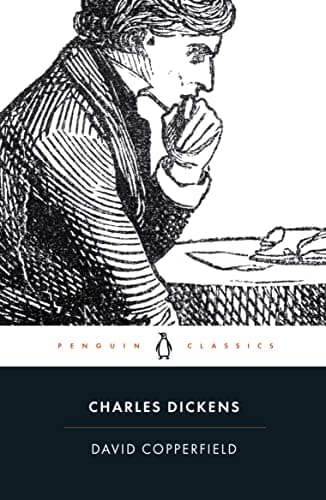
David Copperfield
- Shared ground
- Both books make a past period materially important to the characters rather than decorative scenery.
- What changes
- David Copperfield has a similar overall reading load, but changes the emphasis. Childhood fear, work, friendship, marriage, writing, and memory create a full life, while figures such as Betsey Trotwood and Mr.
- Best for
- Readers ready for a long Victorian life novel about childhood, work, friendship, love, memory, and becoming a writer.
- Pace Measured
- Darkness Gentle
- Romance Minimal
- Difficulty Moderate
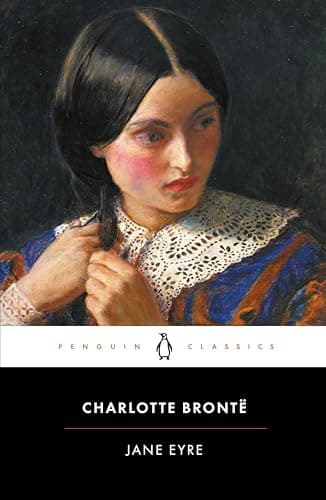
Jane Eyre
- Shared ground
- Both books make a past period materially important to the characters rather than decorative scenery.
- What changes
- Jane Eyre is more romance-led than To Kill a Mockingbird. Jane's voice holds the novel together from childhood deprivation through adult desire.
- Best for
- Readers who want an intense first-person classic combining romance, moral independence, work, and Gothic secrecy.
- Pace Measured
- Darkness Gentle
- Romance Central
- Difficulty Moderate
Oliver Twist
- Shared ground
- Both books make a past period materially important to the characters rather than decorative scenery.
- What changes
- Oliver Twist has a similar overall reading load, but changes the emphasis. Workhouse language, hunger, Fagin's den, the streets, and Nancy's divided loyalty make respectable cruelty and criminal danger part of one economy.
- Best for
- Readers interested in Victorian poverty, crime, institutional satire, and a classic that requires discussion of harmful representation.
- Pace Measured
- Darkness Gentle
- Romance Minimal
- Difficulty Moderate
Great Expectations
- Shared ground
- Both books make a past period materially important to the characters rather than decorative scenery.
- What changes
- Great Expectations has a similar overall reading load, but changes the emphasis. Joe, Magwitch, Estella, Miss Havisham, money, and gentility repeatedly expose the difference between Pip's polished self-story and the loyalties he neglects.
- Best for
- Readers wanting an accessible Dickens novel about class, guilt, love, money, and a narrator learning to read his own past.
- Pace Balanced
- Darkness Gentle
- Romance Minimal
- Difficulty Moderate
Side-by-side
Pace, darkness, romance, and difficulty
Use these labels as directional guidance. The individual notes above explain the tradeoffs.
| Book | Pace | Darkness | Romance | Difficulty |
|---|---|---|---|---|
| To Kill a Mockingbird | Balanced | Moderate | Minimal | Moderate |
| The Book Thief | Balanced | Gentle | Minimal | Accessible |
| The Great Gatsby | Balanced | Moderate | Minimal | Moderate |
| The Handmaid's Tale | Measured | Moderate | Minimal | Moderate |
| Bleak House | Measured | Moderate | Minimal | Moderate |
| Pride and Prejudice | Balanced | Gentle | Central | Moderate |
| A Tale of Two Cities | Balanced | Moderate | Minimal | Moderate |
| David Copperfield | Measured | Gentle | Minimal | Moderate |
| Jane Eyre | Measured | Gentle | Central | Moderate |
| Oliver Twist | Measured | Gentle | Minimal | Moderate |
| Great Expectations | Balanced | Gentle | Minimal | Moderate |
Keep exploring
Explore another Books Like guide
Start from another familiar book and compare a new set of reading paths.