What to read next
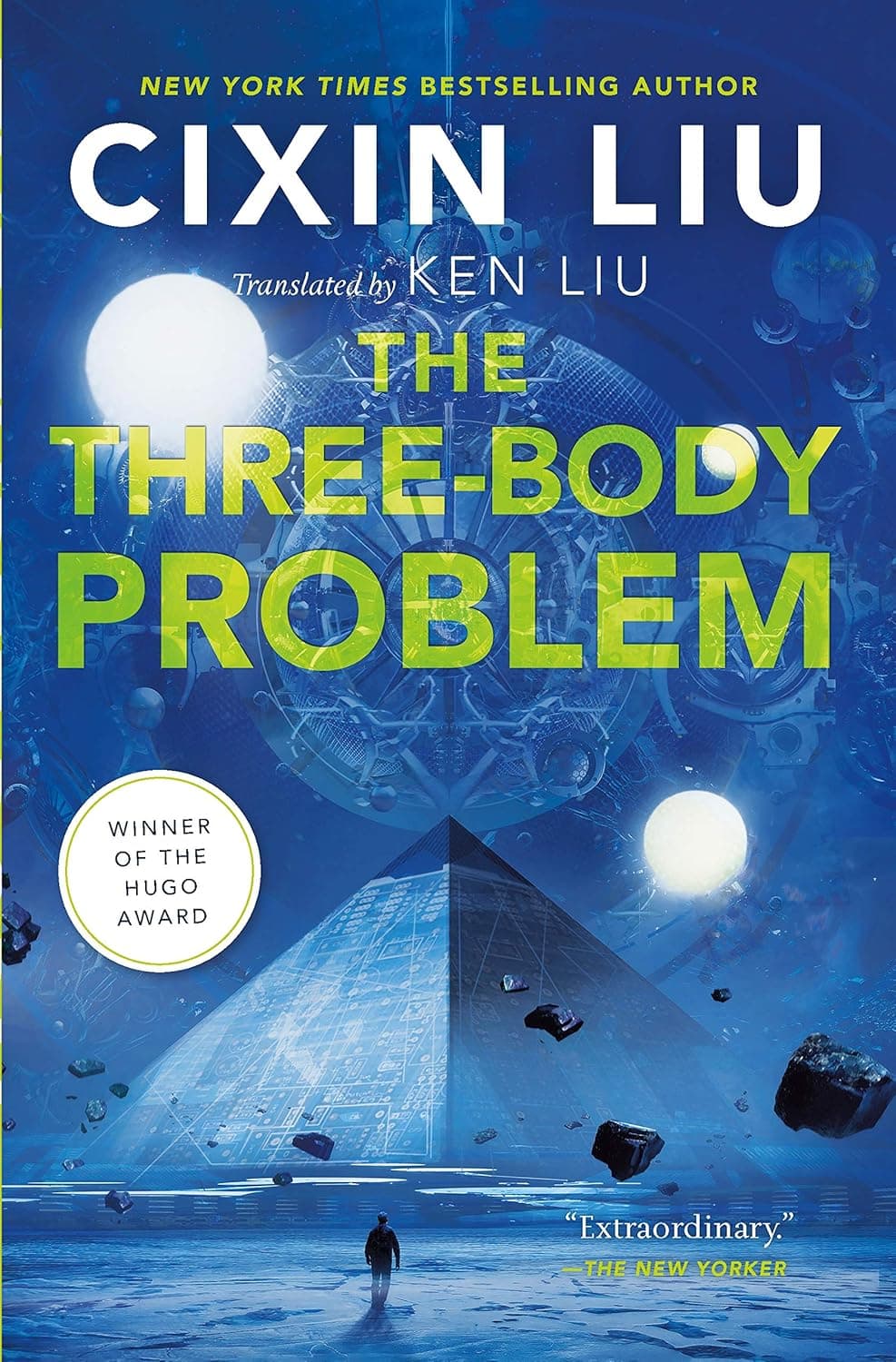
10 books like The Three-Body Problem
The Cultural Revolution, Red Coast, failing experiments, and the game all ask why intelligent people might lose faith in humanity before an alien threat ever becomes concrete.
Read my review of The Three-Body Problem by Liu Cixin.
Best matches
Three strong places to start
If you only want three picks, start here.
Best overall
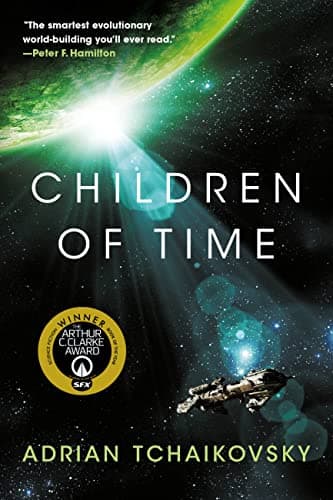
Fastest read
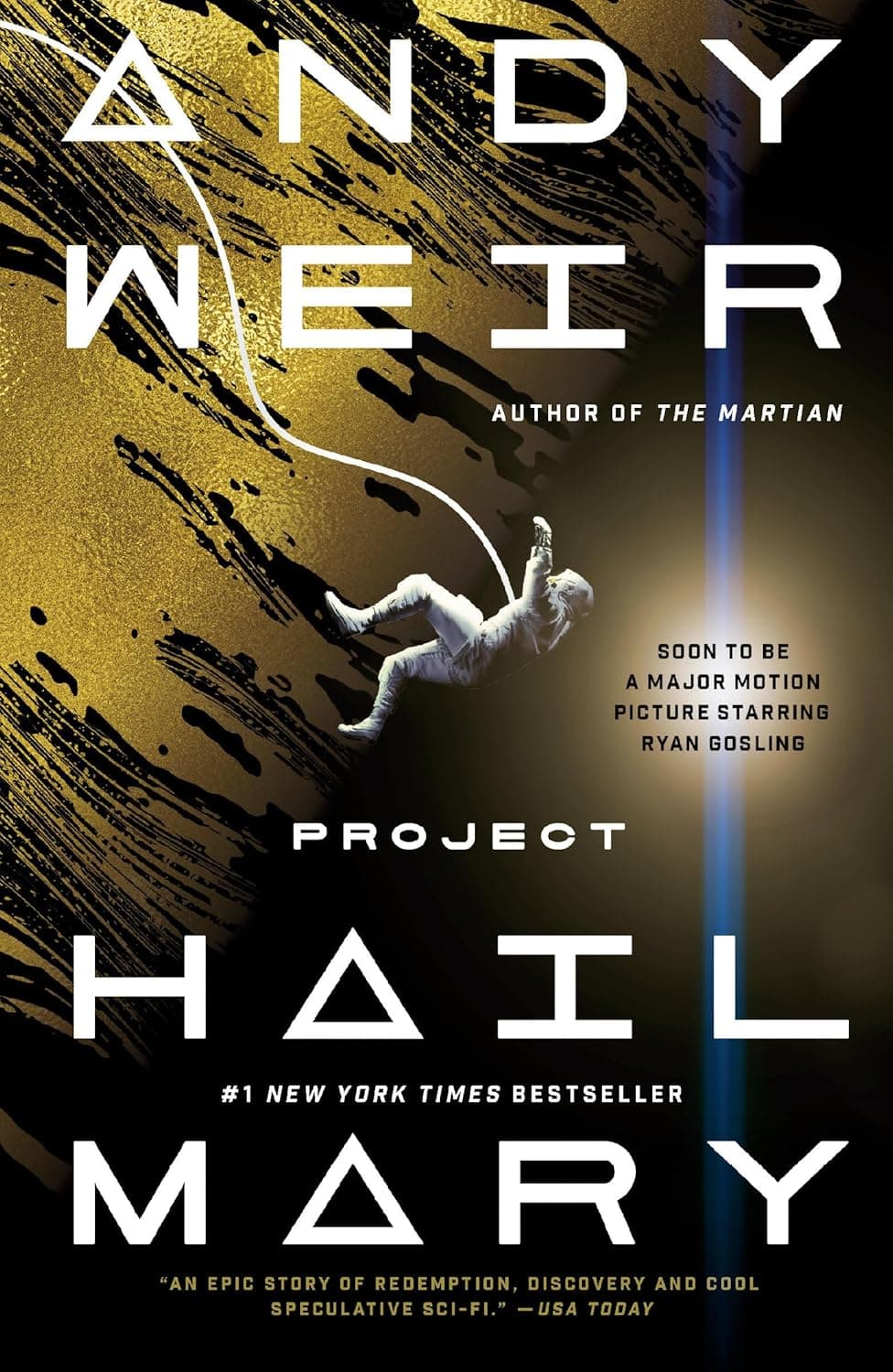
Best alternative
Choose by reading mood
Where to start
For the fastest pace
Project Hail Mary
BalancedFor the gentlest option
Children of Time
GentleFor minimal romance
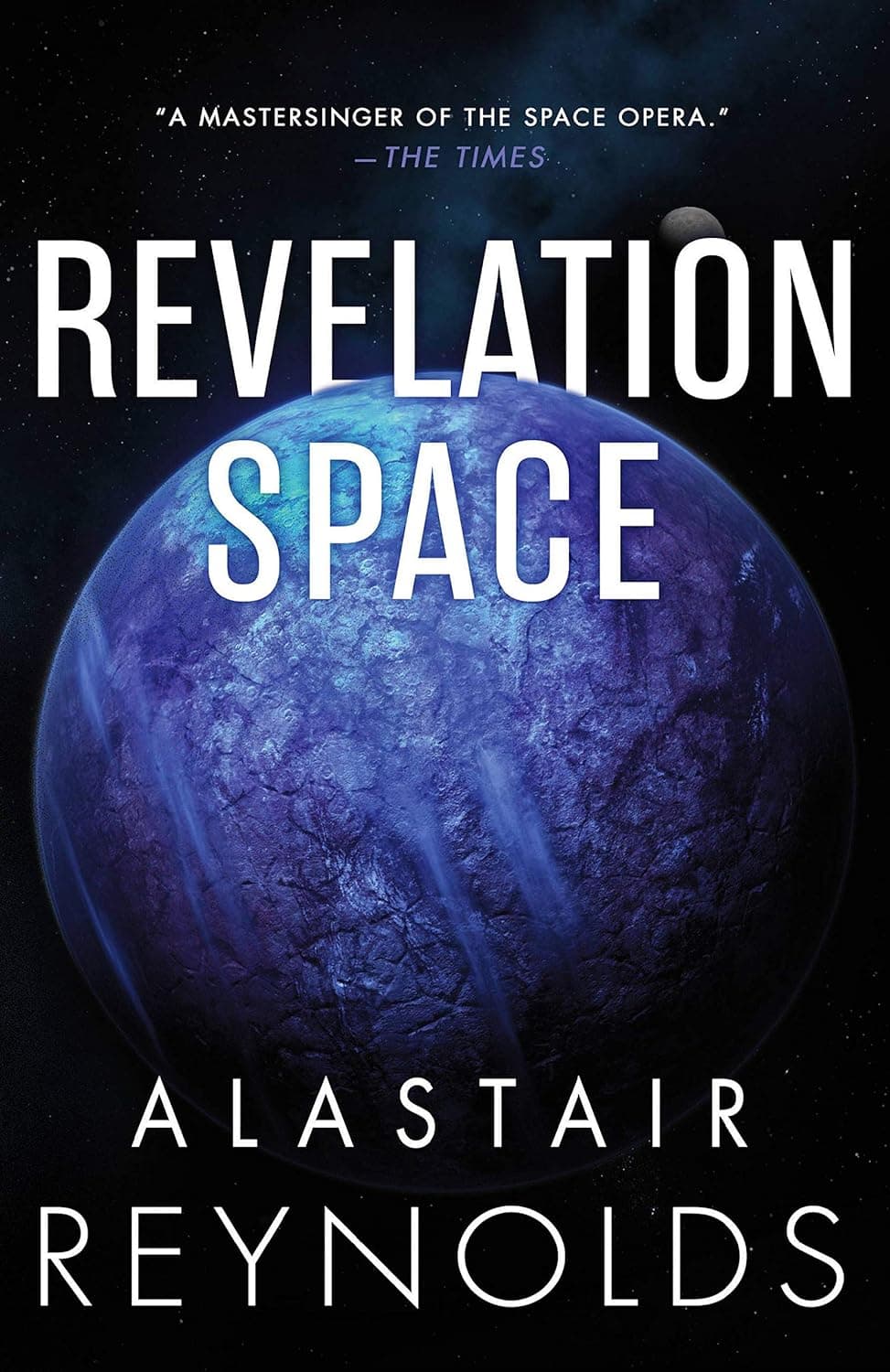
Revelation Space
MinimalFor the easiest entry
Contact
ModerateThe full shortlist
Why each book belongs here
See what each pick shares with The Three-Body Problem, and where it goes in a different direction.
1
Children of Time
- Pace
- Balanced
- Darkness
- Gentle
- Romance
- Minimal
- Difficulty
- Moderate
Why this matches
- Similar because
- Children of Time also treats first contact as a problem of interpretation between minds shaped by different histories and bodies. Scientific discovery changes the survival prospects of whole civilizations.
- Different because
- Children of Time develops alien intelligence through evolutionary storytelling and offers warmer emotional access despite its long time scale.
2
Revelation Space
- Pace
- Measured
- Darkness
- Gentle
- Romance
- Minimal
- Difficulty
- Demanding
Why this matches
- Similar because
- Revelation Space begins with scattered scientific evidence that points toward a threat operating on a civilizational scale. Researchers, institutions, and damaged witnesses disagree about what the pattern means.
- Different because
- Revelation Space is darker, denser space opera built around an extinction mystery; choose it for Gothic technology and morally difficult characters.
3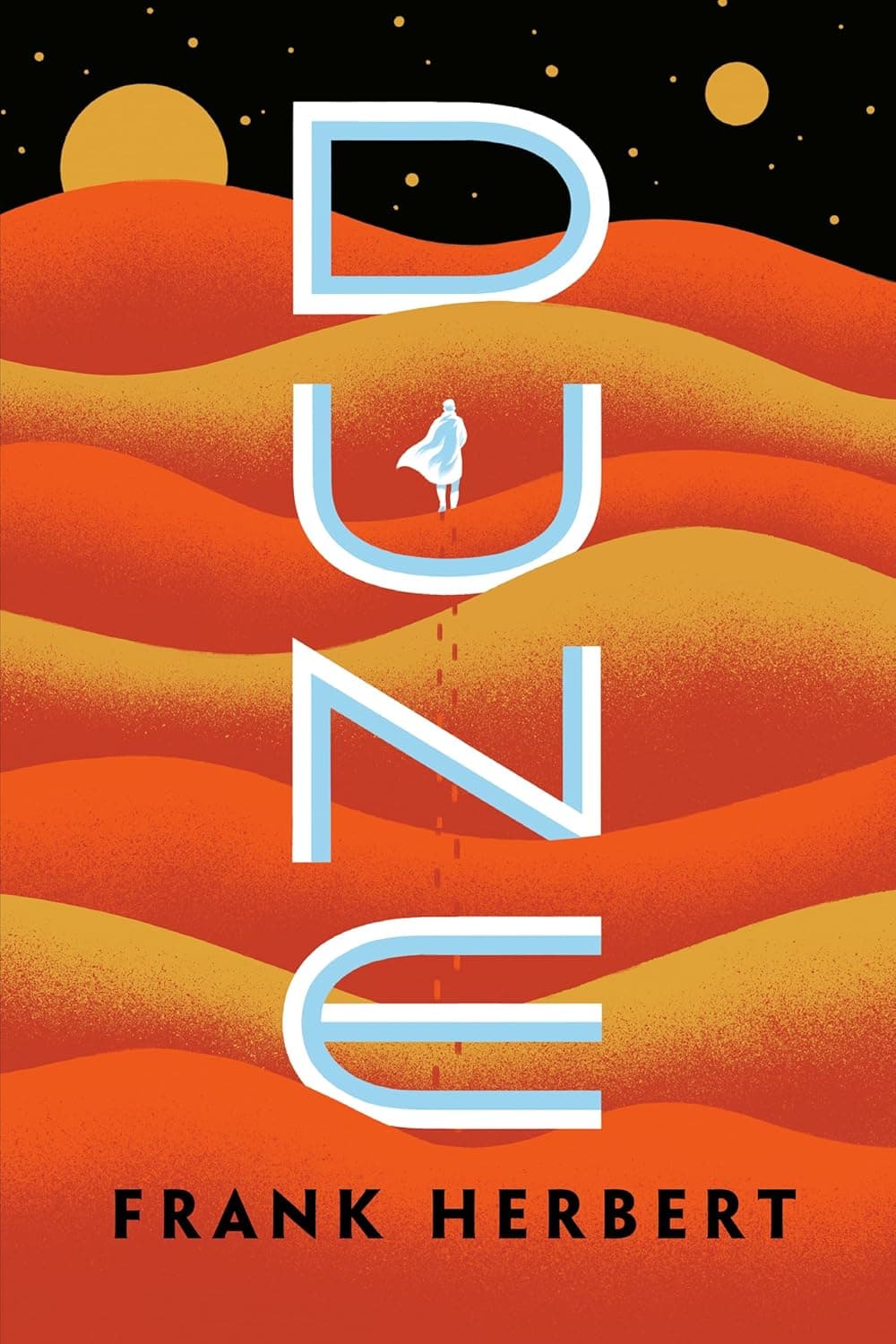
Dune
- Pace
- Balanced
- Darkness
- Moderate
- Romance
- Minimal
- Difficulty
- Demanding
Why this matches
- Similar because
- Dune also binds a family's political choices to ecology, belief, and the future of civilization. A large speculative idea matters because institutions decide how to use it.
- Different because
- Dune integrates politics and ecology inside one invented world, while Three-Body roots cosmic crisis more directly in modern history and physics.
4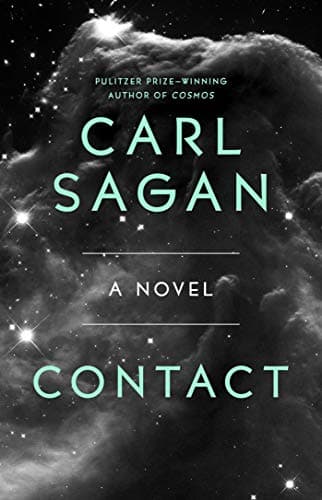
Contact
- Pace
- Measured
- Darkness
- Gentle
- Romance
- Minimal
- Difficulty
- Moderate
5
Project Hail Mary
- Pace
- Balanced
- Darkness
- Moderate
- Romance
- Minimal
- Difficulty
- Moderate
6
The Forever War
- Pace
- Measured
- Darkness
- Gentle
- Romance
- Minimal
- Difficulty
- Moderate
7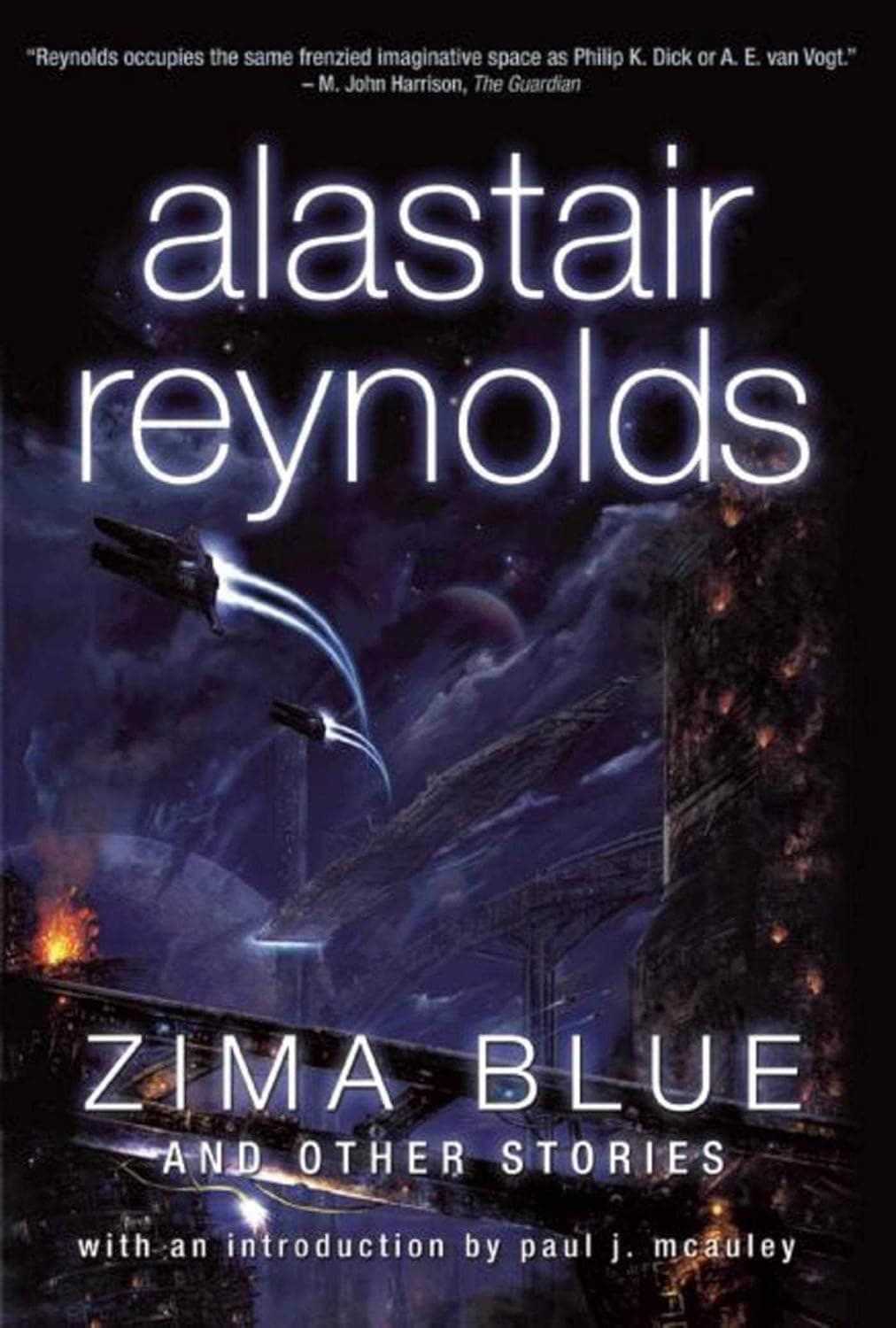
Zima Blue and Other Stories
- Pace
- Balanced
- Darkness
- Moderate
- Romance
- Minimal
- Difficulty
- Moderate
8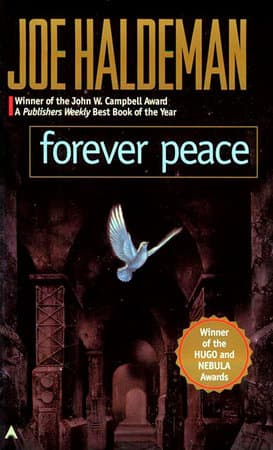
Forever Peace
- Pace
- Balanced
- Darkness
- Moderate
- Romance
- Minimal
- Difficulty
- Demanding
9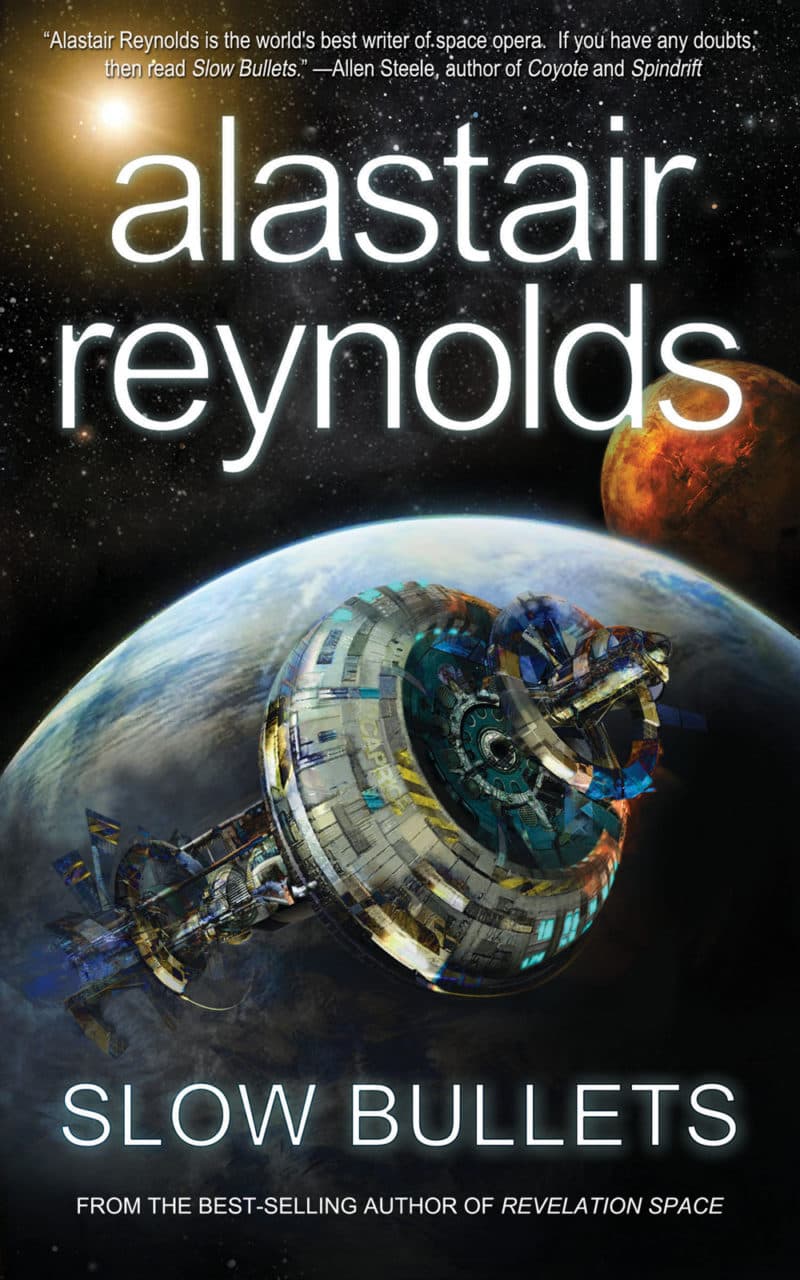
Slow Bullets
- Pace
- Measured
- Darkness
- Gentle
- Romance
- Minimal
- Difficulty
- Demanding
10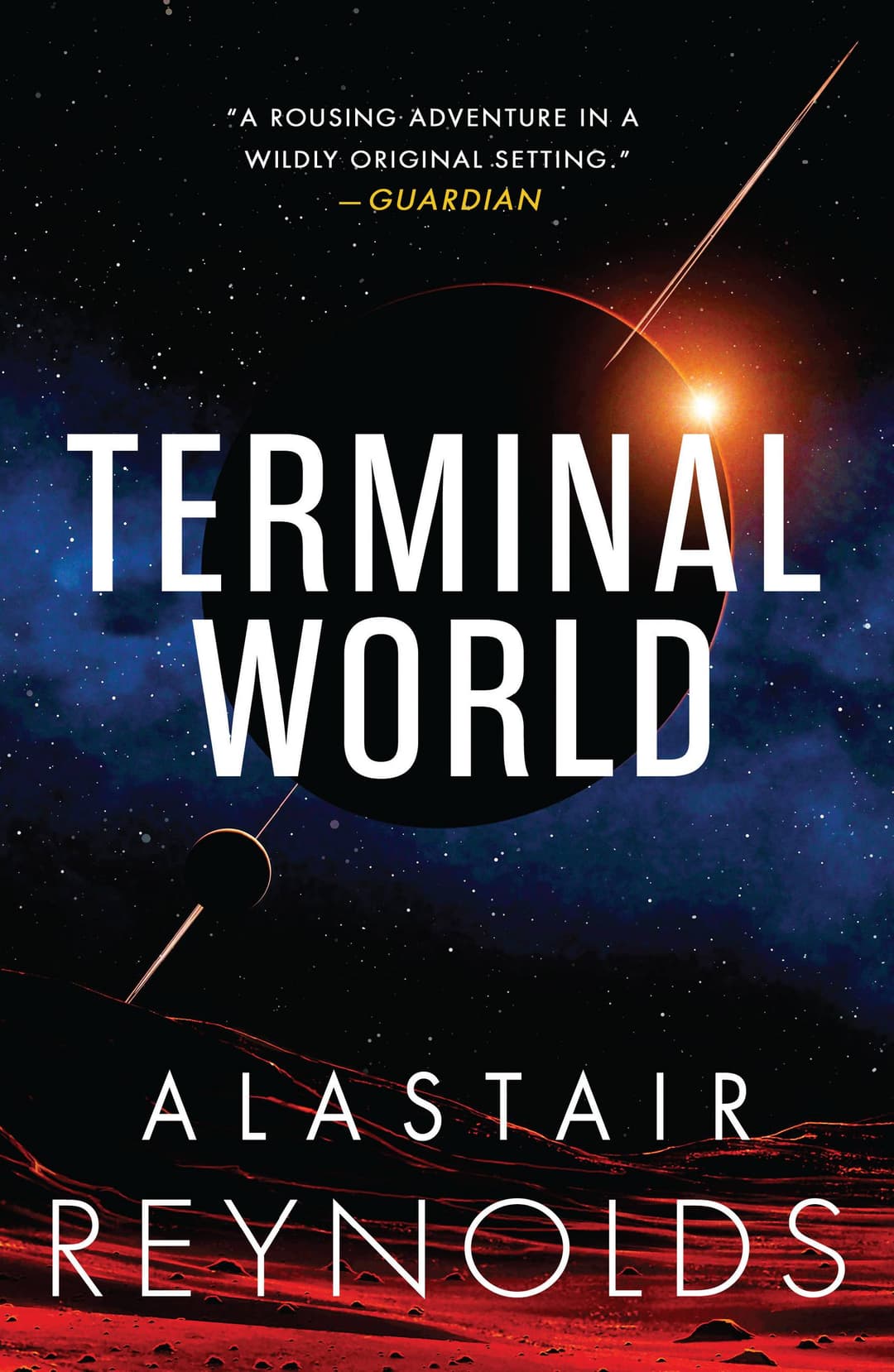
Terminal World
- Pace
- Balanced
- Darkness
- Gentle
- Romance
- Minimal
- Difficulty
- Moderate
Side-by-side
Pace, darkness, romance, and difficulty
| Book | Pace | Darkness | Romance | Difficulty |
|---|---|---|---|---|
| The Three-Body Problem | Balanced | Gentle | Minimal | Moderate |
| Children of Time | Balanced | Gentle | Minimal | Moderate |
| Revelation Space | Measured | Gentle | Minimal | Demanding |
| Dune | Balanced | Moderate | Minimal | Demanding |
| Contact | Measured | Gentle | Minimal | Moderate |
| Project Hail Mary | Balanced | Moderate | Minimal | Moderate |
| The Forever War | Measured | Gentle | Minimal | Moderate |
| Zima Blue and Other Stories | Balanced | Moderate | Minimal | Moderate |
| Forever Peace | Balanced | Moderate | Minimal | Demanding |
| Slow Bullets | Measured | Gentle | Minimal | Demanding |
| Terminal World | Balanced | Gentle | Minimal | Moderate |
Keep exploring
Explore another Books Like guide
Pick another book you know and see what to read next.