What to read next
10 books like The Girls Who Grew Big
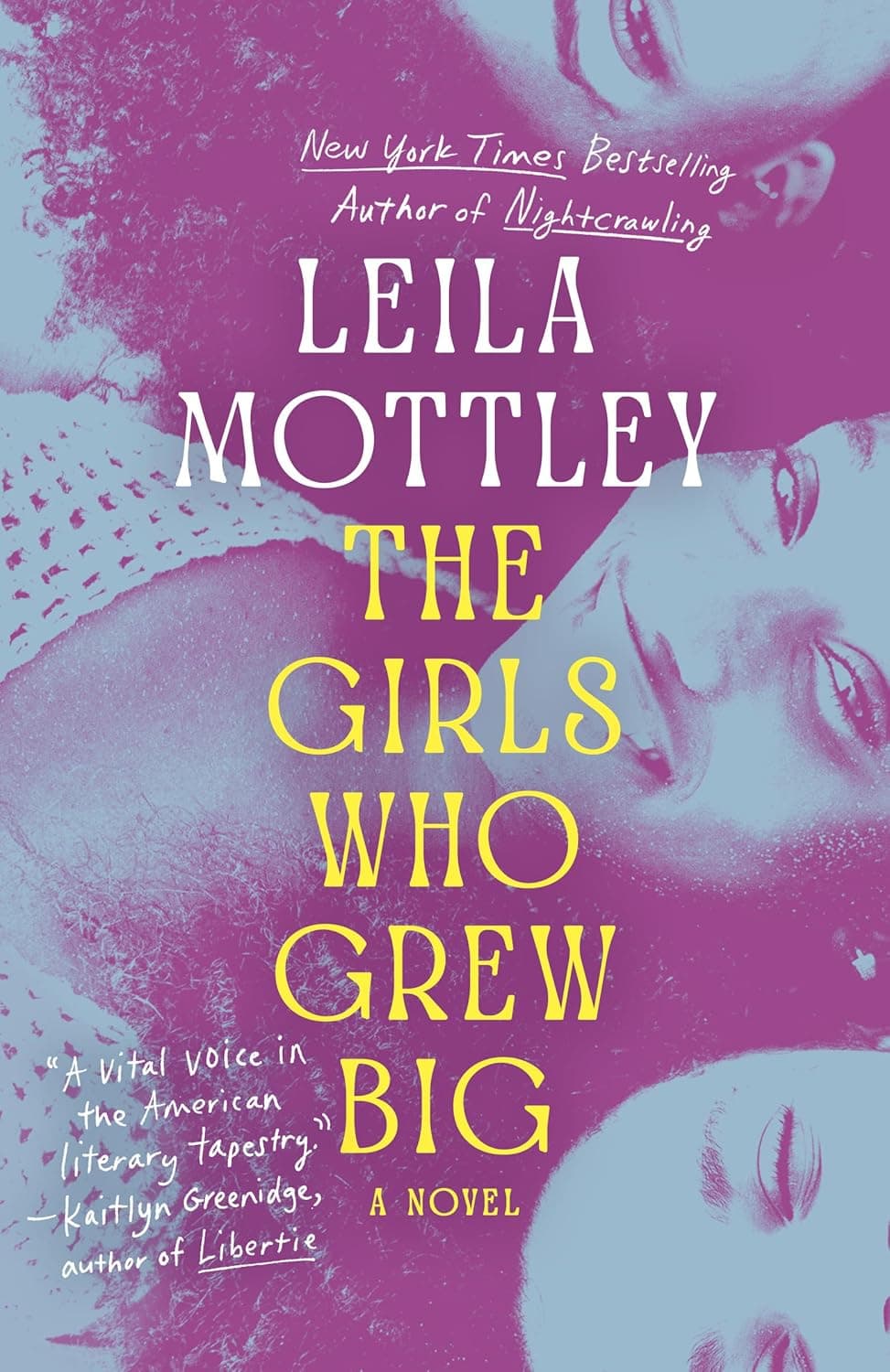
Adela, Emory, Simone, and the other Girls have distinct pressures and desires, while Padua Beach gives their makeshift support network a vivid social and physical setting. If that is what you want more of after The Girls Who Grew Big, these recommendations preserve that appeal in different ways, without pretending every similar book offers the same experience.
Start with our The Girls Who Grew Big review by Leila Mottley.

Choose by reading mood
Where to start
For the fastest read
Love by the Book
BriskFor the darkest read
Someone You Can Build a Nest In
DarkFor the strongest romance
Promise Me Sunshine
CentralFor the easiest entry
Funny Story
AccessibleThe full shortlist
Why each book belongs here
Each match is judged against The Girls Who Grew Big, not merely placed beside it because the books share a broad genre label.
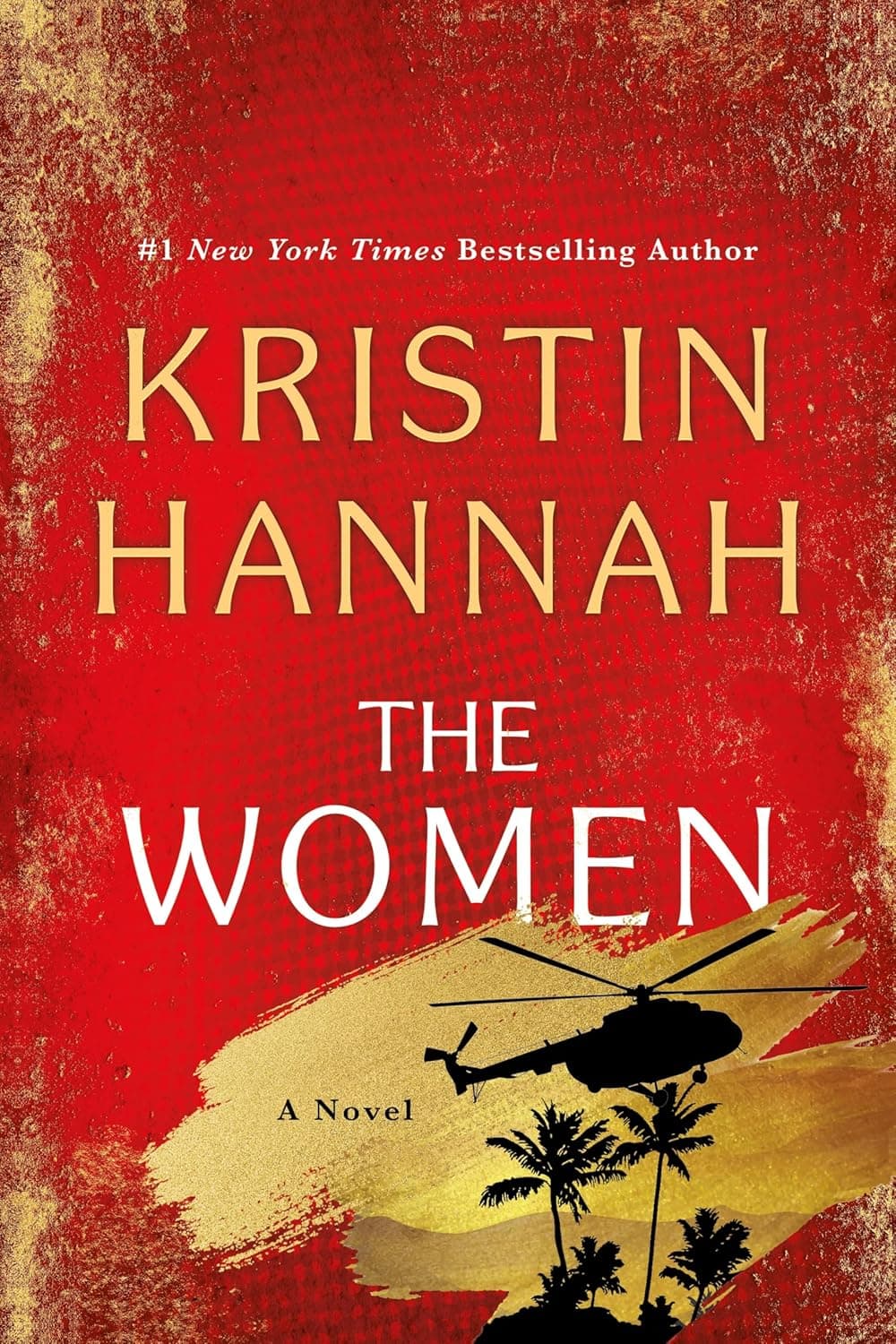
The Women
- Shared ground
- Both books make trust and companionship necessary to solving the central problem.
- What changes
- The Women also builds survival through female solidarity, but Mottley is less melodramatic and more attentive to class, youth, and daily caregiving.
- Best for
- Adult historical-fiction readers prepared for graphic injury, death, addiction, PTSD, sexism, and a deliberately intense account of Vietnam-era nurses.
- Pace Balanced
- Darkness Moderate
- Romance Minimal
- Difficulty Accessible
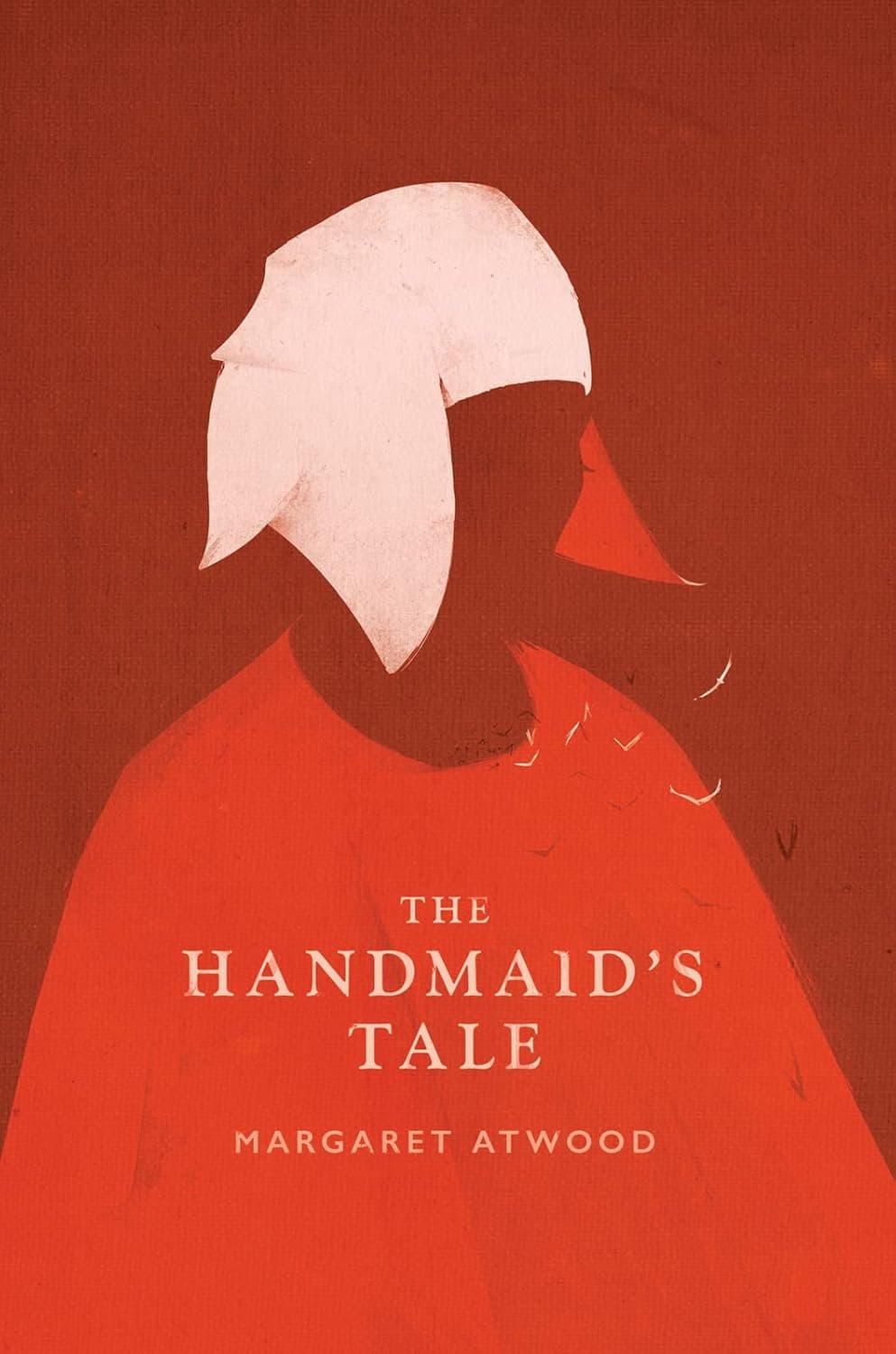
The Handmaid's Tale
- Shared ground
- Both reward readers who want a strong central premise and consequences that extend beyond the initial hook.
- What changes
- The Handmaid's Tale turns reproduction into state control; Mottley stays in a recognizable community where judgment, money, family, and friendship shape maternal choice.
- Best for
- Readers interested in reproductive control, memory, religious authoritarianism, and narrators whose uncertainty is part of their resistance.
- Pace Measured
- Darkness Moderate
- Romance Minimal
- Difficulty Moderate
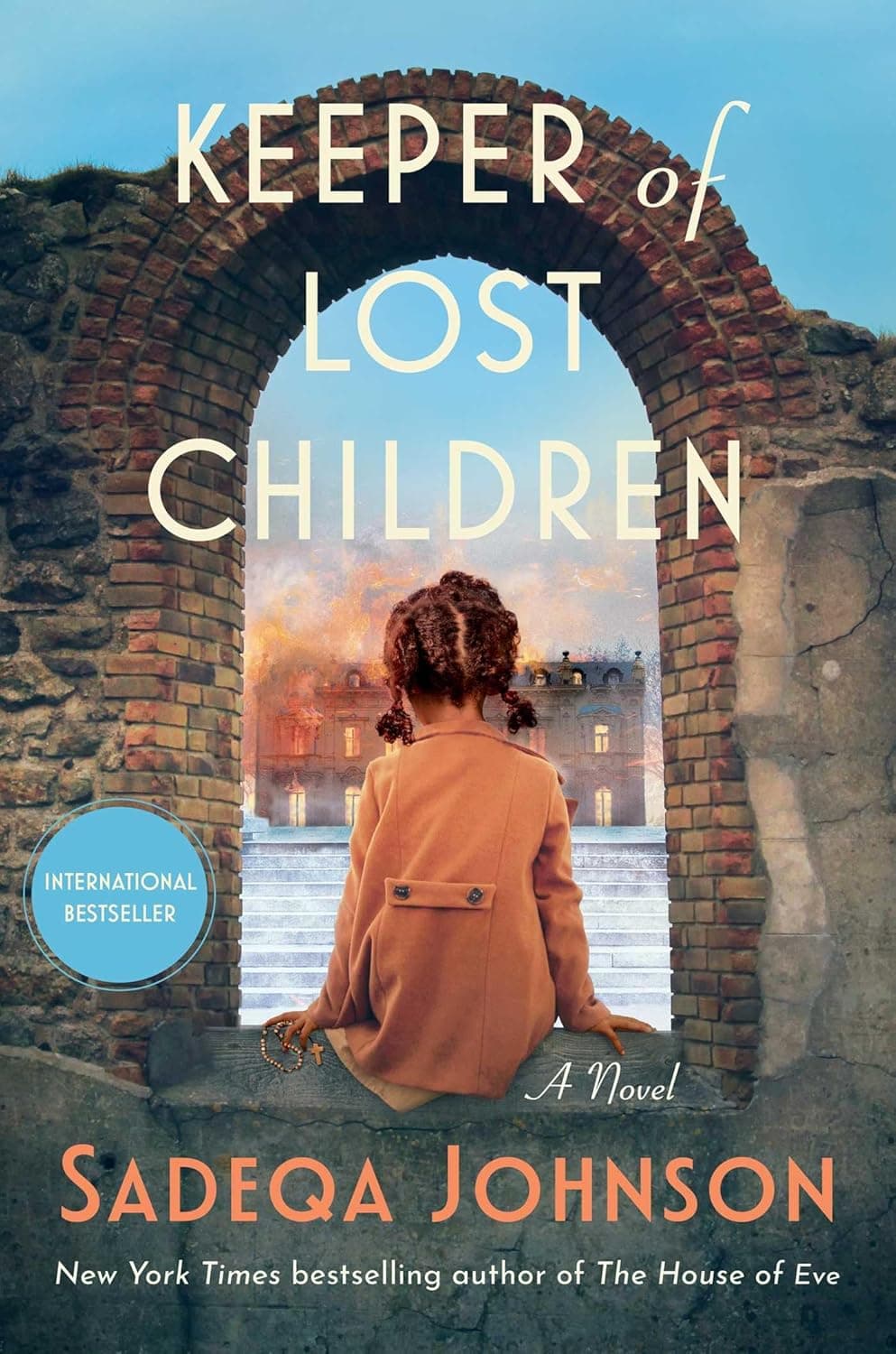
Keeper of Lost Children
- Shared ground
- Both books treat family loyalty as a source of both protection and pressure.
- What changes
- Keeper of Lost Children offers a broader historical saga about children and belonging, while Mottley remains close to contemporary young mothers speaking for themselves.
- Best for
- Historical-fiction readers wanting postwar Germany, Black military history, adoption, motherhood, identity, multiple timelines, and an emotionally generous family saga.
- Pace Balanced
- Darkness Gentle
- Romance Central
- Difficulty Moderate
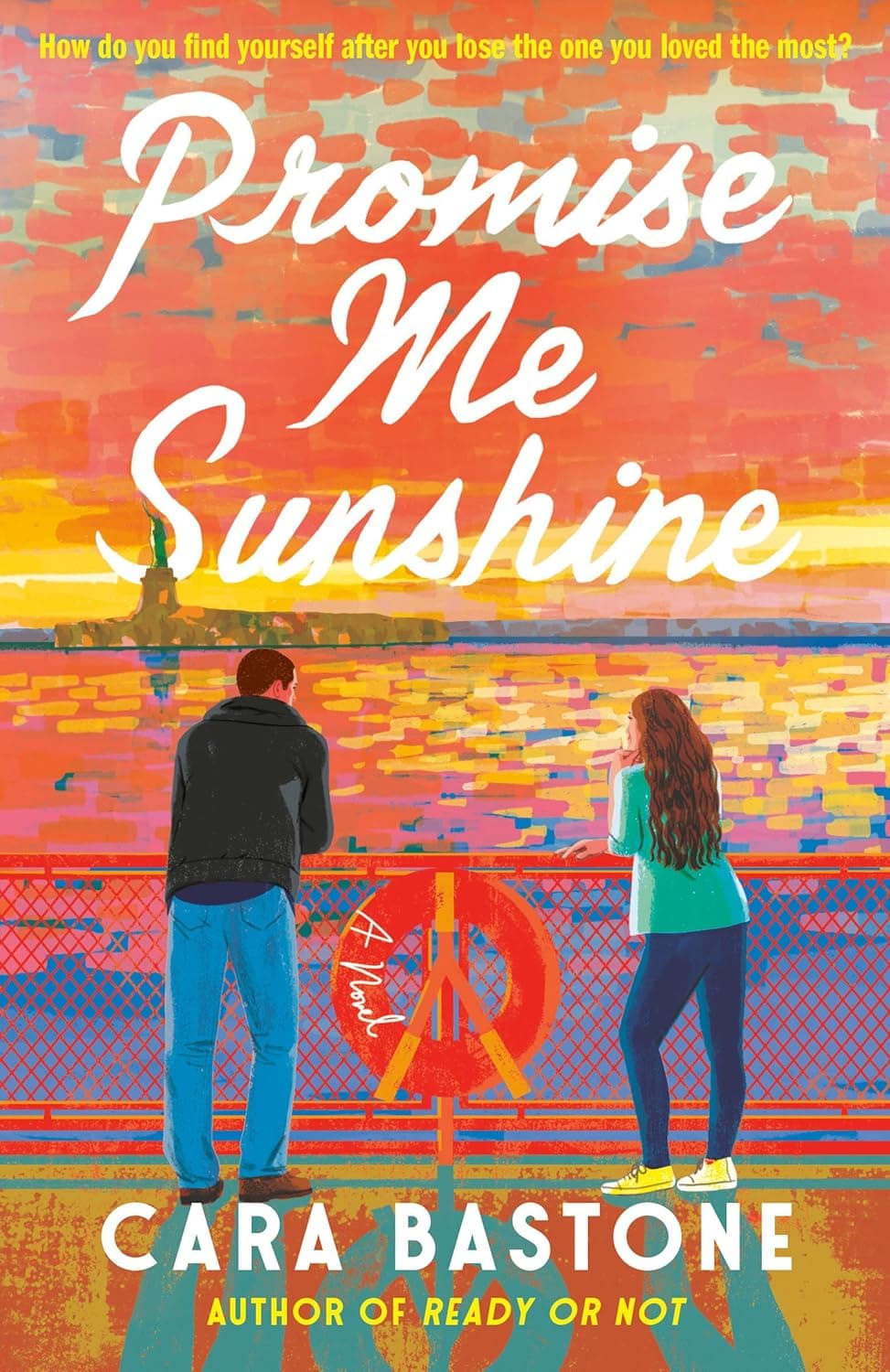
Promise Me Sunshine
- Shared ground
- Both books treat family loyalty as a source of both protection and pressure.
- What changes
- Promise Me Sunshine is more measured than The Girls Who Grew Big. Lenny and Miles help each other through meals, childcare, sleep, family conversations, and a list of manageable tasks, so affection grows from repeated care rather than rescue fantasy.
- Best for
- Contemporary-romance readers comfortable with cancer loss, depression, and anxiety who want caretaking, found family, low external drama, and a genuinely gradual relationship.
- Pace Measured
- Darkness Moderate
- Romance Central
- Difficulty Accessible
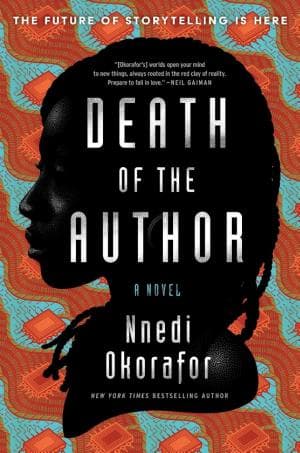
Death of the Author
- Shared ground
- Both books treat family loyalty as a source of both protection and pressure.
- What changes
- Death of the Author is less focused on romance than The Girls Who Grew Big. Zelu's disability, Nigerian American family, failed academic career, and embedded robot novel create several competing accounts of authorship rather than one allegorical answer.
- Best for
- Readers of literary science fiction interested in disability, Nigerian diasporic family, publishing, artificial life, adaptation, fame, and stories embedded inside stories.
- Pace Balanced
- Darkness Moderate
- Romance Light subplot
- Difficulty Accessible
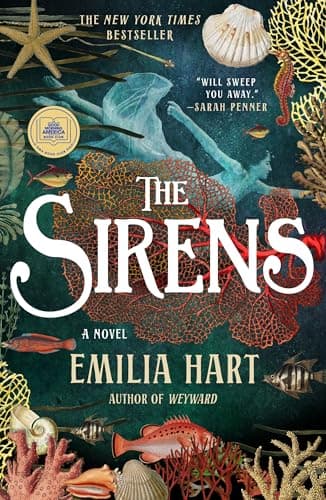
The Sirens
- Shared ground
- Both books treat family loyalty as a source of both protection and pressure.
- What changes
- The Sirens is less focused on romance than The Girls Who Grew Big. Lucy's fear, Jess's disappearance, historical women, and coastal folklore give bodily change a family history rather than treating it as an isolated supernatural event.
- Best for
- Readers of atmospheric women's fiction wanting sisters, Australian coast, historical timelines, sea folklore, family inheritance, and light speculative horror.
- Pace Balanced
- Darkness Moderate
- Romance Light subplot
- Difficulty Accessible
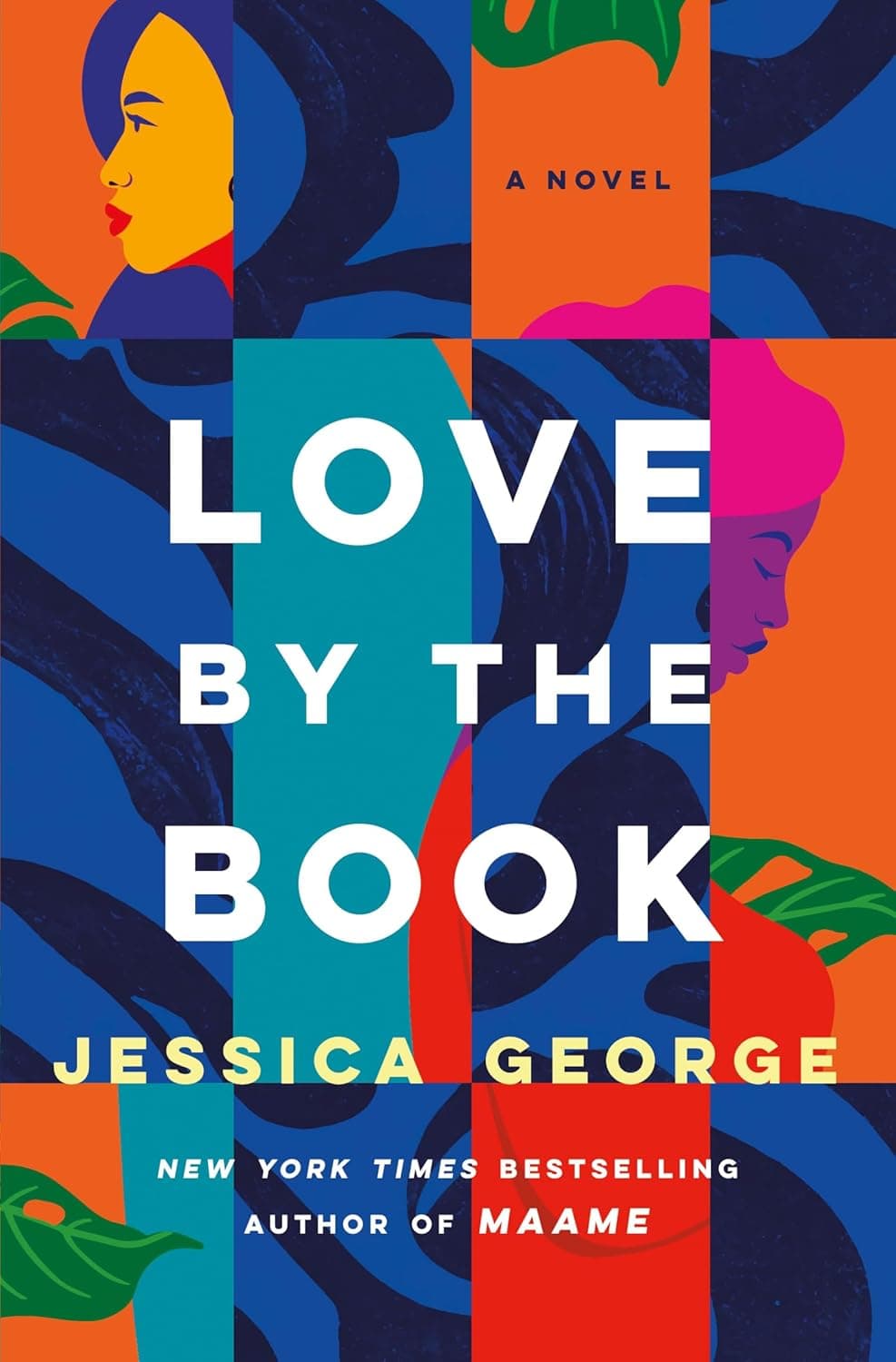
Love by the Book
- Shared ground
- Both books treat family loyalty as a source of both protection and pressure.
- What changes
- Love by the Book is gentler than The Girls Who Grew Big. Remy's stalled second novel and Simone's family rupture create distinct forms of isolation, allowing work, sex, ambition, and friendship to collide without one tidy solution.
- Best for
- Readers of contemporary women's fiction who want female friendship, creative work, family conflict, loneliness, humor, and love that is not organized around one couple.
- Pace Brisk
- Darkness Gentle
- Romance Central
- Difficulty Accessible
Funny Story
- Shared ground
- Both books treat family loyalty as a source of both protection and pressure.
- What changes
- Funny Story is gentler and easier to enter than The Girls Who Grew Big. Daphne's library work, Miles's local ties, their exes, and new friendships make the town and chosen routines part of emotional recovery.
- Best for
- Adult romance readers wanting forced proximity, small-city community, humor, books, friendship, and emotionally available growth.
- Pace Balanced
- Darkness Gentle
- Romance Central
- Difficulty Accessible
Someone You Can Build a Nest In
- Shared ground
- Both books use distance, alien environments, or interstellar travel to change the scale of the conflict.
- What changes
- Someone You Can Build a Nest In is darker than The Girls Who Grew Big. Shesheshen's improvised bodies and reproductive instincts remain genuinely alien, while Homily's family reveals how ordinary cruelty can be harder to identify than monstrosity.
- Best for
- Readers wanting queer monster romance, body horror, disability themes, abusive-family recovery, dark comedy, and a protagonist whose nonhuman nature remains meaningful.
- Pace Balanced
- Darkness Dark
- Romance Central
- Difficulty Accessible
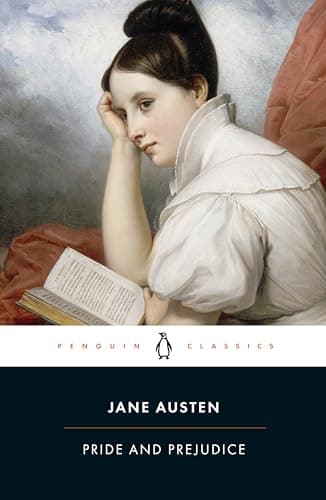
Pride and Prejudice
- Shared ground
- Both books treat family loyalty as a source of both protection and pressure.
- What changes
- Pride and Prejudice is more measured and more demanding than The Girls Who Grew Big. Every conversation does two jobs.
- Best for
- Readers who enjoy slow-burn romance, social comedy, and protagonists intelligent enough to be convincingly wrong.
- Pace Balanced
- Darkness Gentle
- Romance Central
- Difficulty Moderate
Side-by-side
Pace, darkness, romance, and difficulty
Use these labels as directional guidance. The individual notes above explain the tradeoffs.
| Book | Pace | Darkness | Romance | Difficulty |
|---|---|---|---|---|
| The Girls Who Grew Big | Balanced | Gentle | Central | Accessible |
| The Women | Balanced | Moderate | Minimal | Accessible |
| The Handmaid's Tale | Measured | Moderate | Minimal | Moderate |
| Keeper of Lost Children | Balanced | Gentle | Central | Moderate |
| Promise Me Sunshine | Measured | Moderate | Central | Accessible |
| Death of the Author | Balanced | Moderate | Light subplot | Accessible |
| The Sirens | Balanced | Moderate | Light subplot | Accessible |
| Love by the Book | Brisk | Gentle | Central | Accessible |
| Funny Story | Balanced | Gentle | Central | Accessible |
| Someone You Can Build a Nest In | Balanced | Dark | Central | Accessible |
| Pride and Prejudice | Balanced | Gentle | Central | Moderate |
Keep exploring
Explore another Books Like guide
Start from another familiar book and compare a new set of reading paths.