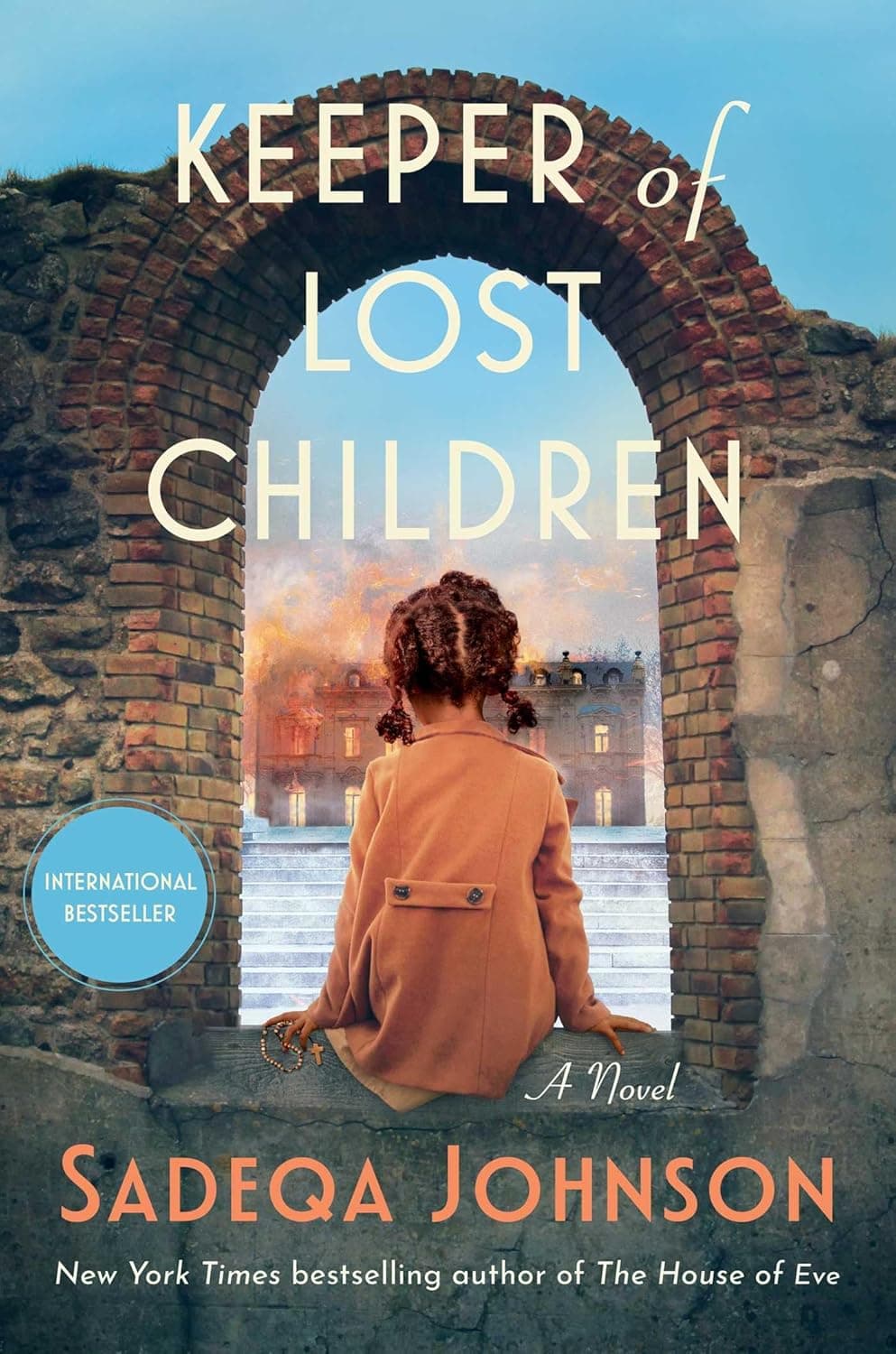
Should you read Keeper of Lost Children?
What works
Its shifting lives connect Black American soldiers, German women, mixed-race children, and an American woman seeking purpose without reducing any one of them to historical illustration.
What may not work for you
The converging timelines rely on a few convenient intersections, and some explanatory passages state the historical significance more directly than the characters need.
What may test your patience
The separate perspectives take time to establish before their family and institutional connections begin to generate momentum.
Does the ending reward the effort?
Yes. The final connections honor endurance and care while refusing to erase the losses produced by war, racism, and forced separation.
Reading Keeper of Lost Children closely
Keeper of Lost Children follows several lives shaped by the years after World War II, when peace does not settle who belongs to which country or family. Black American soldiers, German women, mixed-race children, and an American woman looking for purpose encounter different parts of the same problem.
Documents carry unusual power here. A record can give a child an official identity, support an adoption, or hide a family connection that memory has preserved. Race and nationality affect which account an institution will accept, so care alone is not enough to decide where a child can safely live.
The separate timelines need patience before their links become clear, and a few intersections are more convenient than convincing. The novel is strongest in ordinary work: feeding a child, writing down a name, asking who has authority, and deciding whether protection means keeping a secret or correcting the record.
The ending connects the families without pretending that later care erases war, racism, or forced separation. Our women's fiction collection includes more novels centered on family decisions.
What works in Keeper of Lost Children
The different lives show how the same postwar rules affect soldiers, mothers, and children differently.
Records, names, and family claims make institutional decisions as important as private intention.
Small acts of feeding, writing, and caregiving keep the historical material tied to daily life.
Three useful comparisons
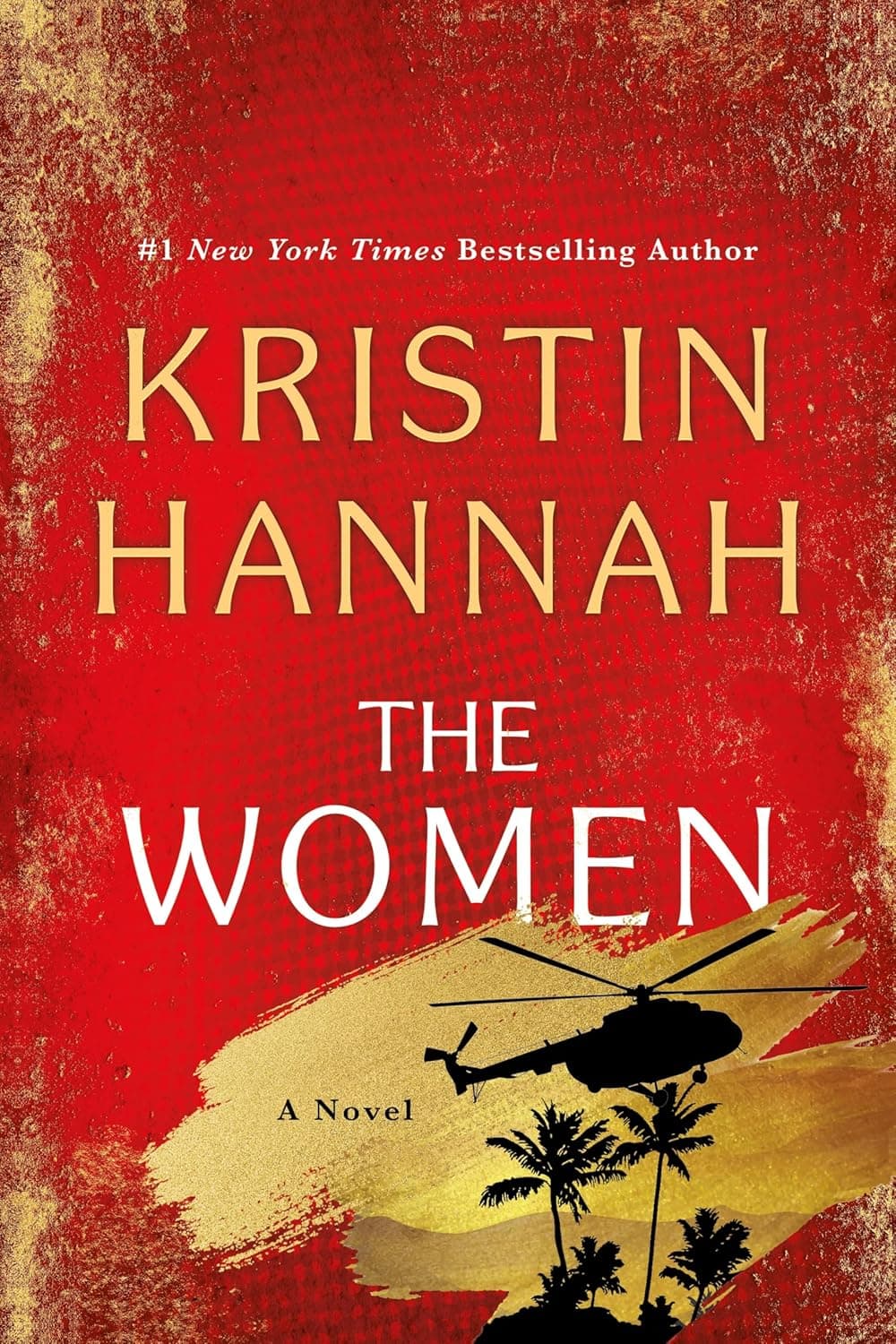
The Women
The Women follows one nurse through war and veteran erasure; Keeper of Lost Children uses several lives to trace race and family separation across borders and generations.
Best for: Adult historical-fiction readers prepared for graphic injury, death, addiction, PTSD, sexism, and a deliberately intense account of Vietnam-era nurses.
As an Amazon Associate, I earn from qualifying purchases.
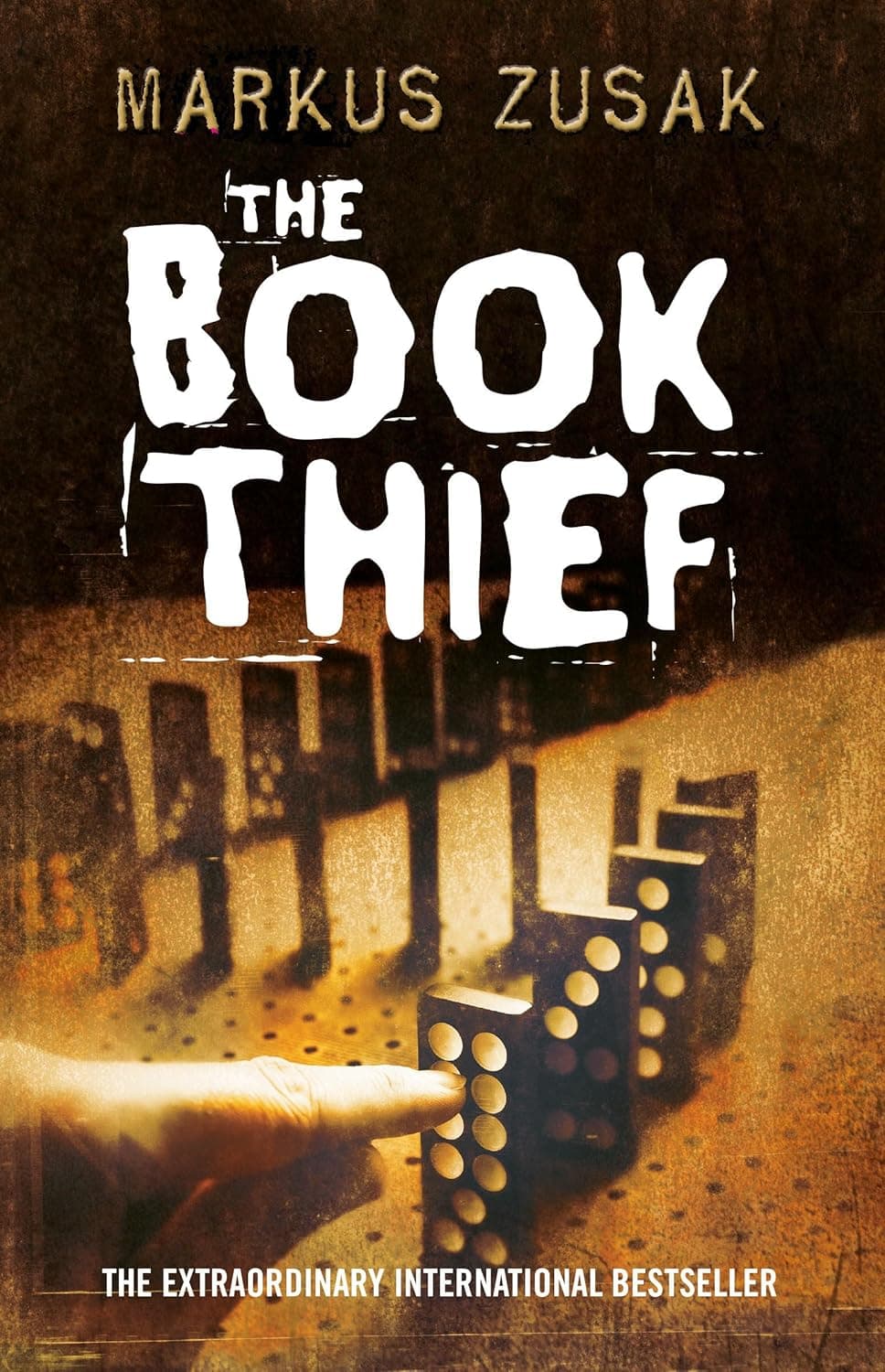
The Book Thief
The Book Thief stays inside wartime Germany through a child's stylized perspective, while Johnson concentrates on occupation, mixed-race children, and postwar consequence.
Best for: Best for older teens and adults who want a slow, lyrical wartime novel about a foster family, the uses of language, and the cost of small acts of decency.
As an Amazon Associate, I earn from qualifying purchases.
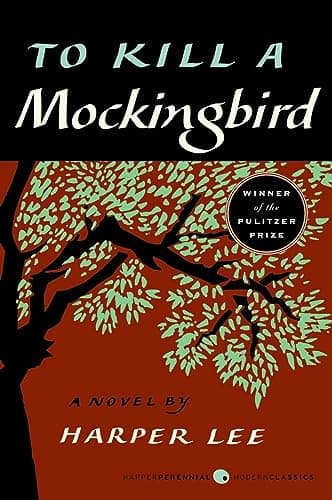
To Kill a Mockingbird
To Kill a Mockingbird frames racism through a white Southern childhood; Johnson centers Black adults and children navigating institutions on both sides of the Atlantic.
Best for: Readers and classrooms prepared to value Scout's moral growth while also discussing the novel's limited perspective on Black experience.
As an Amazon Associate, I earn from qualifying purchases.