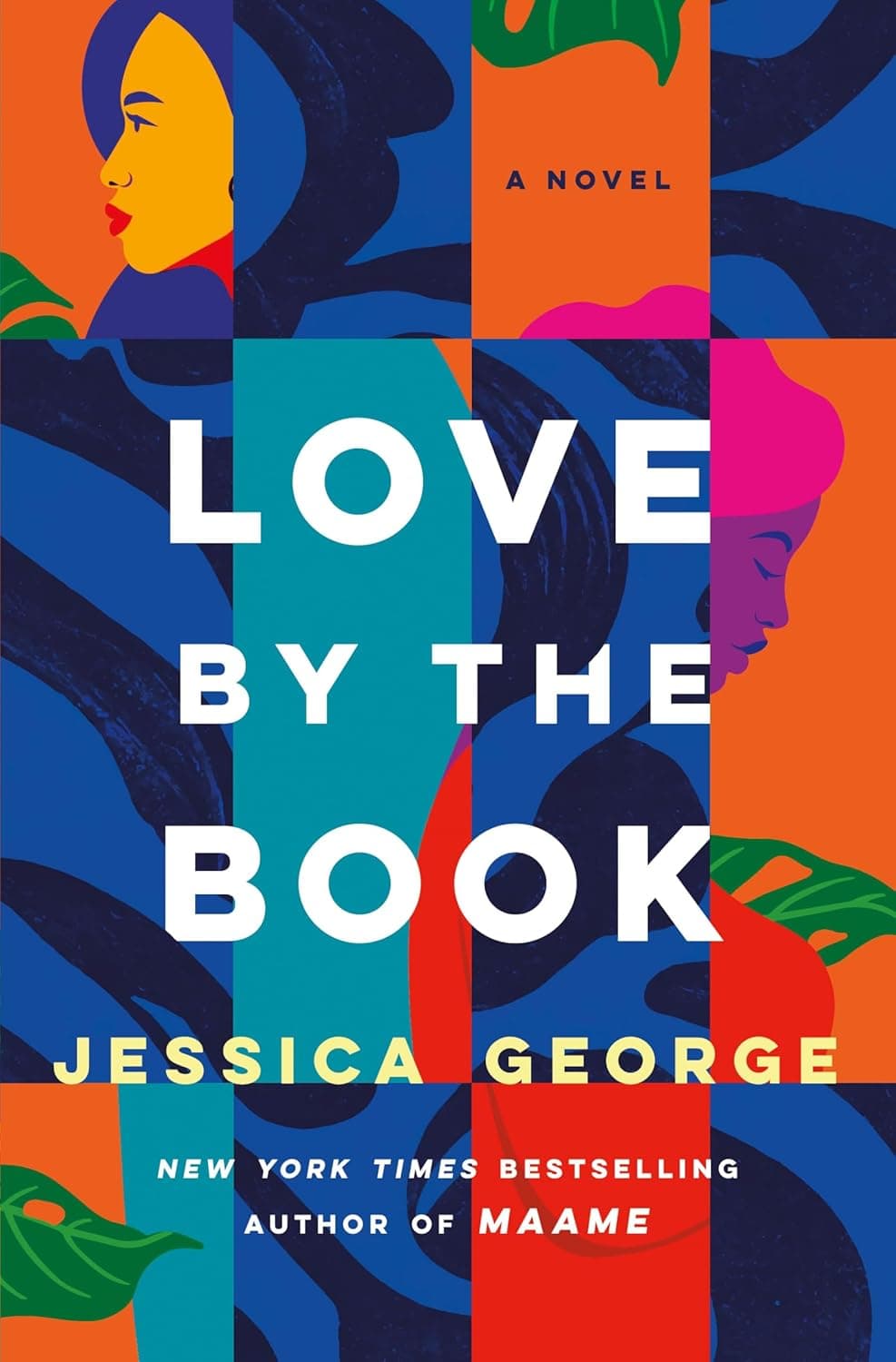
Should you read Love by the Book?
What works
Remy's stalled second novel and Simone's family rupture create distinct forms of isolation, allowing work, sex, ambition, and friendship to collide without one tidy solution.
What may not work for you
The dual arcs are not equally compelling at every stage, and a few conflicts wait on conversations the characters are articulate enough to have sooner.
What may test your patience
The opening must separate two lives and several damaged relationships before the friendship at the book's center develops its full shape.
Does the ending reward the effort?
Yes. It offers reconciliation without pretending that closeness restores the exact friendships or identities the women had before.
Reading Love by the Book closely
Love by the Book gives adult friendship the seriousness fiction often reserves for romance. Remy and Simone are lonely in different ways, and the novel lets work, sex, ambition, and family strain test what they owe each other.
Remy’s stalled second novel and Simone’s family rupture create distinct forms of isolation. Their stories do not carry equal force in every chapter, but the friendship at the center feels earned because it can be neglected, damaged, and deliberately repaired.
The dialogue moves quickly between comic self-protection and direct need. That warmth keeps the book approachable without pretending reconciliation can restore the exact people or relationships that existed before.
What works in Love by the Book
Female friendship receives the weight of the central love story.
Creative work and family conflict give each woman a distinct form of isolation.
Quick, funny dialogue makes room for loneliness and unexpectedly direct need.
Three useful comparisons
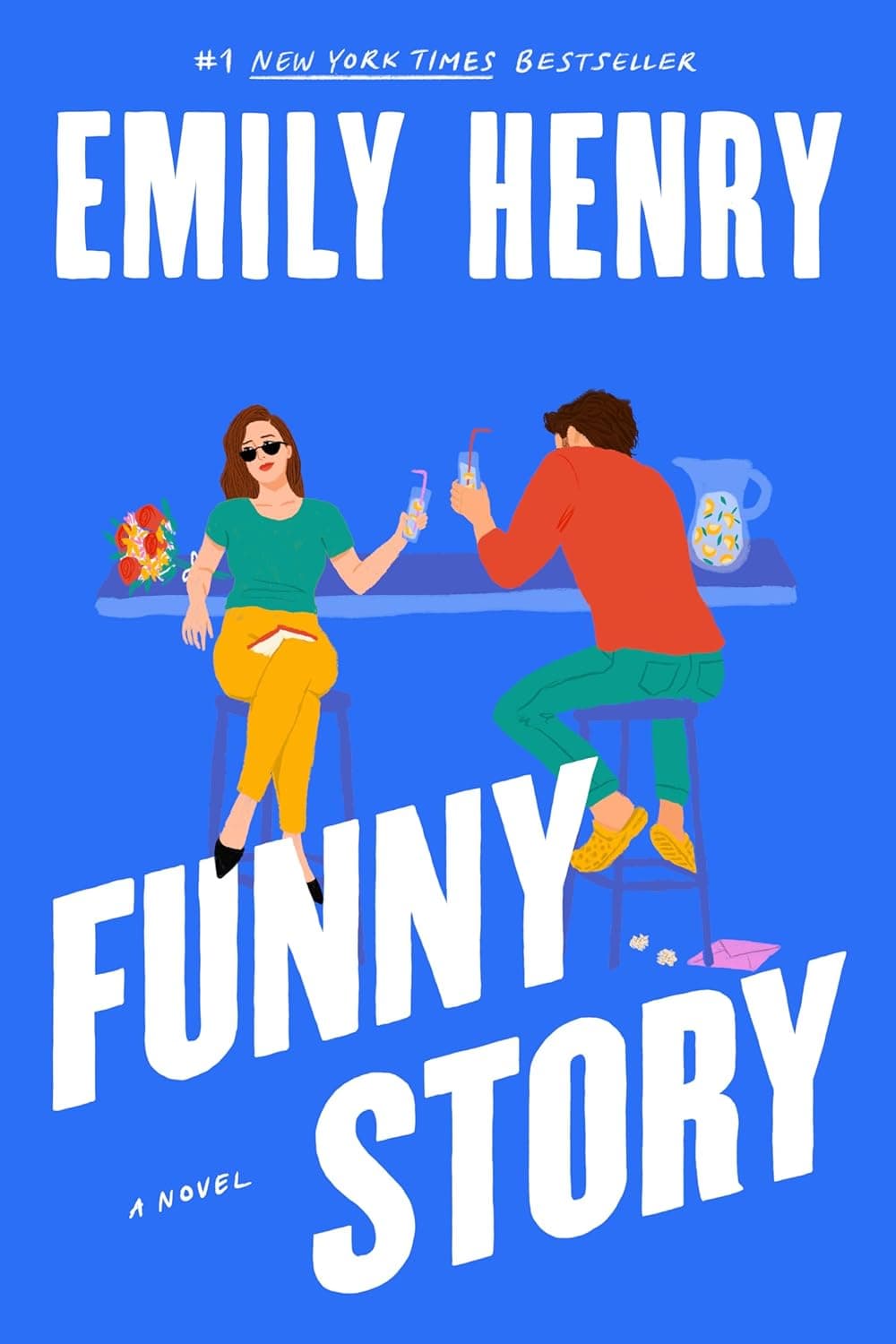
Funny Story
Funny Story places romantic rebuilding and new community in the foreground; Love by the Book gives friendship the structural importance of the central love story.
Best for: Adult romance readers wanting forced proximity, small-city community, humor, books, friendship, and emotionally available growth.
As an Amazon Associate, I earn from qualifying purchases.
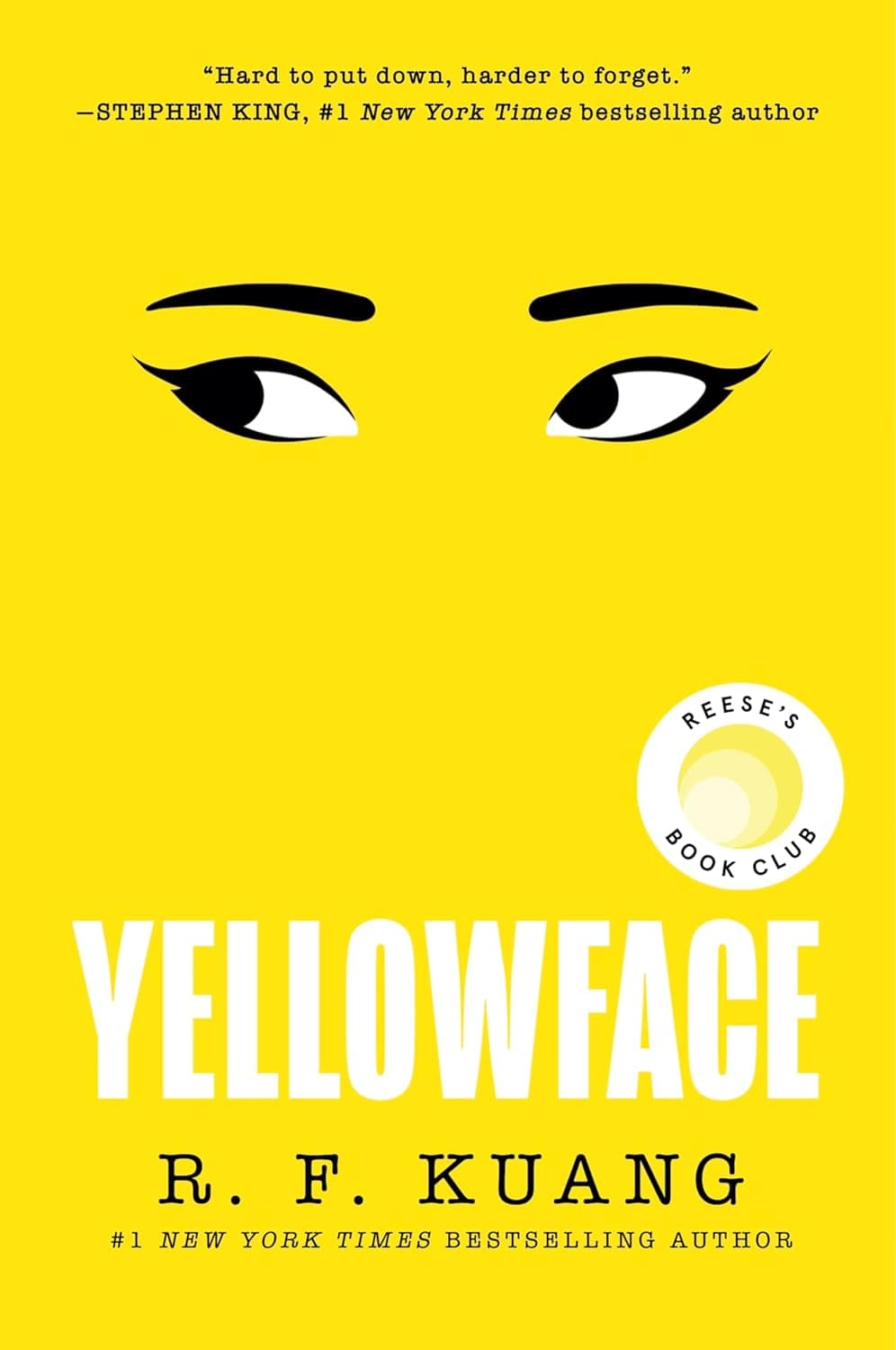
Yellowface
Yellowface turns authorship into corrosive ambition and satire, while George is warmer about creative blockage, success, and the relationships a writer uses as material.
Best for: Readers of literary satire, unreliable narrators, publishing stories, social-media anxiety, cultural appropriation debates, and fast books built for argument.
As an Amazon Associate, I earn from qualifying purchases.
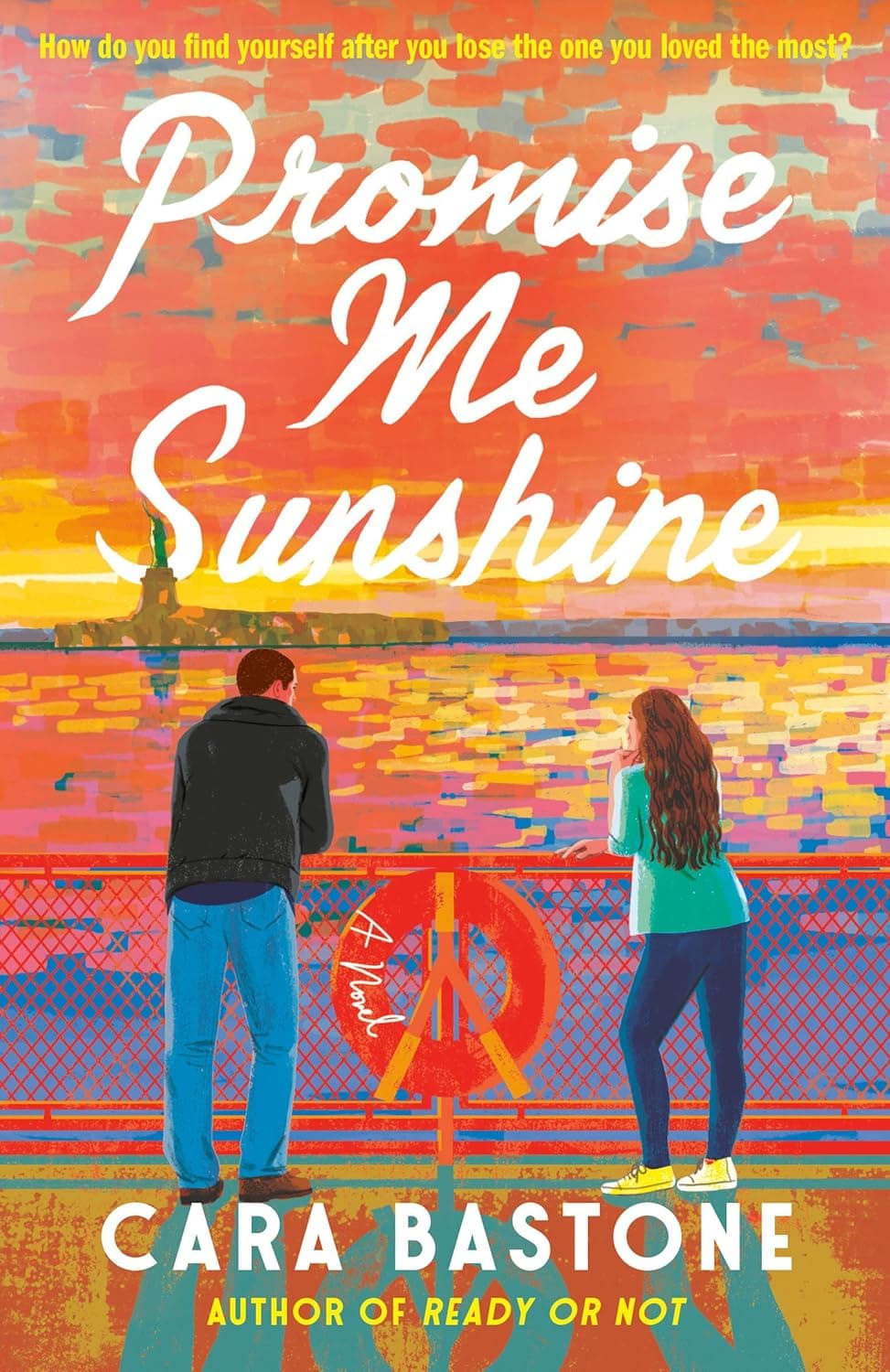
Promise Me Sunshine
Promise Me Sunshine is a quieter romance shaped by bereavement; Love by the Book follows two women's loneliness through friendship, family, and work.
Best for: Contemporary-romance readers comfortable with cancer loss, depression, and anxiety who want caretaking, found family, low external drama, and a genuinely gradual relationship.
As an Amazon Associate, I earn from qualifying purchases.