What to read next
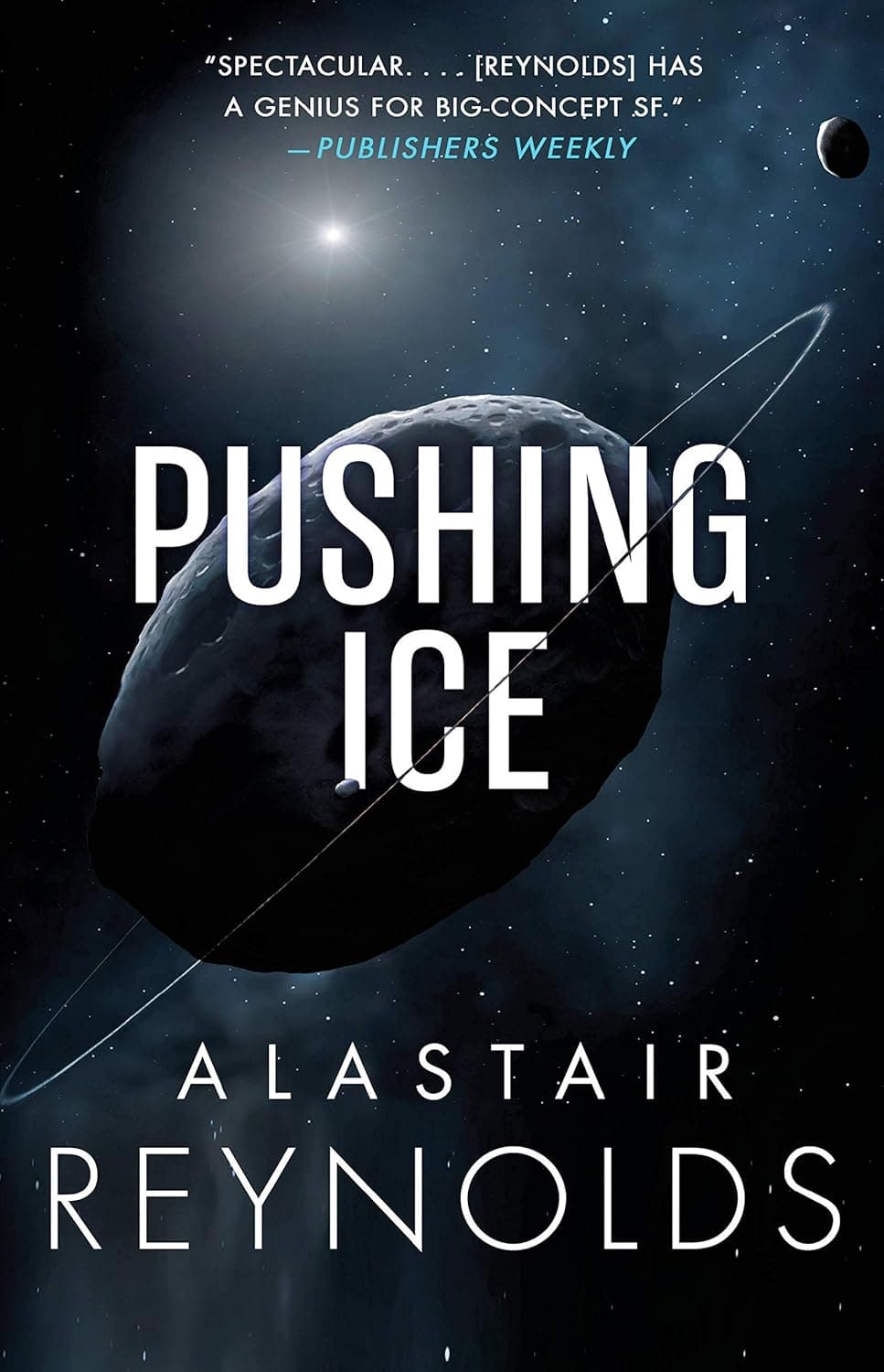
10 books like Pushing Ice
Fuel, trajectory, employer pressure, and incomplete information make the pursuit of Janus credible before the novel expands into generation-scale survival. If that is what you want more of after Pushing Ice, these recommendations preserve that appeal in different ways, without pretending every similar book offers the same experience.
Start with our Pushing Ice review by Alastair Reynolds.

Choose by reading mood
Where to start
For the fastest read
Deception Point
BriskFor the gentlest option
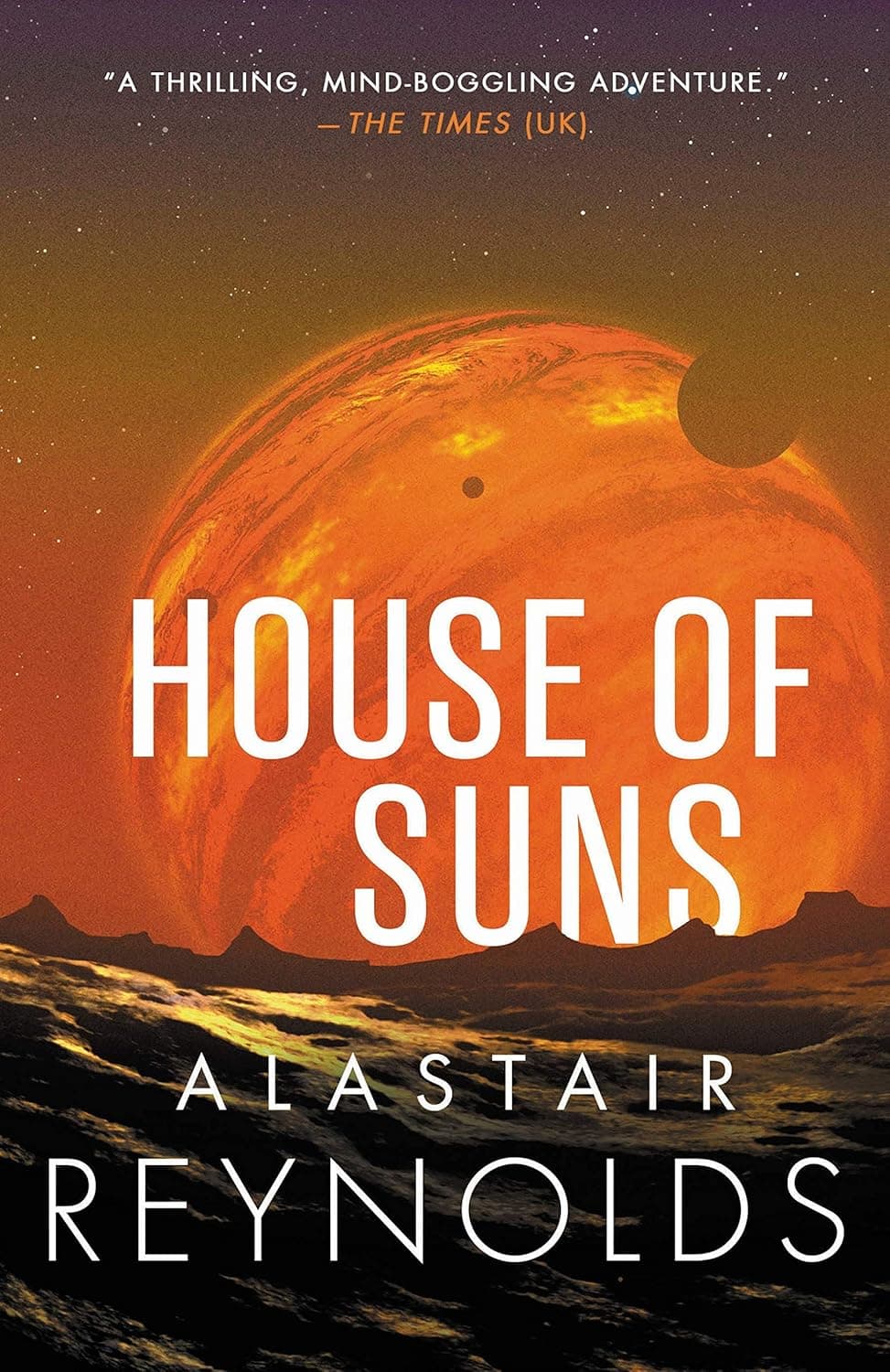
House of Suns
GentleFor minimal romance
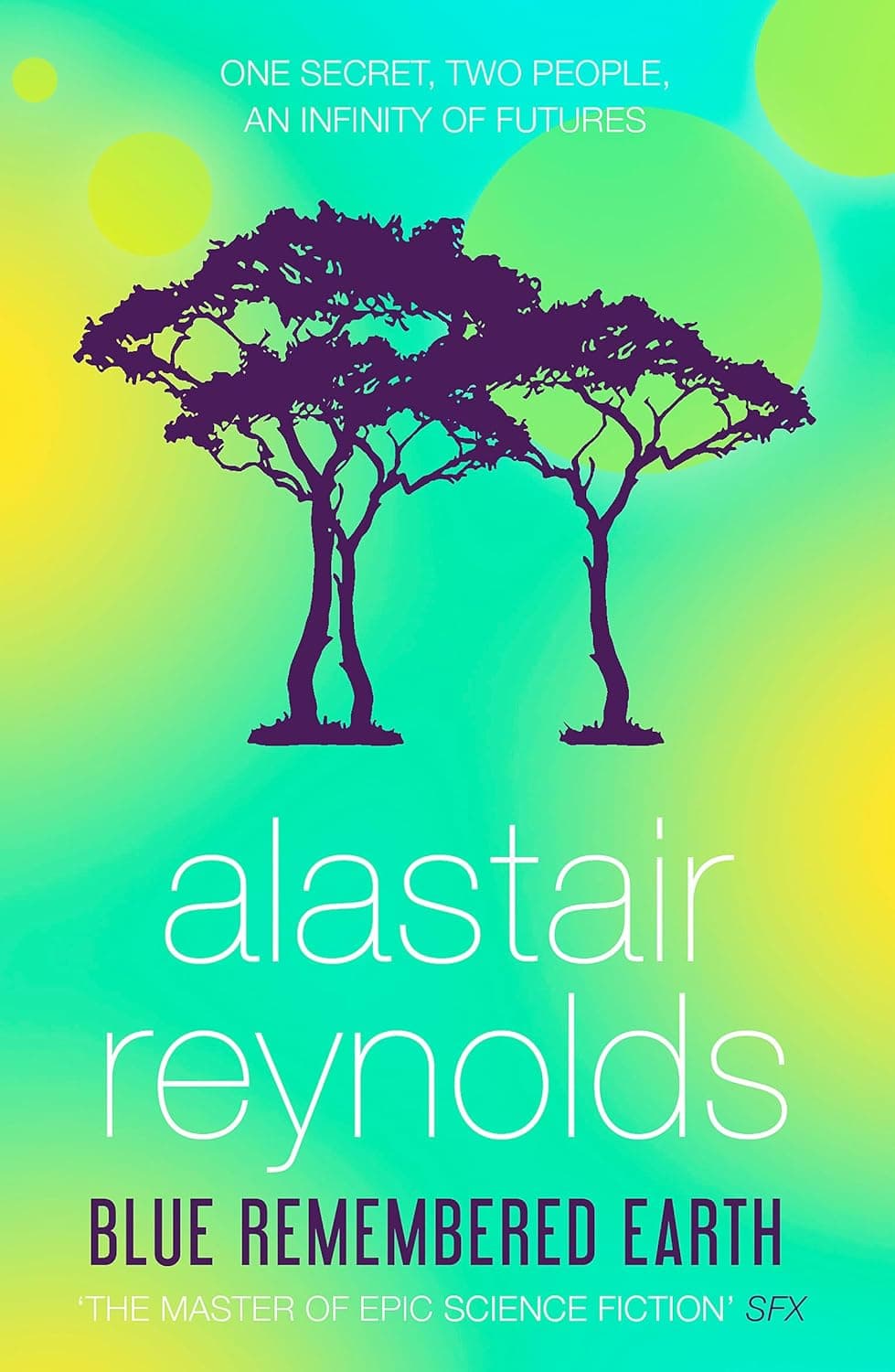
Blue Remembered Earth
MinimalFor the easiest entry
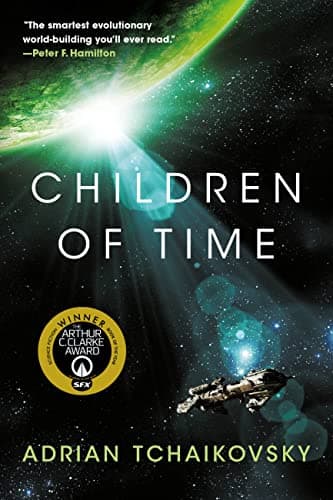
Children of Time
ModerateThe full shortlist
Why each book belongs here
Each match is judged against Pushing Ice, not merely placed beside it because the books share a broad genre label.
House of Suns
- Shared ground
- Both books make observation, missing information, and the search for an explanation part of the pleasure.
- What changes
- House of Suns offers even greater scale with a warmer central relationship and stronger mystery.
- Best for
- Readers wanting an accessible standalone epic with deep time, clones, machine people, romance, pursuit, and galactic mystery.
- Pace Measured
- Darkness Gentle
- Romance Minimal
- Difficulty Moderate
Blue Remembered Earth
- Shared ground
- Both books make observation, missing information, and the search for an explanation part of the pleasure.
- What changes
- Blue Remembered Earth is more optimistic and family-centered, beginning much closer to present-day Earth.
- Best for
- Readers wanting optimistic future Africa, family mystery, elephants, solar-system infrastructure, and slow generational science fiction.
- Pace Measured
- Darkness Gentle
- Romance Minimal
- Difficulty Moderate
Children of Time
- Shared ground
- Both books make scientific constraints part of the problem rather than background decoration.
- What changes
- Children of Time handles long social development with richer nonhuman civilization and a more hopeful payoff.
- Best for
- Readers who like big evolutionary ideas, nonhuman viewpoints, and long time scales more than a conventional hero's journey.
- Pace Balanced
- Darkness Gentle
- Romance Minimal
- Difficulty Moderate
Slow Bullets
- Shared ground
- Both books make observation, missing information, and the search for an explanation part of the pleasure.
- What changes
- Slow Bullets has a similar overall reading load, but changes the emphasis. Scur's personal grievance, the ship's mixed enemies, and the slow bullets carrying records make memory both evidence and limited infrastructure.
- Best for
- Readers wanting concise space opera, memory ethics, generation survival, war aftermath, and no series commitment.
- Pace Measured
- Darkness Gentle
- Romance Minimal
- Difficulty Demanding
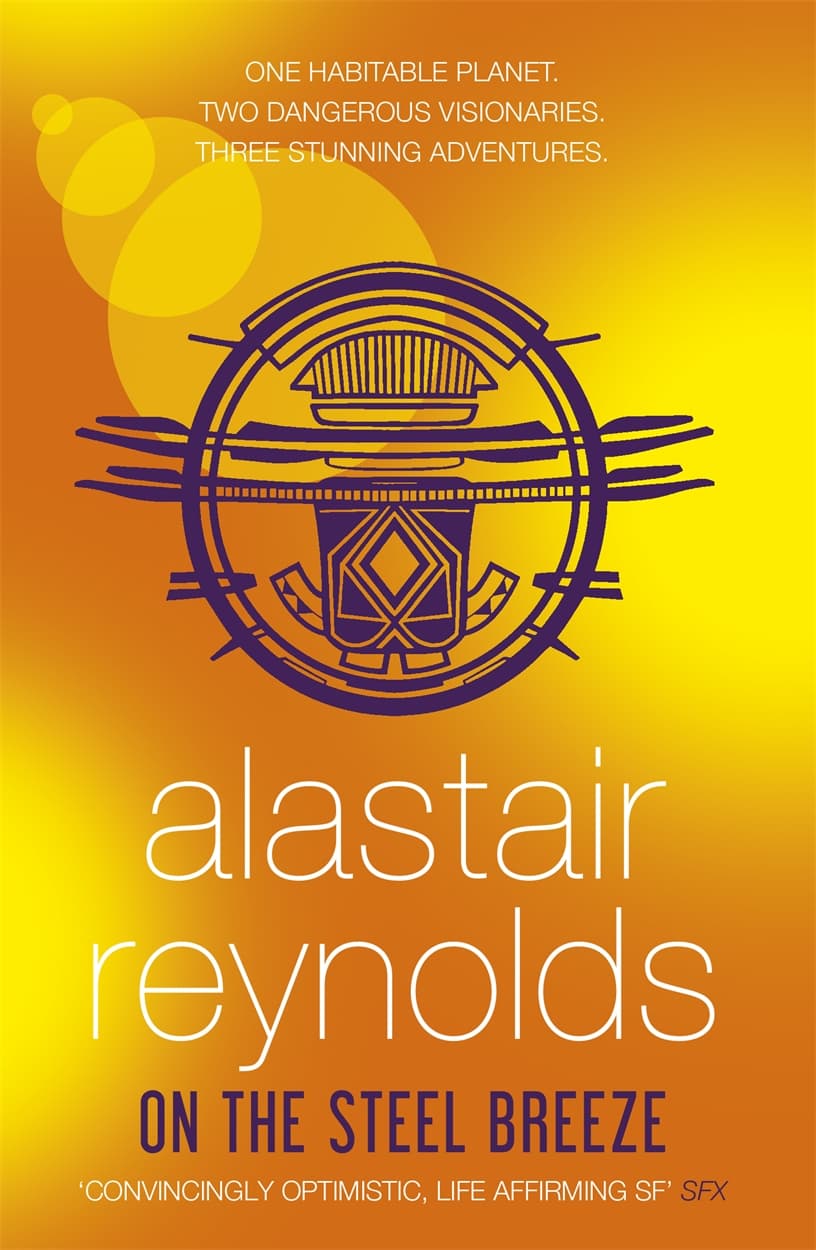
On the Steel Breeze
- Shared ground
- Both books treat power as a system of competing interests rather than a single villain.
- What changes
- On the Steel Breeze is more measured than Pushing Ice. Chiku's divided continuations, the holoships, Watchkeepers, and Crucible turn identity and governance into practical survival questions.
- Best for
- Blue Remembered Earth readers wanting generation ships, artificial intelligence, identity copies, and higher-stakes space travel.
- Pace Measured
- Darkness Gentle
- Romance Minimal
- Difficulty Demanding
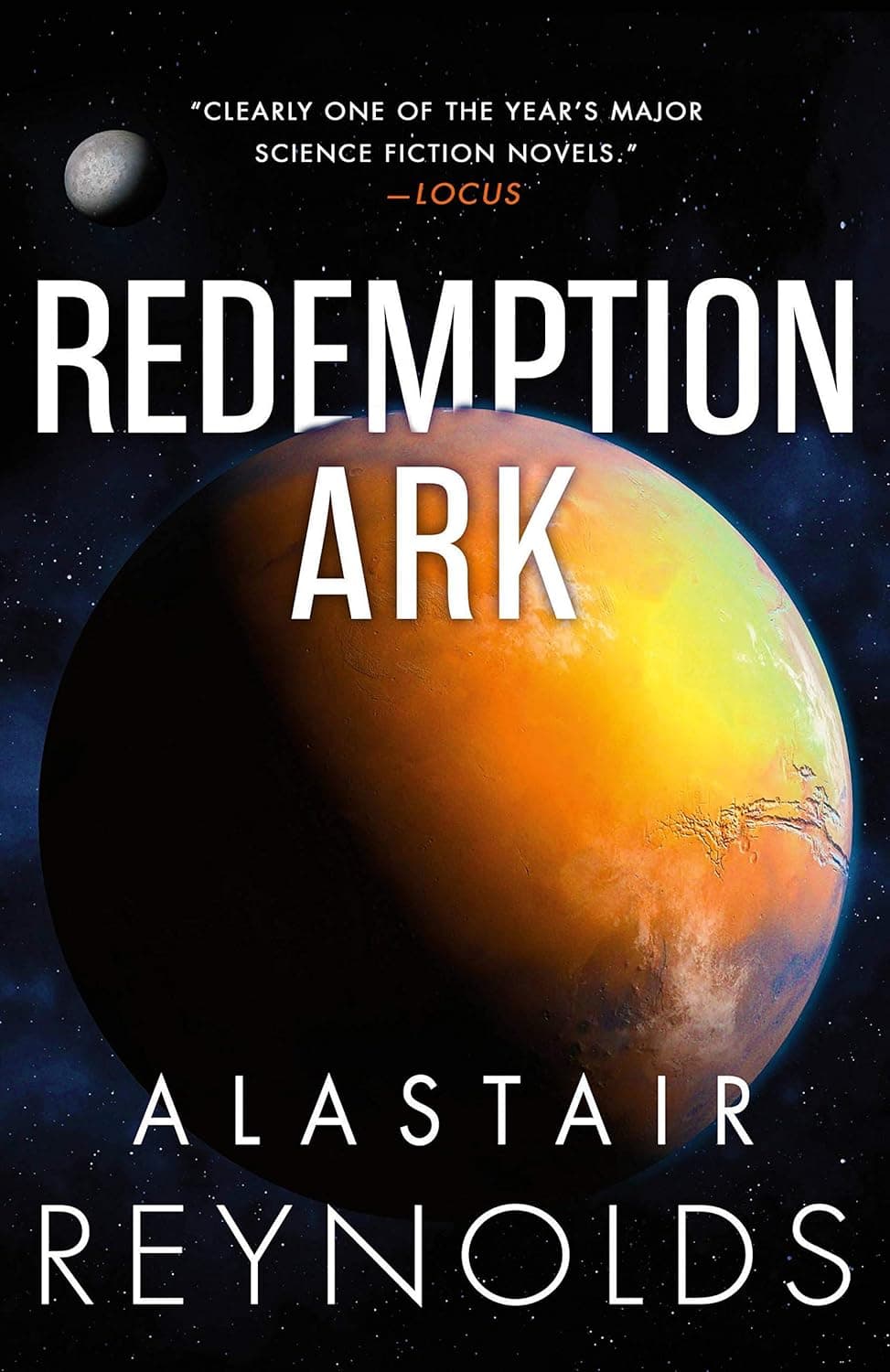
Redemption Ark
- Shared ground
- Both books make observation, missing information, and the search for an explanation part of the pleasure.
- What changes
- Redemption Ark is more measured than Pushing Ice. Clavain and Skade's shared Conjoiner history makes their conflict intimate, while the Inhibitors force every faction to price survival against moral risk.
- Best for
- Revelation Space readers ready for faster space opera, factional strategy, evacuation, and ethically dangerous technology.
- Pace Measured
- Darkness Gentle
- Romance Minimal
- Difficulty Demanding
The Three-Body Problem
- Shared ground
- Both books make observation, missing information, and the search for an explanation part of the pleasure.
- What changes
- The Three-Body Problem has a similar overall reading load, but changes the emphasis. The Cultural Revolution, Red Coast, failing experiments, and the game all ask why intelligent people might lose faith in humanity before an alien threat ever becomes concrete.
- Best for
- Readers who enjoy hard science fiction, first contact, conceptual mystery, and political history more than character-led adventure.
- Pace Balanced
- Darkness Gentle
- Romance Minimal
- Difficulty Moderate
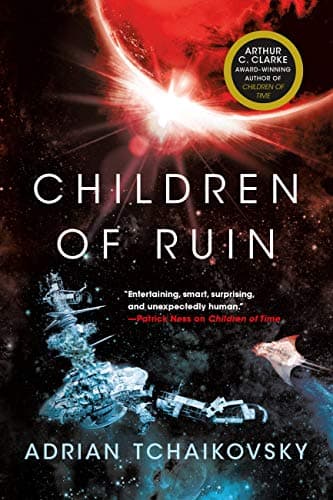
Children of Ruin
- Shared ground
- Both books make observation, missing information, and the search for an explanation part of the pleasure.
- What changes
- Children of Ruin has a similar overall reading load, but changes the emphasis. The octopuses do not think as centralized humans, and their shifting emotional color, limb intelligence, and politics force the narrative to change how intention is described.
- Best for
- Readers who finished Children of Time and want stranger minds, more horror, and a denser communication problem.
- Pace Measured
- Darkness Moderate
- Romance Minimal
- Difficulty Moderate
Deception Point
- Shared ground
- Both books make observation, missing information, and the search for an explanation part of the pleasure.
- What changes
- Deception Point is faster and easier to enter than Pushing Ice. The meteorite, ice shelf, remote team, satellite evidence, election pressure, and military pursuit create several ways scientific truth can be manipulated.
- Best for
- Readers wanting a standalone Brown thriller with Arctic survival, NASA, election politics, and a large government secret.
- Pace Brisk
- Darkness Moderate
- Romance Minimal
- Difficulty Accessible
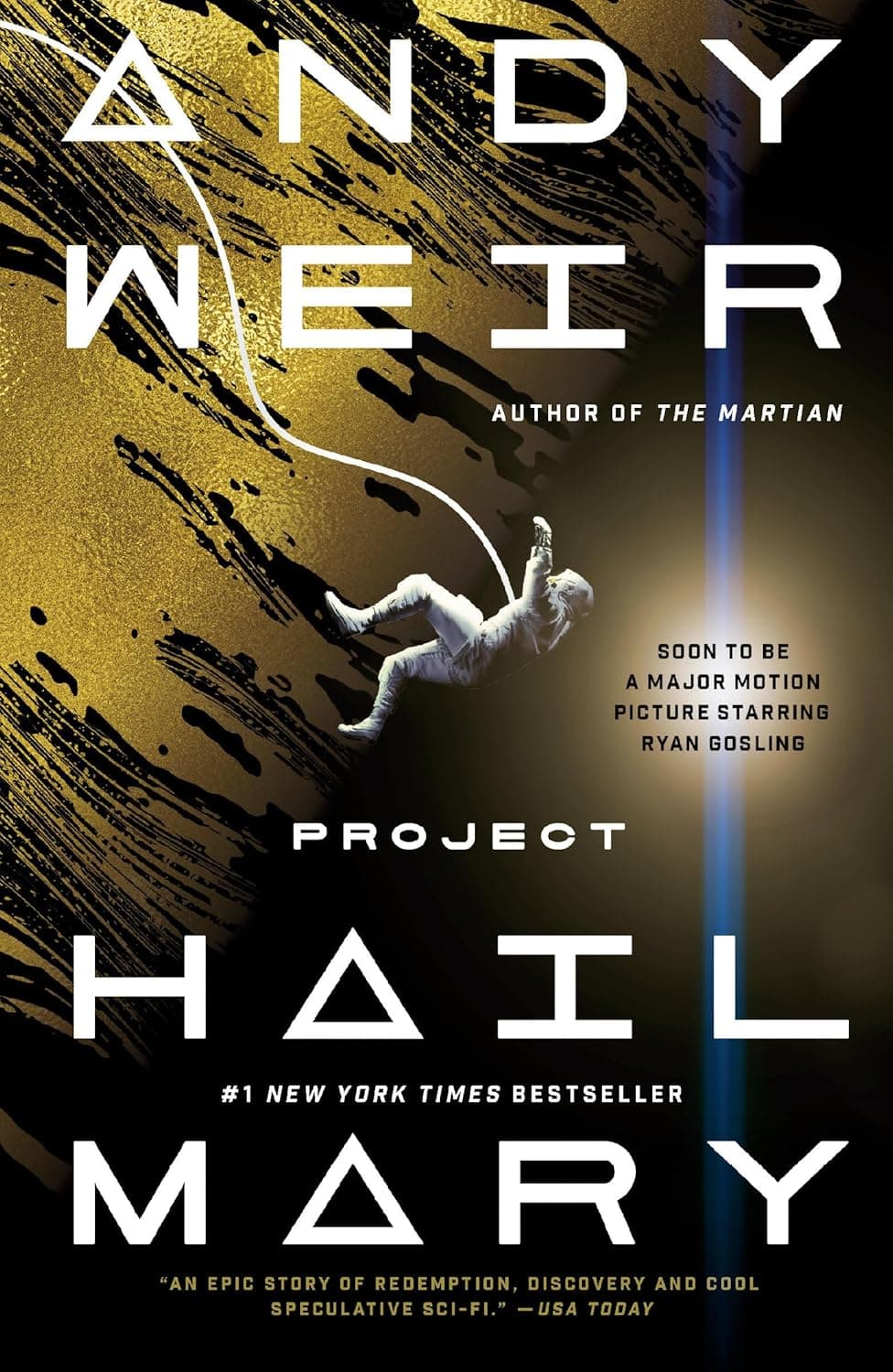
Project Hail Mary
- Shared ground
- Both books make observation, missing information, and the search for an explanation part of the pleasure.
- What changes
- Project Hail Mary is faster than Pushing Ice. Ryland and Rocky must build trust through measurement, language, shared experiments, and incompatible biology, making communication itself the novel's best scientific problem.
- Best for
- Readers wanting optimistic hard science fiction, first contact, high-stakes problem solving, and an emotionally satisfying partnership.
- Pace Balanced
- Darkness Moderate
- Romance Minimal
- Difficulty Moderate
Side-by-side
Pace, darkness, romance, and difficulty
Use these labels as directional guidance. The individual notes above explain the tradeoffs.
| Book | Pace | Darkness | Romance | Difficulty |
|---|---|---|---|---|
| Pushing Ice | Balanced | Gentle | Minimal | Moderate |
| House of Suns | Measured | Gentle | Minimal | Moderate |
| Blue Remembered Earth | Measured | Gentle | Minimal | Moderate |
| Children of Time | Balanced | Gentle | Minimal | Moderate |
| Slow Bullets | Measured | Gentle | Minimal | Demanding |
| On the Steel Breeze | Measured | Gentle | Minimal | Demanding |
| Redemption Ark | Measured | Gentle | Minimal | Demanding |
| The Three-Body Problem | Balanced | Gentle | Minimal | Moderate |
| Children of Ruin | Measured | Moderate | Minimal | Moderate |
| Deception Point | Brisk | Moderate | Minimal | Accessible |
| Project Hail Mary | Balanced | Moderate | Minimal | Moderate |
Keep exploring
Explore another Books Like guide
Start from another familiar book and compare a new set of reading paths.