What to read next

10 books like On the Steel Breeze

Chiku's divided continuations, the holoships, Watchkeepers, and Crucible turn identity and governance into practical survival questions. If that is what you want more of after On the Steel Breeze, these recommendations preserve that appeal in different ways, without pretending every similar book offers the same experience.

Updated July 19, 2026 by the Book Review Guide Editorial Team

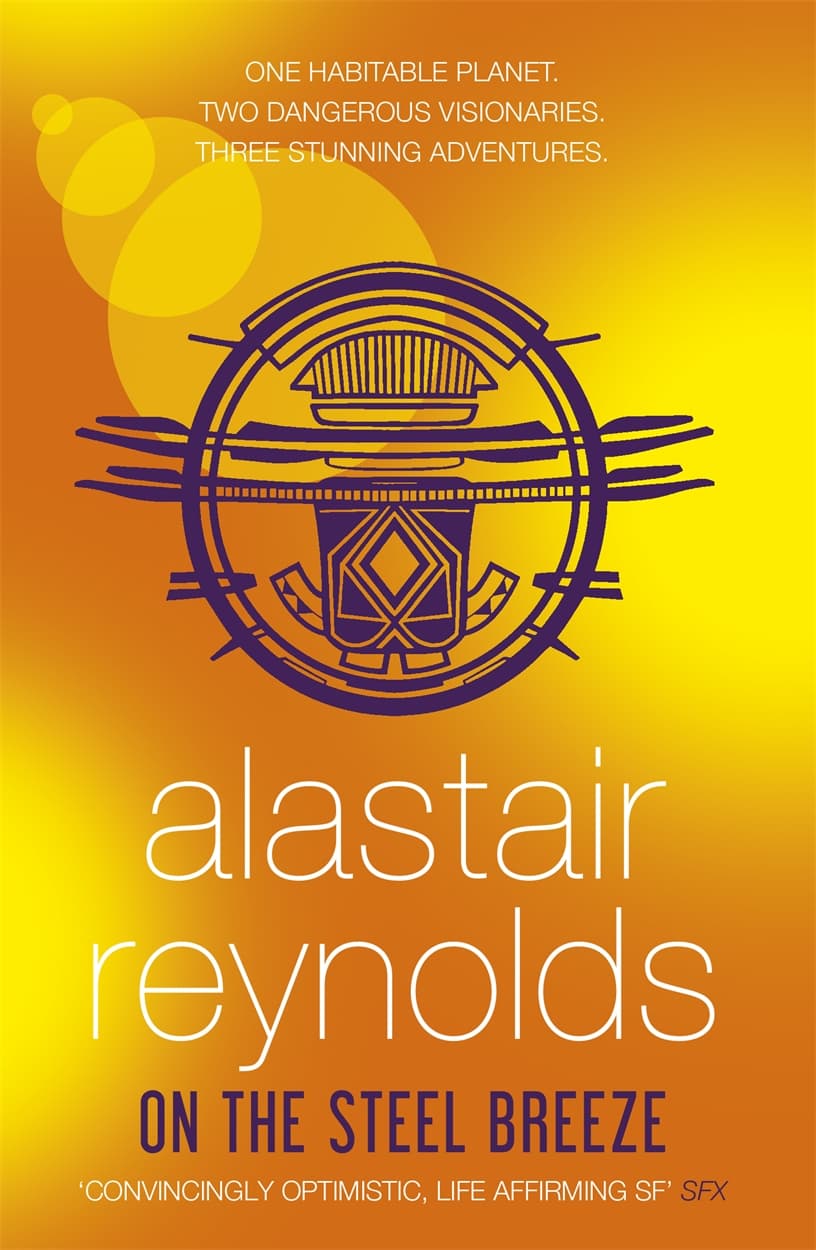
Cover of On the Steel Breeze

Choose by reading mood

Where to start

The full shortlist

Why each book belongs here

Each match is judged against On the Steel Breeze, not merely placed beside it because the books share a broad genre label.

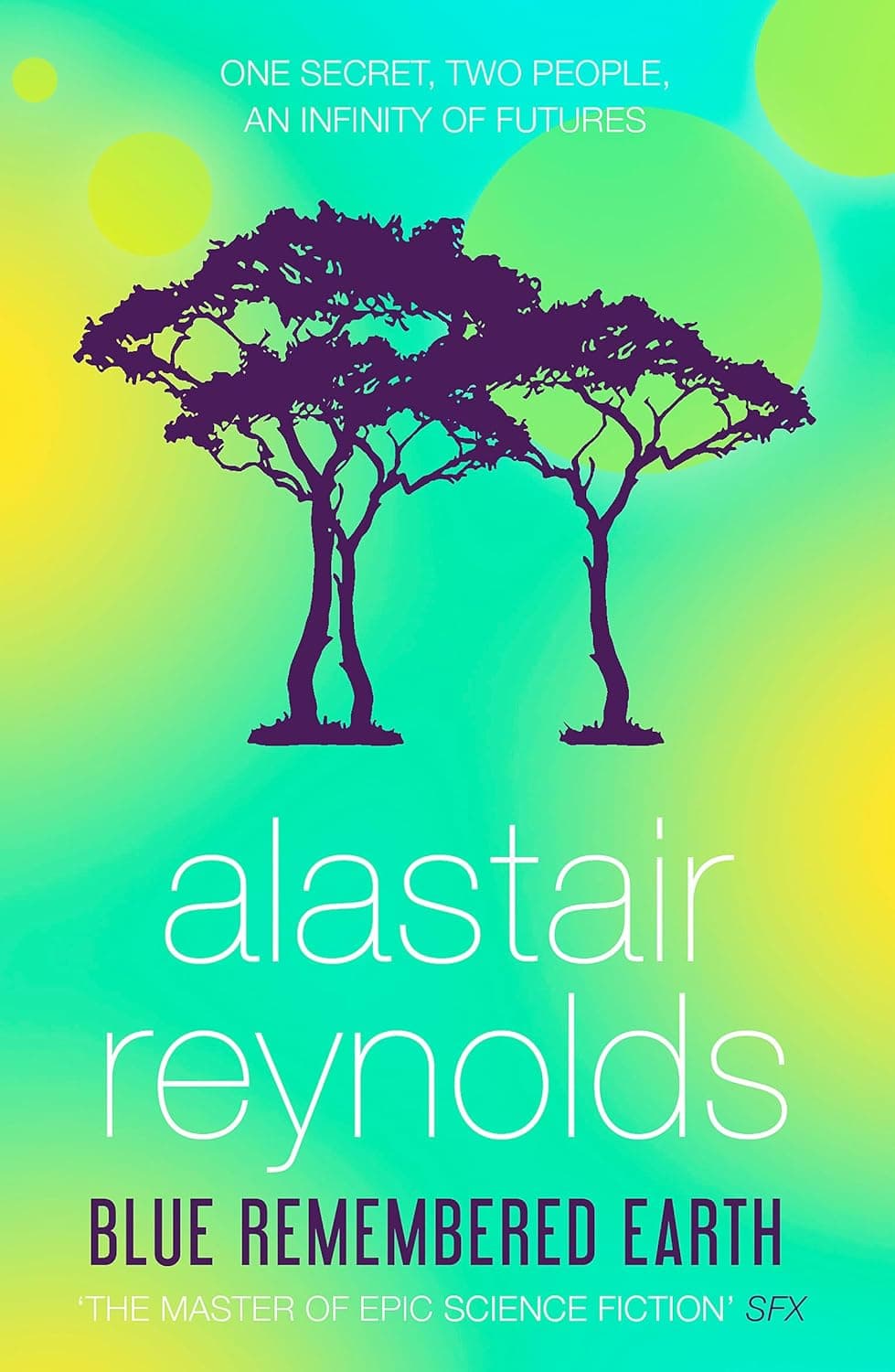
1Cover of Blue Remembered Earth

Blue Remembered Earth

By Alastair Reynolds

Shared ground
Both books treat family loyalty as a source of both protection and pressure.
What changes
Blue Remembered Earth is slower, warmer, and the required family foundation.
Best for
Readers wanting optimistic future Africa, family mystery, elephants, solar-system infrastructure, and slow generational science fiction.
  • Pace Measured
  • Darkness Gentle
  • Romance Minimal
  • Difficulty Moderate
Read the spoiler-free review
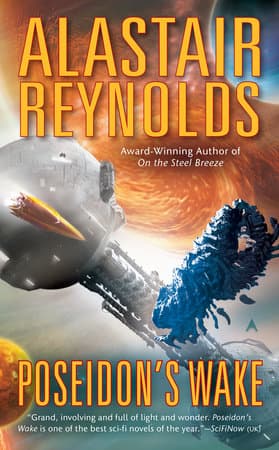
2Cover of Poseidon's Wake

Poseidon's Wake

By Alastair Reynolds

Shared ground
Both books treat family loyalty as a source of both protection and pressure.
What changes
Poseidon's Wake completes the trilogy across generations and contact with the alien machines.
Best for
Readers who completed the first two Poseidon's Children novels and want large-scale, ultimately hopeful contact.
  • Pace Measured
  • Darkness Gentle
  • Romance Minimal
  • Difficulty Demanding
Read the spoiler-free review
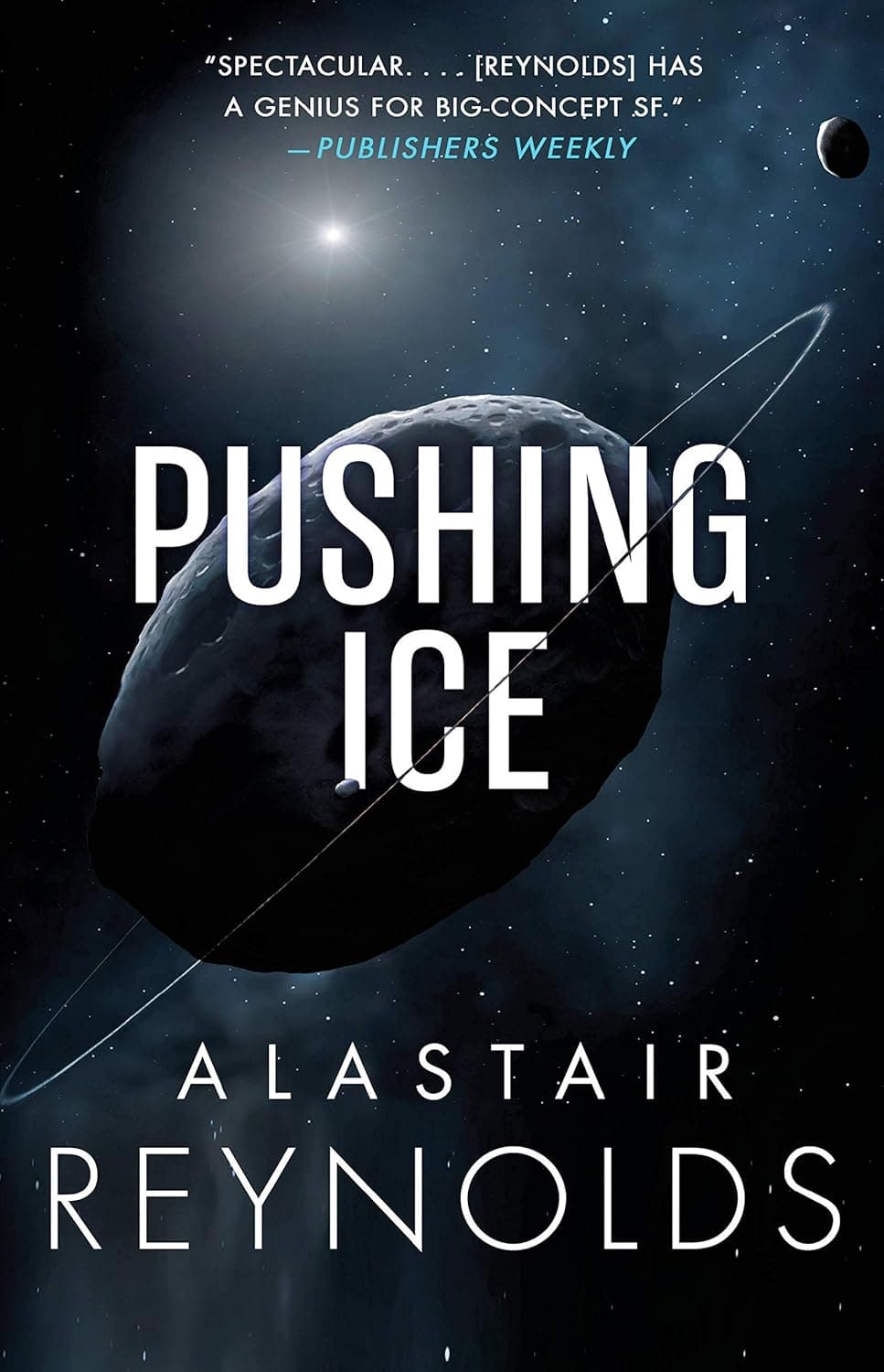
3Cover of Pushing Ice

Pushing Ice

By Alastair Reynolds

Shared ground
Both books treat power as a system of competing interests rather than a single villain.
What changes
Pushing Ice is a stronger standalone generation-voyage story with harsher crew politics.
Best for
Readers wanting standalone hard SF, generation survival, first contact, cosmic scale, and abrasive human politics.
  • Pace Balanced
  • Darkness Gentle
  • Romance Minimal
  • Difficulty Moderate
Read the spoiler-free review
4Cover of Slow Bullets

Slow Bullets

By Alastair Reynolds

Shared ground
Both books force characters to solve immediate physical problems before larger ideals can matter.
What changes
Slow Bullets has a similar overall reading load, but changes the emphasis. Scur's personal grievance, the ship's mixed enemies, and the slow bullets carrying records make memory both evidence and limited infrastructure.
Best for
Readers wanting concise space opera, memory ethics, generation survival, war aftermath, and no series commitment.
  • Pace Measured
  • Darkness Gentle
  • Romance Minimal
  • Difficulty Demanding
Read the spoiler-free review
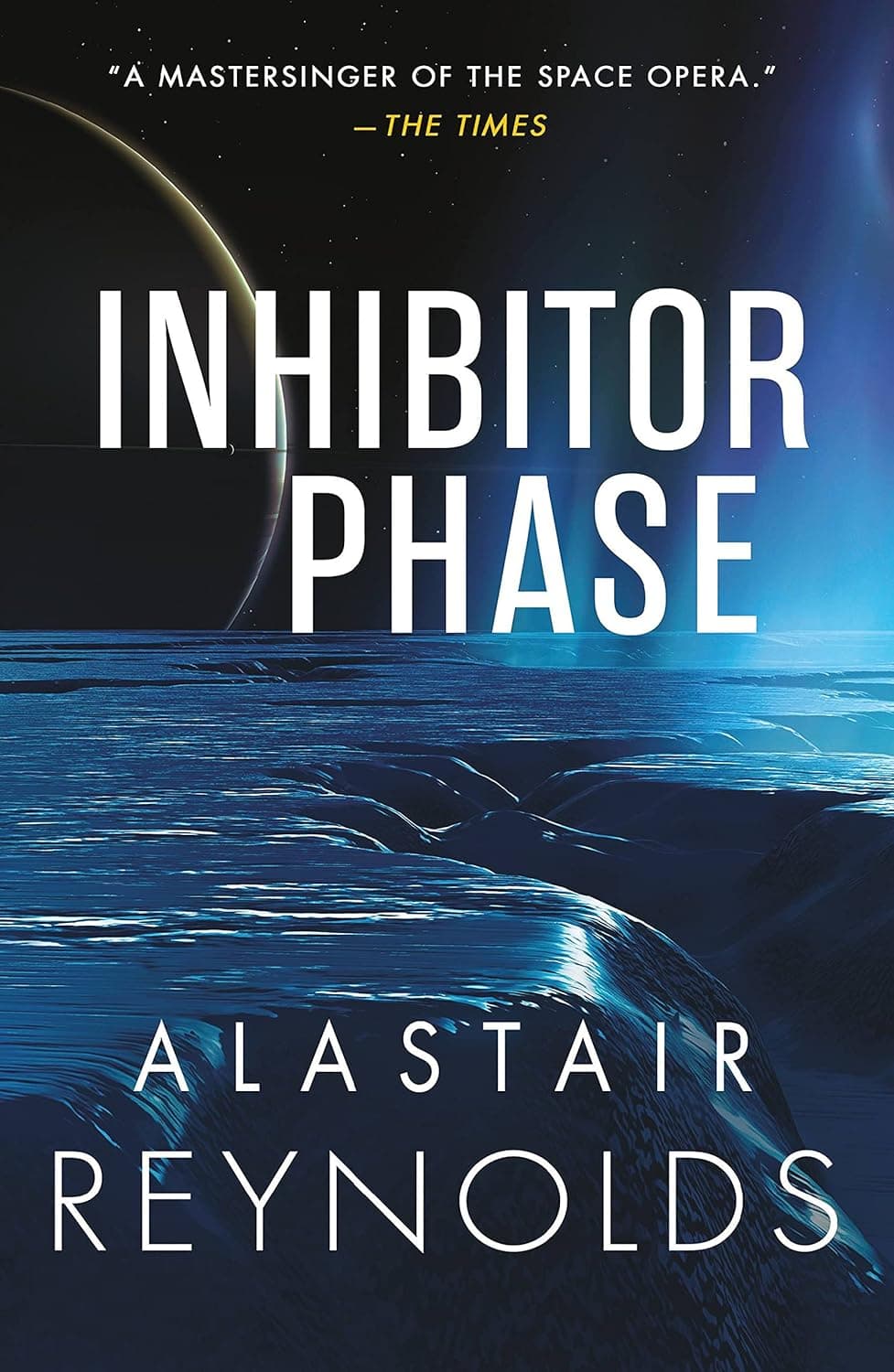
5Cover of Inhibitor Phase

Inhibitor Phase

By Alastair Reynolds

Shared ground
Both books force characters to solve immediate physical problems before larger ideals can matter.
What changes
Inhibitor Phase has a similar overall reading load, but changes the emphasis. Miguel's refuge, secret identity, altered companions, and weapon search make extinction pressure immediate after the older trilogy's oblique closure.
Best for
Experienced Revelation Space readers wanting a later survival mission and stronger engagement with the Inhibitor war.
  • Pace Measured
  • Darkness Gentle
  • Romance Minimal
  • Difficulty Demanding
Read the spoiler-free review
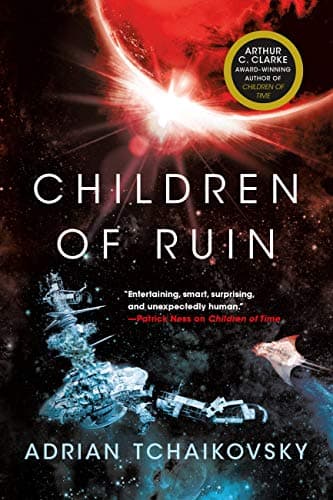
6Cover of Children of Ruin

Children of Ruin

By Adrian Tchaikovsky

Shared ground
Both books treat power as a system of competing interests rather than a single villain.
What changes
Children of Ruin has a similar overall reading load, but changes the emphasis. The octopuses do not think as centralized humans, and their shifting emotional color, limb intelligence, and politics force the narrative to change how intention is described.
Best for
Readers who finished Children of Time and want stranger minds, more horror, and a denser communication problem.
  • Pace Measured
  • Darkness Moderate
  • Romance Minimal
  • Difficulty Moderate
Read the spoiler-free review
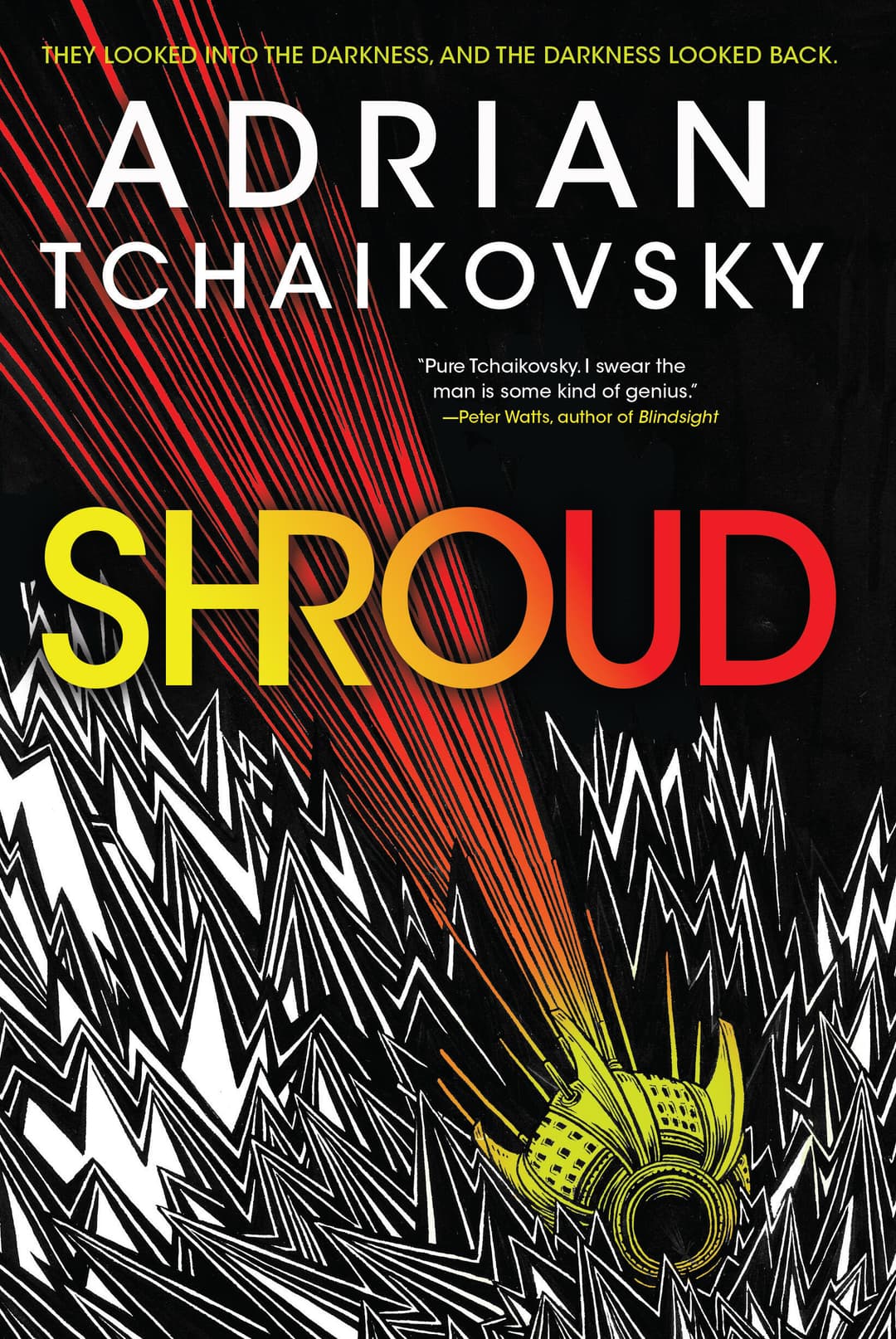
7Cover of Shroud

Shroud

By Adrian Tchaikovsky

Shared ground
Both books force characters to solve immediate physical problems before larger ideals can matter.
What changes
Shroud has a similar overall reading load, but changes the emphasis. Darkness, gravity, instruments, and incompatible perception make every observation provisional; understanding what counts as an individual becomes part of staying alive.
Best for
Readers of rigorous first contact, hostile-environment survival, alien cognition, and detailed ecological science fiction.
  • Pace Measured
  • Darkness Gentle
  • Romance Minimal
  • Difficulty Demanding
Read the spoiler-free review
8Cover of Children of Time

Children of Time

By Adrian Tchaikovsky

Shared ground
Both books use distance, alien environments, or interstellar travel to change the scale of the conflict.
What changes
Children of Time is faster than On the Steel Breeze. The Portiid civilization grows from spider biology instead of wearing human culture as a costume.
Best for
Readers who like big evolutionary ideas, nonhuman viewpoints, and long time scales more than a conventional hero's journey.
  • Pace Balanced
  • Darkness Gentle
  • Romance Minimal
  • Difficulty Moderate
Read the spoiler-free review
9Cover of The Three-Body Problem

The Three-Body Problem

By Liu Cixin

Shared ground
Both books treat power as a system of competing interests rather than a single villain.
What changes
The Three-Body Problem is faster than On the Steel Breeze. The Cultural Revolution, Red Coast, failing experiments, and the game all ask why intelligent people might lose faith in humanity before an alien threat ever becomes concrete.
Best for
Readers who enjoy hard science fiction, first contact, conceptual mystery, and political history more than character-led adventure.
  • Pace Balanced
  • Darkness Gentle
  • Romance Minimal
  • Difficulty Moderate
Read the spoiler-free review
10Cover of Shards of Earth

Shards of Earth

By Adrian Tchaikovsky

Shared ground
Both books treat power as a system of competing interests rather than a single villain.
What changes
Shards of Earth is faster and easier to enter than On the Steel Breeze. Idris's damaged value to competing powers and the Vulture God's improvised family keep the Architects from becoming an abstract cosmic threat.
Best for
Readers wanting found-family crews, diverse aliens, political factions, salvage work, and large-scale space-opera danger.
  • Pace Balanced
  • Darkness Gentle
  • Romance Minimal
  • Difficulty Moderate
Read the spoiler-free review

Side-by-side

Pace, darkness, romance, and difficulty

Use these labels as directional guidance. The individual notes above explain the tradeoffs.

BookPaceDarknessRomanceDifficulty
On the Steel BreezeMeasuredGentleMinimalDemanding
Blue Remembered EarthMeasuredGentleMinimalModerate
Poseidon's WakeMeasuredGentleMinimalDemanding
Pushing IceBalancedGentleMinimalModerate
Slow BulletsMeasuredGentleMinimalDemanding
Inhibitor PhaseMeasuredGentleMinimalDemanding
Children of RuinMeasuredModerateMinimalModerate
ShroudMeasuredGentleMinimalDemanding
Children of TimeBalancedGentleMinimalModerate
The Three-Body ProblemBalancedGentleMinimalModerate
Shards of EarthBalancedGentleMinimalModerate

Keep exploring

Explore another Books Like guide

Start from another familiar book and compare a new set of reading paths.