What to read next
10 books like Oliver Twist
Oliver's vulnerability makes a city's cruelty visible, but the people surrounding him are often more complex than Oliver himself. These books follow the class pressures, childhood exposure, institutional satire, or criminal atmosphere that give the novel its force. The closest Dickens choices develop those strengths in different forms.
Read my review of Oliver Twist by Charles Dickens.
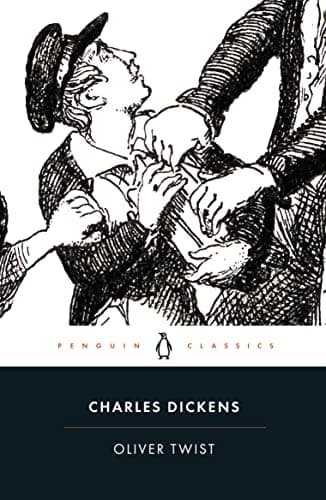
Best matches
Three strong places to start
If you only want three picks, start here.
Best overall
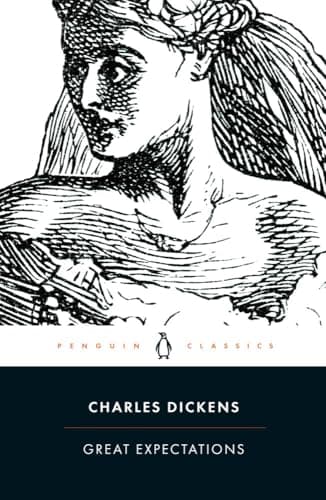
Short read
Best alternative
Choose by reading mood
Where to start
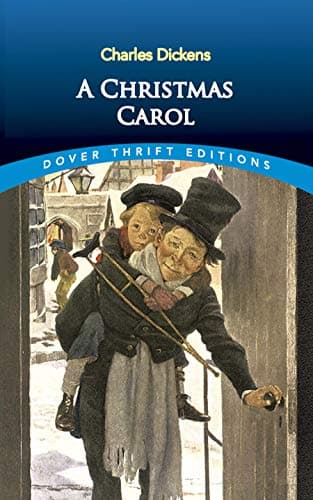
For a shorter read
A Christmas Carol
BalancedFor the gentlest option
Great Expectations
GentleFor the strongest romance
Pride and Prejudice
CentralFor the easiest entry
David Copperfield
ModerateThe full shortlist
Why each book belongs here
Great Expectations offers subtler class psychology; David Copperfield gives childhood vulnerability a fuller life around it. Bleak House is the more demanding systems novel. All three stand alone, and the later choices range from a brief ghost story to a deliberately difficult sea voyage.
Great Expectations
- Pace
- Balanced
- Darkness
- Gentle
- Romance
- Minimal
- Difficulty
- Moderate
Why this matches
- Similar because
- Great Expectations turns Oliver Twist's concern with poverty and gentility into a first-person account of shame. Pip's desire to rise makes him misread the people whose kindness sustains him.
- Different because
- Great Expectations has a more complex protagonist and a more controlled form. Adult Pip can expose his younger self's vanity, whereas Oliver remains largely the innocent center of an exploitative world.
- Choose this if
- I'd start here if Oliver seemed less complicated than the world around him. Pip brings shame and misjudgment into the class argument; the novel stands alone.
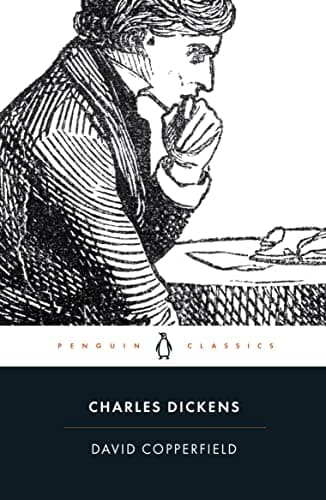
David Copperfield
- Pace
- Measured
- Darkness
- Gentle
- Romance
- Minimal
- Difficulty
- Moderate
Why this matches
- Similar because
- David Copperfield also begins with a child exposed to fear, work, and adult power. The childhood vulnerability in Oliver Twist becomes one stage of a life shaped by friendship, marriage, and memory.
- Different because
- David Copperfield is longer, warmer, and more autobiographical in form. Its narrator grows capable of examining his own mistakes, while comic figures retain lives beyond the central ordeal.
- Choose this if
- A separate novel for the long consequences of childhood, with much more affection around its narrator. Allow for generous sprawl instead of another tight criminal plot.
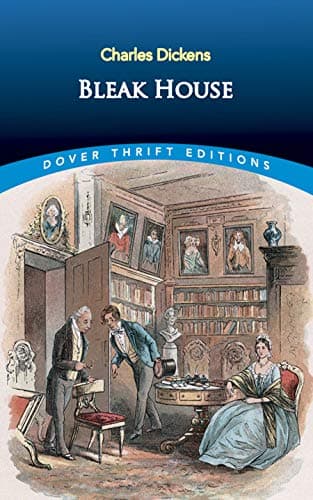
Bleak House
- Pace
- Measured
- Darkness
- Moderate
- Romance
- Minimal
- Difficulty
- Moderate
Why this matches
- Similar because
- The workhouse's respectable cruelty grows into a whole legal and social system. Chancery can harm people through delay as surely as Fagin's world harms them through direct exploitation.
- Different because
- Bleak House alternates Esther's intimate narration with a panoramic satirical voice. Its enormous cast and legal mystery require more attention than Oliver's comparatively direct story.
- Choose this if
- For the institutional satire at its most ambitious. No other Dickens is required, but the two narrators, enormous cast, and legal mystery reward a slower read.
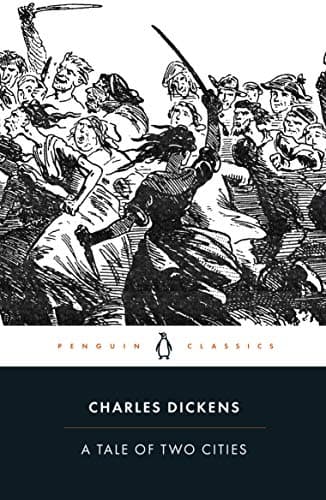
A Tale of Two Cities
- Pace
- Balanced
- Darkness
- Moderate
- Romance
- Minimal
- Difficulty
- Moderate
Why this matches
- Similar because
- A Tale of Two Cities connects private vulnerability to public violence, as Oliver Twist connects a child's fate to the cruelty of his city. Imprisonment and respectability matter in each social world.
- Different because
- A Tale of Two Cities uses revolution, doubled characters, and patterned melodrama. Its opening is denser, and national upheaval replaces the workhouse and London's criminal streets.
- Choose this if
- For Dickens's moral anger on the scale of revolution. It stands alone; the plot eventually converges powerfully, but the secretive opening takes patience.
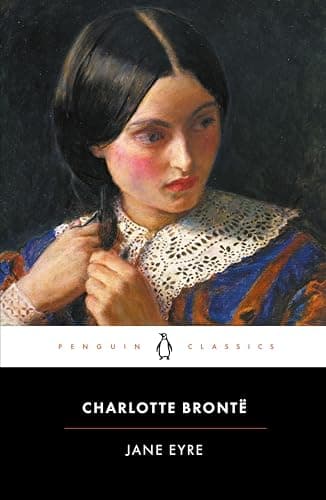
Jane Eyre
- Pace
- Measured
- Darkness
- Gentle
- Romance
- Central
- Difficulty
- Moderate
Why this matches
- Similar because
- Jane Eyre follows another child whose dependence allows adults and institutions to mistreat her. Like Oliver Twist, it makes deprivation a test of supposedly respectable authority.
- Different because
- Jane Eyre gives its heroine a forceful first-person voice and follows her into work, desire, and independence. Gothic secrecy and romance replace much of Dickens's criminal satire.
- Choose this if
- Jane has the assertive inner life Oliver often lacks. Follow this standalone if you want the mistreated child to grow into someone able to defend her own boundaries.
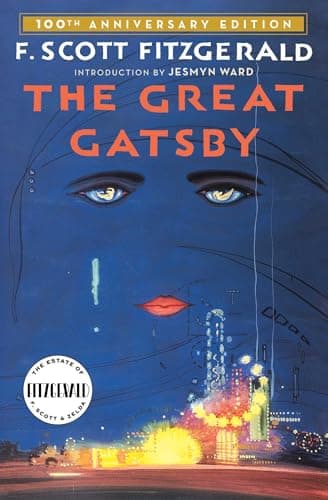
The Great Gatsby
- Pace
- Balanced
- Darkness
- Moderate
- Romance
- Minimal
- Difficulty
- Moderate
Why this matches
- Similar because
- Wealth protects careless people from consequences. Fitzgerald makes that protection seductive before exposing it, a quieter approach to the respectable cruelty Dickens attacks.
- Different because
- The Great Gatsby is brief, lyrical, and filtered through a narrator both attracted to and critical of its glamorous world. Adult aspiration replaces childhood innocence and street crime.
- Choose this if
- A short, separate novel if the class accusation mattered more than the criminal chase. Nick's attraction to privilege makes the judgment less straightforward.
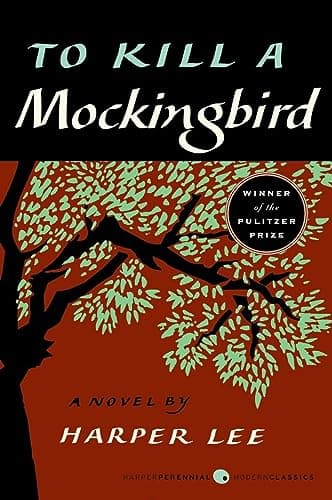
To Kill a Mockingbird
- Pace
- Balanced
- Darkness
- Moderate
- Romance
- Minimal
- Difficulty
- Moderate
Why this matches
- Similar because
- To Kill a Mockingbird uses a child's limited understanding to expose injustice adults normalize. Like Oliver Twist, it asks the reader to recognize cruelty concealed by ordinary community language.
- Different because
- To Kill a Mockingbird stays with Scout's family and a Southern courtroom rather than a displaced child in London. Its moral perspective is also limited by whose inner life receives attention.
- Choose this if
- For childhood observation exposing neighborhood prejudice and legal injustice. It stands alone, and its limited treatment of Black experience deserves as much scrutiny as its moral argument.
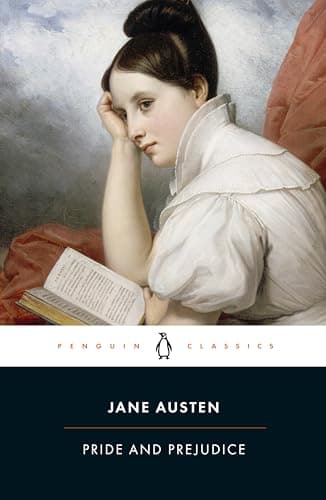
Pride and Prejudice
- Pace
- Balanced
- Darkness
- Gentle
- Romance
- Central
- Difficulty
- Moderate
Why this matches
- Similar because
- Pride and Prejudice also makes money and social standing determine what people can safely hope for. Its connection to Oliver Twist is class pressure, not childhood suffering or a similar crime plot.
- Different because
- Pride and Prejudice uses courtship, conversation, and comic misjudgment. The danger is largely social and economic, with much less violence and institutional anger than Dickens.
- Choose this if
- A lighter social comedy when you want money and status to remain consequential. The courtship stands alone; childhood suffering and criminal danger give way to conversation.
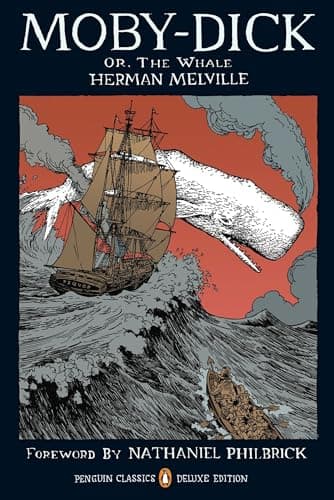
Moby-Dick
- Pace
- Measured
- Darkness
- Gentle
- Romance
- Minimal
- Difficulty
- Moderate
Why this matches
- Similar because
- The kinship is in the crowded working world: jobs, routines, hierarchy, and memorable voices. A whaling crew gives Melville material as varied as Dickens finds in London's streets.
- Different because
- Moby-Dick continually changes form, moving through sermons, stage scenes, and whaling instruction. Its digressions and obsessive sea voyage are far more demanding than Oliver's urban story.
- Choose this if
- A distant but worthwhile standalone for labor and language on a much larger scale. If the vulnerable child or quickly moving crime plot was the draw, this is unlikely to satisfy it.
A Christmas Carol
- Pace
- Balanced
- Darkness
- Gentle
- Romance
- Minimal
- Difficulty
- Moderate
Why this matches
- Similar because
- A Christmas Carol concentrates Oliver Twist's anger at people who treat poverty as a moral failing. Food, cold, work, and family make the cost of that indifference tangible.
- Different because
- A Christmas Carol is a compact supernatural conversion story. Comic urgency and one man's changing attention replace a long criminal plot and the passive innocence of Oliver.
- Choose this if
- Dickens's social conscience in a much shorter space. This independent ghost story is a good next step when another long Victorian novel feels daunting.
Side-by-side
Pace, darkness, romance, and difficulty
| Book | Pace | Darkness | Romance | Difficulty |
|---|---|---|---|---|
| Oliver Twist | Measured | Gentle | Minimal | Moderate |
| Great Expectations | Balanced | Gentle | Minimal | Moderate |
| David Copperfield | Measured | Gentle | Minimal | Moderate |
| Bleak House | Measured | Moderate | Minimal | Moderate |
| A Tale of Two Cities | Balanced | Moderate | Minimal | Moderate |
| Jane Eyre | Measured | Gentle | Central | Moderate |
| The Great Gatsby | Balanced | Moderate | Minimal | Moderate |
| To Kill a Mockingbird | Balanced | Moderate | Minimal | Moderate |
| Pride and Prejudice | Balanced | Gentle | Central | Moderate |
| Moby-Dick | Measured | Gentle | Minimal | Moderate |
| A Christmas Carol | Balanced | Gentle | Minimal | Moderate |
Keep exploring
Explore another Books Like guide
Pick another book you know and see what to read next.