What to read next
10 books like Moby-Dick
The voyage keeps changing what kind of book it is. Work becomes philosophy, a speech becomes theater, and an attempt to classify the whale exposes what classification cannot contain. These alternatives follow the formal variety, dangerous leadership, or consuming desire; some offer much less digression and a clearer plot.
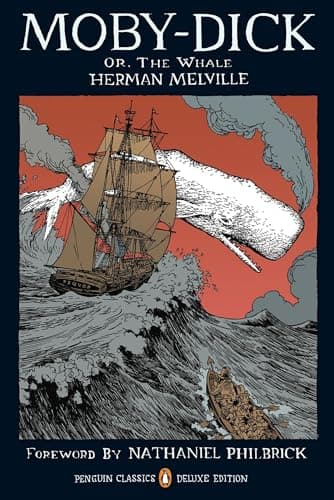
Read my review of Moby-Dick by Herman Melville.
Make these preferences your own: mix Moby-Dick with more mystery, less romance, or a different pace.
Best matches
Three strong places to start
If you only want three picks, start here.
Best overall

Short novel
Best alternative
Choose by reading mood
Where to start
For a shorter read
The Great Gatsby
BalancedFor the darkest read
The Road
DarkFor the strongest romance
Jane Eyre
CentralFor the easiest entry
Great Expectations
ModerateThe full shortlist
Why each book belongs here
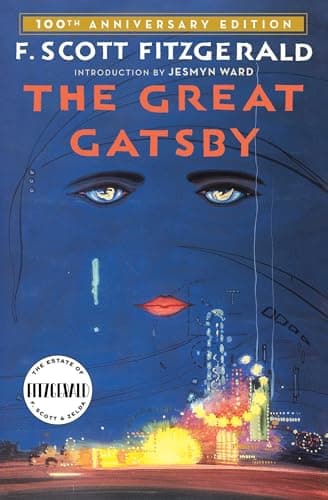
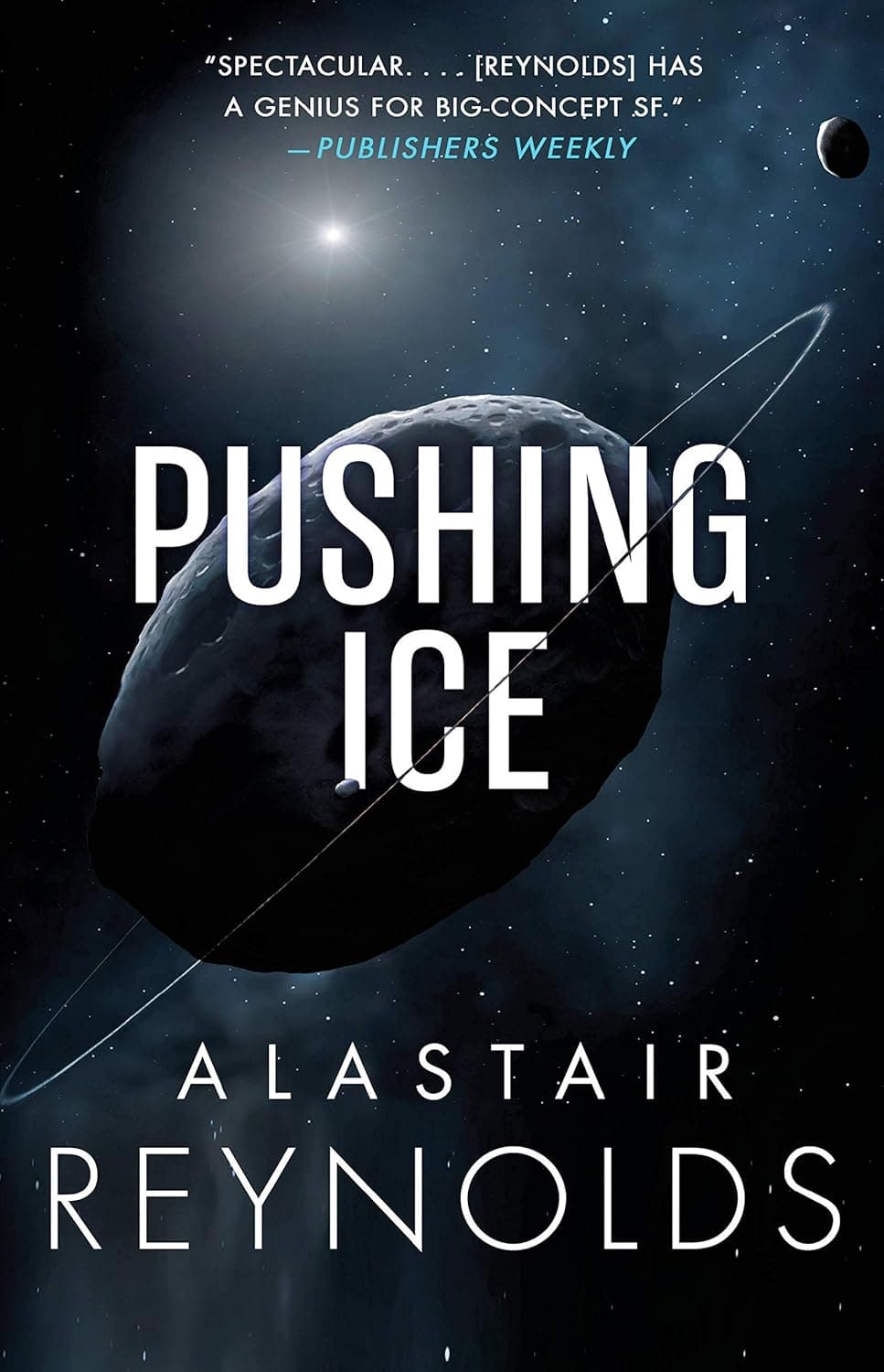
The Brothers Karamazov matches the argumentative scale. Dune gives immense creatures and a resource economy a more continuous political plot. Pushing Ice moves a working vessel into deep-time danger, while The Great Gatsby compresses obsession into a much shorter novel.
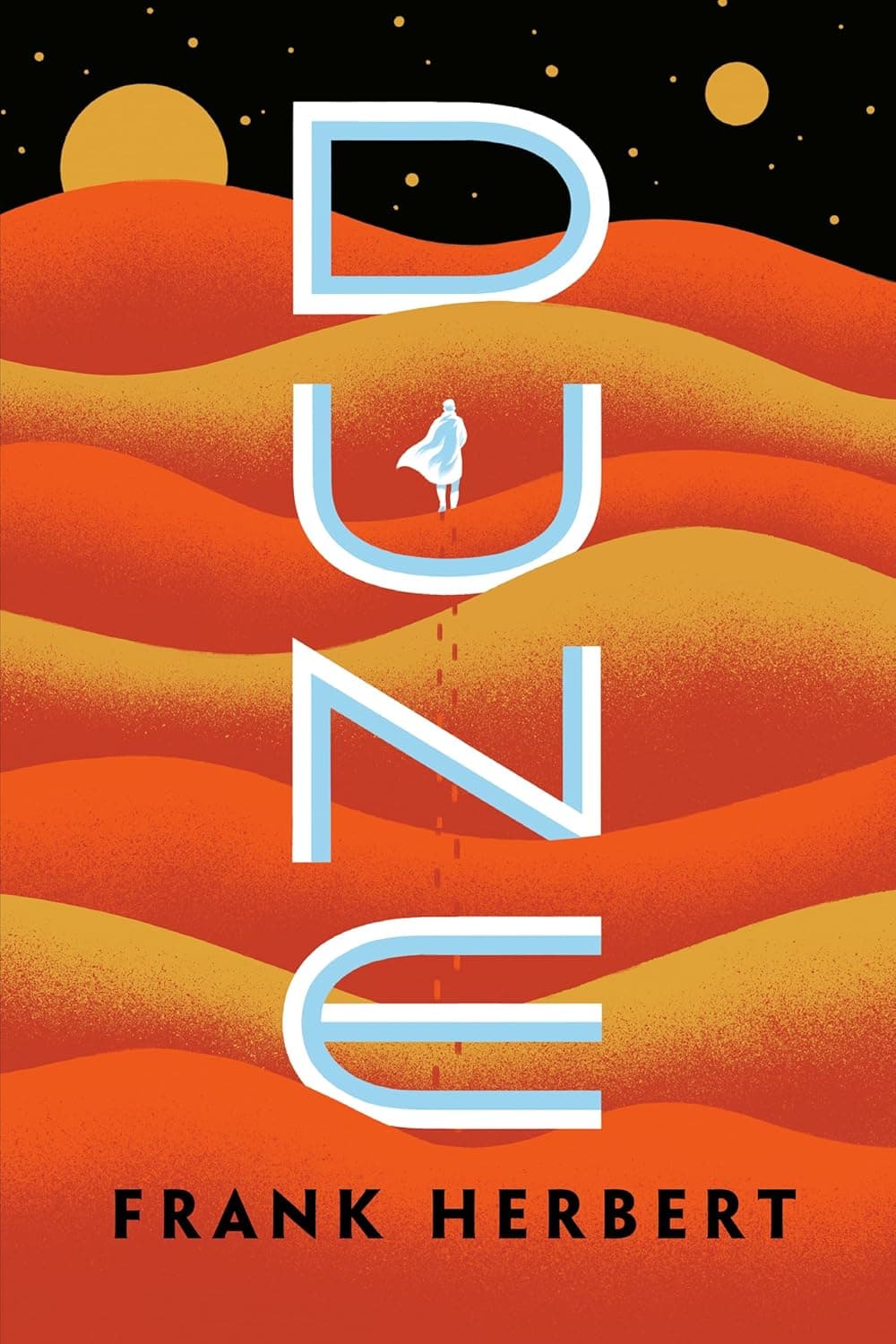
Dune
- Pace
- Balanced
- Darkness
- Moderate
- Romance
- Minimal
- Difficulty
- Demanding
Why this matches
- Similar because
- Water and spice make an immense creature part of a working society. The connection is the effort to understand a dangerous material world, rather than the whale as a symbol alone.
- Different because
- Dune keeps ecological detail inside a more continuous political plot. Unfamiliar terms make the opening demanding, but the worldbuilding is less formally unruly than Melville's inquiry.
- Choose this if
- Arrakis rewards an interest in a civilization's interconnected resources. This is Dune's first novel; allow patience for unfamiliar terms, with a more continuous political plot than the whaling voyage.
The Brothers Karamazov
- Pace
- Measured
- Darkness
- Gentle
- Romance
- Minimal
- Difficulty
- Demanding
Why this matches
- Similar because
- The Brothers Karamazov matches Moby-Dick's appetite for theology, philosophical interruption, comedy, and extreme voices. Argument itself becomes an event worth following.
- Different because
- The Brothers Karamazov anchors that variety in family injury and a murder case. Relationships carry the ideas more directly than whaling work or an unreadable animal.
- Choose this if
- For arguments made personal by damaged relationships. This independent novel matches the breadth, comedy, and theology, with long monastery and courtroom scenes in place of whaling instruction.
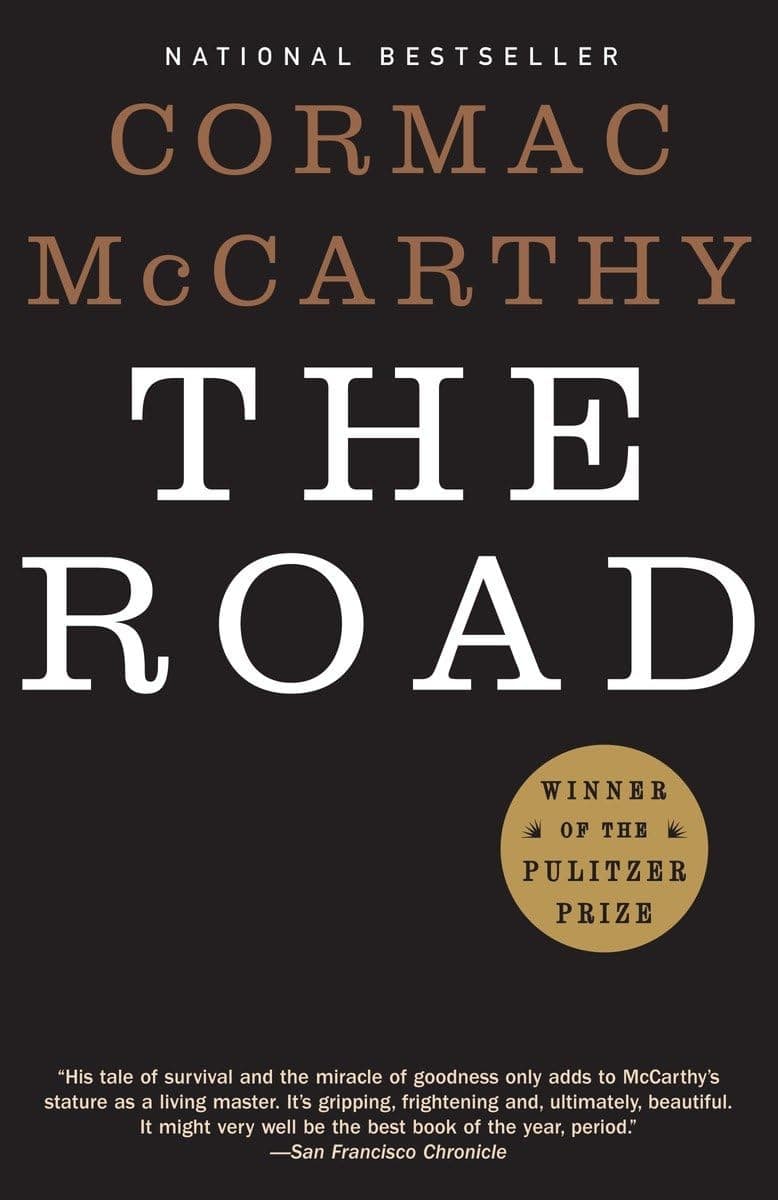
The Road
- Pace
- Balanced
- Darkness
- Dark
- Romance
- Minimal
- Difficulty
- Moderate
Why this matches
- Similar because
- The Road also makes a journey through an indifferent environment test human obligation. It narrows Moby-Dick's moral and physical exposure to one father and son.
- Different because
- The Road is lean, austere, and severely violent. Food and shelter replace encyclopedic labor, while one relationship carries almost all the emotional weight.
- Choose this if
- A standalone when you want the moral journey stripped to a father and son. The language is elemental, the violence severe, and almost all the formal variety is gone.
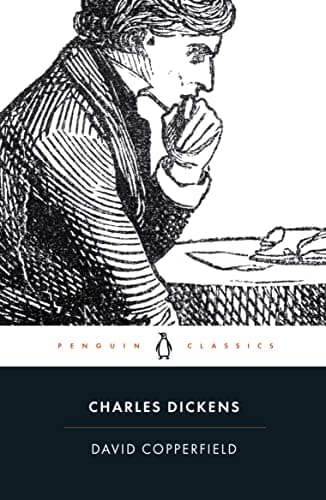
David Copperfield
- Pace
- Measured
- Darkness
- Gentle
- Romance
- Minimal
- Difficulty
- Moderate
Why this matches
- Similar because
- David's remembering voice fills a working life with people he once understood badly. That richly populated account offers a domestic companion to Ishmael's restless narrative curiosity.
- Different because
- David Copperfield follows childhood, work, marriage, and writing instead of one ship's fate. The warmth is greater, though comic subplots and idealized relationships extend the sprawl.
- Choose this if
- A whole remembered life in place of one vessel's fate. David's standalone has much more affection around its narrator, though the comic subplots bring their own sprawl.
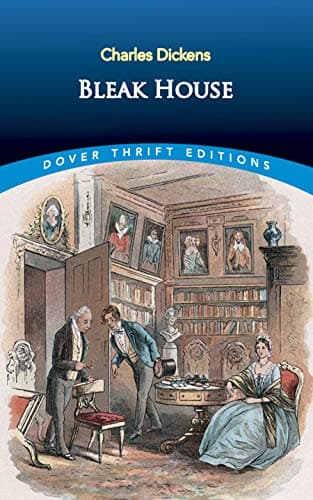
Bleak House
- Pace
- Measured
- Darkness
- Moderate
- Romance
- Minimal
- Difficulty
- Moderate
Why this matches
- Similar because
- Dickens makes fog, money, disease, and legal work carry an enormous argument. The material world is as consequential as the whaling labor, though a court case gives it a firmer organizing line.
- Different because
- Bleak House alternates private narration with panoramic institutional satire. A legal mystery organizes the cast more firmly, although the network of coincidences is extensive.
- Choose this if
- The city replaces the ship as the densely connected working world. No earlier Dickens is needed; the demanding dual narration has a legal mystery to hold its many lives together.
Pushing Ice
- Pace
- Balanced
- Darkness
- Gentle
- Romance
- Minimal
- Difficulty
- Moderate
Why this matches
- Similar because
- Fuel, hierarchy, and incomplete information make leadership dangerous before the cosmic scale appears. The working crew and a voyage that grows beyond easy return are the closer connections.
- Different because
- Pushing Ice is standalone hard SF that grows from an operational pursuit into generation-scale survival. Technical constraints are clear, but a sustained personal feud can become repetitive.
- Choose this if
- I'd turn here for the crew, abrasive leadership, and immense unknown. This standalone hard-SF voyage has clearer operational constraints, though its long personal feud can be tiring.
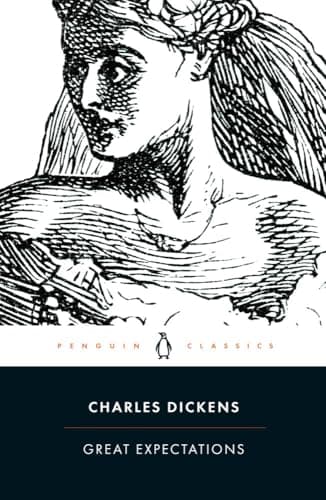
Great Expectations
- Pace
- Balanced
- Darkness
- Gentle
- Romance
- Minimal
- Difficulty
- Moderate
Why this matches
- Similar because
- Adult Pip has to correct the polished story his younger self told about class and kindness. His retrospective judgment gives the search for knowledge a more personal, sustained subject.
- Different because
- Great Expectations is tighter and more psychologically focused, with Pip's shame testing his view of kindness. Its later coincidences are crowded rather than encyclopedic.
- Choose this if
- Pip's shame makes the misjudgment more inward and sustained. The novel stands alone, with fewer changes of form and a protagonist who has to reconsider his neglected loyalties.
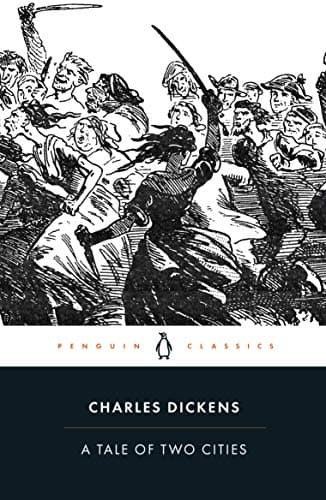
A Tale of Two Cities
- Pace
- Balanced
- Darkness
- Moderate
- Romance
- Minimal
- Difficulty
- Moderate
Why this matches
- Similar because
- Repeated phrases and doubled figures make rhetoric drive the action. Dickens's patterned melodrama is a tighter counterpart to Melville's sermons, stage speeches, and symbolic extremes.
- Different because
- A Tale of Two Cities joins private lives to revolutionary violence through patterned melodrama. The historical plot converges more tightly, but the opening secrecy can resist entry.
- Choose this if
- A separate novel for rhetorical intensity directed toward a tighter convergence. Sacrifice and revolutionary violence replace the sea; the opening relationships can still be hard to enter.
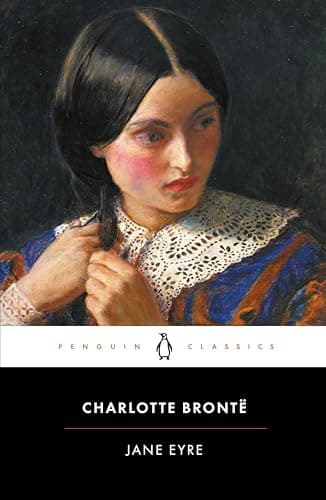
Jane Eyre
- Pace
- Measured
- Darkness
- Gentle
- Romance
- Central
- Difficulty
- Moderate
Why this matches
- Similar because
- Jane's direct address makes the reader answer to a forceful moral voice. It is a quieter literary connection to Ishmael's insistence on finding words for the voyage, with one life holding the narrative together.
- Different because
- Jane Eyre keeps work, faith, desire, and independence inside one life story. Gothic secrecy replaces maritime inquiry, and the emotional line is more continuous.
- Choose this if
- An independent change of scale if the narrator's voice mattered more than the encyclopedia of whaling. Jane keeps passion and conscience close to work and the need to protect her independence.
The Great Gatsby
- Pace
- Balanced
- Darkness
- Moderate
- Romance
- Minimal
- Difficulty
- Moderate
Why this matches
- Similar because
- Nick watches a man's consuming dream endanger more than the dreamer. His attraction and judgment keep obsession from becoming a purely heroic story, in a far more compressed form.
- Different because
- The Great Gatsby replaces the sea with houses, parties, money, and a romantic ideal. Its polished metaphors and short form contain the inquiry instead of continually changing genre.
- Choose this if
- A much shorter, independent account of consuming desire. Nick's admiration stays entangled with judgment, and the polished self-story cannot cancel the damage around it.
Side-by-side
Pace, darkness, romance, and difficulty
| Book | Pace | Darkness | Romance | Difficulty |
|---|---|---|---|---|
| Moby-Dick | Measured | Gentle | Minimal | Moderate |
| Dune | Balanced | Moderate | Minimal | Demanding |
| The Brothers Karamazov | Measured | Gentle | Minimal | Demanding |
| The Road | Balanced | Dark | Minimal | Moderate |
| David Copperfield | Measured | Gentle | Minimal | Moderate |
| Bleak House | Measured | Moderate | Minimal | Moderate |
| Pushing Ice | Balanced | Gentle | Minimal | Moderate |
| Great Expectations | Balanced | Gentle | Minimal | Moderate |
| A Tale of Two Cities | Balanced | Moderate | Minimal | Moderate |
| Jane Eyre | Measured | Gentle | Central | Moderate |
| The Great Gatsby | Balanced | Moderate | Minimal | Moderate |
Keep exploring
Explore another Books Like guide
Pick another book you know and see what to read next.