What to read next
10 books like The Brothers Karamazov
The arguments hurt because the speakers belong to the same damaged family. These books follow judgment, obligation, obsessive belief, or a narrator unable to settle what suffering means. Some sustain a similarly unruly scale; the shorter Kafka works and Seneca's correspondence offer more concentrated encounters with those questions.
Read my review of The Brothers Karamazov by Fyodor Dostoevsky.
Best matches
Three strong places to start
If you only want three picks, start here.
Best overall
Short read
Best alternative
Choose by reading mood
Where to start
For a shorter read
The Metamorphosis
BalancedFor the darkest read
The Trial
DarkFor the strongest romance
Jane Eyre
CentralFor a leaner entry
The Road
ModerateThe full shortlist
Why each book belongs here
The Trial makes accusation colder and less explainable. Moby-Dick matches the formal appetite. The Metamorphosis is the compact family nightmare. The nonfiction Letters on Ethics and the tragic plays are changes of form, not substitutes for Dostoevsky's realist world.
The Trial
- Pace
- Balanced
- Darkness
- Dark
- Romance
- Minimal
- Difficulty
- Moderate
Why this matches
- Similar because
- Josef K. cannot learn the charge, let alone make procedure settle its meaning. Kafka strips away the crime, witnesses, and family history through which Dostoevsky makes judgment an ordeal.
- Different because
- The Trial is shorter, colder, and darkly comic. Offices and supposed helpers multiply uncertainty instead of allowing theology or testimony to organize it; the novel is unfinished.
- Choose this if
- An independent Kafka novel when accusation itself is what interests you. The charge remains inaccessible, and the unfinished form gives you less closure than another family trial.
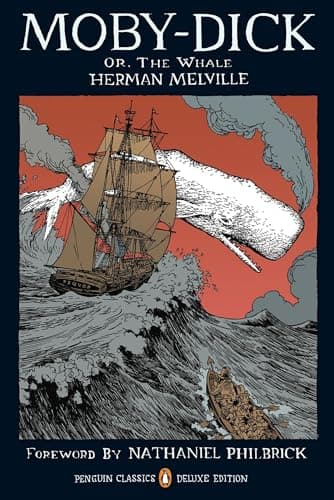
Moby-Dick
- Pace
- Measured
- Darkness
- Gentle
- Romance
- Minimal
- Difficulty
- Moderate
Why this matches
- Similar because
- Melville can turn whaling work into a sermon or a stage speech. Like Dostoevsky's family arguments, those changes make thought part of the drama, with its own comedy and excess.
- Different because
- Moby-Dick carries those arguments into maritime labor and an obsessive voyage. Sermons, classifications, and stage-like speeches replace the family crime and court.
- Choose this if
- I would turn here for the exuberant changes of form and scale. It stands alone, but whaling instruction demands a different patience from the brothers' arguments.
The Road
- Pace
- Balanced
- Darkness
- Dark
- Romance
- Minimal
- Difficulty
- Moderate
Why this matches
- Similar because
- The father cannot make a moral choice without risking something his son needs. That puts responsibility inside a family relationship, while stripping away almost all the discussion around it.
- Different because
- The Road removes almost all social debate and narrows the journey to food, shelter, and mutual care. The prose is austere and the violence severe.
- Choose this if
- Care has a physical cost in this standalone. It is a much leaner treatment of moral endurance, with severe violence and little of Dostoevsky's comedy.
The Metamorphosis
- Pace
- Balanced
- Darkness
- Dark
- Romance
- Minimal
- Difficulty
- Moderate
Why this matches
- Similar because
- Gregor's household calculates what he is worth once he can no longer work. Family obligation becomes a practical test instead of another argument the brothers can keep reopening.
- Different because
- The Metamorphosis uses one impossible body, domestic routines, and neutral sentences. Abandonment is quiet and economical rather than argued through an enormous realist cast.
- Choose this if
- A short, independent family nightmare when prolonged argument feels like too much. Gregor's household calculates obligation in food, work, and money rather than debating it openly.
Letters on Ethics
- Pace
- Measured
- Darkness
- Moderate
- Romance
- Minimal
- Difficulty
- Demanding
Why this matches
- Similar because
- Seneca makes arguments about how to live answer to bodily and social experience. The letters test moral seriousness against daily life, with a single teaching voice in place of the brothers' disputes.
- Different because
- Letters on Ethics is nonfiction, with one crafted teaching voice rather than competing family members. Friendship and mortality lead into increasingly technical philosophical disputes.
- Choose this if
- Read the complete letters for sustained ethical inquiry tested against daily life. No earlier Seneca is required; this is Stoic nonfiction, with neither Christian theology nor a murder plot.
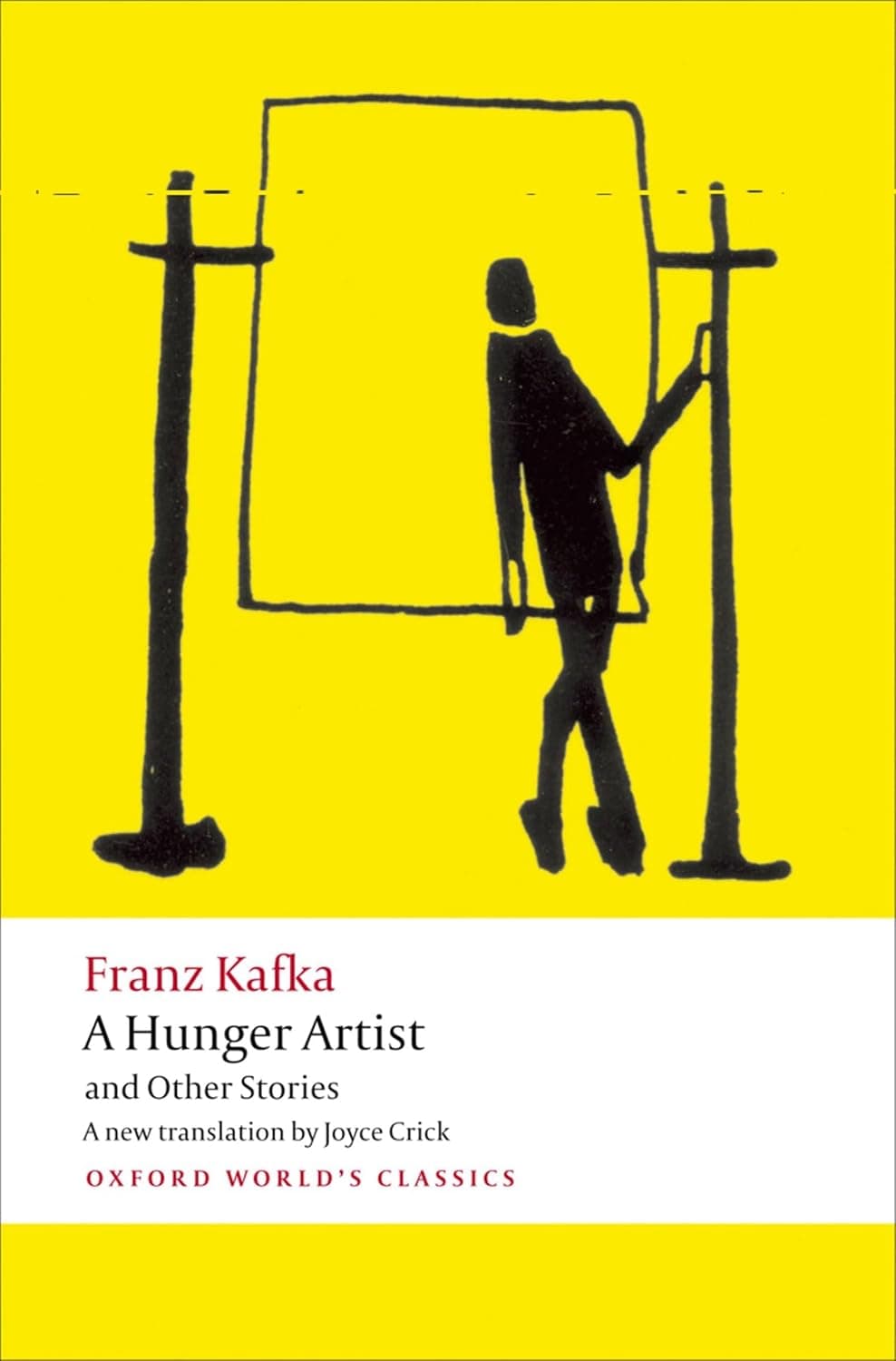
A Hunger Artist and Other Stories
- Pace
- Balanced
- Darkness
- Gentle
- Romance
- Minimal
- Difficulty
- Moderate
Why this matches
- Similar because
- Kafka can make one bodily predicament carry several incompatible meanings. Shame and the performance of suffering become a cage or a burrow, rather than something an enormous cast keeps arguing about.
- Different because
- A Hunger Artist and Other Stories uses short, opaque situations instead of a shared realist world. Exact contents vary by edition, and several pieces resist stable interpretation.
- Choose this if
- Short, independent pieces worth pausing between. Check the edition's contents; the appeal is compact moral strangeness rather than a family whose psychology accumulates over a novel.
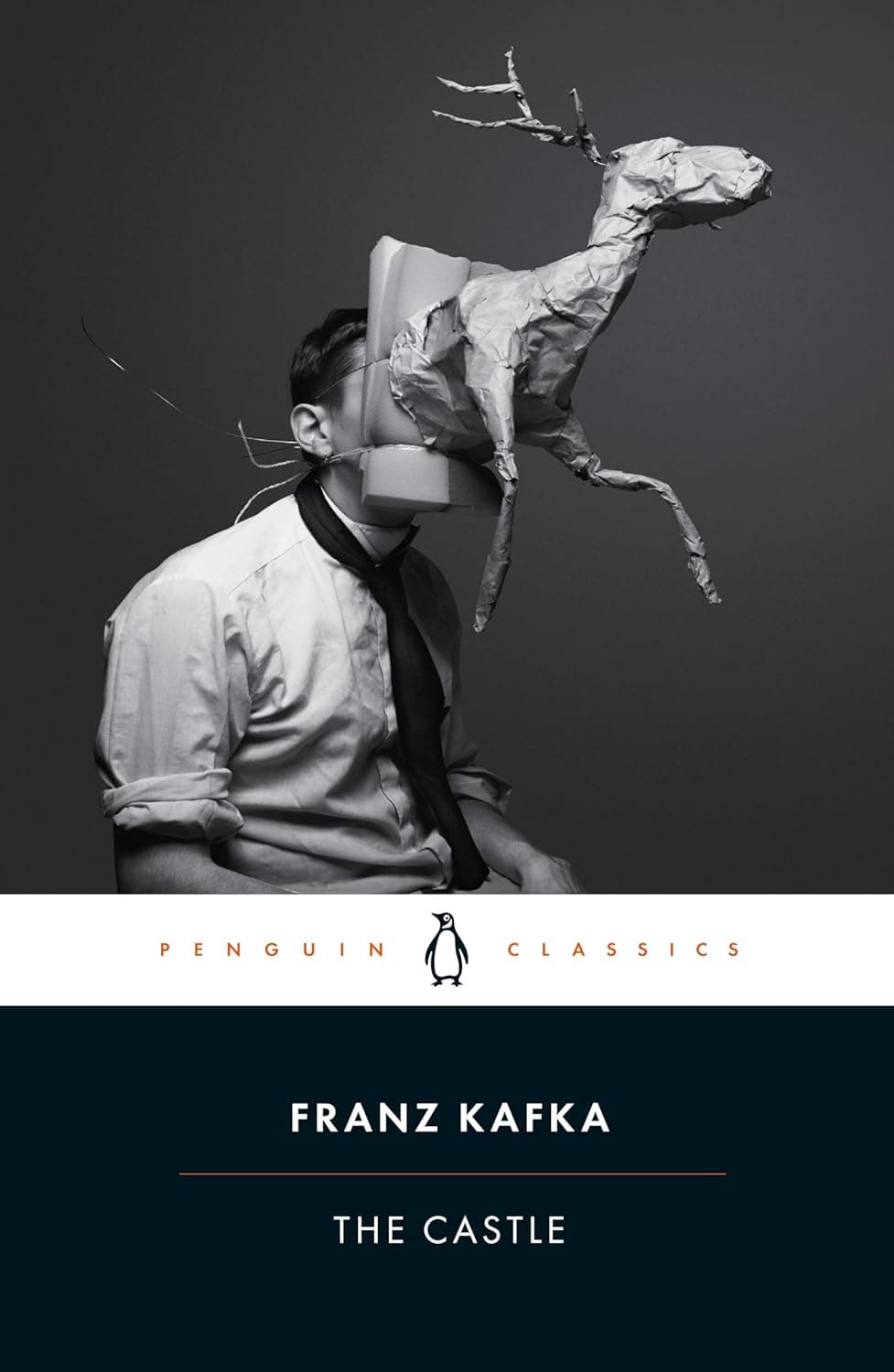
The Castle
- Pace
- Balanced
- Darkness
- Gentle
- Romance
- Minimal
- Difficulty
- Moderate
Why this matches
- Similar because
- K.'s desire for recognition turns every relationship partly administrative. Judgment and belonging remain painful, but distant authority gives them far less room for open argument.
- Different because
- The Castle fixes its outsider in repetitive negotiations and ends unfinished. Explanations create further qualifications, with less emotional variety or visible movement than Dostoevsky supplies.
- Choose this if
- The Trial is the clearer Kafka introduction, though no earlier novel is required. Take this unfinished one for the desire to belong, with exhausting negotiations rather than the brothers' emotional variety.
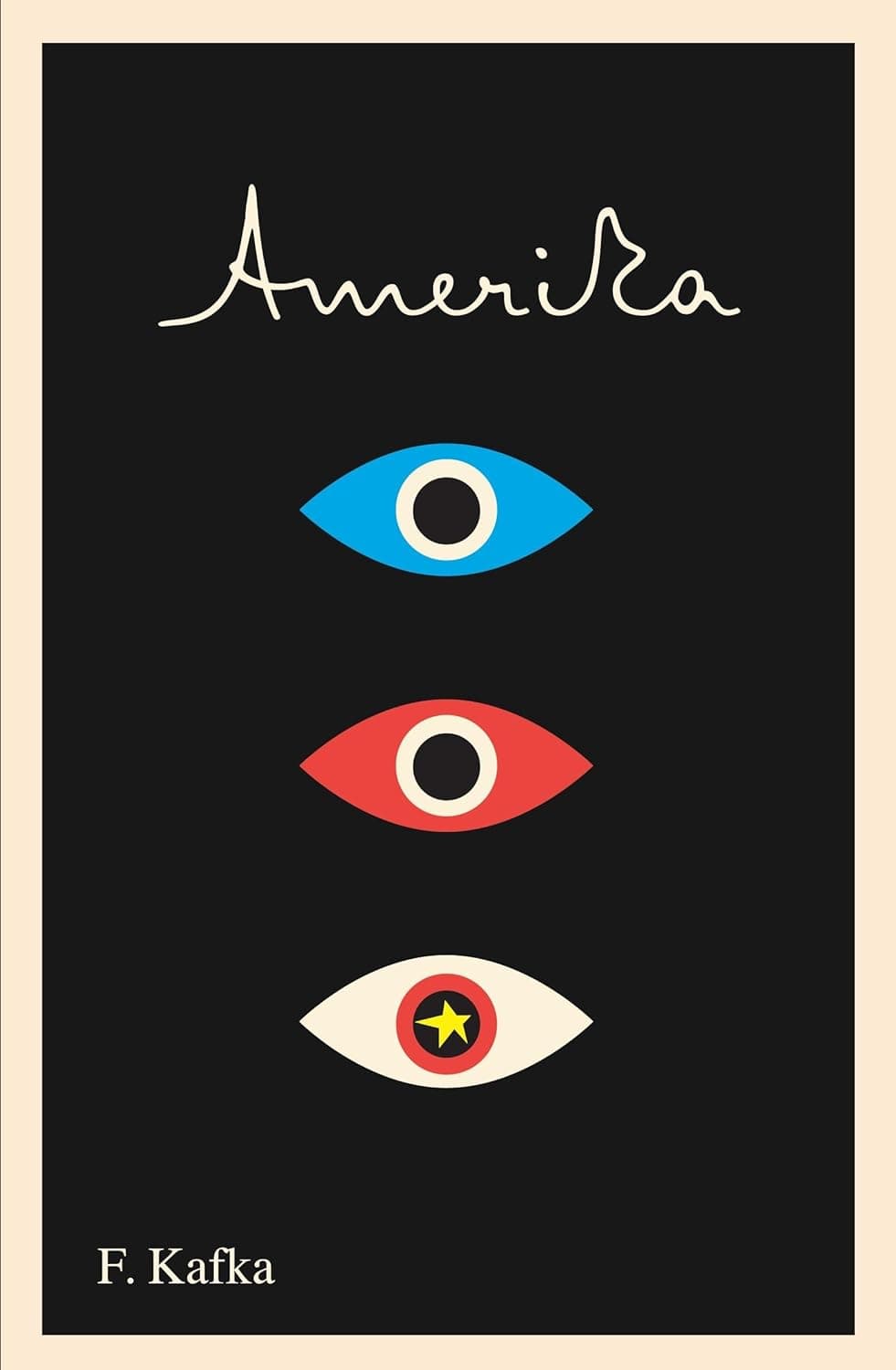
Amerika (The Man Who Disappeared)
- Pace
- Balanced
- Darkness
- Gentle
- Romance
- Minimal
- Difficulty
- Moderate
Why this matches
- Similar because
- Karl is welcomed, employed, judged, and dismissed before he can learn the rules. His dependence gives social humiliation the motion of an adventure, rather than keeping it inside one damaged family.
- Different because
- Karl moves through comic episodes and dreamlike geography. The surviving manuscript has no complete ending, and exploitation supplies more motion than theological debate.
- Choose this if
- Karl's welcome repeatedly becomes another form of dependence. This independent but unfinished novel is for comic humiliation and employment pressure, not a complete theological family drama.
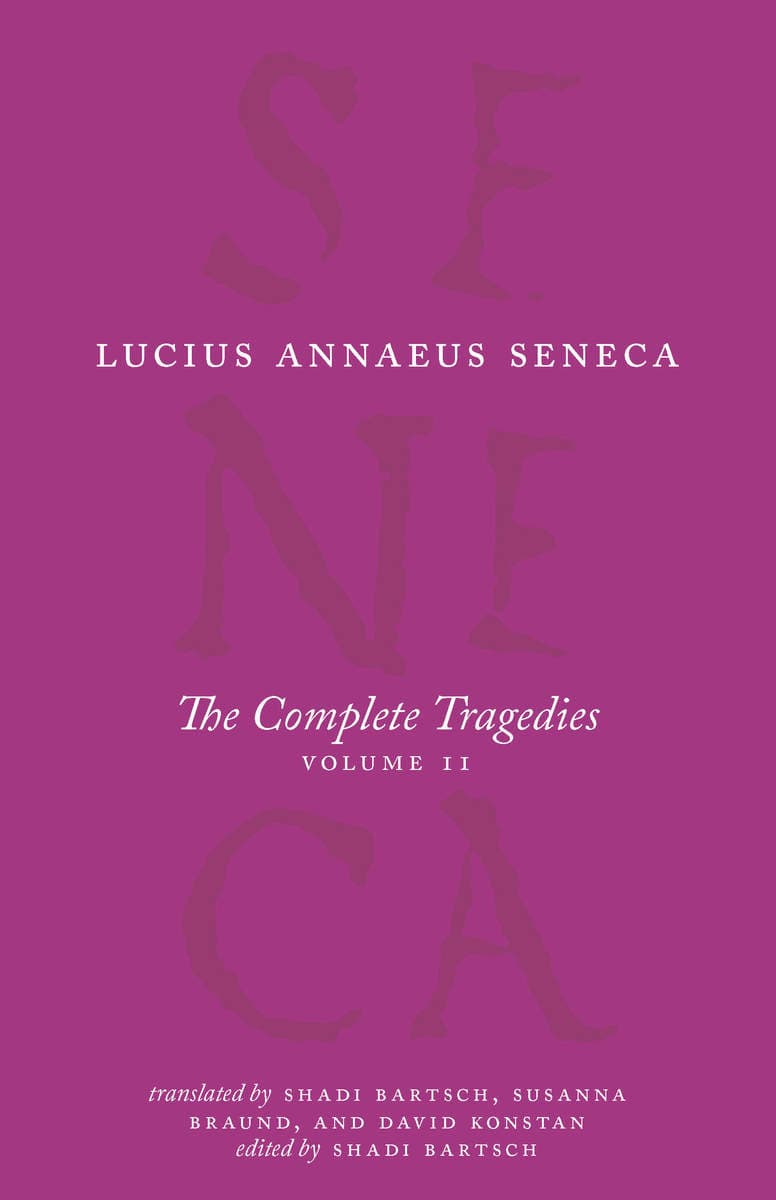
The Complete Tragedies, Volume 2
- Pace
- Balanced
- Darkness
- Moderate
- Romance
- Minimal
- Difficulty
- Moderate
Why this matches
- Similar because
- Seneca's royal families make kinship, guilt, and violence philosophically unbearable. Revenge compresses the family catastrophe into crises whose speakers cannot stop enlarging their injuries.
- Different because
- The verse dramas use declaimed positions, messenger speeches, and mythic bodily horror. Individual plays reward separate attention rather than one continuous binge.
- Choose this if
- Seneca's verse makes family violence rhetorically overwhelming. Volume 1 is not a prerequisite; read these plays separately, with the introductions, rather than treating five tragedies as one binge.
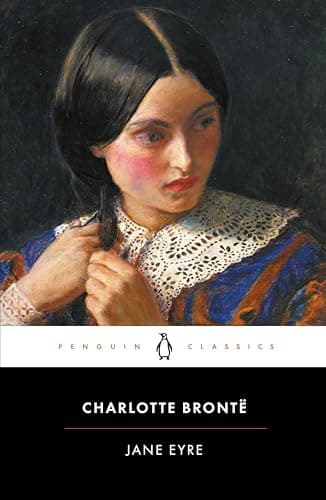
Jane Eyre
- Pace
- Measured
- Darkness
- Gentle
- Romance
- Central
- Difficulty
- Moderate
Why this matches
- Similar because
- Jane tests faith and conscience inside painful relationships. Her refusal to let love settle every moral question is a quieter companion to the brothers' competing convictions.
- Different because
- Jane Eyre is more tightly held by a first-person life story. Work, dignity, Gothic secrecy, and desire replace the large family court case.
- Choose this if
- Jane's moral voice holds one life together where the brothers argue in many voices. The standalone is a good turn toward conscience that refuses to surrender its judgment to love.
Side-by-side
Pace, darkness, romance, and difficulty
| Book | Pace | Darkness | Romance | Difficulty |
|---|---|---|---|---|
| The Brothers Karamazov | Measured | Gentle | Minimal | Demanding |
| The Trial | Balanced | Dark | Minimal | Moderate |
| Moby-Dick | Measured | Gentle | Minimal | Moderate |
| The Road | Balanced | Dark | Minimal | Moderate |
| The Metamorphosis | Balanced | Dark | Minimal | Moderate |
| Letters on Ethics | Measured | Moderate | Minimal | Demanding |
| A Hunger Artist and Other Stories | Balanced | Gentle | Minimal | Moderate |
| The Castle | Balanced | Gentle | Minimal | Moderate |
| Amerika (The Man Who Disappeared) | Balanced | Gentle | Minimal | Moderate |
| The Complete Tragedies, Volume 2 | Balanced | Moderate | Minimal | Moderate |
| Jane Eyre | Measured | Gentle | Central | Moderate |
Keep exploring
Explore another Books Like guide
Pick another book you know and see what to read next.