What to read next
10 books like When We Were Real
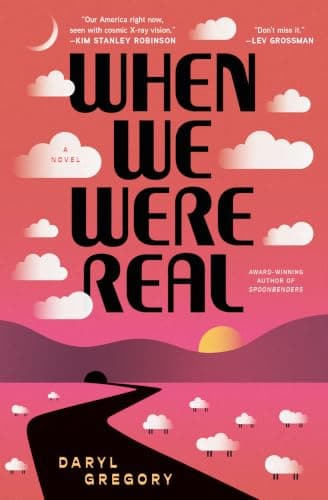
The glitch tour converts metaphysical crisis into tourism, commerce, friendship, and private fear, keeping the premise close to recognizable human behavior. If that is what you want more of after When We Were Real, these recommendations preserve that appeal in different ways, without pretending every similar book offers the same experience.
Start with our When We Were Real review by Daryl Gregory.

Choose by reading mood
Where to start
For the fastest read
Project Hail Mary
BalancedFor the gentlest option
Eversion
GentleFor minimal romance
Mickey7
MinimalFor the easiest entry
Death of the Author
AccessibleThe full shortlist
Why each book belongs here
Each match is judged against When We Were Real, not merely placed beside it because the books share a broad genre label.
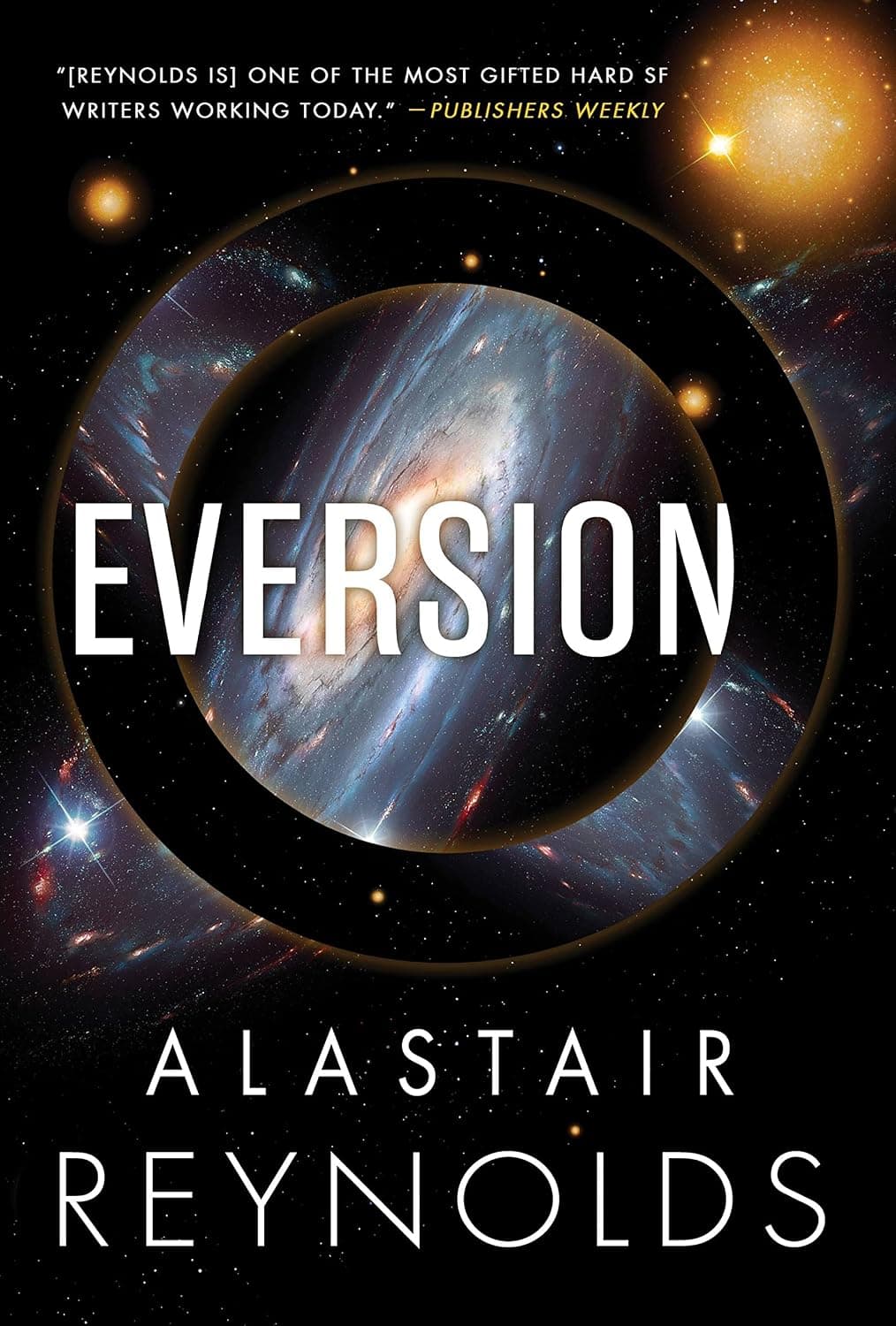
Eversion
- Shared ground
- Both books turn technical knowledge into choices with personal consequences.
- What changes
- Eversion builds reality uncertainty as a tightening structural mystery; When We Were Real reveals its premise early and studies how ordinary people continue afterward.
- Best for
- Readers wanting standalone science fiction, unreliable reality, exploration, artificial intelligence, and a strong late reveal.
- Pace Balanced
- Darkness Gentle
- Romance Minimal
- Difficulty Moderate
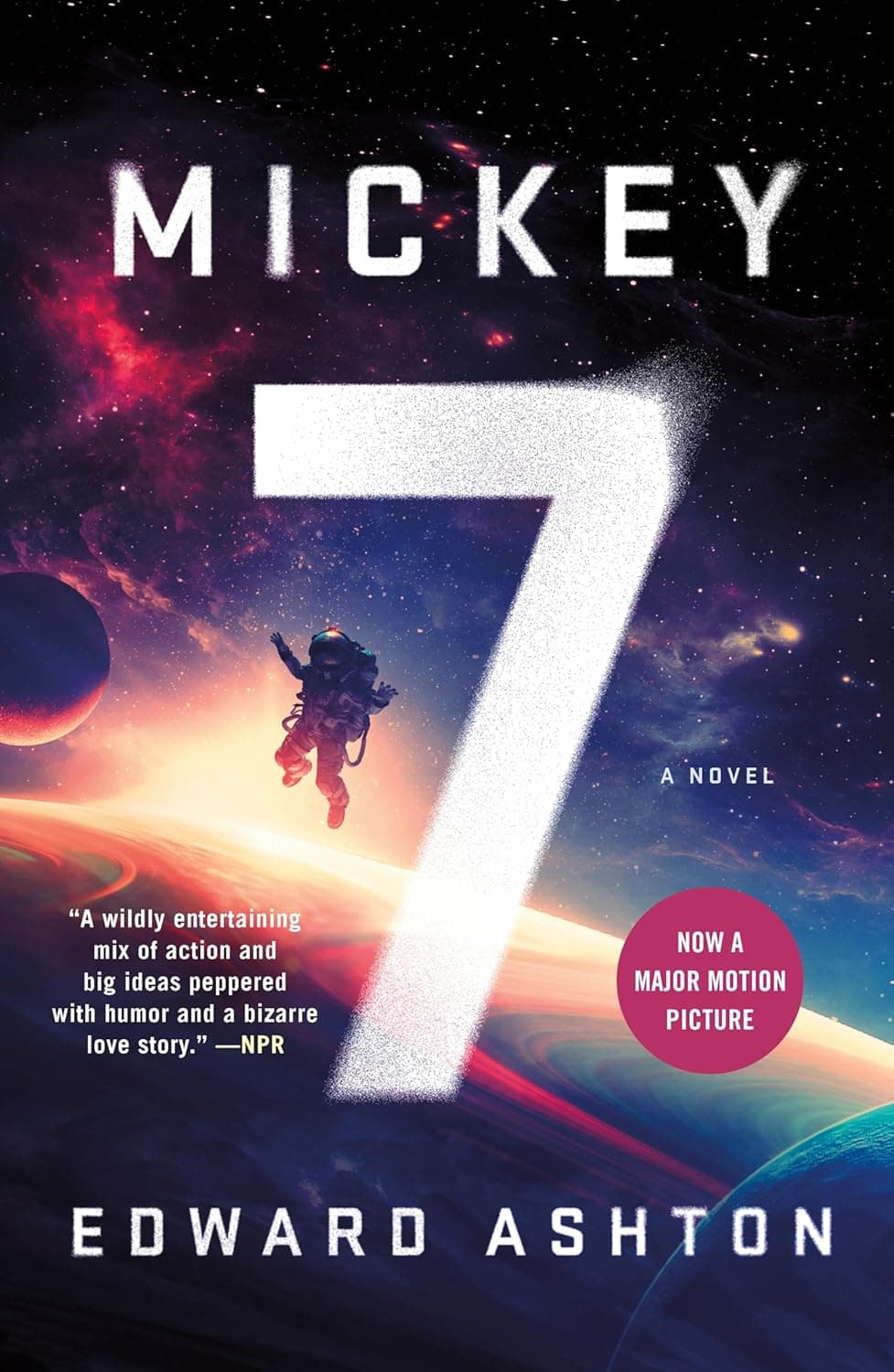
Mickey7
- Shared ground
- Both books turn technical knowledge into choices with personal consequences.
- What changes
- Mickey7 turns identity philosophy into one worker's survival problem, while Gregory spreads existential uncertainty across a comic traveling community.
- Best for
- Science-fiction readers wanting cloning, hostile-planet survival, corporate exploitation, existential questions, and dark humor in a compact standalone story.
- Pace Balanced
- Darkness Moderate
- Romance Minimal
- Difficulty Accessible
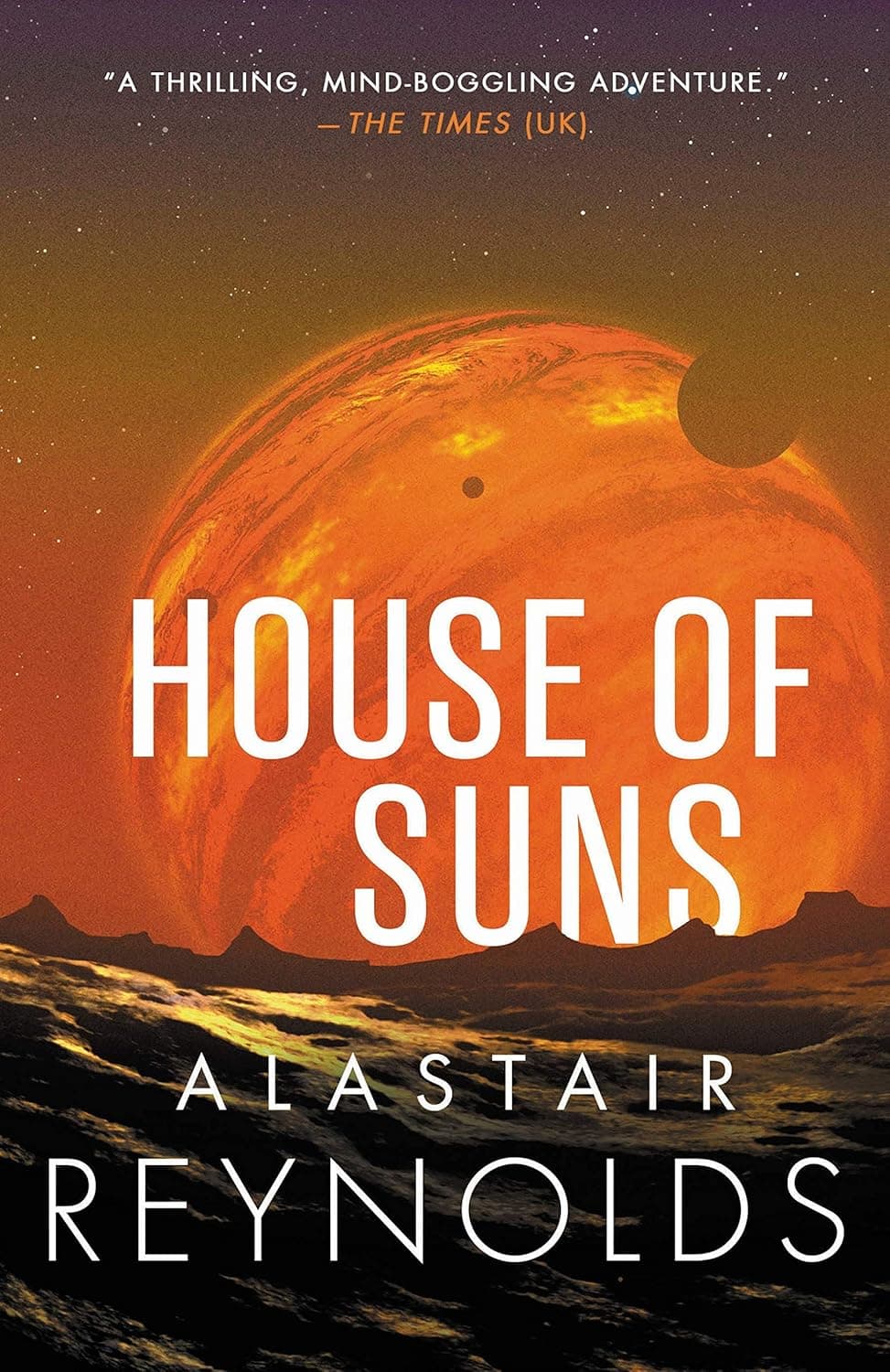
House of Suns
- Shared ground
- Both books use speculative ideas to place human choices under unfamiliar pressure.
- What changes
- House of Suns offers cosmic scale, deep time, and grand mystery; When We Were Real remains deliberately contemporary, social, and intimate.
- Best for
- Readers wanting an accessible standalone epic with deep time, clones, machine people, romance, pursuit, and galactic mystery.
- Pace Measured
- Darkness Gentle
- Romance Minimal
- Difficulty Moderate
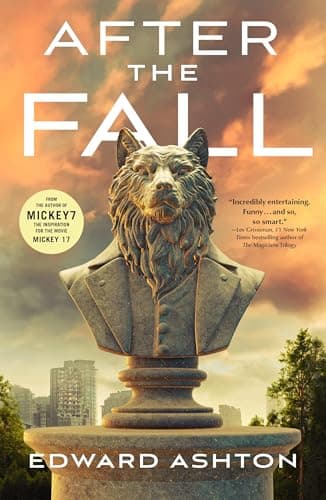
After the Fall
- Shared ground
- Both books turn technical knowledge into choices with personal consequences.
- What changes
- After the Fall has a similar overall reading load, but changes the emphasis. The wilderness scheme turns alien occupation into debt, work, bad planning, and reluctant loyalty, making systemic exploitation visible inside comic adventure.
- Best for
- Science-fiction readers wanting alien occupation, buddy comedy, debt, wilderness survival, unequal friendship, and satire that keeps coercion visible beneath the banter.
- Pace Balanced
- Darkness Moderate
- Romance Minimal
- Difficulty Accessible
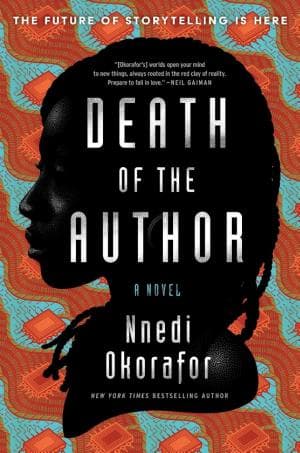
Death of the Author
- Shared ground
- Both books turn technical knowledge into choices with personal consequences.
- What changes
- Death of the Author has a similar overall reading load, but changes the emphasis. Zelu's disability, Nigerian American family, failed academic career, and embedded robot novel create several competing accounts of authorship rather than one allegorical answer.
- Best for
- Readers of literary science fiction interested in disability, Nigerian diasporic family, publishing, artificial life, adaptation, fame, and stories embedded inside stories.
- Pace Balanced
- Darkness Moderate
- Romance Light subplot
- Difficulty Accessible
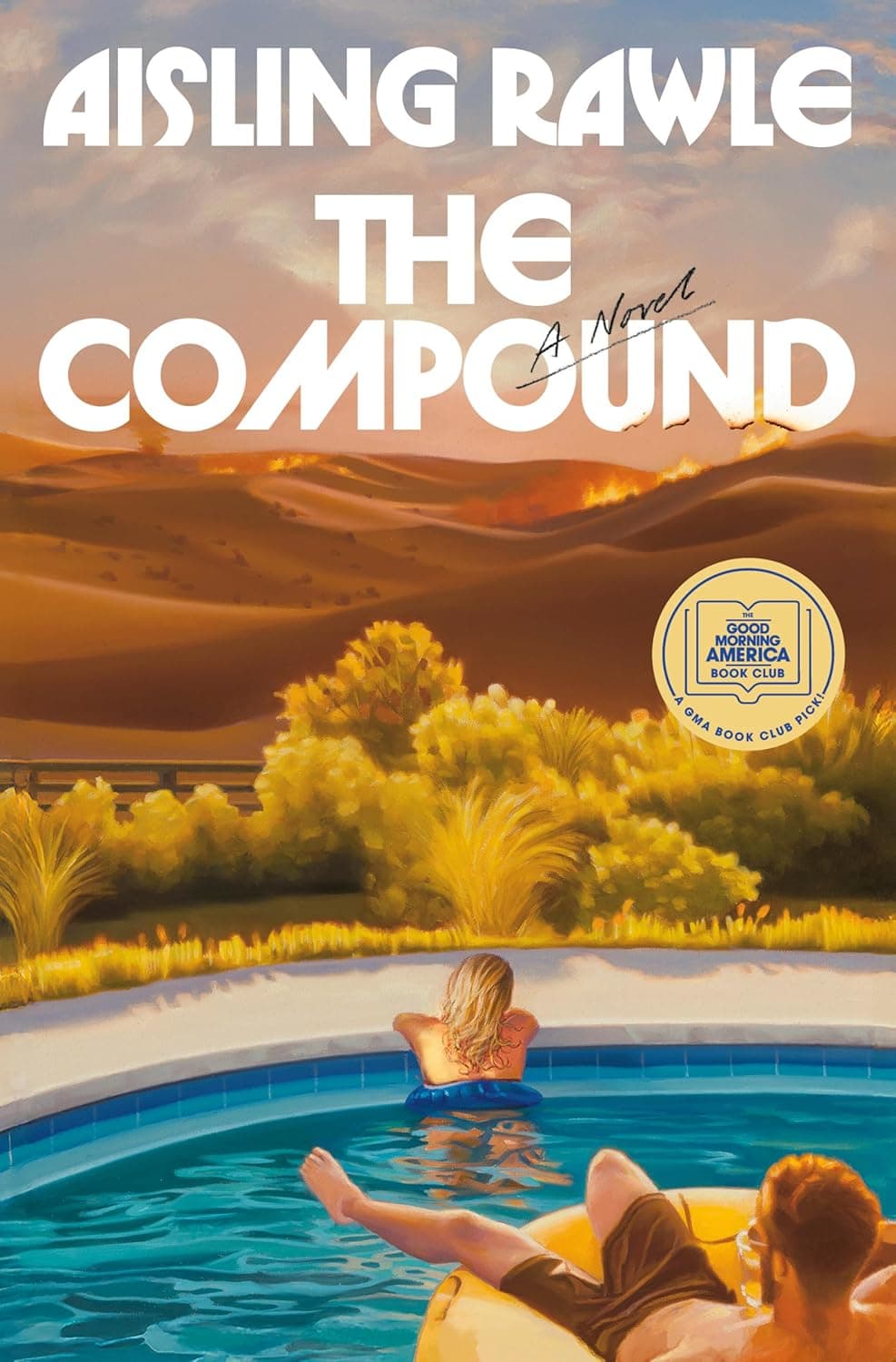
The Compound
- Shared ground
- Both books use discomfort and exaggeration to expose the logic of a social system.
- What changes
- The Compound is darker than When We Were Real. Lily's willingness to remain inside the game prevents easy moral distance, and the exchange of basic necessities for performance turns familiar television rituals into coercion.
- Best for
- Readers of dystopian satire, social horror, reality-TV critique, surveillance fiction, and morally compromised narrators who want an addictive rather than austere novel.
- Pace Balanced
- Darkness Moderate
- Romance Minimal
- Difficulty Accessible
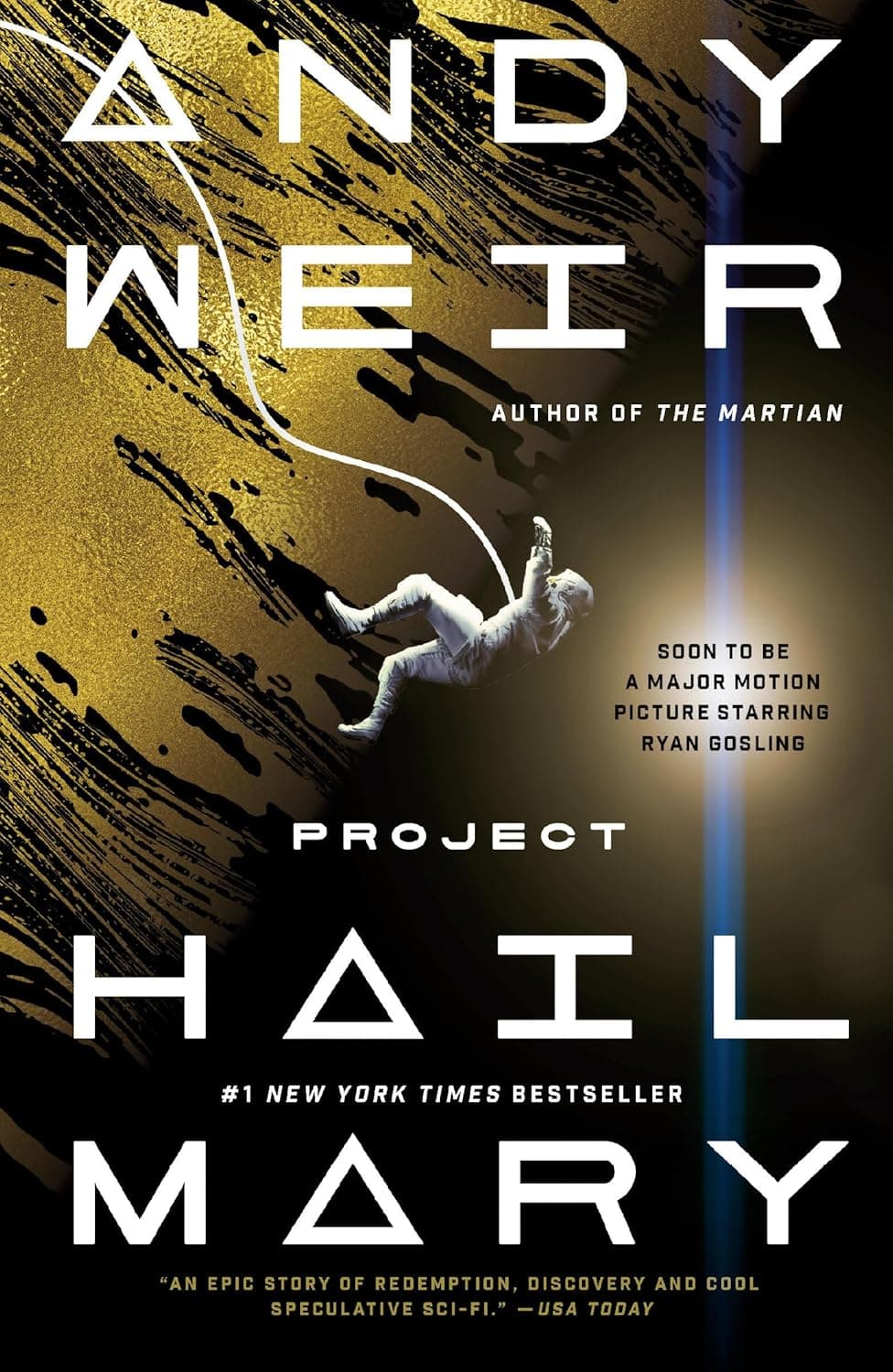
Project Hail Mary
- Shared ground
- Both books turn technical knowledge into choices with personal consequences.
- What changes
- Project Hail Mary is faster and more demanding than When We Were Real. Ryland and Rocky must build trust through measurement, language, shared experiments, and incompatible biology, making communication itself the novel's best scientific problem.
- Best for
- Readers wanting optimistic hard science fiction, first contact, high-stakes problem solving, and an emotionally satisfying partnership.
- Pace Balanced
- Darkness Moderate
- Romance Minimal
- Difficulty Moderate
The Forest on the Edge of Time
- Shared ground
- Both books turn technical knowledge into choices with personal consequences.
- What changes
- The Forest on the Edge of Time has a similar overall reading load, but changes the emphasis. The forest functions as ecosystem, archive, and boundary, while competing generations give sacrifice a personal cost that abstract future-saving stories often avoid.
- Best for
- Readers of ecological and literary science fiction who prefer family, stewardship, climate grief, and moral consequence to gadget-focused time travel.
- Pace Balanced
- Darkness Moderate
- Romance Minimal
- Difficulty Accessible
Zima Blue and Other Stories
- Shared ground
- Both books turn technical knowledge into choices with personal consequences.
- What changes
- Zima Blue and Other Stories is more demanding than When We Were Real. The title story and Beyond the Aquila Rift reduce vast technology to one revealing human or posthuman need, while the collection varies tone confidently.
- Best for
- New and established Reynolds readers wanting varied standalone short science fiction with both darkness and humanity.
- Pace Balanced
- Darkness Moderate
- Romance Minimal
- Difficulty Moderate
Halcyon Years
- Shared ground
- Both books turn technical knowledge into choices with personal consequences.
- What changes
- Halcyon Years has a similar overall reading load, but changes the emphasis. Yuri's private cases, the elite death, and the Ruby mystery gradually reveal that no investigation aboard the ship can remain separate from its social design.
- Best for
- Readers wanting standalone science-fiction noir, generation ships, stratified communities, and gradual mystery.
- Pace Balanced
- Darkness Moderate
- Romance Minimal
- Difficulty Accessible
Side-by-side
Pace, darkness, romance, and difficulty
Use these labels as directional guidance. The individual notes above explain the tradeoffs.
| Book | Pace | Darkness | Romance | Difficulty |
|---|---|---|---|---|
| When We Were Real | Balanced | Moderate | Minimal | Accessible |
| Eversion | Balanced | Gentle | Minimal | Moderate |
| Mickey7 | Balanced | Moderate | Minimal | Accessible |
| House of Suns | Measured | Gentle | Minimal | Moderate |
| After the Fall | Balanced | Moderate | Minimal | Accessible |
| Death of the Author | Balanced | Moderate | Light subplot | Accessible |
| The Compound | Balanced | Moderate | Minimal | Accessible |
| Project Hail Mary | Balanced | Moderate | Minimal | Moderate |
| The Forest on the Edge of Time | Balanced | Moderate | Minimal | Accessible |
| Zima Blue and Other Stories | Balanced | Moderate | Minimal | Moderate |
| Halcyon Years | Balanced | Moderate | Minimal | Accessible |
Keep exploring
Explore another Books Like guide
Start from another familiar book and compare a new set of reading paths.