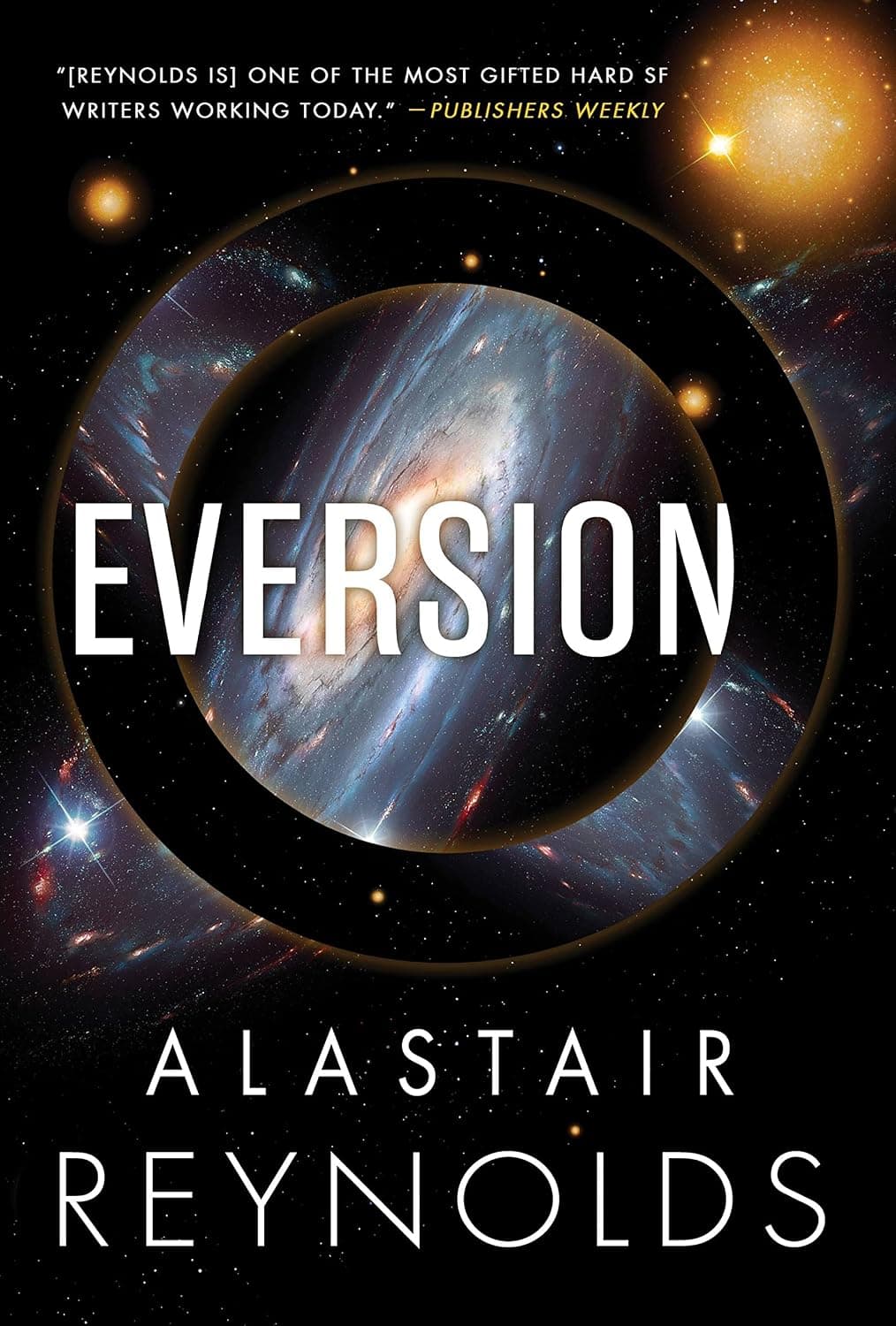
Should you read Eversion?
What works
Silas Coade's role, the changing vessel, the inaccessible structure, and recurring crew let the reader notice continuity before understanding its cause.
What may not work for you
The pattern is deliberately repetitive, and some crew members remain stable functions so the structural mystery can stay clear.
What may test your patience
The second reset risks feeling like repetition rather than progression until altered details establish what kind of question the novel is asking.
Does the ending reward the effort?
Yes. The explanation revalues Coade's perspective and turns the expedition from puzzle into an unexpectedly humane choice.
Reading Eversion closely
Eversion follows Dr. Silas Coade, physician aboard an expedition toward a mysterious structure called the Edifice. The voyage first resembles an old maritime adventure, but failure is followed by another attempt in a different vessel and historical mode. Silas retains enough familiarity to suspect that repetition itself is evidence.
The recurring premise becomes a puzzle about identity, memory, and the stories minds use to make an impossible environment coherent. Reynolds reveals the pattern early enough that recognizing it is not the final answer. The pleasure comes from comparing versions, noticing what persists, and asking why this crew is repeatedly drawn toward the same impossible destination.
This standalone is among Reynolds's more approachable novels. The cast is limited, the objective remains visible, and scientific ideas emerge through Silas's observations rather than a vast history. Its pace is measured before the pieces converge. It works as first-contact science fiction and as a compassionate mystery about a narrator trying to understand what kind of person he is.
Repeated expeditions
Different vessels give each attempt a distinct texture while preserving relationships and dangers.
A doctor as observer
Silas approaches anomalies through care and duty, giving emotional continuity to changing realities.
Spoiler-sensitive and standalone
The recurrence is the premise; its cause and Silas's full identity should remain discoveries.
Three useful comparisons
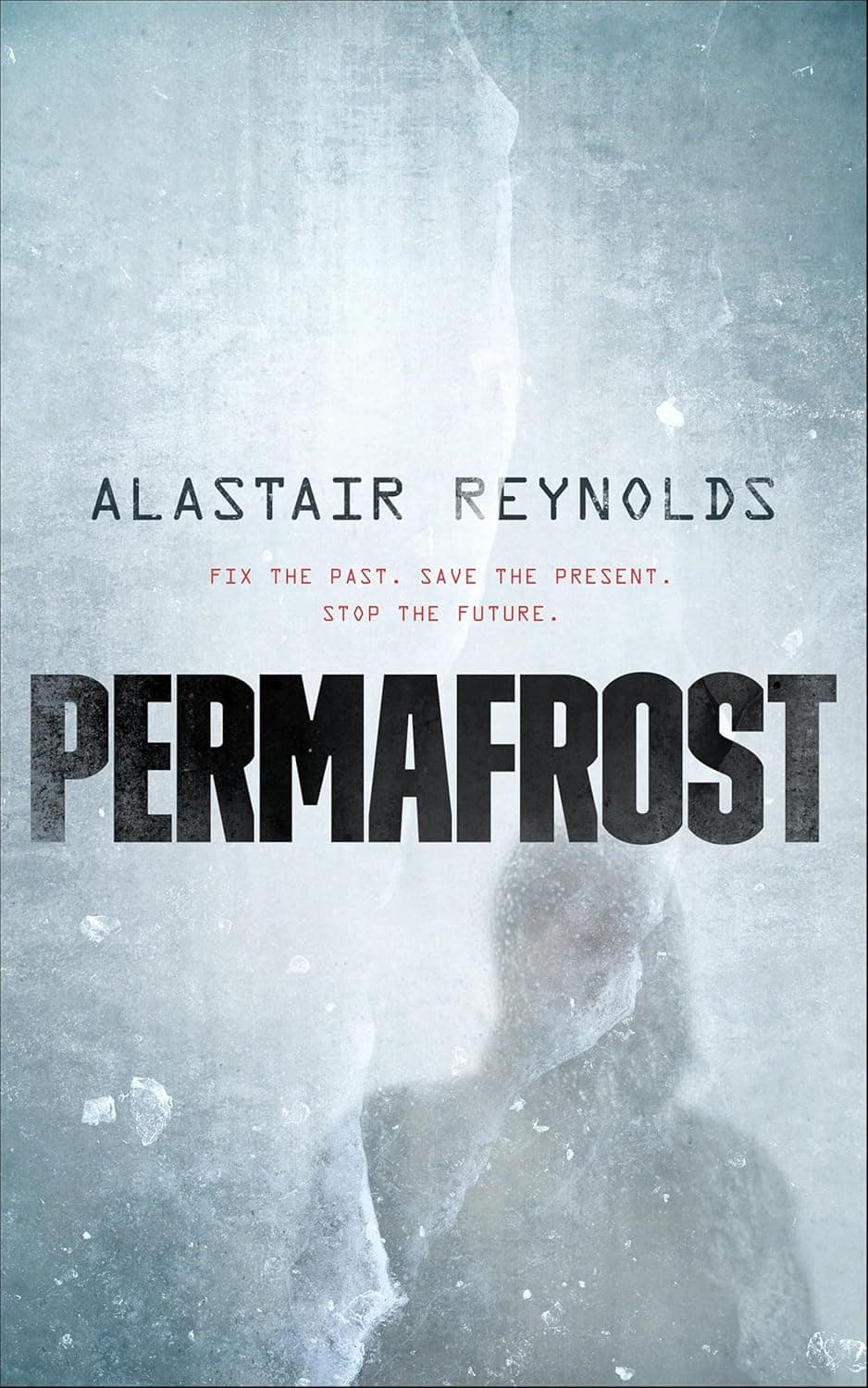
Permafrost
Permafrost is shorter and more urgent, with climate time travel instead of recursive expedition.
Best for: A concise climate and time-travel story with an older protagonist, ethical tension, and a strong ending.
As an Amazon Associate, I earn from qualifying purchases.
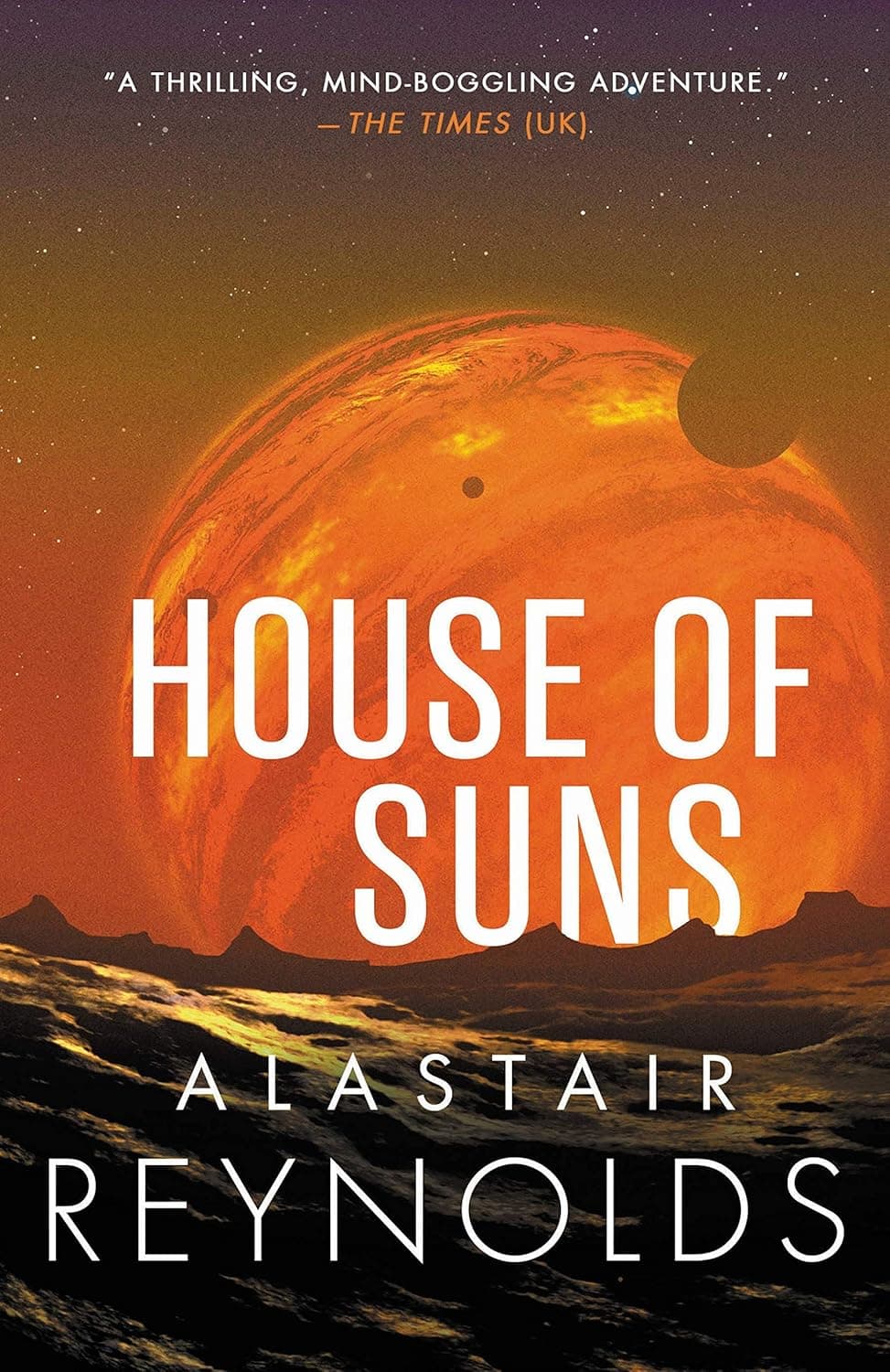
House of Suns
House of Suns offers larger scale, romance, and galactic history in a more expansive mystery.
Best for: Choose it for an accessible standalone epic with deep time, clones, machine people, romance, pursuit, and galactic mystery.
As an Amazon Associate, I earn from qualifying purchases.
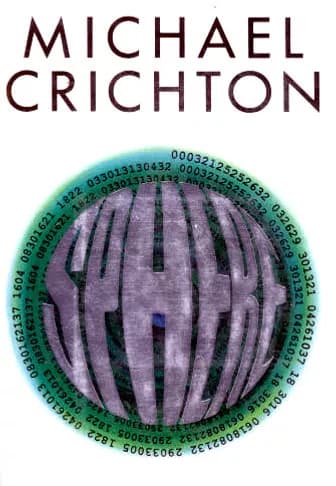
Sphere
Sphere also traps scientists around an alien object, but emphasizes group psychology and underwater fear.
Best for: Its strongest audience likes underwater isolation, first-contact mystery, psychological suspense, and accessible scientific procedure.
As an Amazon Associate, I earn from qualifying purchases.
Make the next decision