What to read next
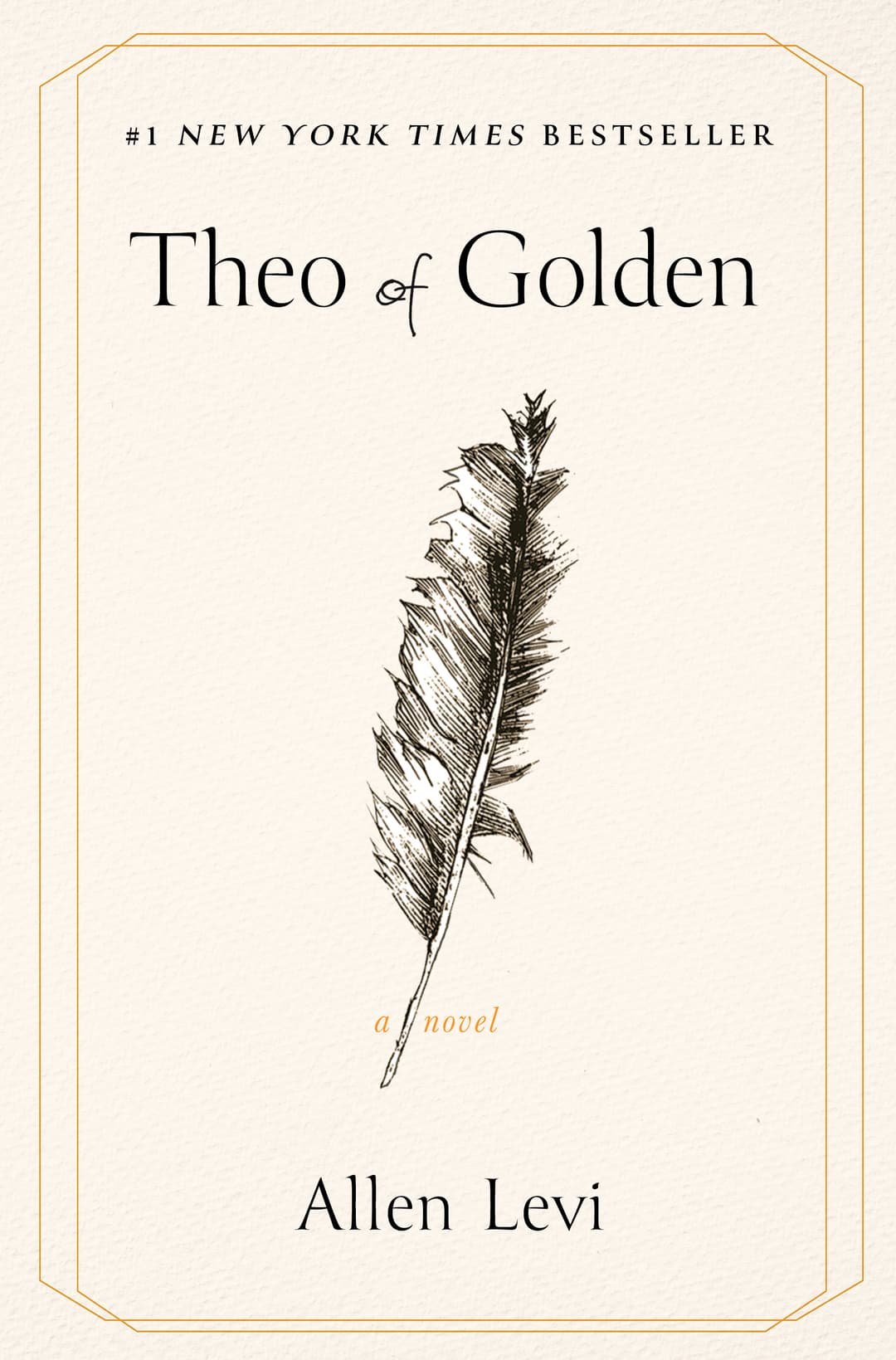
10 books like Theo of Golden
The portrait bestowals give generosity a concrete ritual. If that is what you want more of after Theo of Golden, these recommendations preserve that appeal in different ways, without pretending every similar book offers the same experience.
Start with our Theo of Golden review by Allen Levi.

Choose by reading mood
Where to start
For the fastest read
Inferno
BriskFor the darkest read
Between Two Fires
Very darkFor the strongest romance
Keeper of Lost Children
CentralFor the easiest entry
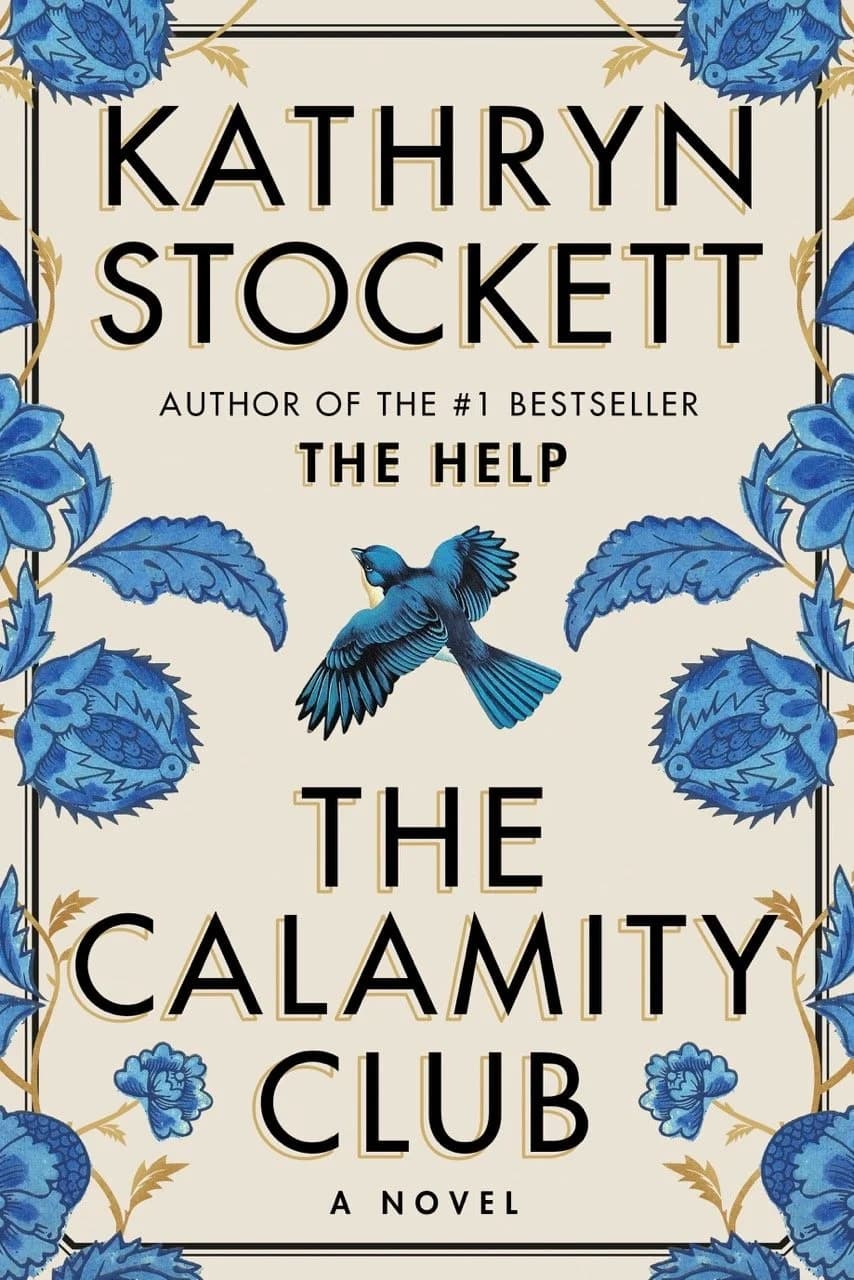
The Calamity Club
AccessibleThe full shortlist
Why each book belongs here
Each match is judged against Theo of Golden, not merely placed beside it because the books share a broad genre label.
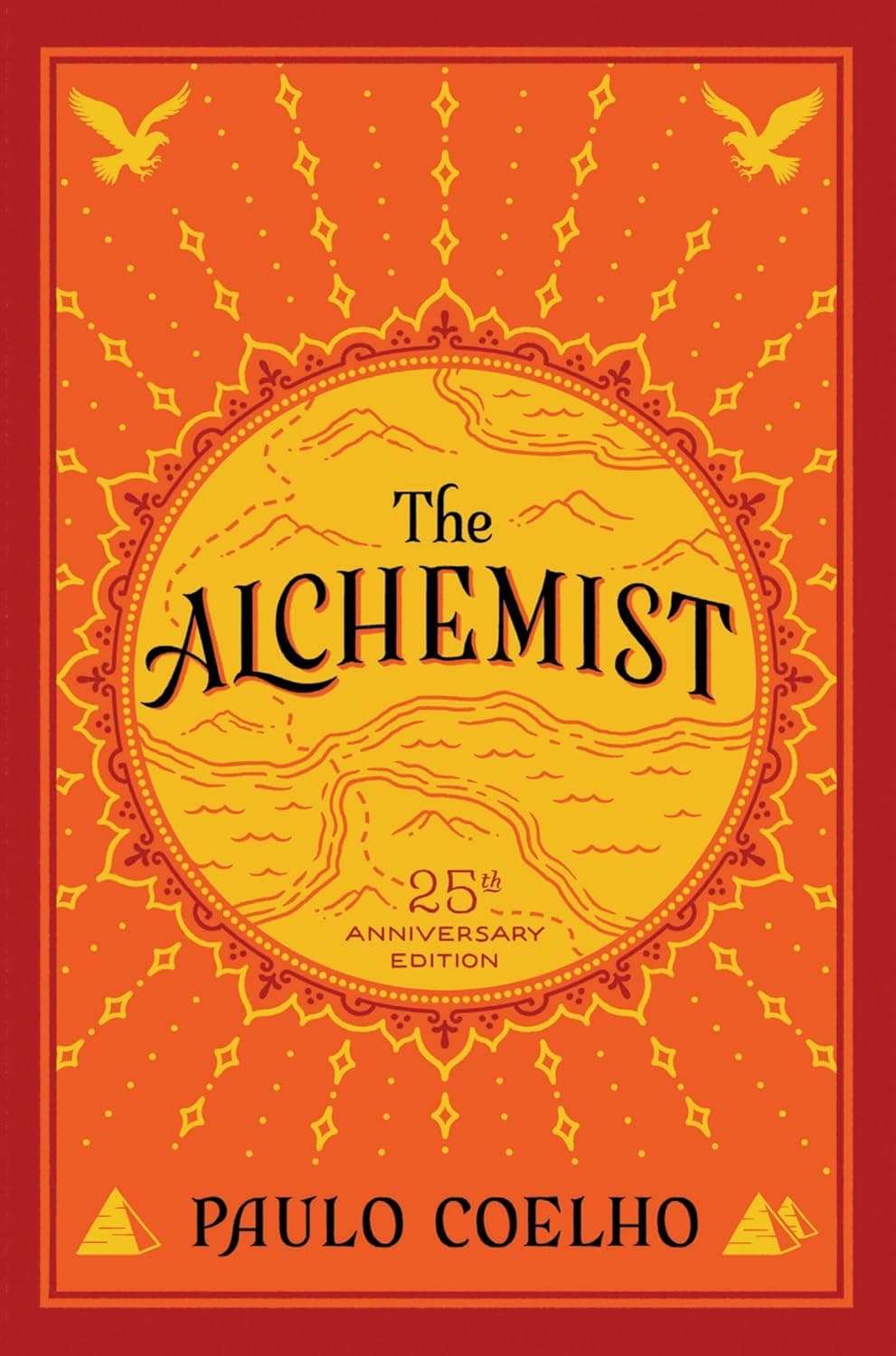
The Alchemist
- Shared ground
- The connection is adjacent rather than identical: both make voice, attention, and moral consequence as important as external plot.
- What changes
- The Alchemist is shorter and more abstract, sending a young traveler through omens and obstacles toward a stated lesson about desire. Theo of Golden remains in one town and finds meaning through repeated acts of attention. Choose Coelho for a spare quest fable; choose Levi for a larger community and a gentler Christian-inflected parable.
- Best for
- Readers seeking a brief inspirational quest and comfortable with spiritual certainty, symbolism, and plainly stated lessons.
- Pace Balanced
- Darkness Gentle
- Romance Minimal
- Difficulty Moderate
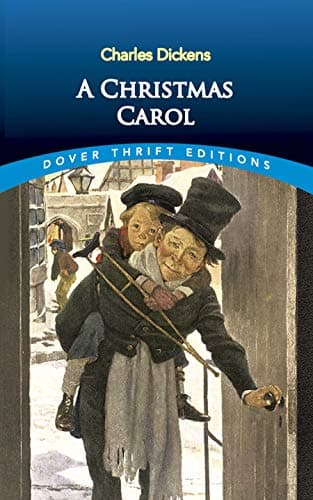
A Christmas Carol
- Shared ground
- Both books turn questions about character, obligation, and the good life into practical argument.
- What changes
- A Christmas Carol also argues that generosity can reorder a life, but Dickens uses supernatural fear, comic aggression, and one man's urgent conversion. Theo begins generous and changes other people gradually. Dickens is sharper and faster; Levi offers more time with grief, art, conversation, and the people receiving care.
- Best for
- Newcomers to Dickens, families comfortable with ghostly imagery, and rereaders who want more social anger than most adaptations preserve.
- Pace Balanced
- Darkness Gentle
- Romance Minimal
- Difficulty Moderate
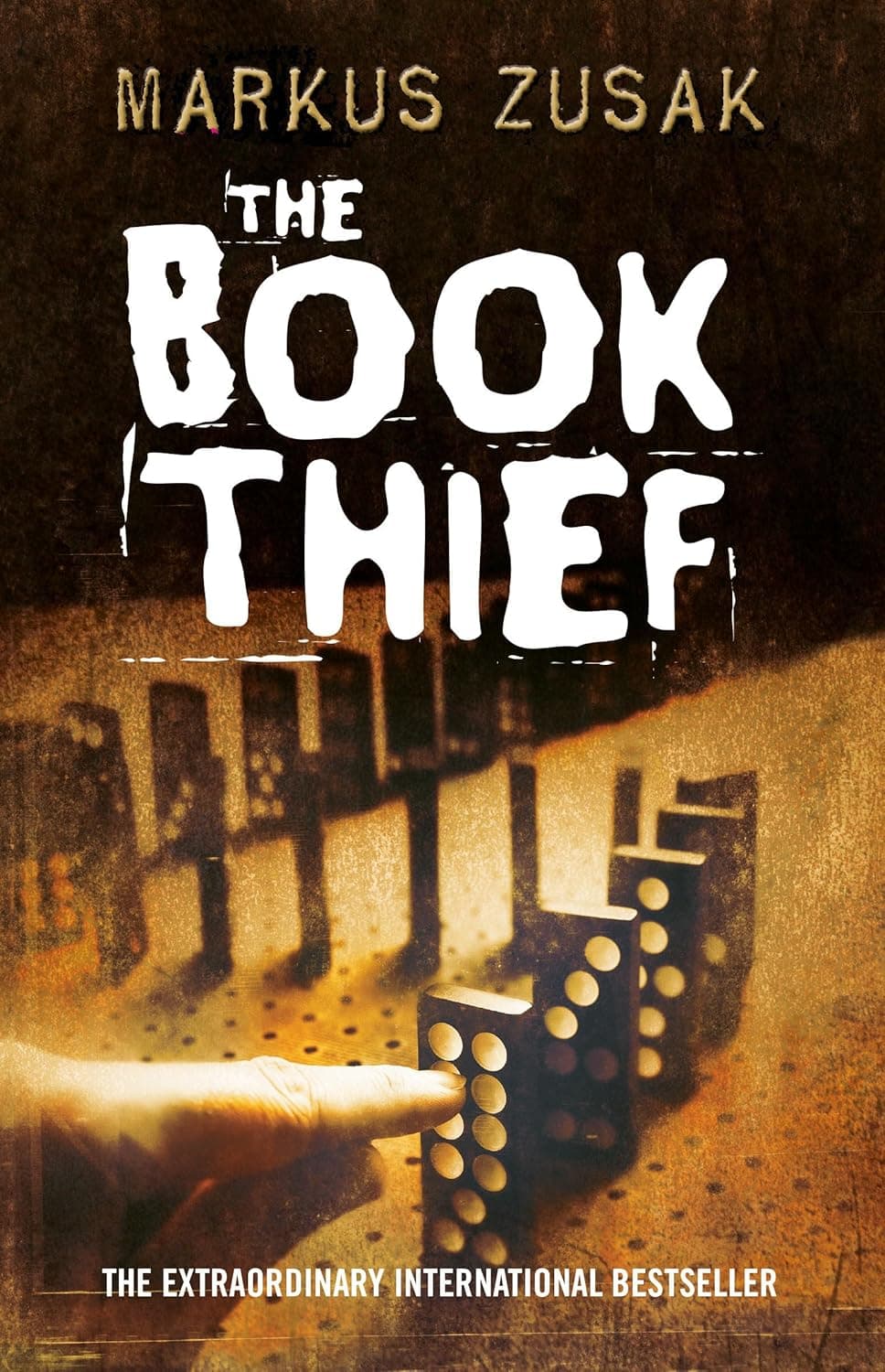
The Book Thief
- Shared ground
- Both books turn questions about character, obligation, and the good life into practical argument.
- What changes
- The Book Thief likewise treats words, art, and small kindnesses as resistance to despair. Zusak places those acts inside Nazi Germany, where danger and moral compromise make comfort costly. Theo of Golden is contemporary, quieter, and far less dark. Pick it when you want communal healing without the sustained violence of historical catastrophe.
- Best for
- Older teens and adults who accept lyrical sentiment and want wartime fiction centered on reading, foster family, and civilian moral choices.
- Pace Balanced
- Darkness Gentle
- Romance Minimal
- Difficulty Accessible
The Calamity Club
- Shared ground
- Both books make voice, attention, and moral consequence as important as external plot.
- What changes
- The Calamity Club is faster and easier to enter than Theo of Golden. Stockett gives Meg and Birdie distinct practical intelligences.
- Best for
- Readers who enjoy long, accessible historical novels, female friendship, child and adult viewpoints, Depression-era Southern settings, found family, institutional injustice, humor beside distressing material, and endings that favor earned catharsis over ambiguity.
- Pace Balanced
- Darkness Gentle
- Romance Light subplot
- Difficulty Accessible
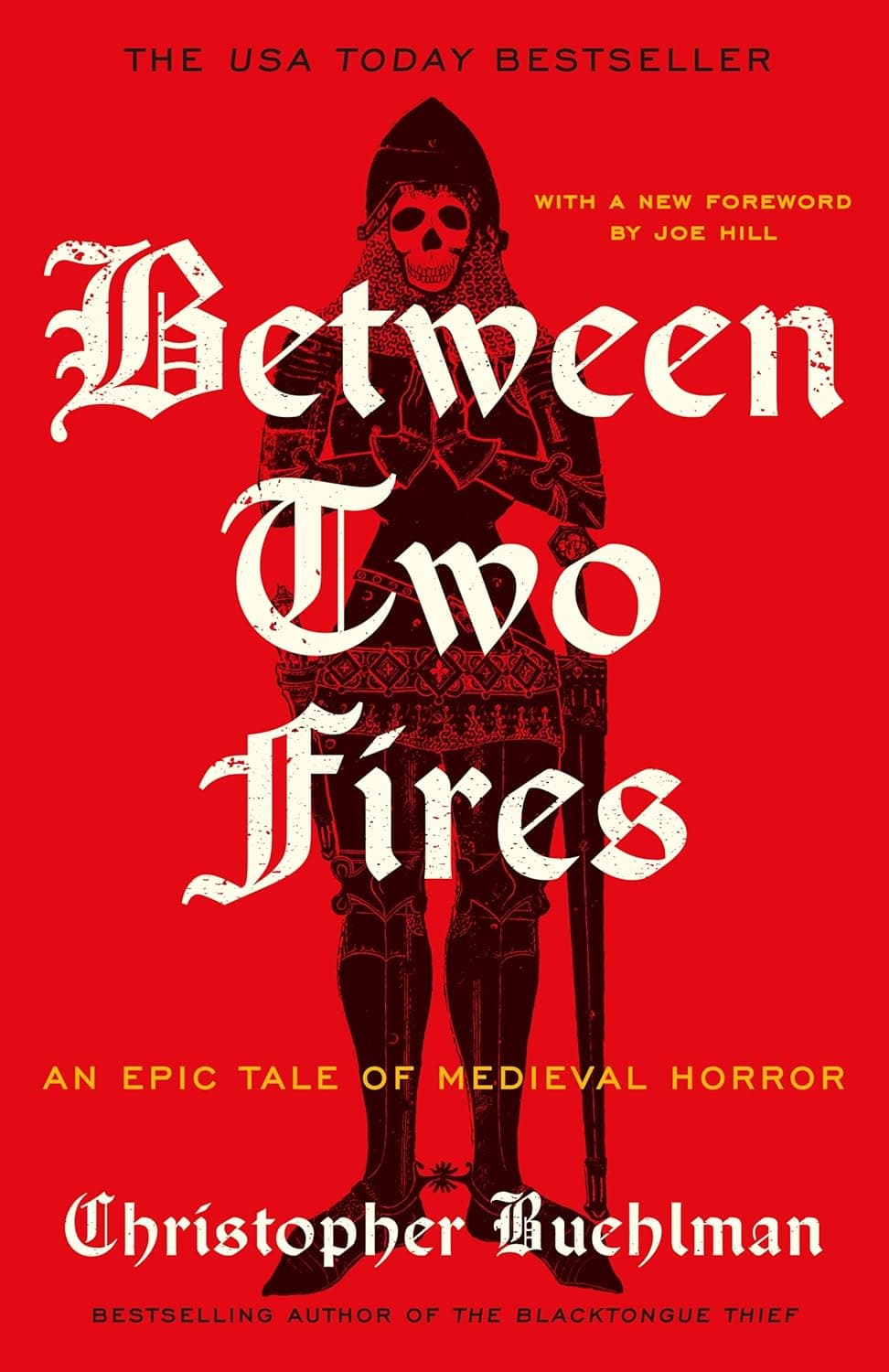
Between Two Fires
- Shared ground
- Both books make trust and companionship necessary to solving the central problem.
- What changes
- Between Two Fires is darker than Theo of Golden. Thomas, Delphine, and the priest form an unstable moral company, while each monstrous episode grows from a historical or theological fear.
- Best for
- Readers wanting medieval horror, plague, faith, demons, violence, and a damaged knight's redemptive journey.
- Pace Balanced
- Darkness Very dark
- Romance Minimal
- Difficulty Accessible
Keeper of Lost Children
- Shared ground
- Both books treat art, music, or storytelling as an active way of understanding the world.
- What changes
- Keeper of Lost Children is more romance-led than Theo of Golden. Its shifting lives connect Black American soldiers, German women, mixed-race children, and an American woman seeking purpose without reducing any one of them to historical illustration.
- Best for
- Historical-fiction readers wanting postwar Germany, Black military history, adoption, motherhood, identity, multiple timelines, and an emotionally generous family saga.
- Pace Balanced
- Darkness Gentle
- Romance Central
- Difficulty Moderate
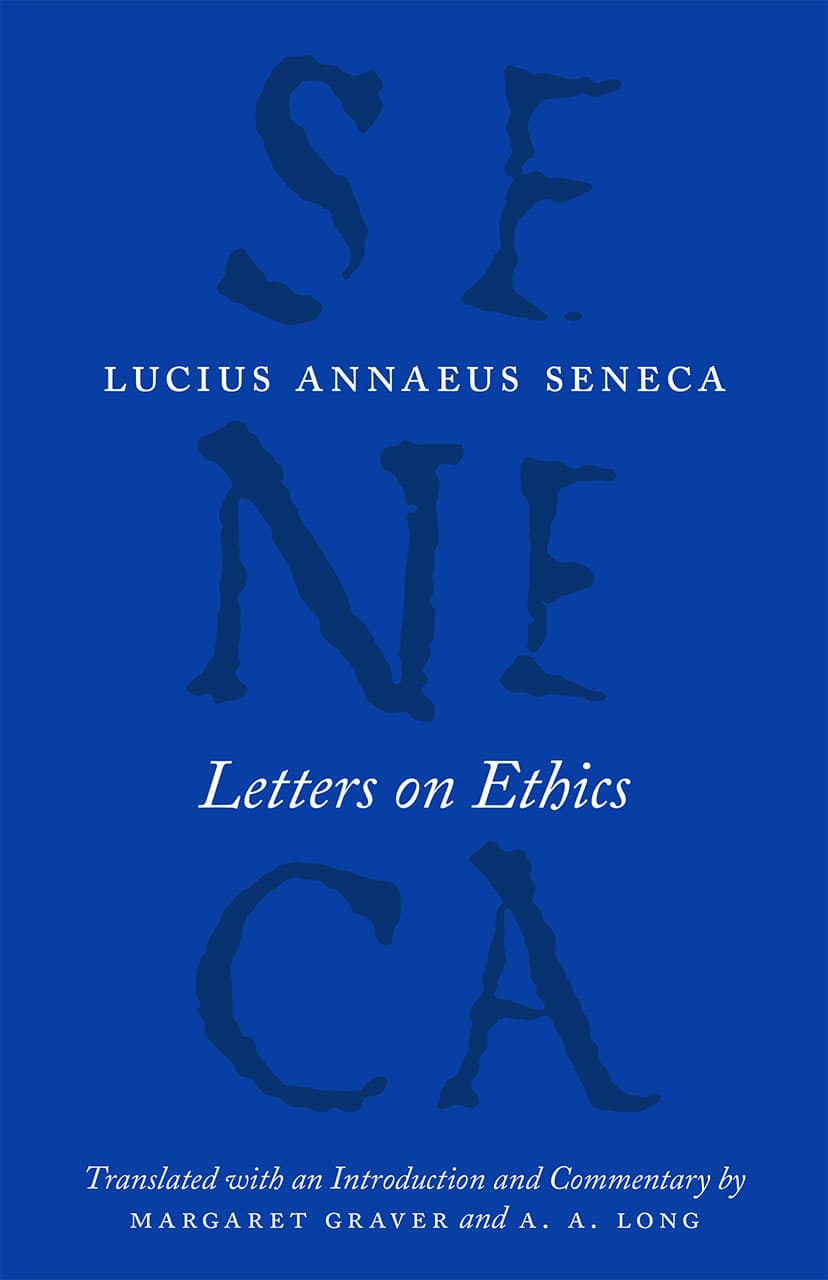
Letters on Ethics
- Shared ground
- Both books make trust and companionship necessary to solving the central problem.
- What changes
- Letters on Ethics is more demanding than Theo of Golden. Graver and Long provide the full surviving sequence in clear English, with introductions and notes that explain Stoic vocabulary without replacing it.
- Best for
- Readers who want the complete Letters rather than a selection, a sustained introduction to Stoic ethics, Roman daily life, friendship, mortality, education, literary criticism, and enough scholarly support to follow the later technical arguments.
- Pace Measured
- Darkness Moderate
- Romance Minimal
- Difficulty Demanding
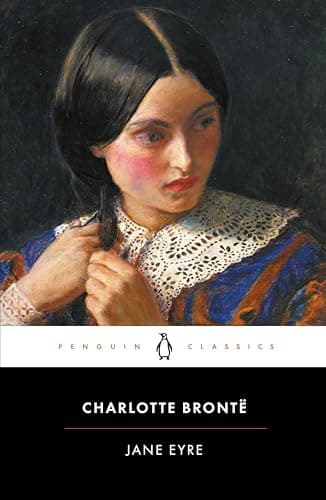
Jane Eyre
- Shared ground
- Both books turn questions about character, obligation, and the good life into practical argument.
- What changes
- Jane Eyre is more romance-led than Theo of Golden. Jane's voice holds the novel together from childhood deprivation through adult desire.
- Best for
- Readers who want an intense first-person classic combining romance, moral independence, work, and Gothic secrecy.
- Pace Measured
- Darkness Gentle
- Romance Central
- Difficulty Moderate
A Column of Fire
- Shared ground
- Both books take belief seriously as both a source of meaning and a structure of power.
- What changes
- A Column of Fire has a similar overall reading load, but changes the emphasis. Ned and Margery make religious allegiance a question of marriage, work, secrecy, and survival across England and continental politics.
- Best for
- Readers wanting accessible Reformation history, espionage, forbidden love, religious conflict, and a multi-decade saga.
- Pace Balanced
- Darkness Gentle
- Romance Minimal
- Difficulty Accessible
Inferno
- Shared ground
- Both books turn questions about character, obligation, and the good life into practical argument.
- What changes
- Inferno is faster than Theo of Golden. Art, maps, plague imagery, altered memory, and city movement keep clues visually connected to the threat rather than merely decorative.
- Best for
- Readers wanting a dark Langdon thriller through Florence and Venice with Dante, biotechnology, and moral controversy.
- Pace Brisk
- Darkness Moderate
- Romance Minimal
- Difficulty Accessible
Side-by-side
Pace, darkness, romance, and difficulty
Use these labels as directional guidance. The individual notes above explain the tradeoffs.
| Book | Pace | Darkness | Romance | Difficulty |
|---|---|---|---|---|
| Theo of Golden | Balanced | Moderate | Minimal | Accessible |
| The Alchemist | Balanced | Gentle | Minimal | Moderate |
| A Christmas Carol | Balanced | Gentle | Minimal | Moderate |
| The Book Thief | Balanced | Gentle | Minimal | Accessible |
| The Calamity Club | Balanced | Gentle | Light subplot | Accessible |
| Between Two Fires | Balanced | Very dark | Minimal | Accessible |
| Keeper of Lost Children | Balanced | Gentle | Central | Moderate |
| Letters on Ethics | Measured | Moderate | Minimal | Demanding |
| Jane Eyre | Measured | Gentle | Central | Moderate |
| A Column of Fire | Balanced | Gentle | Minimal | Accessible |
| Inferno | Brisk | Moderate | Minimal | Accessible |
Keep exploring
Explore another Books Like guide
Start from another familiar book and compare a new set of reading paths.