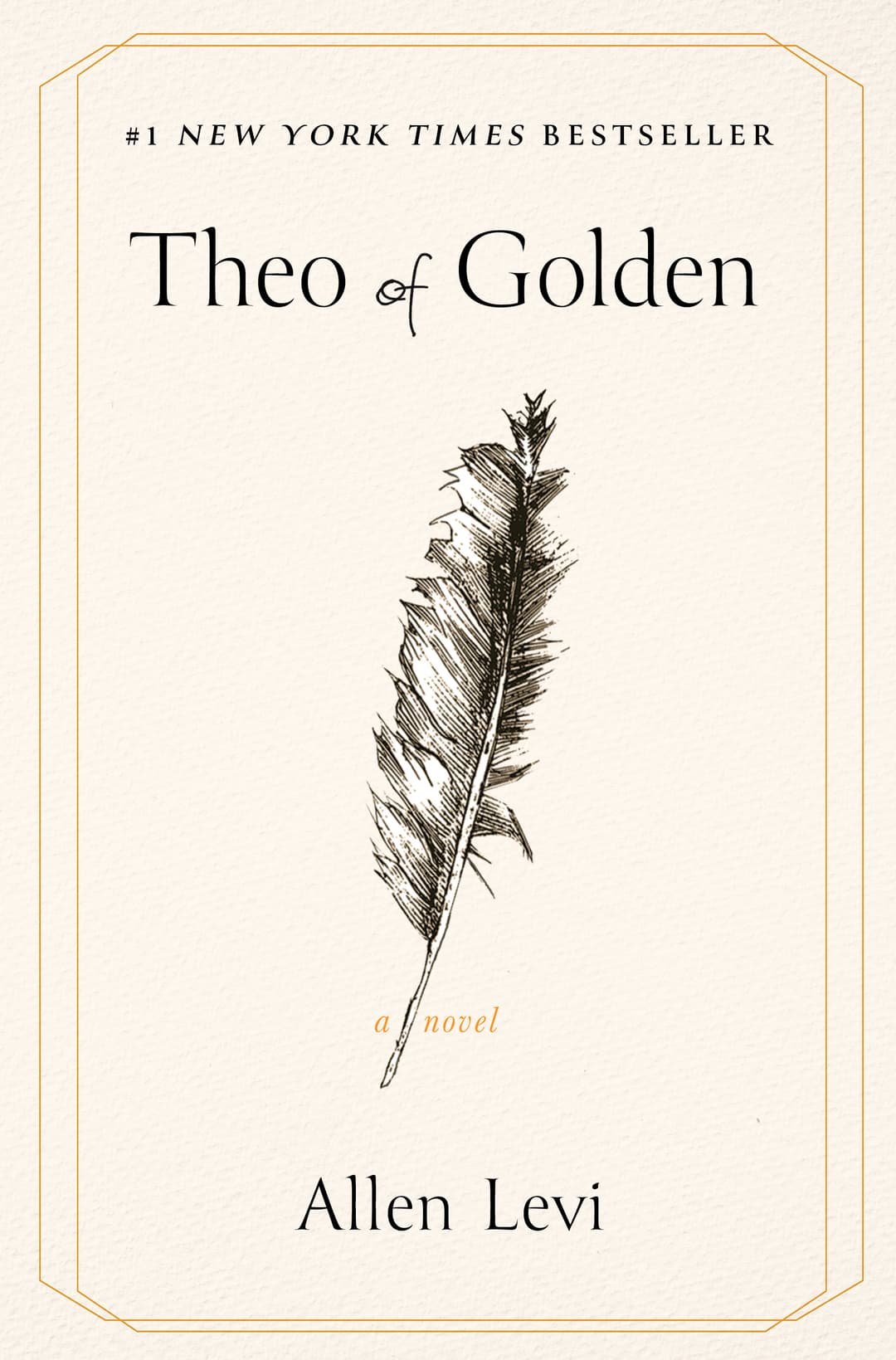
Should you read Theo of Golden?
What works
The portrait bestowals give generosity a concrete ritual. Theo studies a face, writes a private invitation, meets its subject by the fountain, listens before speaking, and returns the drawing without asking for public credit. That repeated sequence makes attention, rather than money, the meaningful gift.
What may not work for you
Theo is so consistently perceptive, tactful, well funded, and morally composed that other characters can seem arranged to receive his wisdom. The novel acknowledges grief and racial history, but it often resolves discomfort through a beautifully phrased conversation before conflict can become genuinely unruly.
What may test your patience
The middle nearly lost us when another round of introductions and bestowals began to reproduce the emotional shape of the previous one. Readers who need a changing external problem may feel the 400-page edition could lose several encounters without weakening its central idea.
Does the ending reward the effort?
Yes, for readers who accept the book's openly tender terms. The final letters explain more than the novel strictly needs, but the emotional revelation deepens earlier acts of attention and gives Theo's reserve a personal cost rather than turning the close into a twist for its own sake.
Reading Theo of Golden closely
Theo arrives in Golden with money, impeccable manners, and very few answers about his past. At a local coffeehouse he notices ninety-two pencil portraits made by Asher Glissen, each depicting someone from the town. Theo begins buying the drawings one at a time, locating their subjects, and arranging private meetings in which a portrait is returned to the person whose face first inspired it. He asks for no payment. What he wants is the story that belongs with the face.
That ritual gives the novel its structure and its best insight. A gift can embarrass or diminish its recipient when the giver controls the encounter. Theo instead prepares carefully, listens, and lets each subject decide what the portrait means. Anita Gidley helps with the practical work, Asher has to confront the value of art he has allowed to sit on a wall, and the people of Golden gradually become more visible to one another. The money matters, but the time and privacy matter more.
Levi writes with an openly spiritual understanding of attention. Theo notices birds, books, music, old trees, faces, and pauses in conversation because the visible world points beyond itself. Christian belief is present in his language and choices, but the book usually dramatizes faith through hospitality rather than doctrinal argument. The strongest scenes begin with an object or gesture and allow reflection to rise from it. They do not need to announce that a moral lesson has arrived.
The same generosity that makes the novel comforting also limits it. Theo is rarely wrong about what another person needs, and Golden contains an improbable number of people ready to answer careful kindness with eloquence and growth. Around the middle, the sequence of invitation, meeting, story, and bestowal begins to feel repeatable. A few recipients blur together, while serious pain is sometimes converted into wisdom before the scene has allowed anger or resistance to remain difficult.
The final movement turns back toward Theo and asks what private loss might sit beneath a life organized around other people. It is emotionally direct and more explanatory than necessary, yet it rewards details that initially looked like charming habits. Theo of Golden is not a hidden thriller and should not be approached for a startling solution to the stranger's identity. It is a long, sincere argument that attention is a form of love, written for readers willing to meet sincerity without demanding that every tender moment protect itself with irony.
Why the portrait bestowals work
Each exchange has a material center: one drawing, one subject, one private meeting. That constraint keeps the book's philosophy of generosity attached to behavior. Theo cannot simply call himself attentive; he has to find a person, arrive, listen, and surrender control of the gift.
Asher complicates the idea of ownership
The portraits belong legally to the artist until they are sold, yet Theo calls their subjects the rightful owners. The tension asks whether making an image creates a responsibility to the person seen, and whether art changes when it leaves display and enters a private life.
Golden is both a town and an ideal
The community has grief, loneliness, racial history, and estrangement, but it remains unusually receptive to Theo's method. That openness is part of the novel's parable-like design. Readers who require stubborn conflict may find it idealized; readers seeking moral possibility may find the same quality restorative.
Three useful comparisons
The Alchemist
The Alchemist is shorter and more abstract, sending a young traveler through omens and obstacles toward a stated lesson about desire. Theo of Golden remains in one town and finds meaning through repeated acts of attention. Choose Coelho for a spare quest fable; choose Levi for a larger community and a gentler Christian-inflected parable.
Best for: Best for someone who wants a brief inspirational quest and is comfortable with spiritual certainty, symbolism, and plainly stated lessons.
A Christmas Carol
A Christmas Carol also argues that generosity can reorder a life, but Dickens uses supernatural fear, comic aggression, and one man's urgent conversion. Theo begins generous and changes other people gradually. Dickens is sharper and faster; Levi offers more time with grief, art, conversation, and the people receiving care.
Best for: Newcomers to Dickens, families comfortable with ghostly imagery, and rereaders who want more social anger than most adaptations preserve.
The Book Thief
The Book Thief likewise treats words, art, and small kindnesses as resistance to despair. Zusak places those acts inside Nazi Germany, where danger and moral compromise make comfort costly. Theo of Golden is contemporary, quieter, and far less dark. Pick it when you want communal healing without the sustained violence of historical catastrophe.
Best for: Best for older teens and adults who want a slow, lyrical wartime novel about a foster family, the uses of language, and the cost of small acts of decency.