What to read next
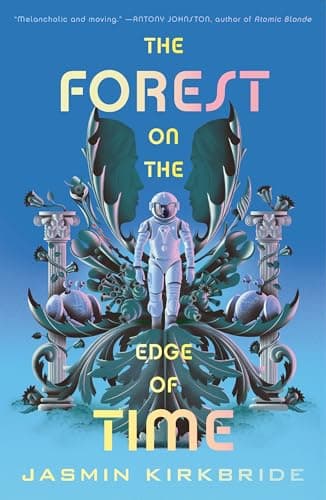
10 books like The Forest on the Edge of Time
The forest functions as ecosystem, archive, and boundary, while competing generations give sacrifice a personal cost that abstract future-saving stories often avoid. If that is what you want more of after The Forest on the Edge of Time, these recommendations preserve that appeal in different ways, without pretending every similar book offers the same experience.
Start with our The Forest on the Edge of Time review by Jasmin Kirkbride.

Choose by reading mood
Where to start
For the fastest read
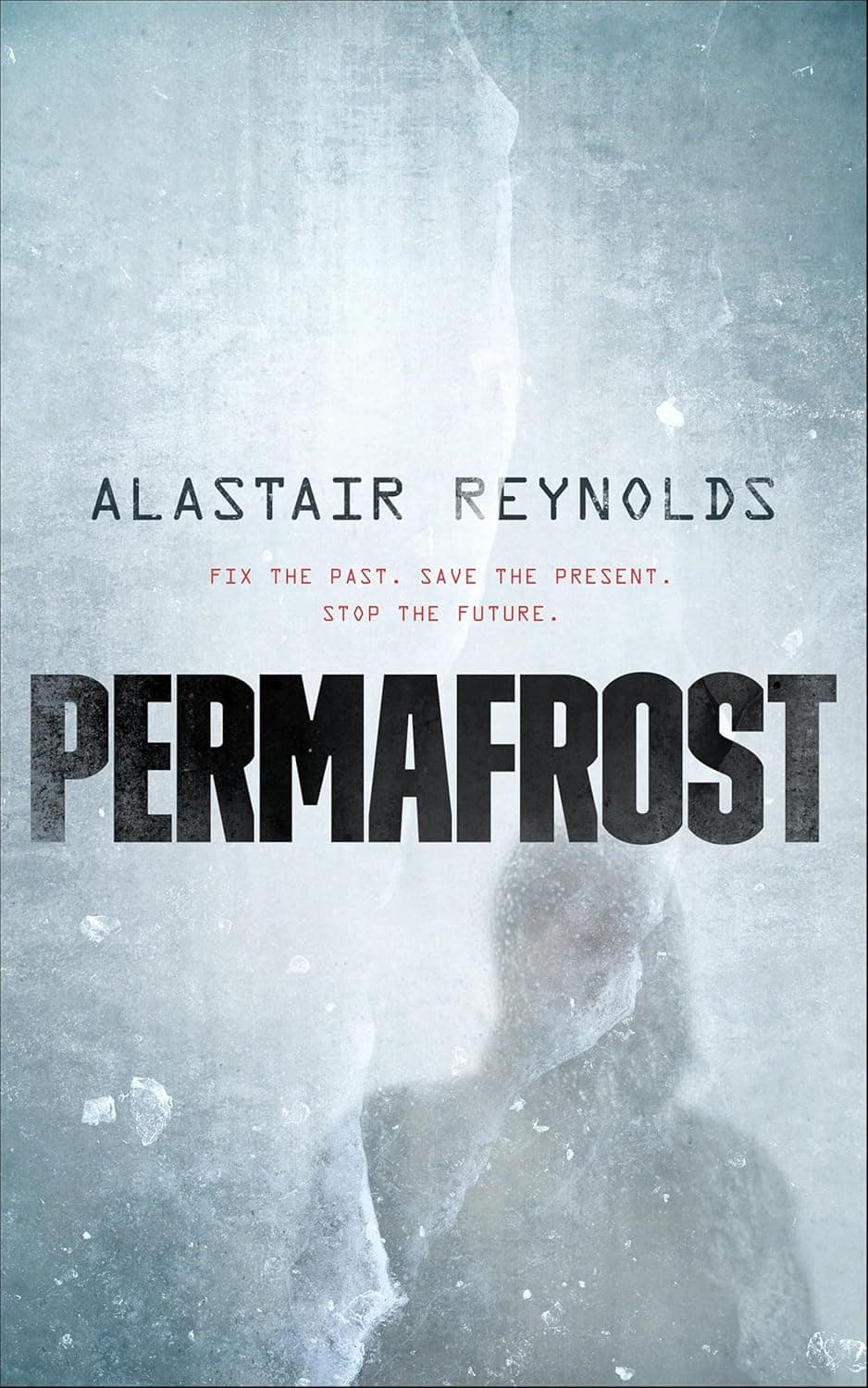
Permafrost
BriskFor the gentlest option
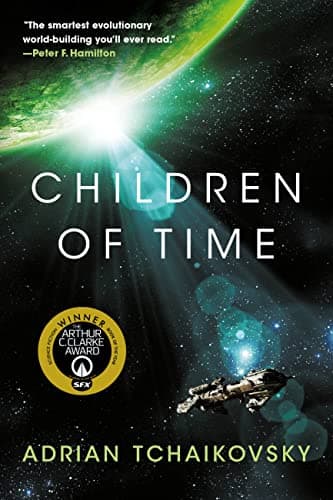
Children of Time
GentleFor minimal romance
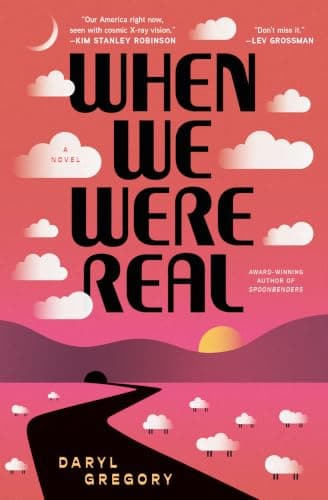
When We Were Real
MinimalFor the easiest entry
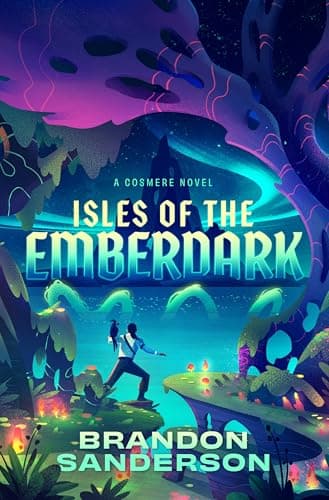
Isles of the Emberdark
AccessibleThe full shortlist
Why each book belongs here
Each match is judged against The Forest on the Edge of Time, not merely placed beside it because the books share a broad genre label.
Permafrost
- Shared ground
- Both books connect environment and biology with the way a society survives.
- What changes
- Permafrost is shorter, colder, and structured as a tense temporal mission; Kirkbride gives ecology and family obligation more room than suspense mechanics.
- Best for
- Readers wanting a concise climate and time-travel story with an older protagonist, ethical tension, and strong payoff.
- Pace Brisk
- Darkness Moderate
- Romance Minimal
- Difficulty Moderate
Children of Time
- Shared ground
- Both books turn technical knowledge into choices with personal consequences.
- What changes
- Children of Time examines stewardship across planetary evolutionary scale, while The Forest on the Edge of Time keeps responsibility within human generations and one living boundary.
- Best for
- Readers who like big evolutionary ideas, nonhuman viewpoints, and long time scales more than a conventional hero's journey.
- Pace Balanced
- Darkness Gentle
- Romance Minimal
- Difficulty Moderate
When We Were Real
- Shared ground
- Both books turn technical knowledge into choices with personal consequences.
- What changes
- When We Were Real treats cosmic uncertainty with humor and a road-trip ensemble; Kirkbride is quieter, greener, and more invested in inheritance.
- Best for
- Readers of philosophical science fiction who want a road trip, ensemble humor, grief, friendship, visible glitches, and emotional stakes larger than a puzzle solution.
- Pace Balanced
- Darkness Moderate
- Romance Minimal
- Difficulty Accessible
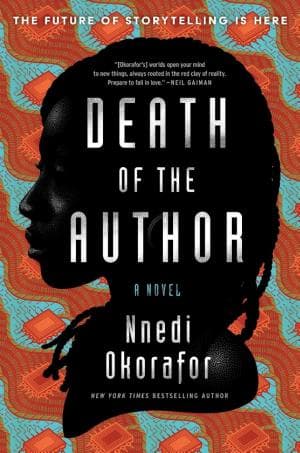
Death of the Author
- Shared ground
- Both books turn technical knowledge into choices with personal consequences.
- What changes
- Death of the Author has a similar overall reading load, but changes the emphasis. Zelu's disability, Nigerian American family, failed academic career, and embedded robot novel create several competing accounts of authorship rather than one allegorical answer.
- Best for
- Readers of literary science fiction interested in disability, Nigerian diasporic family, publishing, artificial life, adaptation, fame, and stories embedded inside stories.
- Pace Balanced
- Darkness Moderate
- Romance Light subplot
- Difficulty Accessible
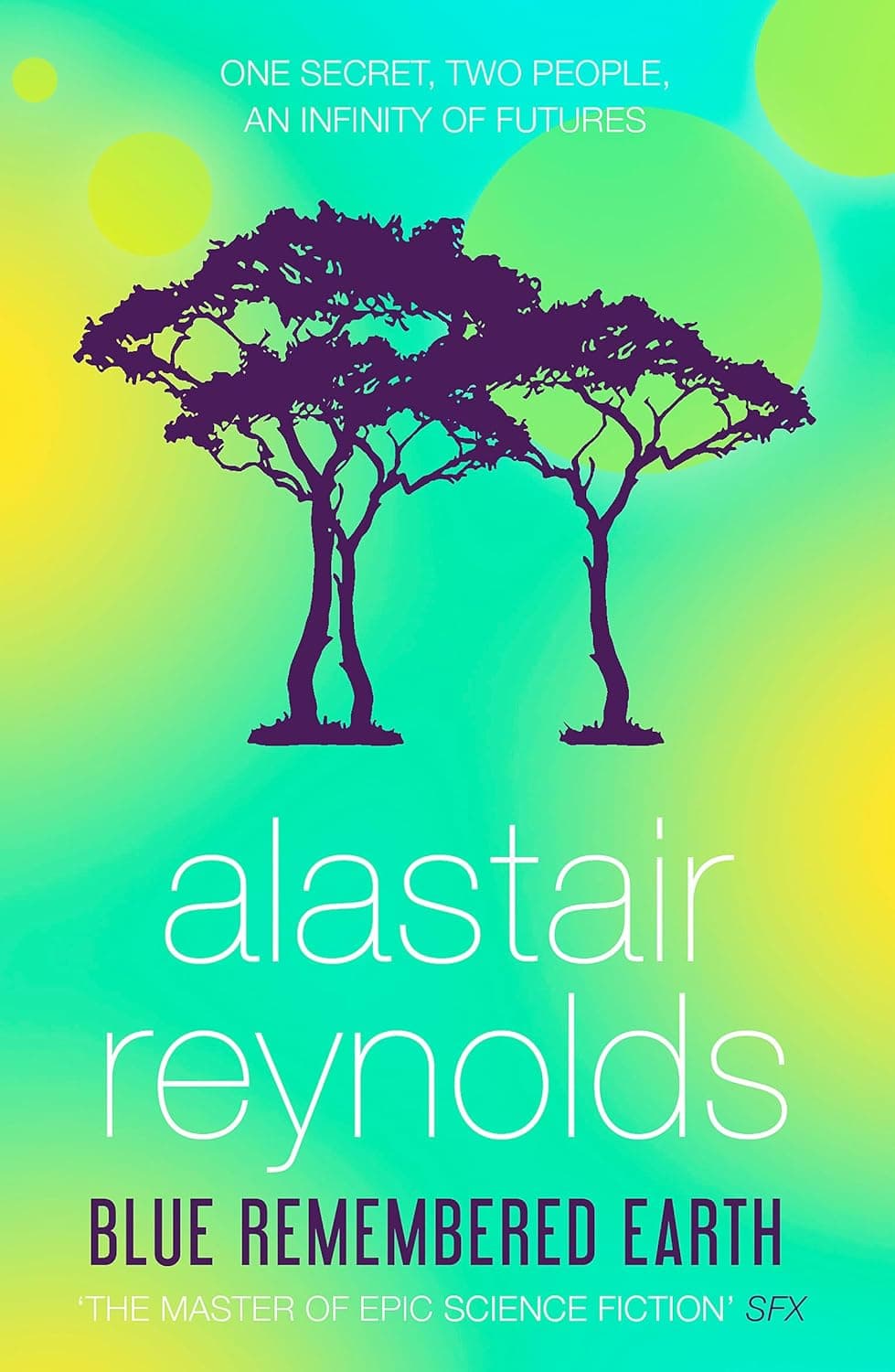
Blue Remembered Earth
- Shared ground
- Both books turn technical knowledge into choices with personal consequences.
- What changes
- Blue Remembered Earth is more measured and more demanding than The Forest on the Edge of Time. Geoffrey's elephants, Sunday's art, Eunice's clues, and the Mechanism make family ambition collide with surveillance, privacy, and chosen purpose.
- Best for
- Readers wanting optimistic future Africa, family mystery, elephants, solar-system infrastructure, and slow generational science fiction.
- Pace Measured
- Darkness Gentle
- Romance Minimal
- Difficulty Moderate
The Medusa Chronicles
- Shared ground
- Both books turn technical knowledge into choices with personal consequences.
- What changes
- The Medusa Chronicles has a similar overall reading load, but changes the emphasis. Howard Falcon's altered body and long relationship with Jupiter's life provide continuity through machine evolution, politics, and centuries of change.
- Best for
- Readers of Arthur C. Clarke, Jupiter speculation, transhumanism, and century-spanning collaborative science fiction.
- Pace Balanced
- Darkness Gentle
- Romance Minimal
- Difficulty Moderate
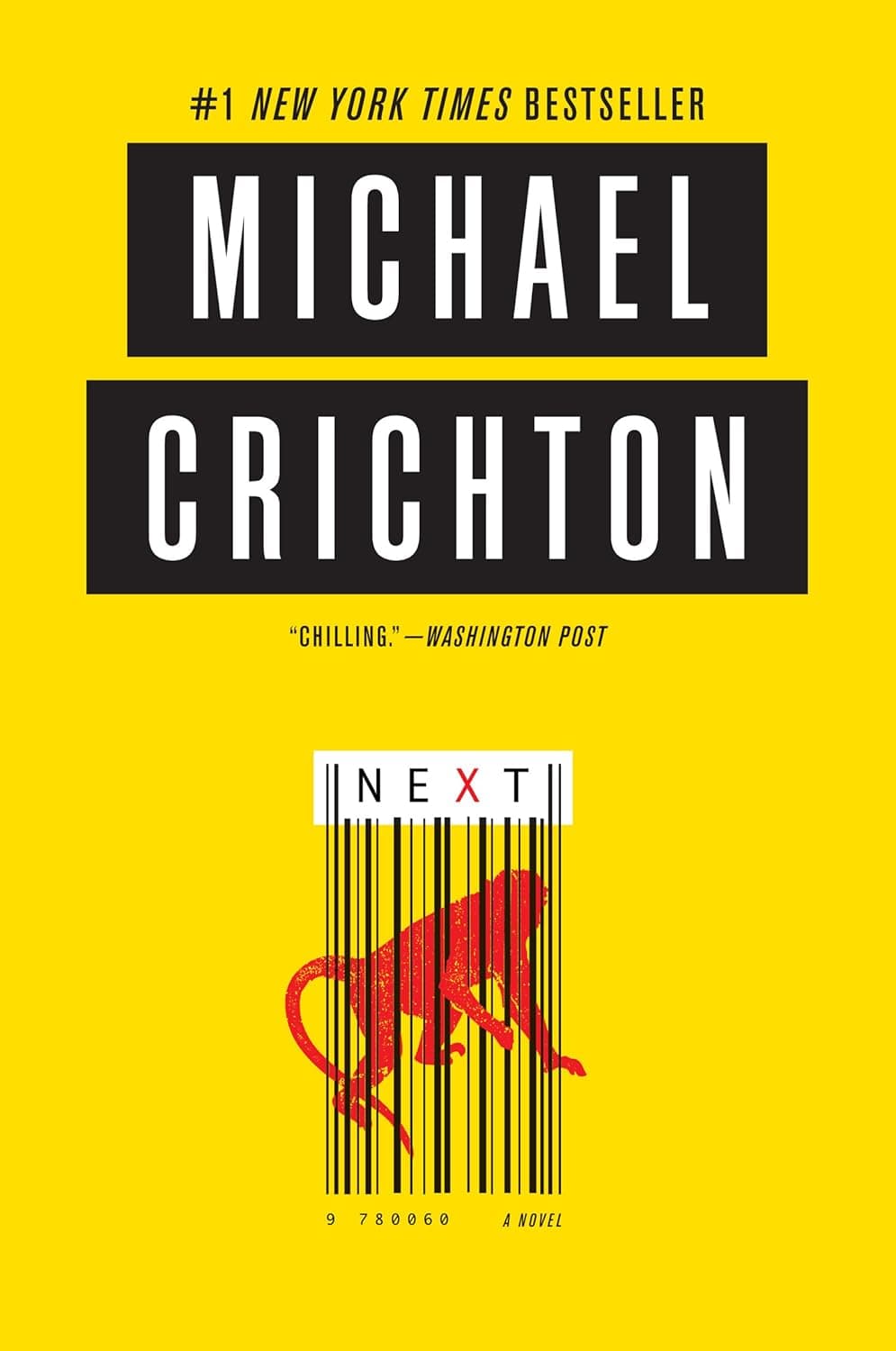
Next
- Shared ground
- Both books turn technical knowledge into choices with personal consequences.
- What changes
- Next is faster than The Forest on the Edge of Time. Gene ownership, tissue rights, patents, transgenic animals, research incentives, and family identity intersect through cases that expose real ethical absurdities.
- Best for
- Readers interested in biotechnology, patents, genetic privacy, satire, and idea density more than unified character drama.
- Pace Brisk
- Darkness Moderate
- Romance Minimal
- Difficulty Accessible
Isles of the Emberdark
- Shared ground
- Both books use speculative ideas to place human choices under unfamiliar pressure.
- What changes
- Isles of the Emberdark has a similar overall reading load, but changes the emphasis. Island travel, dangerous skies, competing missions, and character discovery give the setting practical wonder rather than static lore.
- Best for
- Cosmere readers who enjoy exploration, flying ships, hidden connections, and accessible action-forward fantasy.
- Pace Balanced
- Darkness Gentle
- Romance Minimal
- Difficulty Accessible
The Sunlit Man
- Shared ground
- Both books use speculative ideas to place human choices under unfamiliar pressure.
- What changes
- The Sunlit Man has a similar overall reading load, but changes the emphasis. Canticle's lethal sun, heat economy, mobile settlements, and Investiture turn every delay into a physical and social problem.
- Best for
- Cosmere readers wanting a fast planetary survival adventure and newcomers comfortable not understanding every connection.
- Pace Balanced
- Darkness Gentle
- Romance Minimal
- Difficulty Accessible
Beyond the Aquila Rift
- Shared ground
- Both books turn technical knowledge into choices with personal consequences.
- What changes
- Beyond the Aquila Rift is more demanding than The Forest on the Edge of Time. Long novellas and short pieces show technology changing grief, distance, art, war, and identity rather than repeating one space-opera mode.
- Best for
- Newcomers wanting a substantial Reynolds sampler and established readers collecting major standalone short fiction.
- Pace Balanced
- Darkness Moderate
- Romance Minimal
- Difficulty Moderate
Side-by-side
Pace, darkness, romance, and difficulty
Use these labels as directional guidance. The individual notes above explain the tradeoffs.
| Book | Pace | Darkness | Romance | Difficulty |
|---|---|---|---|---|
| The Forest on the Edge of Time | Balanced | Moderate | Minimal | Accessible |
| Permafrost | Brisk | Moderate | Minimal | Moderate |
| Children of Time | Balanced | Gentle | Minimal | Moderate |
| When We Were Real | Balanced | Moderate | Minimal | Accessible |
| Death of the Author | Balanced | Moderate | Light subplot | Accessible |
| Blue Remembered Earth | Measured | Gentle | Minimal | Moderate |
| The Medusa Chronicles | Balanced | Gentle | Minimal | Moderate |
| Next | Brisk | Moderate | Minimal | Accessible |
| Isles of the Emberdark | Balanced | Gentle | Minimal | Accessible |
| The Sunlit Man | Balanced | Gentle | Minimal | Accessible |
| Beyond the Aquila Rift | Balanced | Moderate | Minimal | Moderate |
Keep exploring
Explore another Books Like guide
Start from another familiar book and compare a new set of reading paths.