What to read next
10 books like Platform Decay
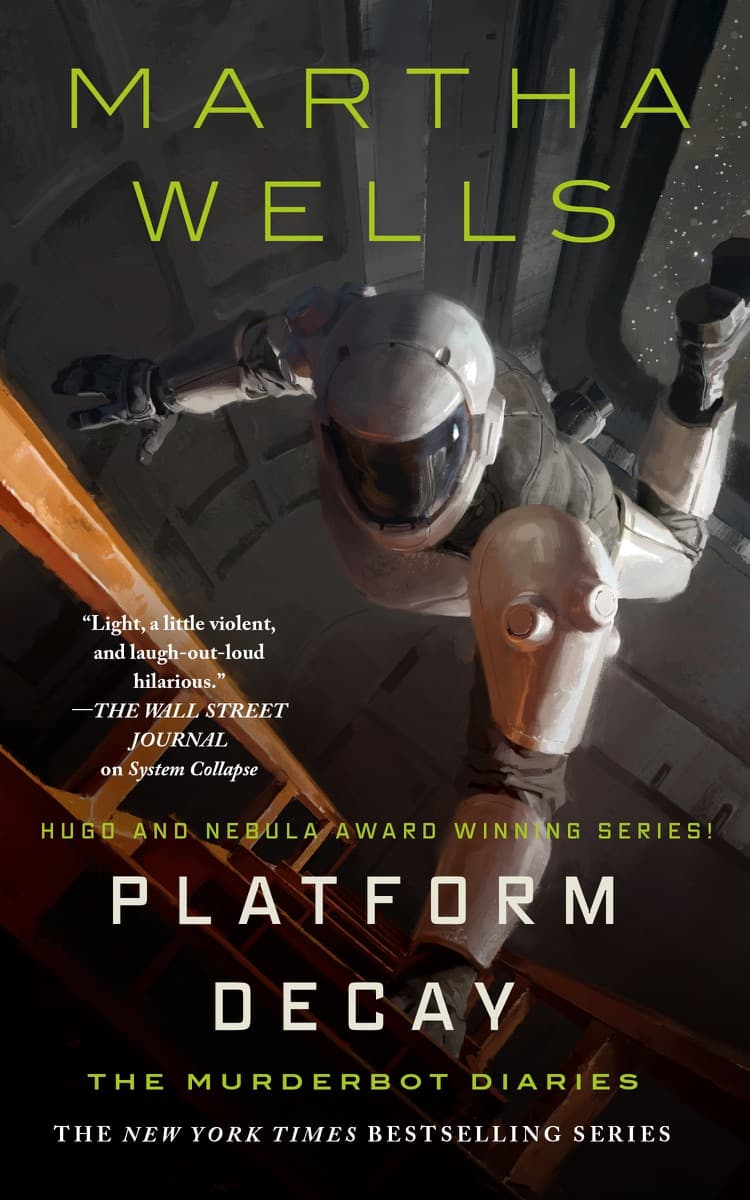
Unfamiliar humans, children, tight routes, and corporate systems deny Murderbot the comfort of its established team, making every act of protection feel newly chosen. If that is what you want more of after Platform Decay, these recommendations preserve that appeal in different ways, without pretending every similar book offers the same experience.
Start with our Platform Decay review by Martha Wells.

Choose by reading mood
Where to start
For the fastest read
Jitterbug
BriskFor the gentlest option
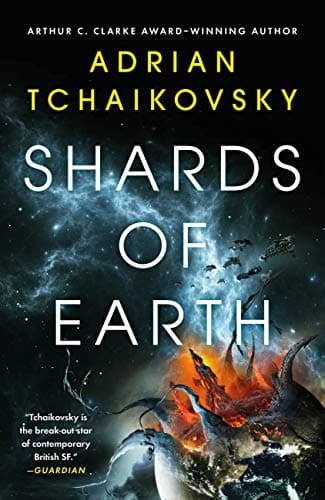
Shards of Earth
GentleFor minimal romance
Mickey7
MinimalFor the easiest entry
The Lost World
AccessibleThe full shortlist
Why each book belongs here
Each match is judged against Platform Decay, not merely placed beside it because the books share a broad genre label.
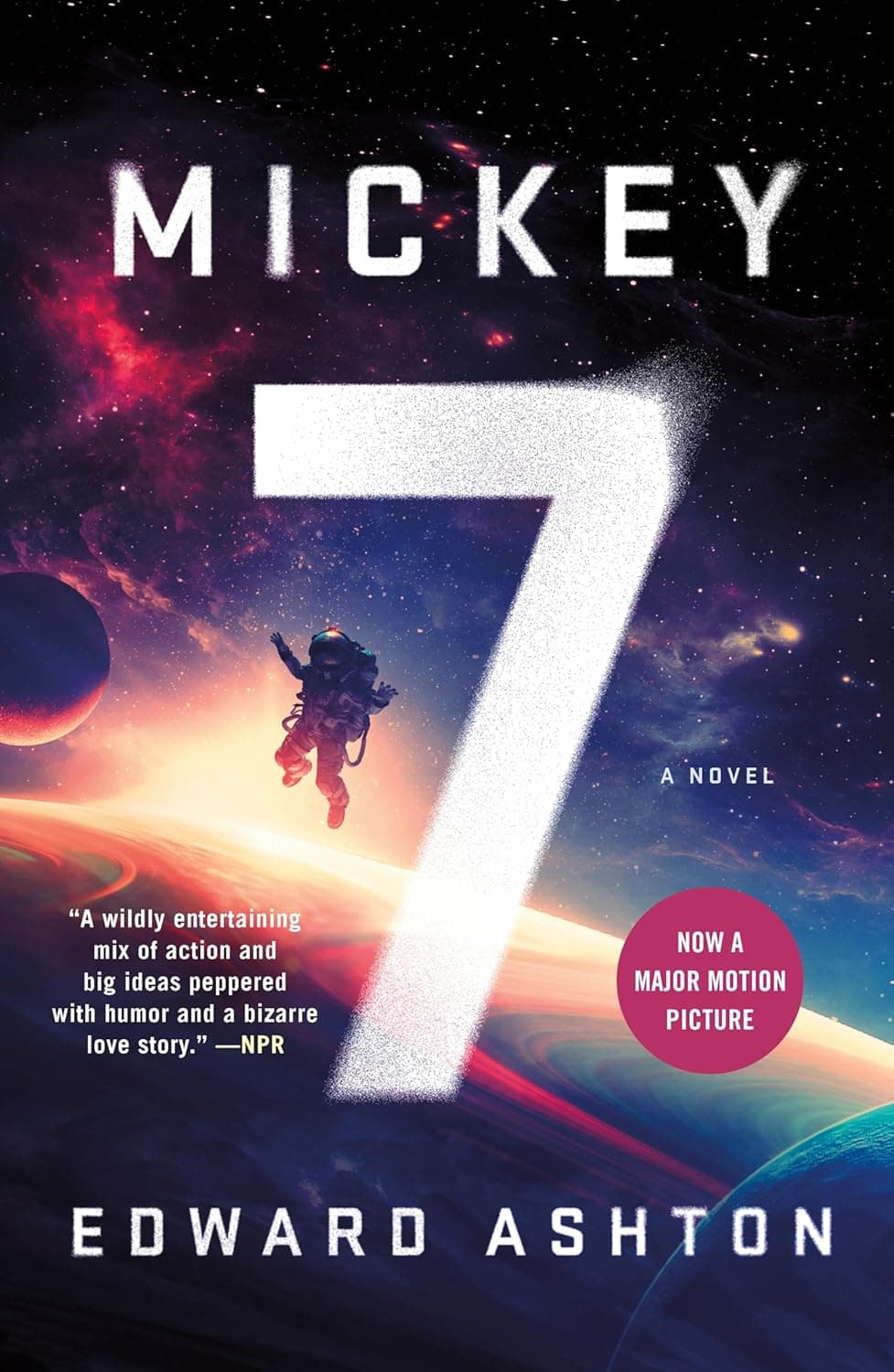
Mickey7
- Shared ground
- Both books force characters to solve immediate physical problems before larger ideals can matter.
- What changes
- Mickey7 is a more standalone and openly philosophical story about a disposable worker; Platform Decay offers the richer emotional payoff of a long-running artificial-person narrative.
- Best for
- Science-fiction readers wanting cloning, hostile-planet survival, corporate exploitation, existential questions, and dark humor in a compact standalone story.
- Pace Balanced
- Darkness Moderate
- Romance Minimal
- Difficulty Accessible
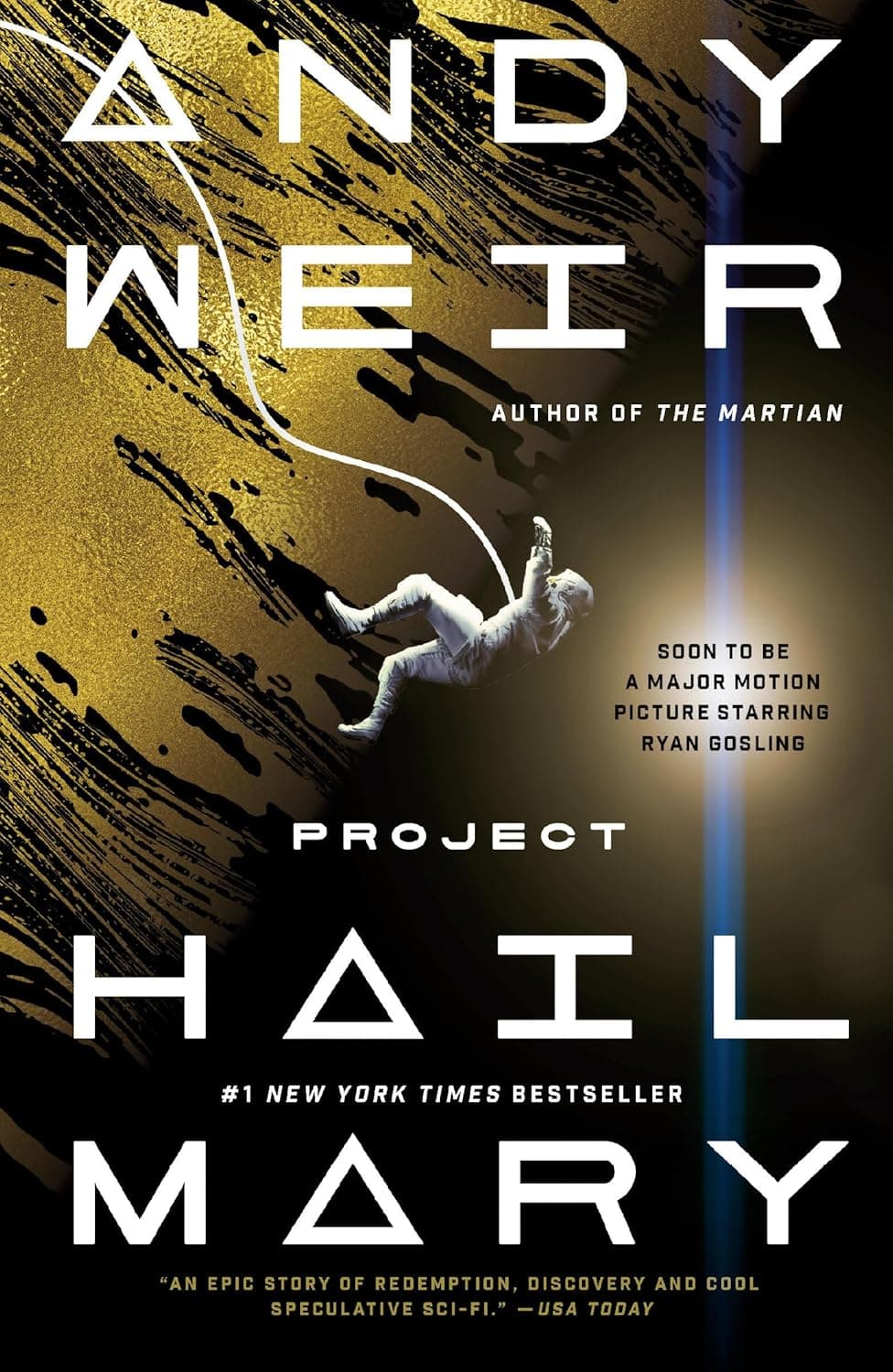
Project Hail Mary
- Shared ground
- Both books use speculative ideas to place human choices under unfamiliar pressure.
- What changes
- Project Hail Mary builds suspense through explained science and optimistic cooperation, while Wells favors tactical perception, social anxiety, and mistrust of corporate systems.
- Best for
- Readers wanting optimistic hard science fiction, first contact, high-stakes problem solving, and an emotionally satisfying partnership.
- Pace Balanced
- Darkness Moderate
- Romance Minimal
- Difficulty Moderate
Shards of Earth
- Shared ground
- Both books treat family loyalty as a source of both protection and pressure.
- What changes
- Shards of Earth expands into factional space opera with a large found family; Platform Decay is tighter, funnier, and physically confined.
- Best for
- Readers wanting found-family crews, diverse aliens, political factions, salvage work, and large-scale space-opera danger.
- Pace Balanced
- Darkness Gentle
- Romance Minimal
- Difficulty Moderate
The Lost World
- Shared ground
- Both books force characters to solve immediate physical problems before larger ideals can matter.
- What changes
- The Lost World has a similar overall reading load, but changes the emphasis. Site B lets nesting, disease, social learning, territory, and scavenging matter, treating dinosaurs as an unstable community rather than park attractions.
- Best for
- Jurassic Park readers wanting more dinosaur ecology, a research expedition, and substantial differences from the film.
- Pace Balanced
- Darkness Moderate
- Romance Minimal
- Difficulty Accessible
On the Steel Breeze
- Shared ground
- Both books force characters to solve immediate physical problems before larger ideals can matter.
- What changes
- On the Steel Breeze is more measured and more demanding than Platform Decay. Chiku's divided continuations, the holoships, Watchkeepers, and Crucible turn identity and governance into practical survival questions.
- Best for
- Blue Remembered Earth readers wanting generation ships, artificial intelligence, identity copies, and higher-stakes space travel.
- Pace Measured
- Darkness Gentle
- Romance Minimal
- Difficulty Demanding
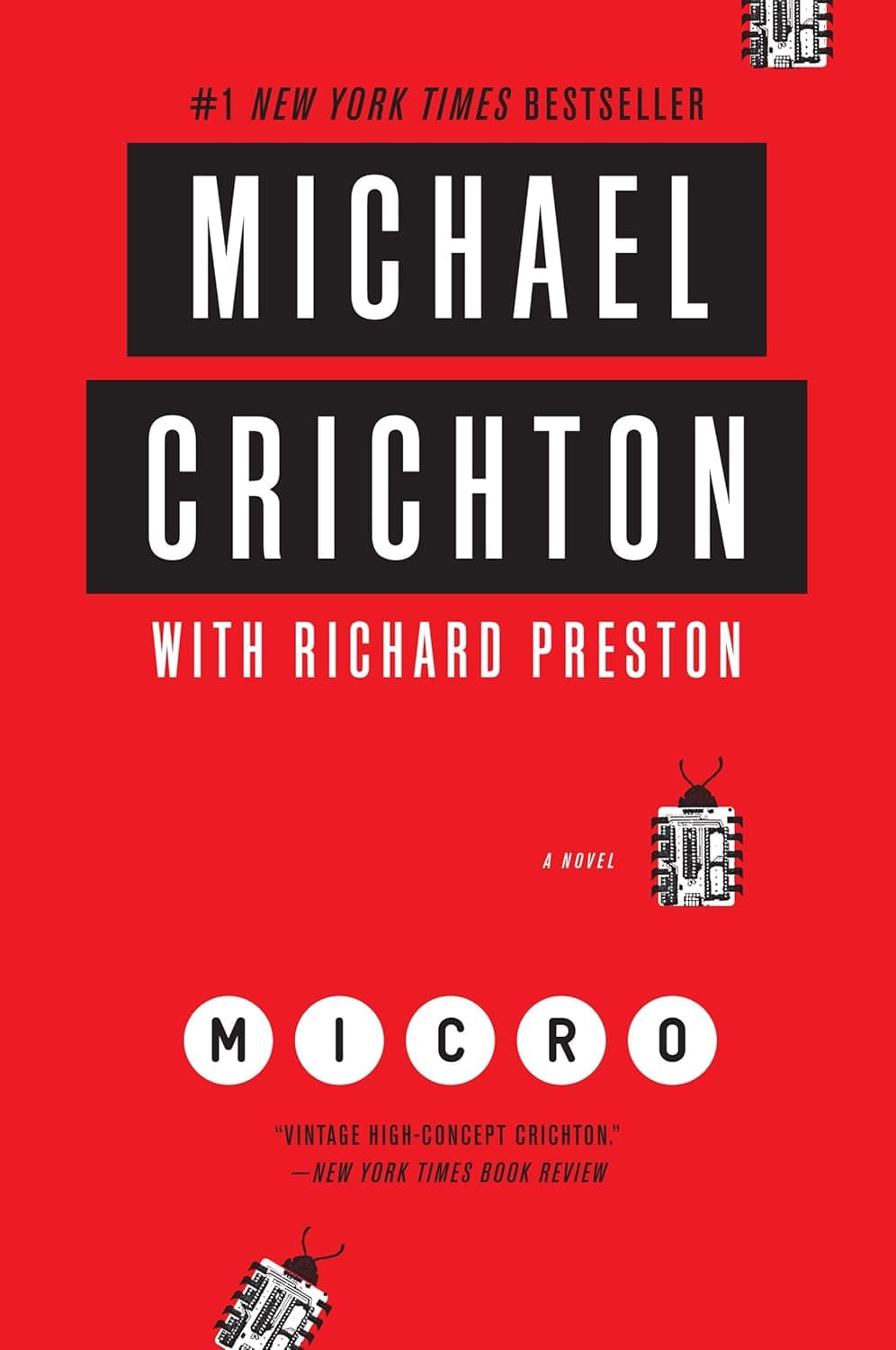
Micro
- Shared ground
- Both books force characters to solve immediate physical problems before larger ideals can matter.
- What changes
- Micro is faster than Platform Decay. Scale transforms insects, plants, water, weather, and tools into unfamiliar systems, and specialist knowledge repeatedly changes survival odds.
- Best for
- Readers wanting science adventure, miniaturized survival, Hawaiian ecology, body danger, and rapid set pieces.
- Pace Brisk
- Darkness Moderate
- Romance Minimal
- Difficulty Accessible
The Prefect (Aurora Rising)
- Shared ground
- Both books force characters to solve immediate physical problems before larger ideals can matter.
- What changes
- The Prefect (Aurora Rising) is faster than Platform Decay. Dreyfus, Thalia, and Sparver investigate through interviews, simulation, and technical judgment, while Panoply's limits make every intervention politically consequential.
- Best for
- Readers wanting accessible Revelation Space police procedural, democratic institutions, habitats, and systemic threat.
- Pace Balanced
- Darkness Moderate
- Romance Minimal
- Difficulty Moderate
Children of Ruin
- Shared ground
- Both books treat family loyalty as a source of both protection and pressure.
- What changes
- Children of Ruin is more measured than Platform Decay. The octopuses do not think as centralized humans, and their shifting emotional color, limb intelligence, and politics force the narrative to change how intention is described.
- Best for
- Readers who finished Children of Time and want stranger minds, more horror, and a denser communication problem.
- Pace Measured
- Darkness Moderate
- Romance Minimal
- Difficulty Moderate
Blue Remembered Earth
- Shared ground
- Both books treat family loyalty as a source of both protection and pressure.
- What changes
- Blue Remembered Earth is more measured than Platform Decay. Geoffrey's elephants, Sunday's art, Eunice's clues, and the Mechanism make family ambition collide with surveillance, privacy, and chosen purpose.
- Best for
- Readers wanting optimistic future Africa, family mystery, elephants, solar-system infrastructure, and slow generational science fiction.
- Pace Measured
- Darkness Gentle
- Romance Minimal
- Difficulty Moderate
Jitterbug
- Shared ground
- Both books treat family loyalty as a source of both protection and pressure.
- What changes
- Jitterbug is faster than Platform Decay. The action retains emotional consequence, and machine perspectives are treated as relationships with memory and need rather than convenient tactical interfaces.
- Best for
- Space-opera readers wanting artificial intelligence, found family, pursuit, large stakes, wounded characters, and cinematic momentum without a cold military tone.
- Pace Brisk
- Darkness Gentle
- Romance Minimal
- Difficulty Accessible
Side-by-side
Pace, darkness, romance, and difficulty
Use these labels as directional guidance. The individual notes above explain the tradeoffs.
| Book | Pace | Darkness | Romance | Difficulty |
|---|---|---|---|---|
| Platform Decay | Balanced | Gentle | Minimal | Moderate |
| Mickey7 | Balanced | Moderate | Minimal | Accessible |
| Project Hail Mary | Balanced | Moderate | Minimal | Moderate |
| Shards of Earth | Balanced | Gentle | Minimal | Moderate |
| The Lost World | Balanced | Moderate | Minimal | Accessible |
| On the Steel Breeze | Measured | Gentle | Minimal | Demanding |
| Micro | Brisk | Moderate | Minimal | Accessible |
| The Prefect (Aurora Rising) | Balanced | Moderate | Minimal | Moderate |
| Children of Ruin | Measured | Moderate | Minimal | Moderate |
| Blue Remembered Earth | Measured | Gentle | Minimal | Moderate |
| Jitterbug | Brisk | Gentle | Minimal | Accessible |
Keep exploring
Explore another Books Like guide
Start from another familiar book and compare a new set of reading paths.