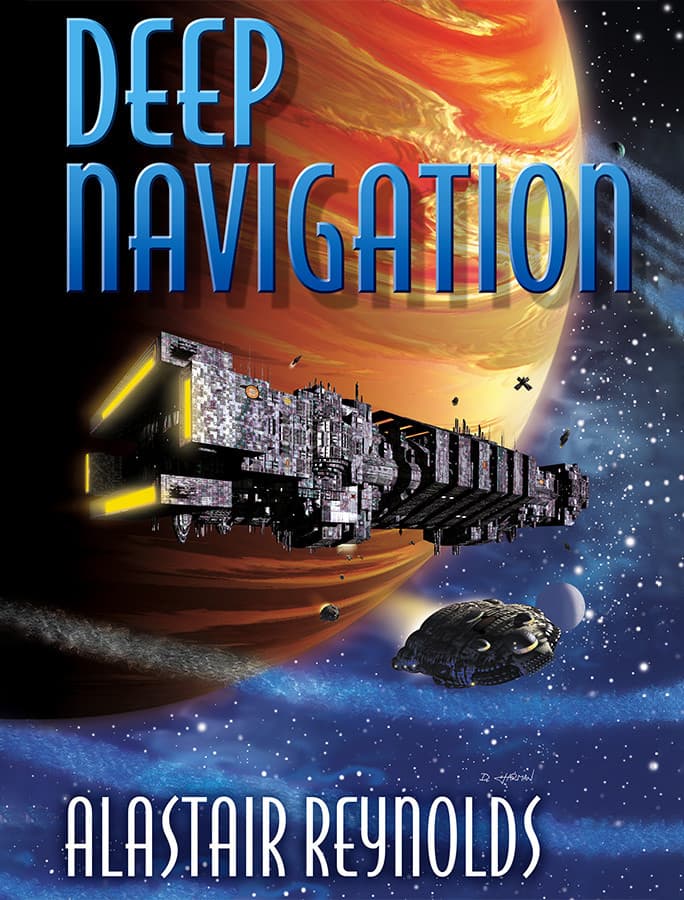
Should you read Deep Navigation?
What works
Early Antarctic, ecological, machine, and cosmic stories expose the recurring isolation and scale that later work integrates more confidently with character.
What may not work for you
Quality varies, several concepts outrun their prose, and newcomers may mistake developmental roughness for the author's mature norm.
What may test your patience
The earliest pieces require historical curiosity because their voice and construction are visibly less controlled.
Does the ending reward the effort?
As a career-spanning collection it succeeds through contrast, not one cumulative finish.
Reading Deep Navigation closely
Deep Navigation collects stories from across Reynolds's early career, beginning with his first published piece, Nunivak Snowflakes, and extending to later work such as The Receivers and Monkey Suit. Stephen Baxter's introduction places that development within Reynolds's emergence as a major hard-science-fiction writer.
The settings range from a claustrophobic Antarctic research station in Byrd Land Six to the long revenge and transformation of Fury. Other pieces explore ecological conflict, machine perception, alien rescue, artistic obsession, and the danger of carrying familiar human motives into environments operating on radically different scales.
This is less a polished greatest-hits sequence than an archive of range and development. Some early stories feel rougher or more idea-driven than Reynolds's mature work, but that variation is the reason to read it. The collection shows experiments that later became his recognizable mixture of scientific scale, isolation, horror, and compromised survival.
Early work beside mature stories
Arranging pieces from different stages makes changes in voice visible. The earliest stories often prioritize concept and atmosphere, while later entries integrate scientific speculation more tightly with grief, political choice, or personal identity.
Revelation Space and independent settings
Monkey Suit belongs to the Revelation Space universe, but most of the collection does not require shared continuity. Readers can move from Antarctic suspense to cosmic-scale futures without maintaining a single timeline or glossary.
Three useful comparisons
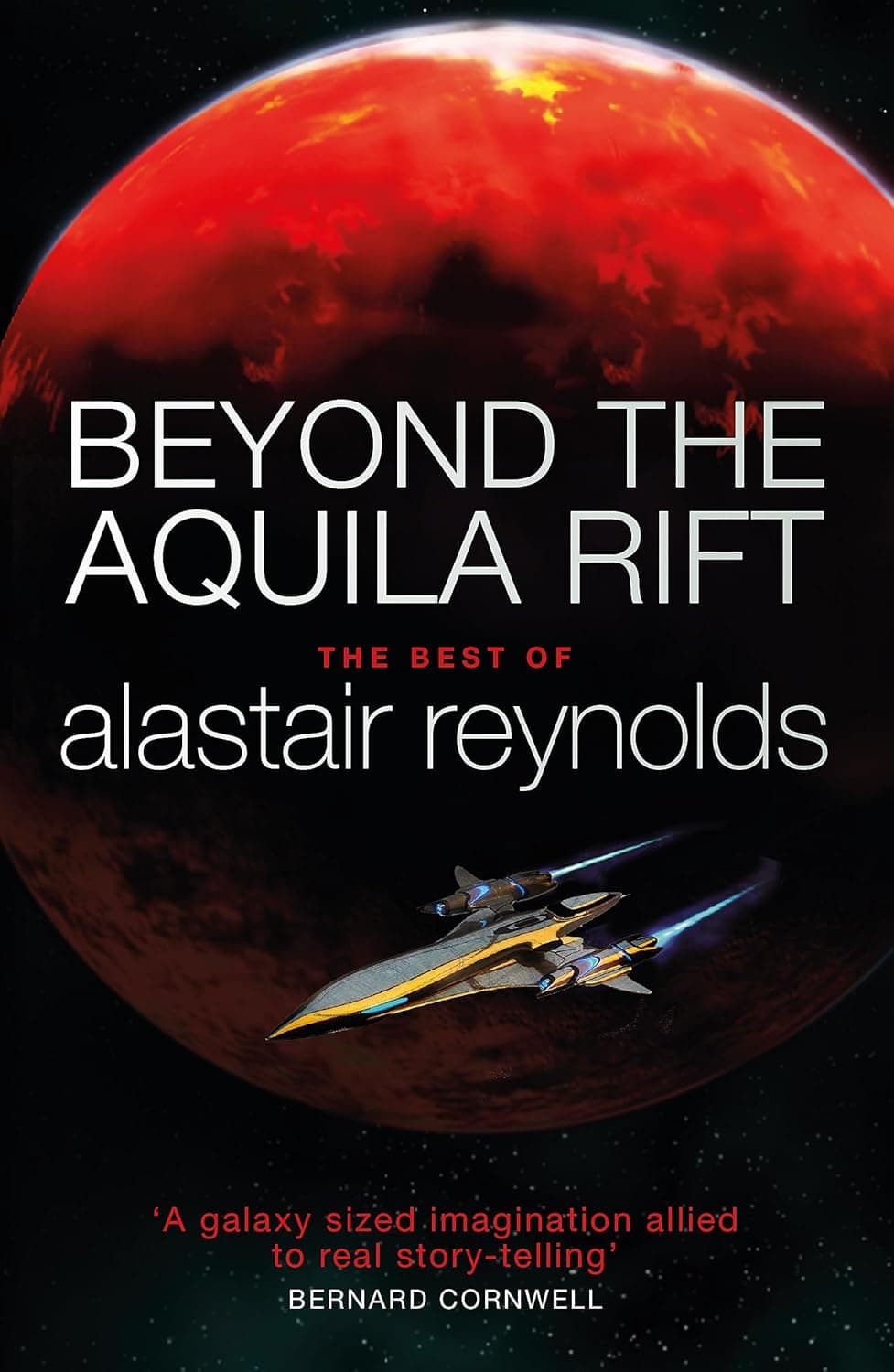
Beyond the Aquila Rift
Beyond the Aquila Rift is the stronger curated introduction and contains more mature major work.
Best for: Newcomers wanting a substantial Reynolds sampler and established readers collecting major standalone short fiction.
As an Amazon Associate, I earn from qualifying purchases.
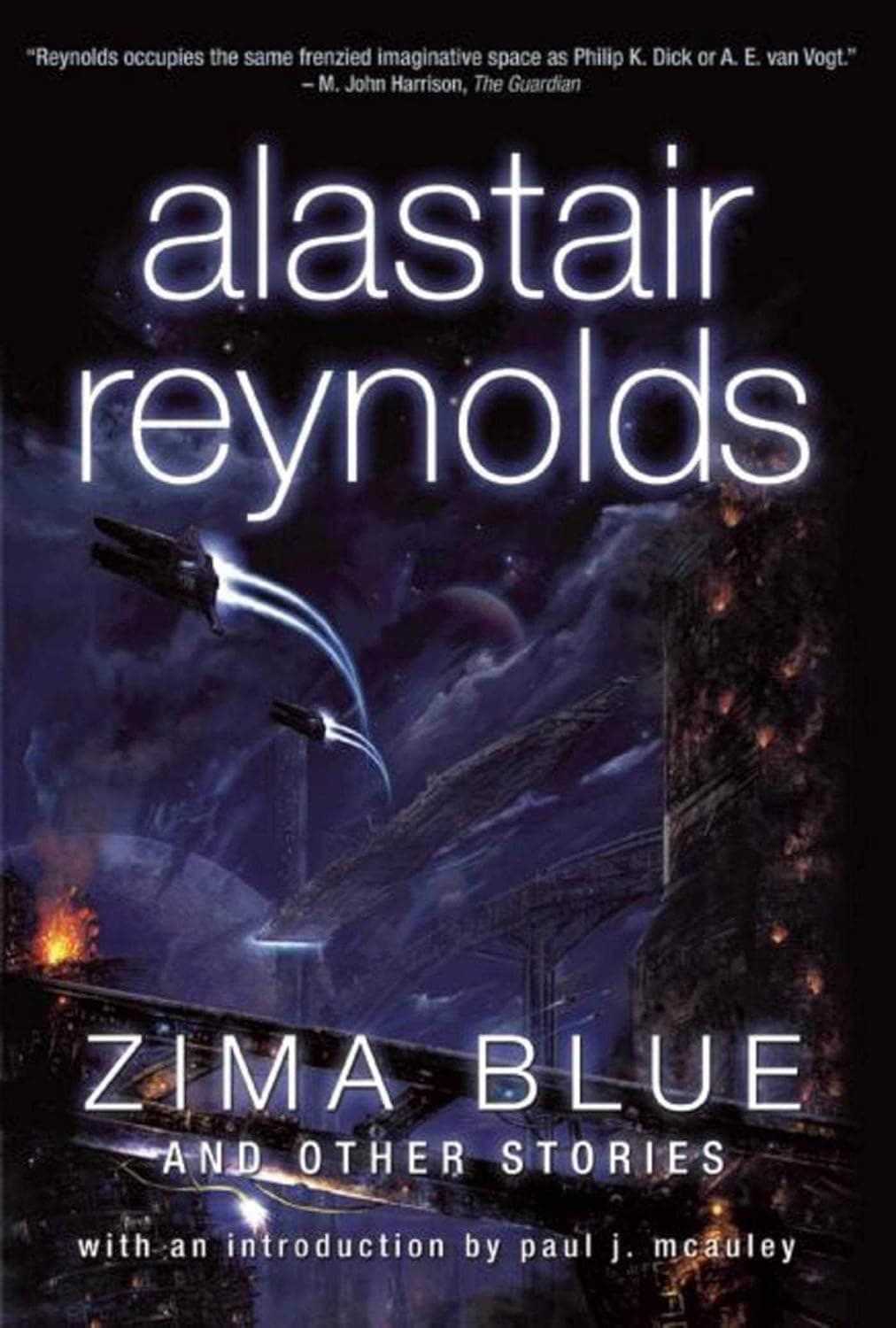
Zima Blue and Other Stories
Zima Blue offers greater consistency and emotional range for newcomers.
Best for: New and established Reynolds readers wanting varied standalone short science fiction with both darkness and humanity.
As an Amazon Associate, I earn from qualifying purchases.
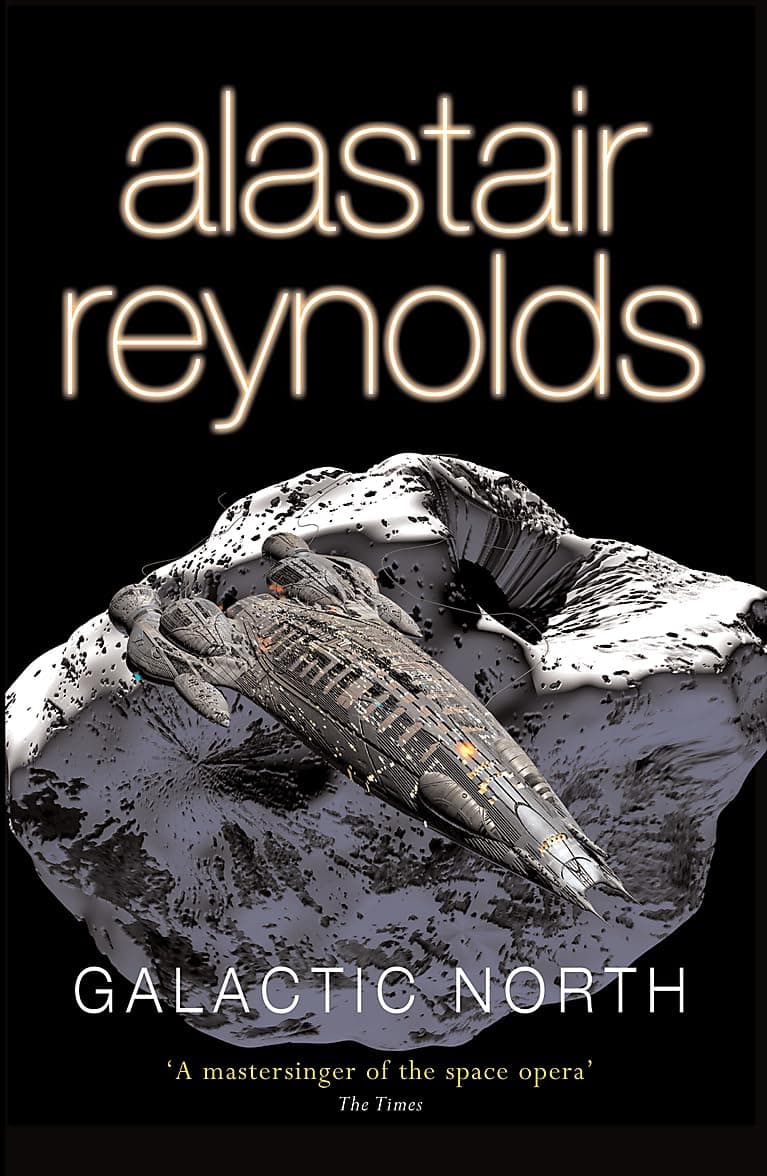
Galactic North
Galactic North is the collection for readers focused specifically on Revelation Space history.
Best for: Best for established Revelation Space fans who want essential short fiction, origin stories, horror, and the universe's widest chronology.
As an Amazon Associate, I earn from qualifying purchases.