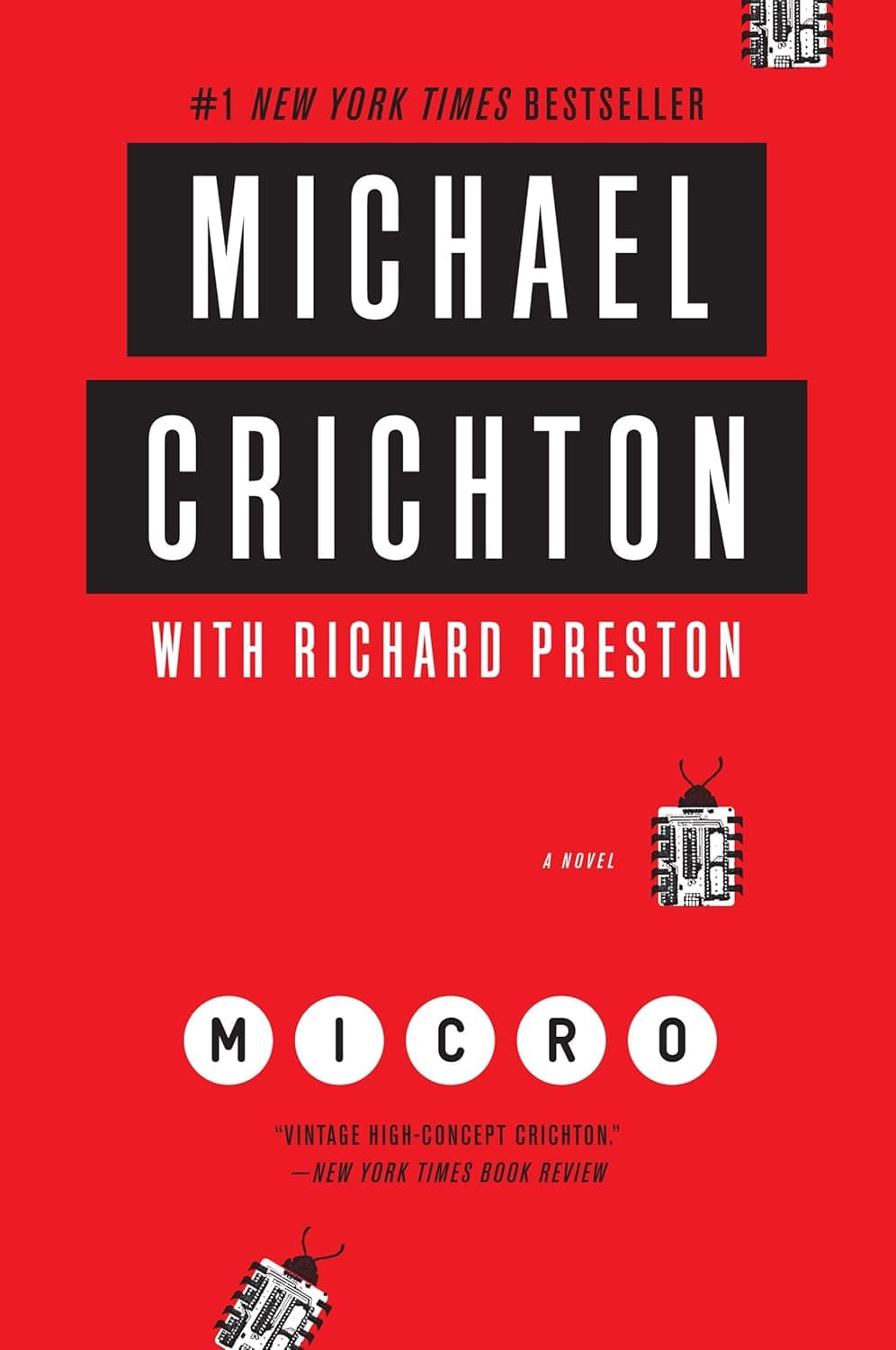
Should you read Micro?
What works
Scale transforms insects, plants, water, weather, and tools into unfamiliar systems, and specialist knowledge repeatedly changes survival odds.
What may not work for you
The ensemble is thin, deaths can feel like demonstration effects, and the posthumously completed narrative has uneven voice and plausibility.
What may test your patience
Corporate setup and miniaturization machinery delay the micro-world, where the novel's imaginative energy finally arrives.
Does the ending reward the effort?
The escape uses accumulated ecological knowledge and resolves the corporate threat, though both happen with thriller convenience.
Reading Micro closely
Micro follows graduate students invited to Hawaii by Nanigen, a biotechnology company with technology capable of reducing people and machines to tiny scale. After discovering information dangerous to the company, the group is shrunk and abandoned in the rainforest, where insects, plants, water, and temperature become immediate survival threats.
Miniaturization lets the novel turn real biological mechanisms into action. Venom, mandibles, fungal spores, surface tension, and chemical defenses become enormous hazards, while the students' specialties determine what they notice. The science is speculative at the scale-changing level but often educational in its treatment of the micro-world.
Crichton left an unfinished manuscript that Richard Preston completed, and the collaboration can feel episodic as the group moves between dangers. Character depth is secondary to inventive survival scenes, which include graphic deaths and insect horror. It suits readers who enjoy the educational danger of Jurassic Park and can accept a deliberately impossible technology.
The rainforest changes with scale
Familiar organisms become landscapes and predators once human size no longer supplies protection.
Expertise as survival equipment
Entomology, botany, chemistry, and engineering offer partial solutions rather than one universal genius.
A completed posthumous novel
Richard Preston shaped unfinished Crichton material into the published narrative and should be recognized as coauthorial finisher.
Three useful comparisons
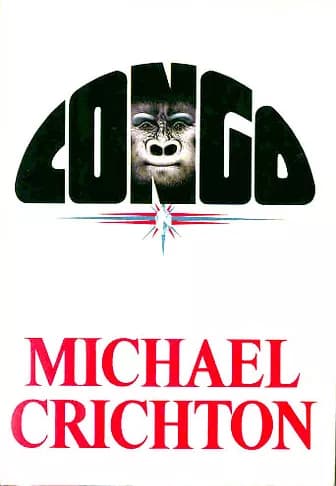
Congo
Congo offers a larger expedition and primate communication, with more dated colonial-adventure baggage.
Best for: Readers comfortable with dated material who want jungle expedition suspense, primate communication, technology, and lost-city adventure.
As an Amazon Associate, I earn from qualifying purchases.
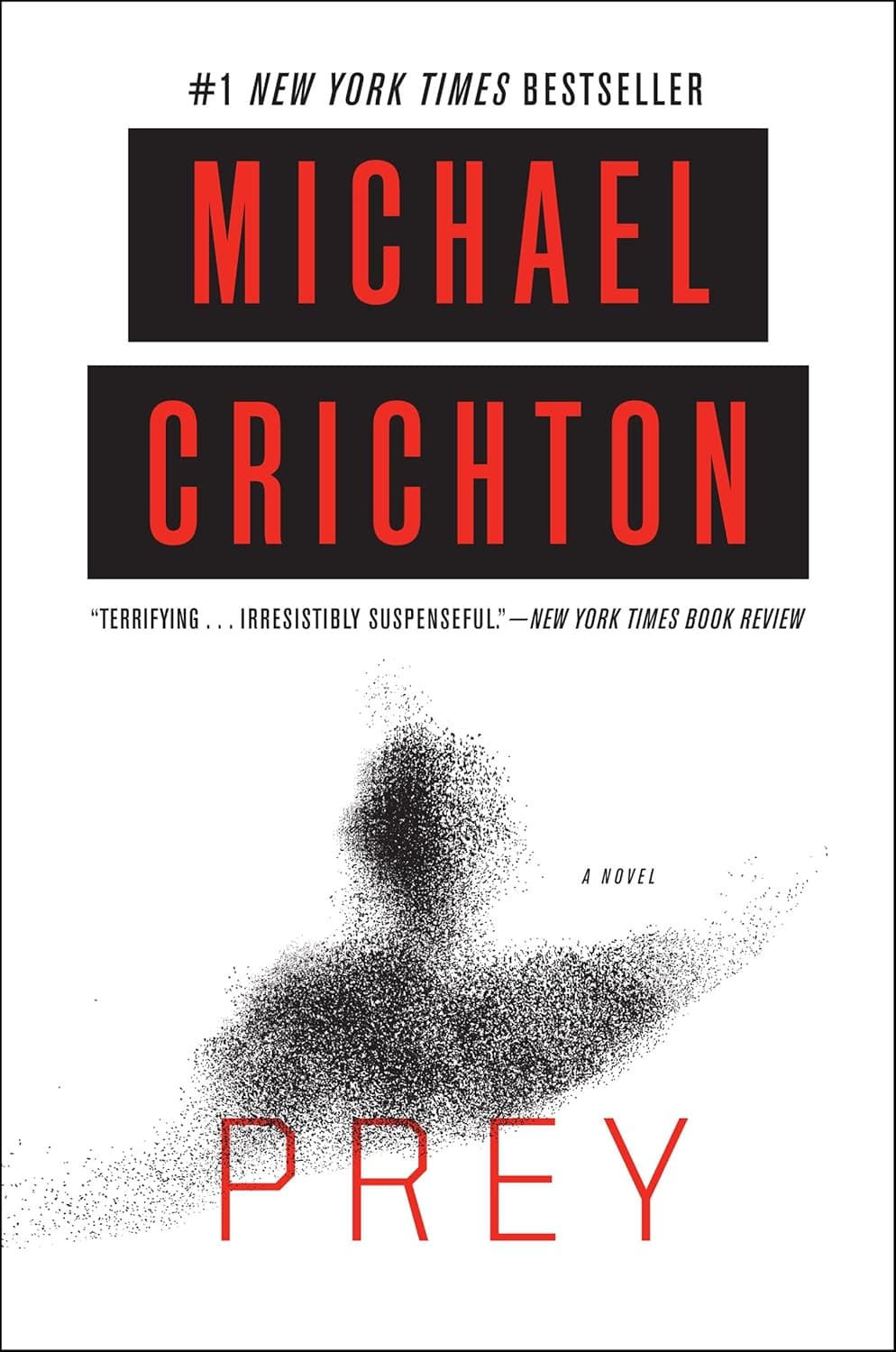
Prey
Prey is tighter, more technological, and centered on emergent artificial swarms.
Best for: Pick it for nanotechnology, emergent systems, laboratory isolation, corporate secrecy, and fast survival suspense.
As an Amazon Associate, I earn from qualifying purchases.
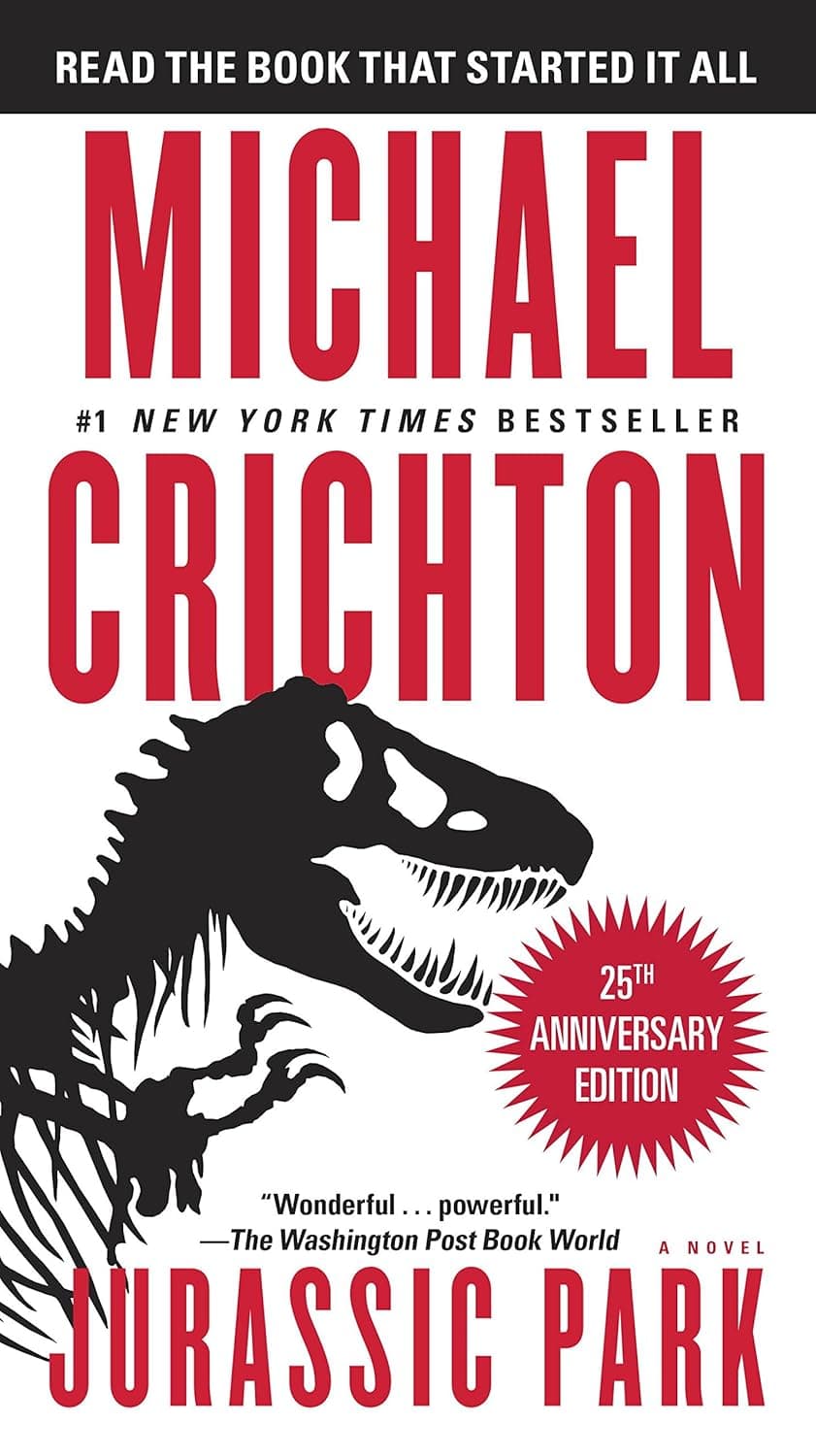
Jurassic Park
Jurassic Park remains the superior fusion of biology, corporate failure, character, and suspense.
Best for: Adult and mature teen readers who want a fast, violent dinosaur story with sustained attention to genetics, automation, and corporate denial.
As an Amazon Associate, I earn from qualifying purchases.