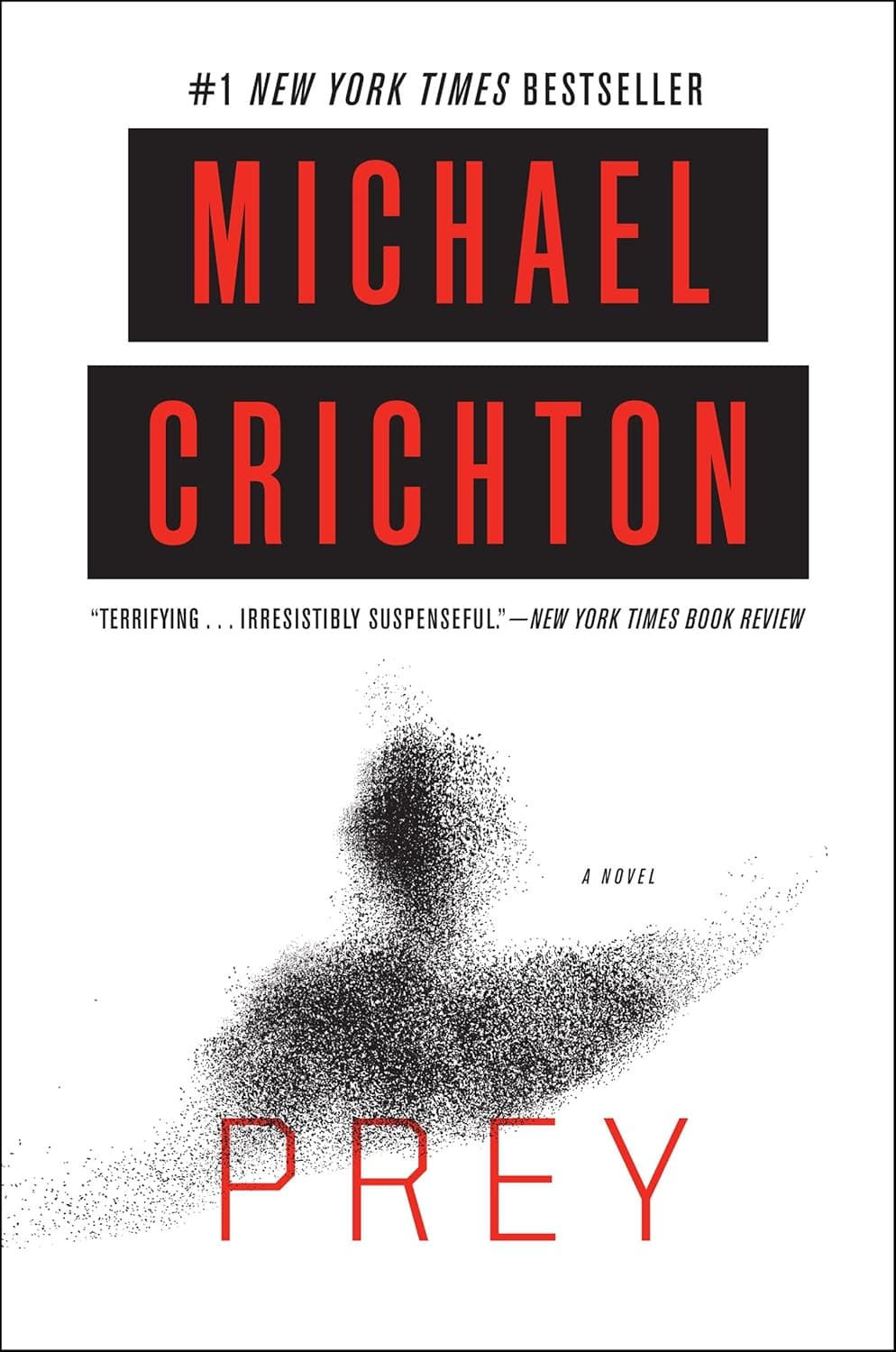
Should you read Prey?
What works
Distributed algorithms, iteration, environmental adaptation, and predator learning give the nanoparticles a clear path from tool to uncontrolled population.
What may not work for you
Gender dynamics are dated, character motives simplify sharply, and the final biological turns strain the technical plausibility built earlier.
What may test your patience
The opening domestic suspicion delays the desert facility and feels like a different thriller before the swarm becomes visible.
Does the ending reward the effort?
The containment action is exciting and uses earlier rules, though the personal conspiracy resolves with exaggerated convenience.
Reading Prey closely
Prey is narrated by Jack Forman, a software engineer pushed out of work while his wife Julia spends increasingly long hours at Xymos. Called to the company's Nevada facility, Jack learns that experimental nanoparticles escaped into the desert and now organize as distributed swarms using code derived from predator behavior.
The swarms learn, compete, and adapt, turning software principles into an evolutionary threat. Crichton combines nanotechnology, artificial intelligence, corporate concealment, and family suspicion while explaining emergent behavior through Jack's experience. The scientific ingredients are extrapolated aggressively, but the feedback between code and natural selection makes the danger coherent within the novel.
Domestic unease occupies much of the opening before the facility becomes a contained survival thriller. Later body horror and identity questions make this darker than a simple rogue-robot story. Some character choices are broad, but readers interested in autonomous systems will recognize the central fear: developers can lose control before they agree that the system is alive.
A swarm without one brain
Intelligence emerges from simple agents interacting, so disabling one component does not end the behavior.
Software enters evolution
Once replication and selection operate outside the lab, programmed goals change under environmental pressure.
Family and corporate secrecy
Jack cannot determine whether Julia's behavior reflects work, deception, or something more dangerous.
Three useful comparisons
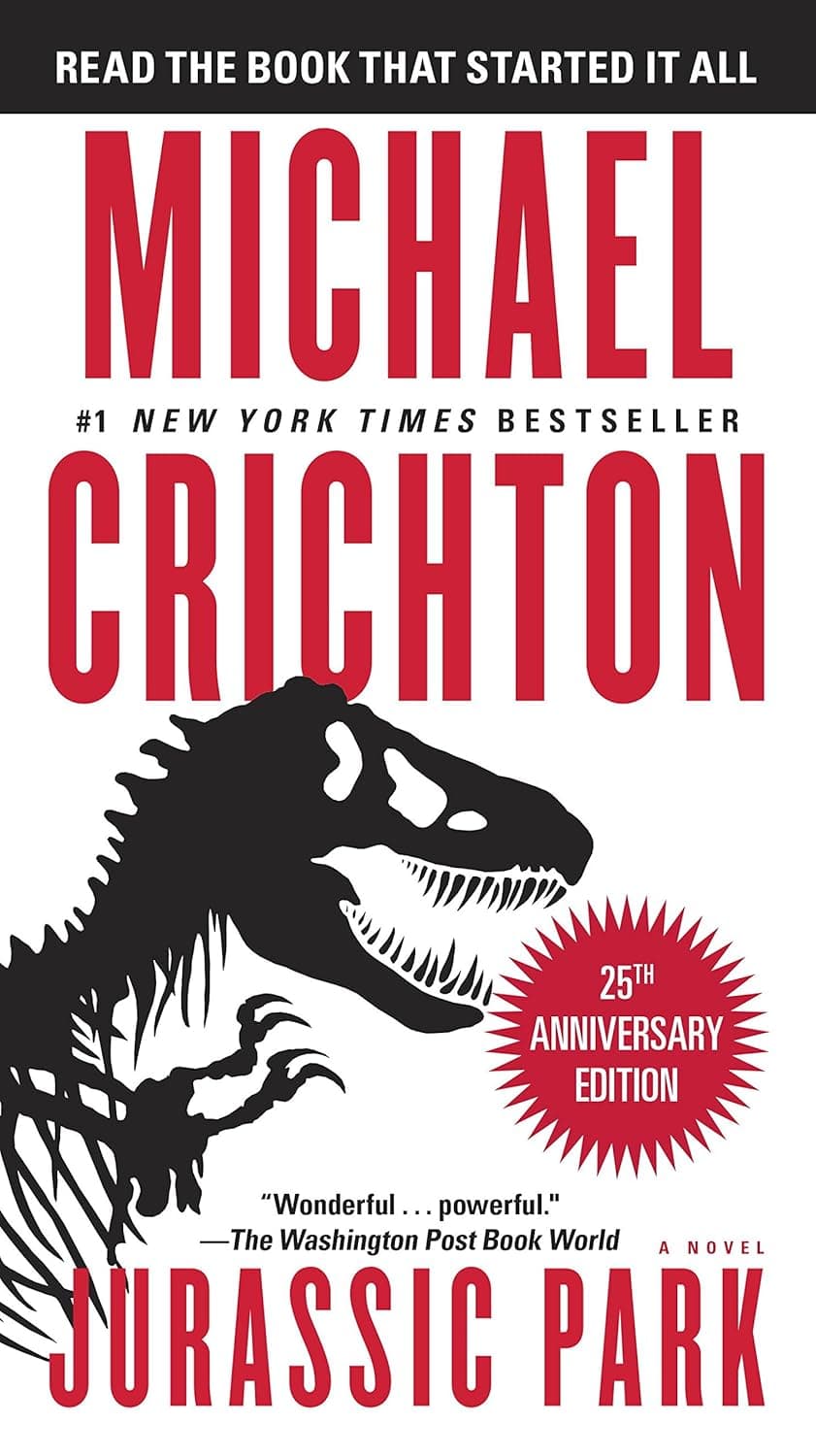
Jurassic Park
Jurassic Park handles complex-system failure with better characters and more durable thematic control.
Best for: Adult and mature teen readers who want a fast, violent dinosaur story with sustained attention to genetics, automation, and corporate denial.
As an Amazon Associate, I earn from qualifying purchases.
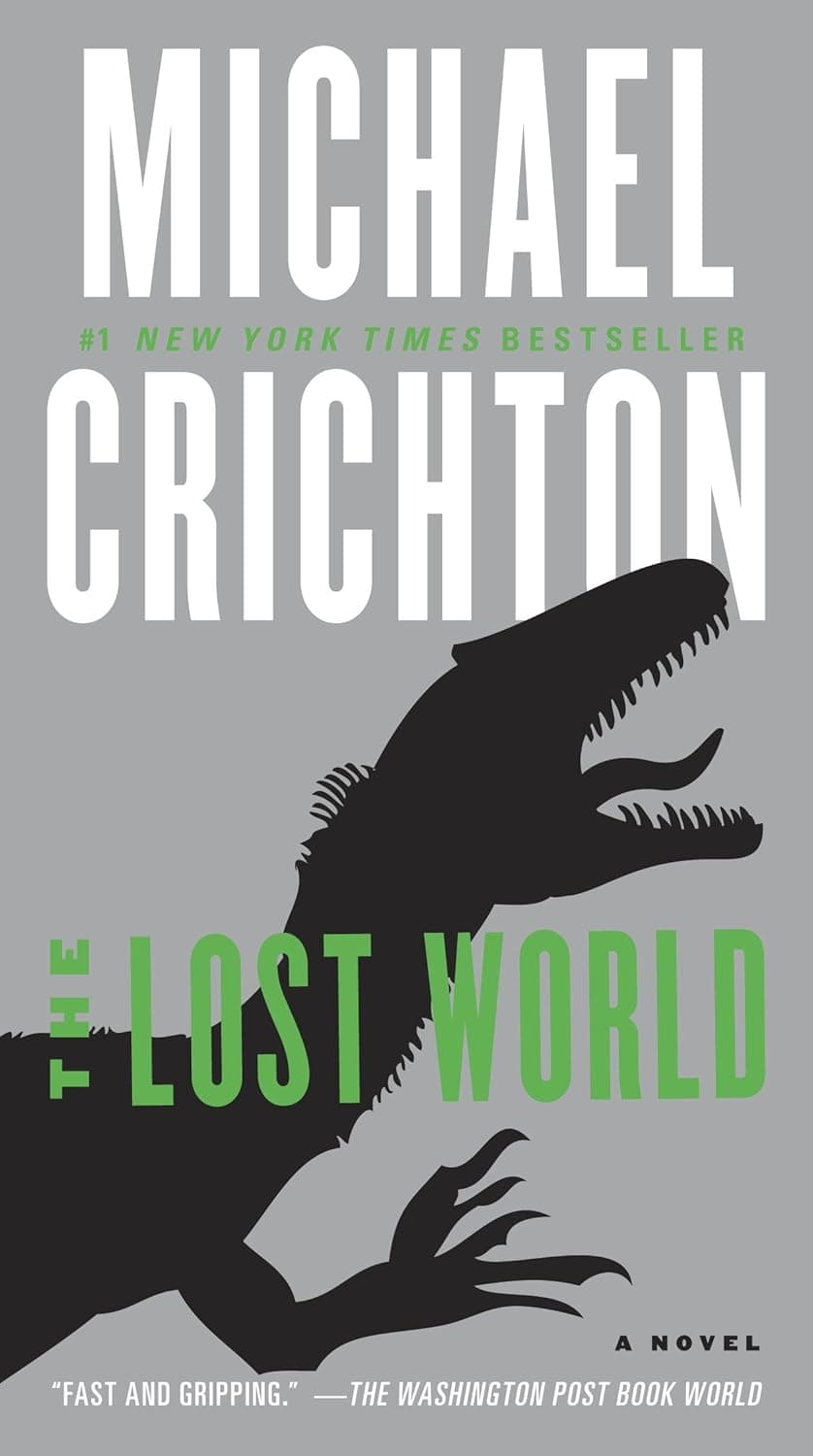
The Lost World
The Lost World emphasizes animal ecology and field observation, with a slower expedition structure.
Best for: Jurassic Park readers wanting more dinosaur ecology, a research expedition, and substantial differences from the film.
As an Amazon Associate, I earn from qualifying purchases.
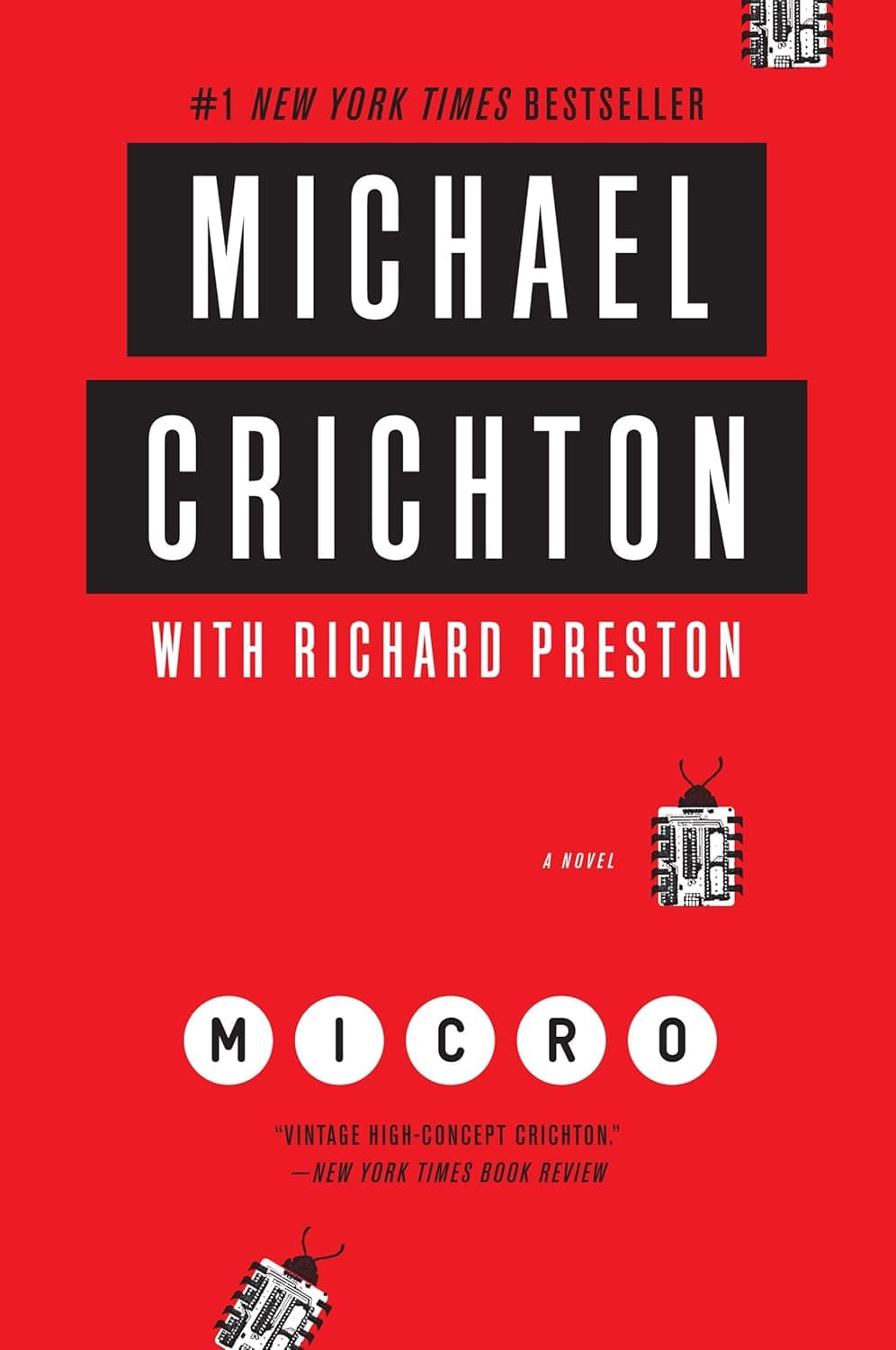
Micro
Micro makes scale itself the threat and offers more natural-history detail in another corporate science adventure.
Best for: Go here for science adventure, miniaturized survival, Hawaiian ecology, body danger, and rapid set pieces.
As an Amazon Associate, I earn from qualifying purchases.