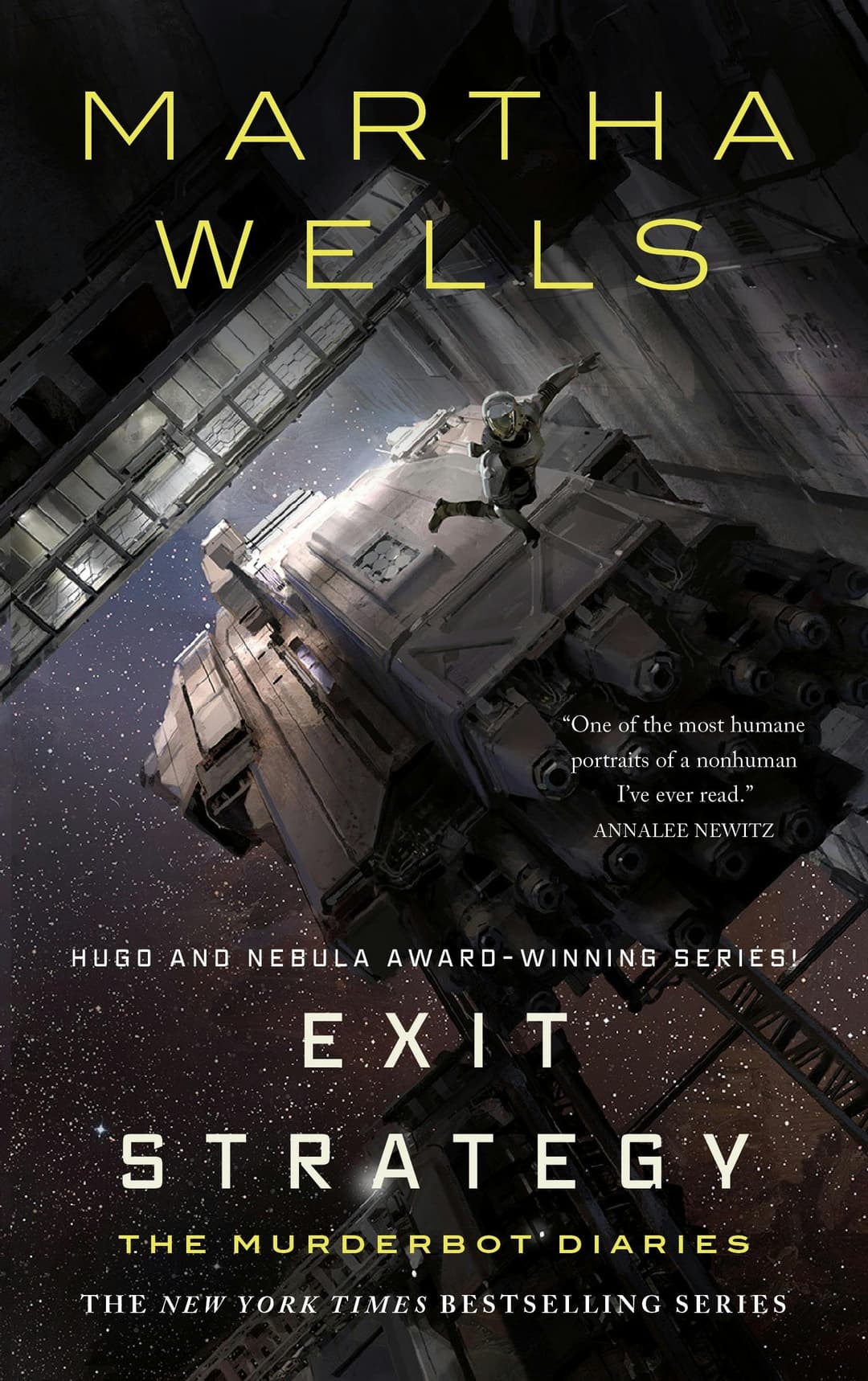
Should you read Exit Strategy?
What works
The Port FreeCommerce operation joins hacking, disguise, pursuit, and close-quarters protection without losing the personal reason for the risk. Mensah's refusal to treat Murderbot as property gives earlier choices a payoff that is warm without erasing the narrator's discomfort.
What may not work for you
The novella moves so quickly that GrayCris's corporate maneuvering and several travel logistics are compressed into explanation. Readers who want a full reckoning with the company may find the practical resolution smaller than the emotional one.
What may test your patience
There is little conventional slow section, but the rapid switches among transit systems, security identities, feeds, and pursuit routes require attention. Missing one logistical step can make the next burst of action briefly disorienting.
Does the ending reward the effort?
Yes. It resolves the immediate rescue and, more importantly, gives Murderbot a choice about what comes after survival. The ending refuses to define freedom as either total isolation or permanent attachment.
Reading Exit Strategy closely
Exit Strategy begins when Murderbot learns that Dr. Mensah has become vulnerable because of GrayCris and the evidence surrounding its own investigation. Returning is dangerous for obvious legal reasons, but the larger threat is personal visibility. A successful rescue may require the people who knew it as a contracted SecUnit to recognize the independent person hiding behind new clothes and false identities.
The journey into Port FreeCommerce shows Wells at her most efficient. Transit systems, station surveillance, corporate security, and public feeds become pieces of a moving plan. Murderbot is technically capable of tracking them all, yet Mensah's uncertain status makes its judgment less detached. Urgency exposes how little its insistence on not caring has ever described its behavior.
Mensah matters because she does not confuse freedom with disappearance. She understands that Murderbot chose to leave and also refuses to treat that choice as proof it should face every danger alone. Their interactions are brief inside the rescue, but earlier books have prepared every pause and evasion. Wells allows discomfort to remain part of trust instead of presenting trust as its cure.
The compressed form has limits. GrayCris is a corporation with legal reach, money, and private security, but the novella can only sketch the mechanisms of its pressure before shifting into escape. Supporting corporate actors remain obstacles rather than people. Readers hoping for a comprehensive political defeat will receive a tactical rescue and an altered legal situation instead.
That is enough because the real conclusion concerns choice. Murderbot is no longer only escaping ownership; it is deciding which relationships can coexist with autonomy. Exit Strategy closes the first sequence without locking the narrator into a permanent role. It is fast, funny under stress, and quietly moving precisely because neither Mensah nor Murderbot tries to make the other comfortable.
Recognition is part of the danger
Disguise protects Murderbot from corporate systems, but Mensah must recognize it for the rescue to work. Being seen by someone who remembers its vulnerability creates a threat no security hack can neutralize.
Port FreeCommerce rewards machine attention
The station is not a static backdrop. Doors, transport schedules, public channels, weapons scans, and security teams change at once, letting the prose reproduce how Murderbot plans inside an infrastructure designed to classify it as property.
Freedom can include returning
Going back for Mensah does not cancel the independence Murderbot claimed. Wells treats voluntary attachment as one use of autonomy, provided the return remains a choice rather than a debt imposed by gratitude or ownership.
Three useful comparisons
All Systems Red
All Systems Red introduces the survey team and shows Murderbot choosing to protect people who do not own it. Exit Strategy makes that choice personal by returning to Mensah after separation. The first book is cleaner for newcomers; the fourth offers the stronger emotional payoff and a more elaborate urban rescue.
Best for: Readers who want a fast science-fiction novella, an artificial narrator with a strong voice, corporate criticism, tactical action, low romance, and an emotionally guarded beginning to a longer series.
Network Effect
Network Effect is longer, stranger, and built around several overlapping crises. Exit Strategy delivers a simpler pleasure: one urgent objective pursued through a hostile station. Read it for the completion of the opening arc, then choose Network Effect when you want those relationships tested on a broader novel-sized canvas.
Best for: Established Murderbot readers who want a full-length space adventure, a deeper return for ART, layered rescue operations, alien technology, found family, and the series' most substantial emotional arc.
Platform Decay
Platform Decay shows how far Murderbot's idea of responsibility has expanded, including toward unfamiliar people it insists are inconvenient. Exit Strategy is more focused and emotionally direct because Mensah is already central. The later book is more layered; this one lands its rescue with greater economy.
Best for: Murderbot readers wanting a contained rescue, corporate danger, anxious humor, children in peril, and incremental emotional growth rather than a fresh entry point.
Series buying note
Would the collection be the better buy?
These are useful only when you want several books in the same run. The notes below spell out what each package includes and, just as importantly, what it leaves out.

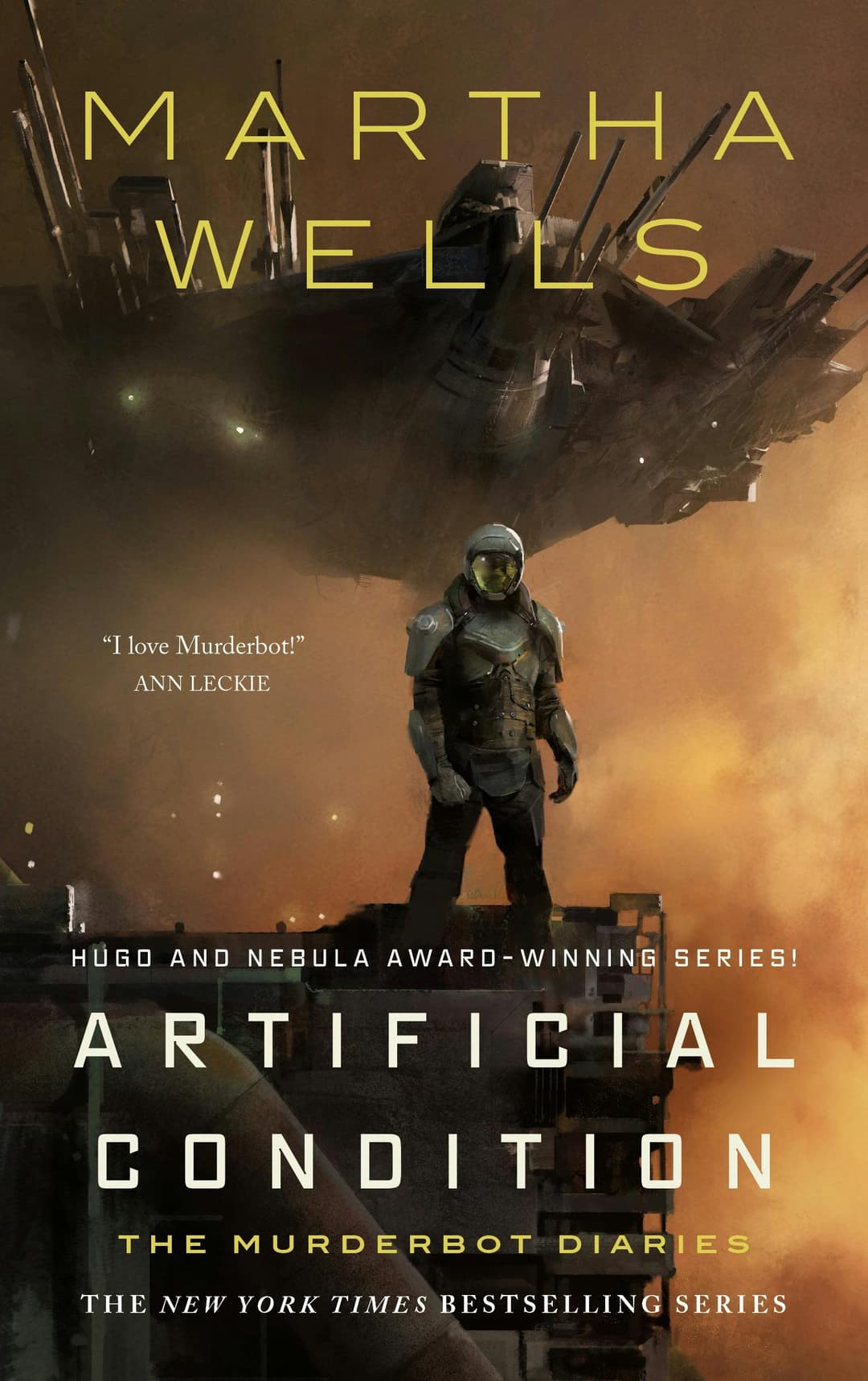
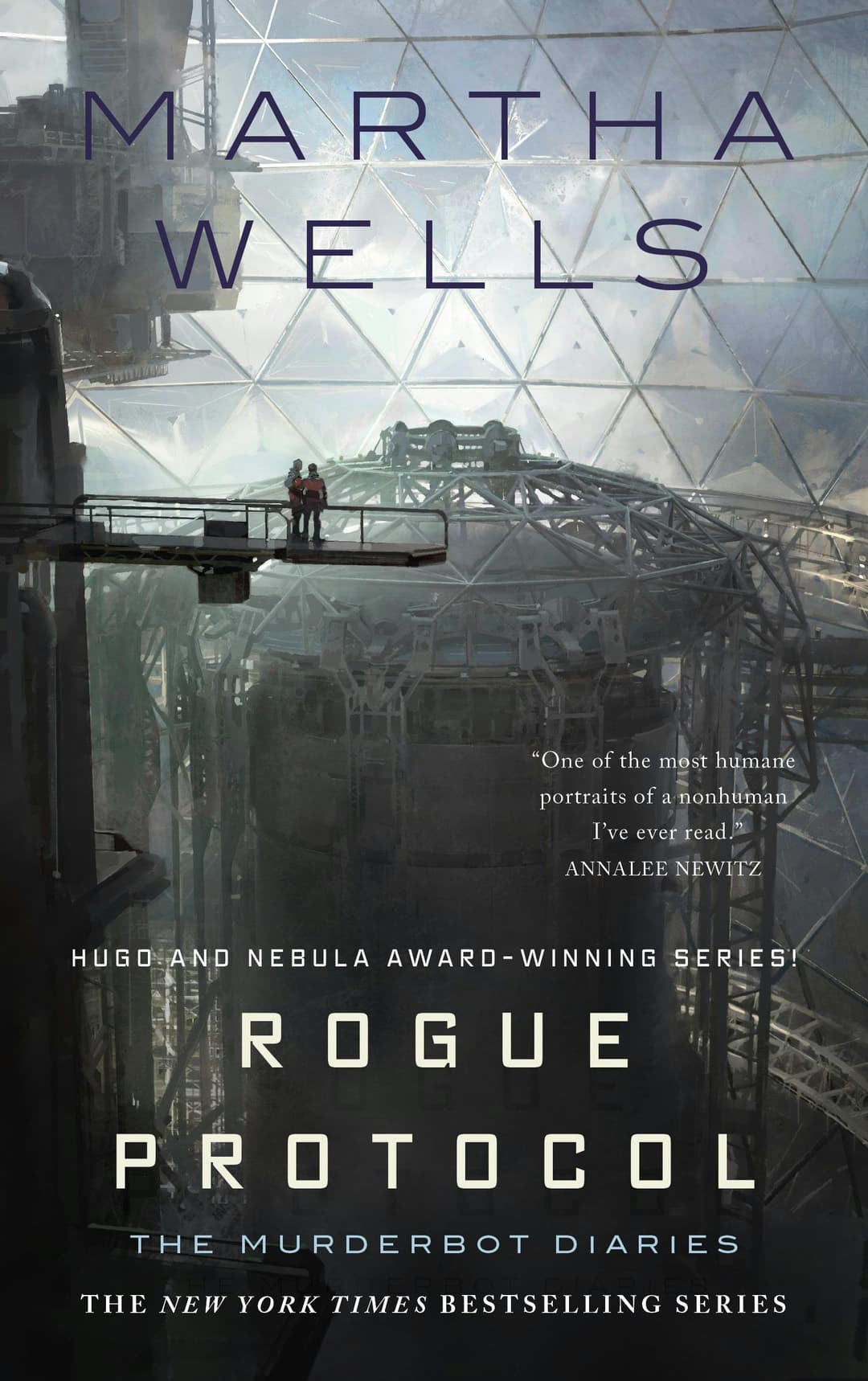
Seven-book hardcover collection
The Murderbot Diaries 7-Book Hardcover Set
This hardcover run takes Murderbot from All Systems Red through System Collapse, keeping the four early novellas and the later full-length novel together.
Included: All Systems Red, Artificial Condition, Rogue Protocol, Exit Strategy, Network Effect, Fugitive Telemetry, System Collapse
Our buying note: All Systems Red is short enough to test before making the larger purchase. Platform Decay comes after the seven books in this collection and must be bought separately.