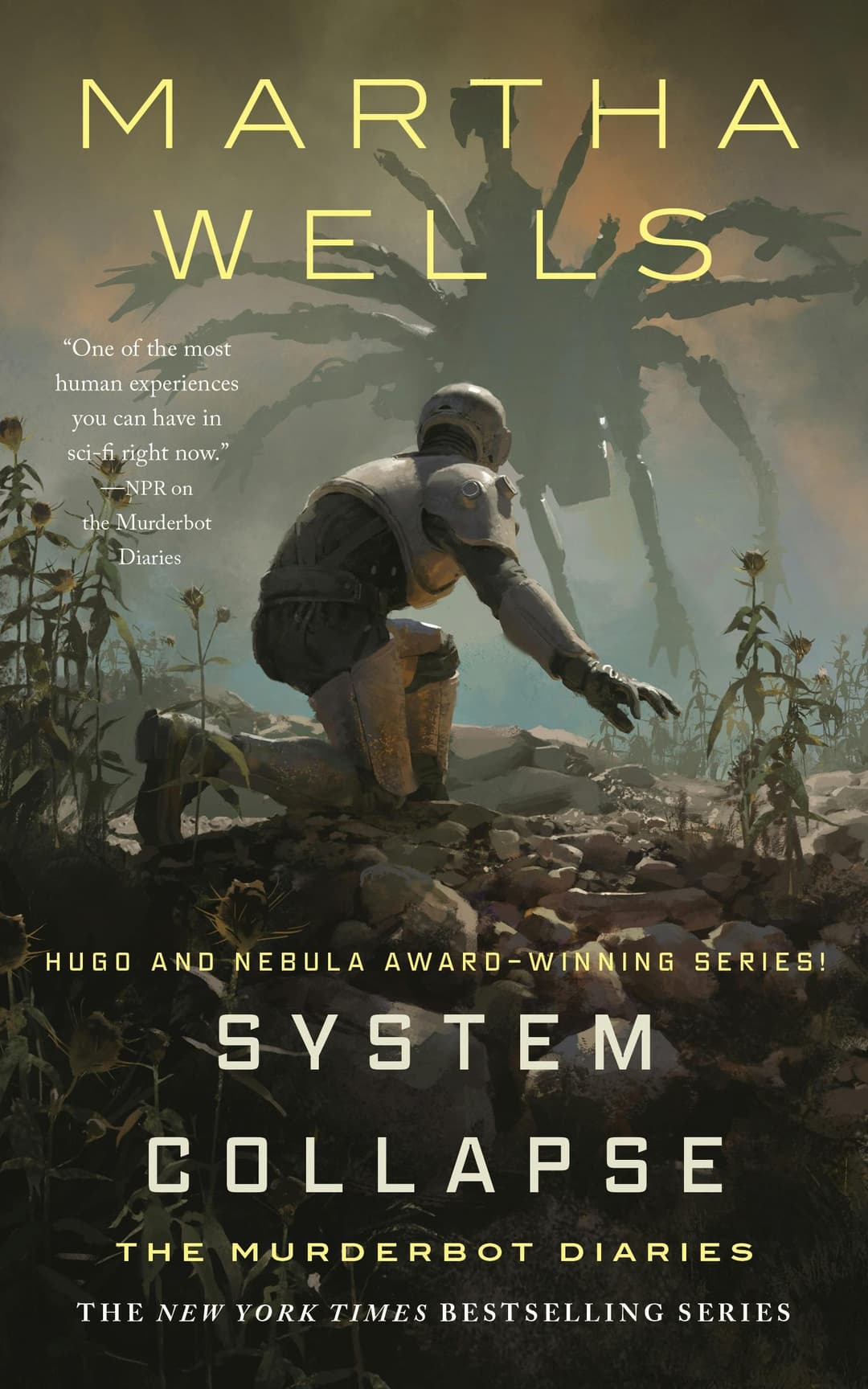
Should you read System Collapse?
What works
The narrator's lapses are not cosmetic vulnerability. Lost time, unreliable performance, and reluctance to explain the damage change how the mission proceeds. The conflict with Barish-Estranza also turns corporate colonization into a battle over who gets to tell the colonists what their choices mean.
What may not work for you
The book depends heavily on remembered factions and events from Network Effect, while its opening withholds the cause of Murderbot's impairment. That fragmentation creates an honest subjective effect but weakens orientation and gives the rescue plot less clean momentum.
What may test your patience
The first third circles around omitted memory and incomplete reports. Readers may feel they have forgotten a prior chapter or even a prior book; that uncertainty is deliberate, but the technique still makes entry rough.
Does the ending reward the effort?
Mostly. The plan used to resist corporate control is thematically clever and gives Murderbot a new kind of useful work. The immediate resolution lands, though the larger planetary future remains necessarily open.
Reading System Collapse closely
System Collapse begins immediately after the planetary crisis in Network Effect. The colonists remain vulnerable, Barish-Estranza wants them to sign a corporate contract, and the Preservation and ART crews are trying to keep a bad situation from becoming formal acquisition. Murderbot should be the most capable person in the room, but something happened during the previous operation that it cannot narrate cleanly.
That impairment changes the familiar pleasure of competence. Murderbot loses time, omits information, and labels parts of its own record as unreliable. The device can initially look like a recap problem because the book does not explain at once which gap belongs to trauma and which belongs to ordinary continuity. Once the pattern clarifies, it gives the narrator's distress material consequences.
The external conflict is less about winning a firefight than controlling the decision placed before the colonists. Barish-Estranza presents corporate protection as the only practical future, using urgency and information imbalance as leverage. Preservation cannot simply answer with its own orders without repeating the same denial of choice. Murderbot must help create space for informed refusal.
Wells finds an intelligent solution in communication rather than superior weaponry. The narrator's enormous archive of entertainment, usually treated as avoidance or comic texture, becomes a model for making experience understandable. This turn works because the series has always shown Murderbot interpreting human behavior through stories while denying that the habit has practical value.
As a standalone book, System Collapse is rough. It assumes recent knowledge of Network Effect and deliberately destabilizes the reader on top of that dependency. As a continuation, it is brave enough to let rescue leave damage and to show competence returning unevenly. The ending resolves the immediate corporate contest without pretending the colony's future can be settled by one heroic intervention.
The missing memory is an injury, not a trick
Murderbot's narrative gaps reproduce the loss of a capacity it normally treats as fundamental. Later context gives those absences emotional and operational meaning rather than converting them into a surprise reveal.
A contract can function as a weapon
Barish-Estranza does not need to conquer the colonists if fear, incomplete information, and apparent necessity can secure their consent. The dispute makes corporate language part of the action.
Stories become a form of protection
Entertainment has helped Murderbot interpret people and survive private distress. Here, narrative itself becomes a way to communicate stakes that technical reports and competing authorities have failed to make legible.
Three useful comparisons
Network Effect
Network Effect is required reading because System Collapse begins inside its unresolved planetary crisis. The earlier novel has broader action and a more satisfying independent arc. The sequel is narrower, more fractured, and more attentive to what the previous rescue did to Murderbot after the emergency appeared to be over.
Best for: Established Murderbot readers who want a full-length space adventure, a deeper return for ART, layered rescue operations, alien technology, found family, and the series' most substantial emotional arc.
Platform Decay
Both later novels refuse to reset Murderbot into an invulnerable problem-solving machine. System Collapse is politically focused and structurally fragmented, with corporate persuasion as a threat. Platform Decay returns to a more concentrated rescue while carrying forward the narrator's accumulated difficulty with responsibility and recovery.
Best for: Murderbot readers wanting a contained rescue, corporate danger, anxious humor, children in peril, and incremental emotional growth rather than a fresh entry point.
Children of Time
Children of Time considers survival and colonization across centuries, with competing species forced to revise what intelligence and inheritance mean. System Collapse compresses those questions into one vulnerable colony facing a contract. Choose Tchaikovsky for evolutionary scope; choose Wells for corporate coercion filtered through a damaged, intensely personal voice.
Best for: Readers who like big evolutionary ideas, nonhuman viewpoints, and long time scales more than a conventional hero's journey.
Series buying note
Would the collection be the better buy?
These are useful only when you want several books in the same run. The notes below spell out what each package includes and, just as importantly, what it leaves out.

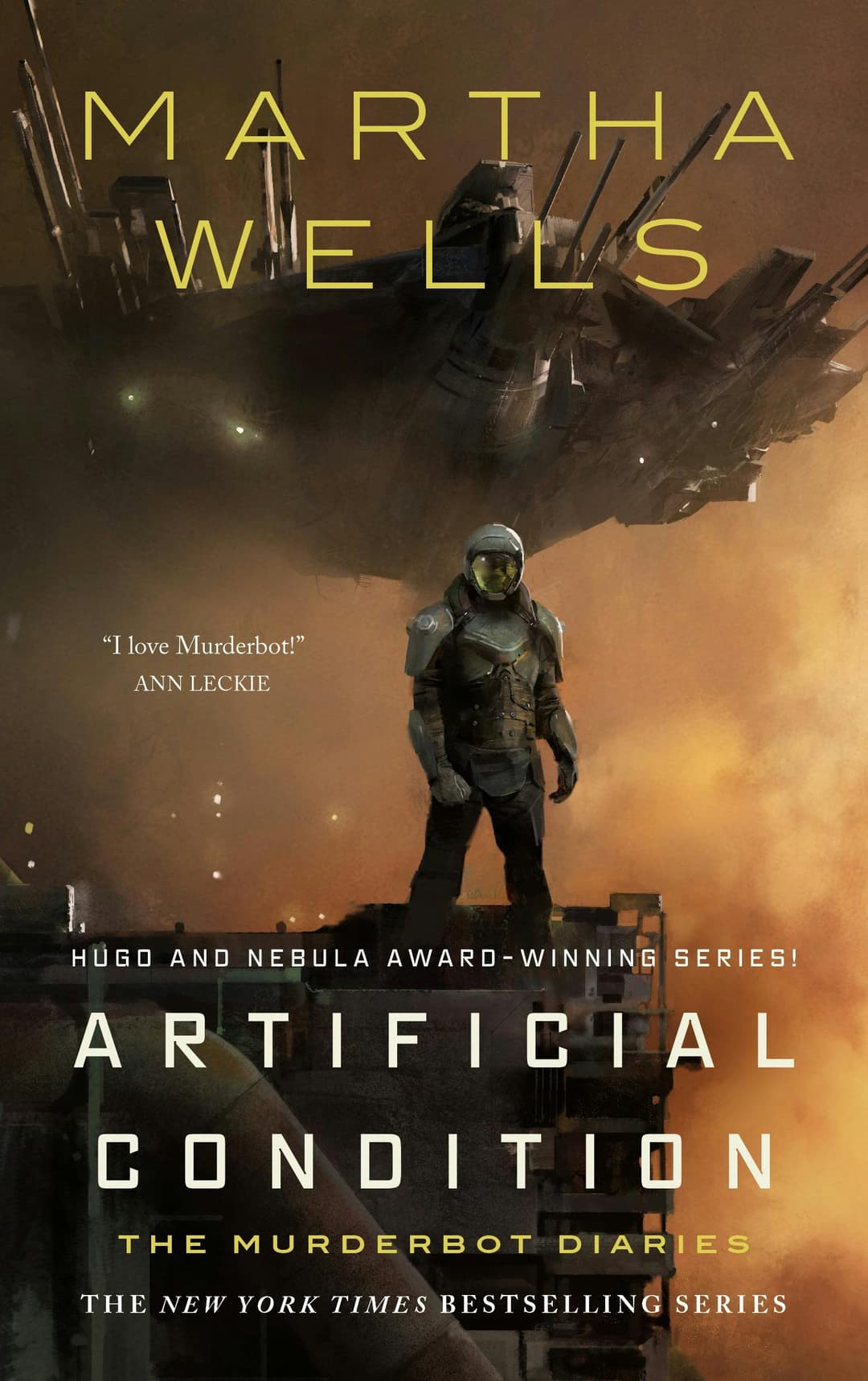
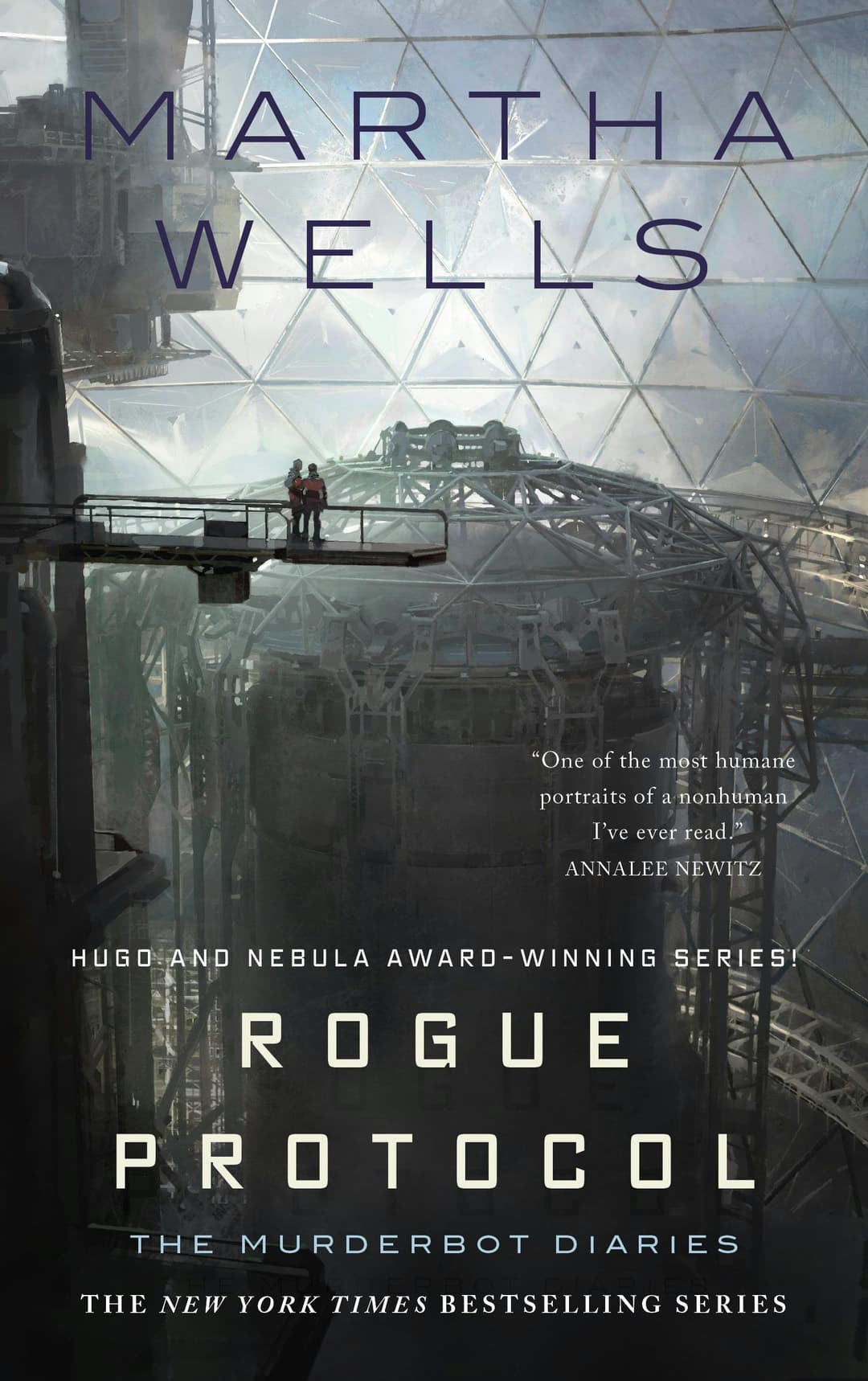
Seven-book hardcover collection
The Murderbot Diaries 7-Book Hardcover Set
This hardcover run takes Murderbot from All Systems Red through System Collapse, keeping the four early novellas and the later full-length novel together.
Included: All Systems Red, Artificial Condition, Rogue Protocol, Exit Strategy, Network Effect, Fugitive Telemetry, System Collapse
Our buying note: All Systems Red is short enough to test before making the larger purchase. Platform Decay comes after the seven books in this collection and must be bought separately.