What to read next
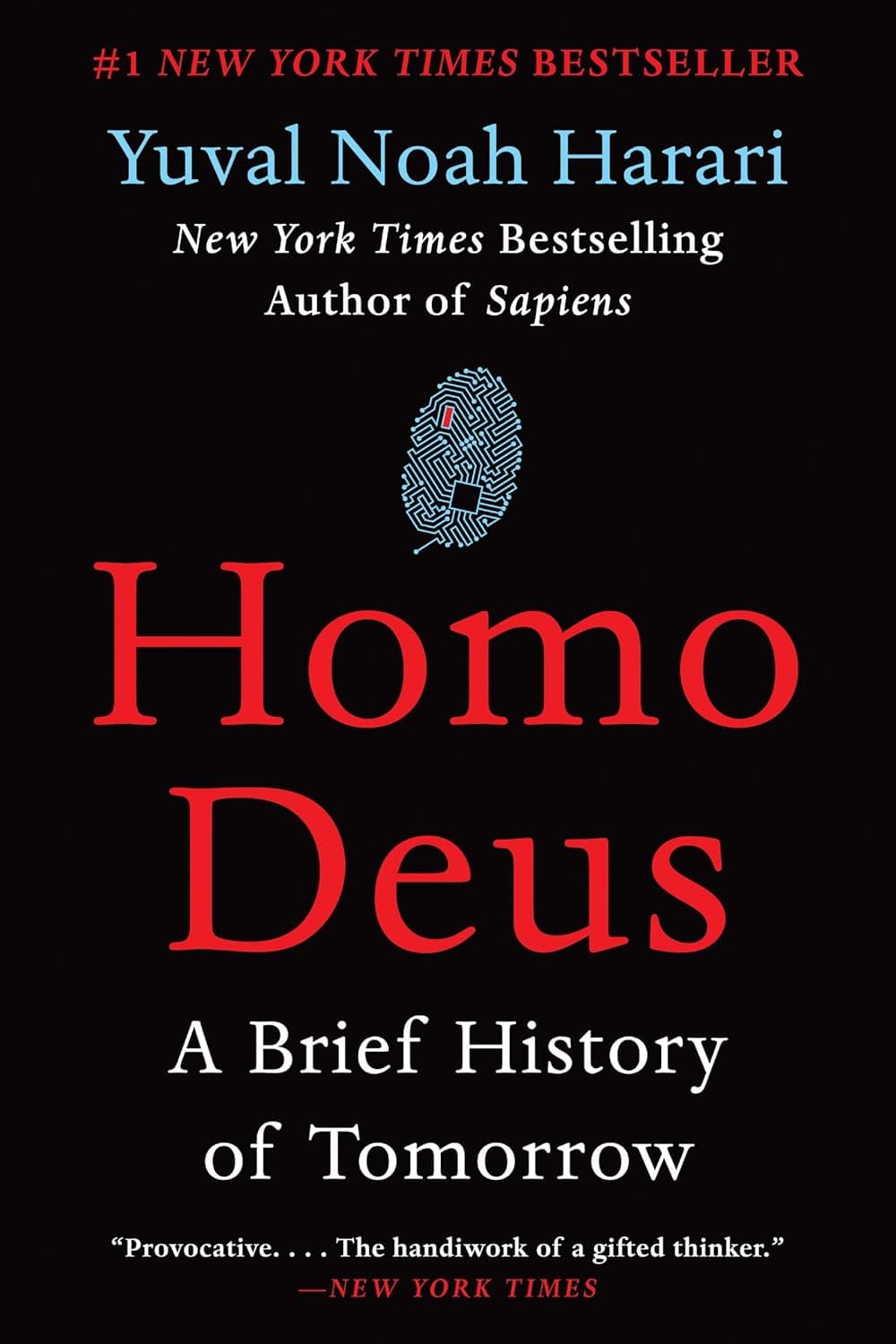
10 books like Homo Deus
The book identifies a genuine tension between humanist ideas of autonomous choice and technologies designed to predict, influence, or redesign behavior. If that is what you want more of after Homo Deus, these recommendations preserve that appeal in different ways, without pretending every similar book offers the same experience.
Start with our Homo Deus review by Yuval Noah Harari.

Choose by reading mood
Where to start
For the fastest read
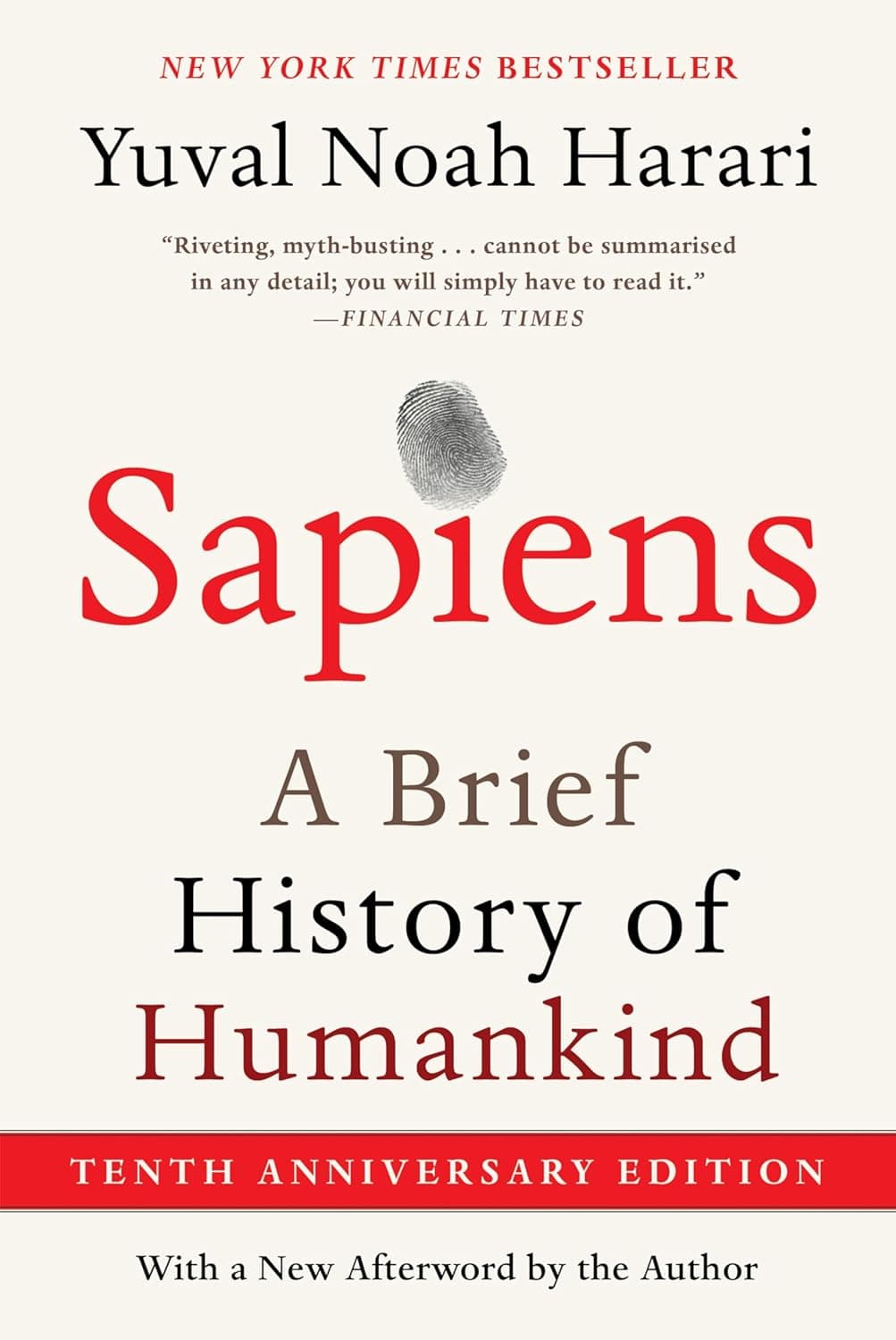
Sapiens
BalancedFor the gentlest option
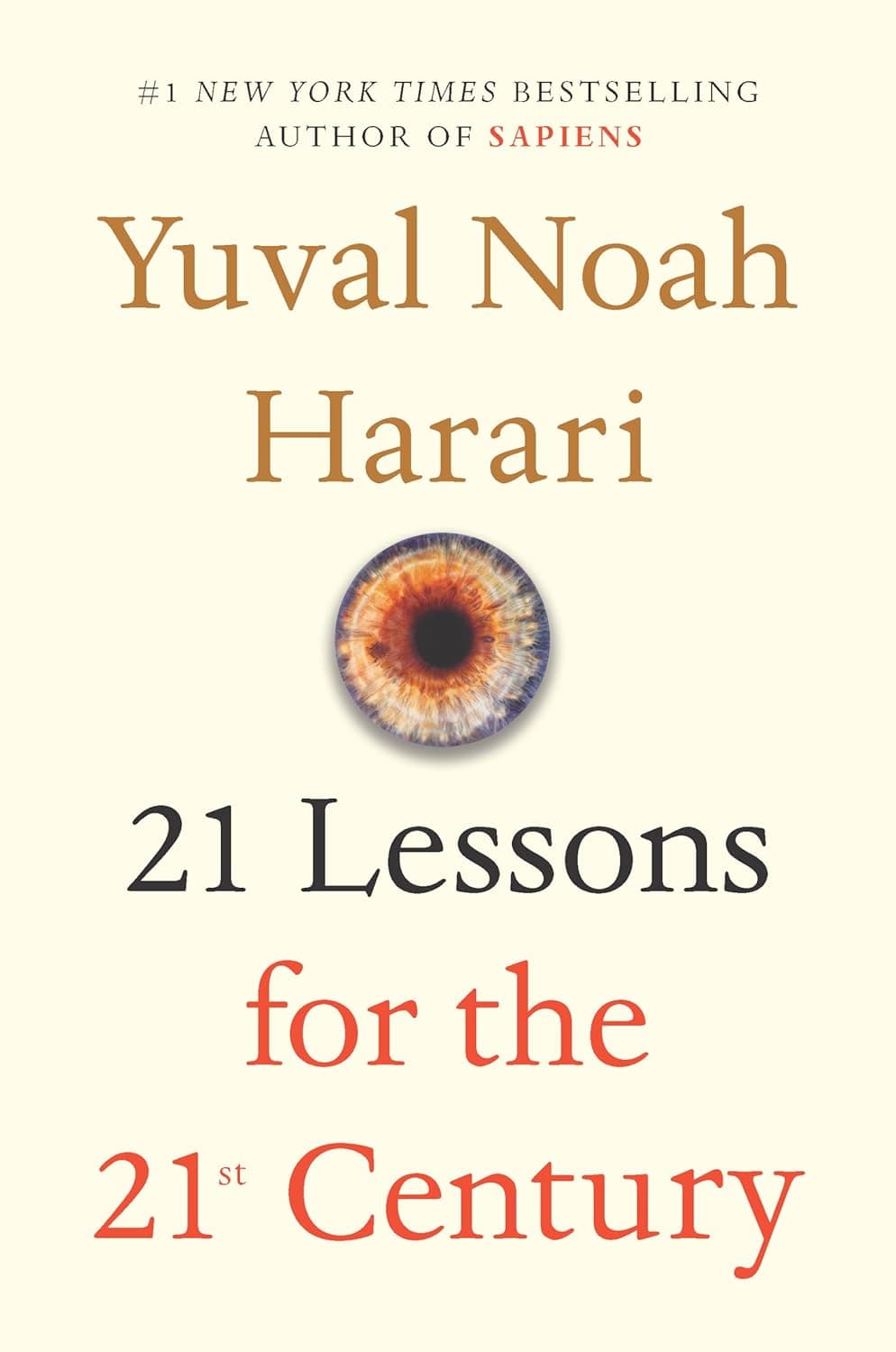
21 Lessons for the 21st Century
GentleFor minimal romance
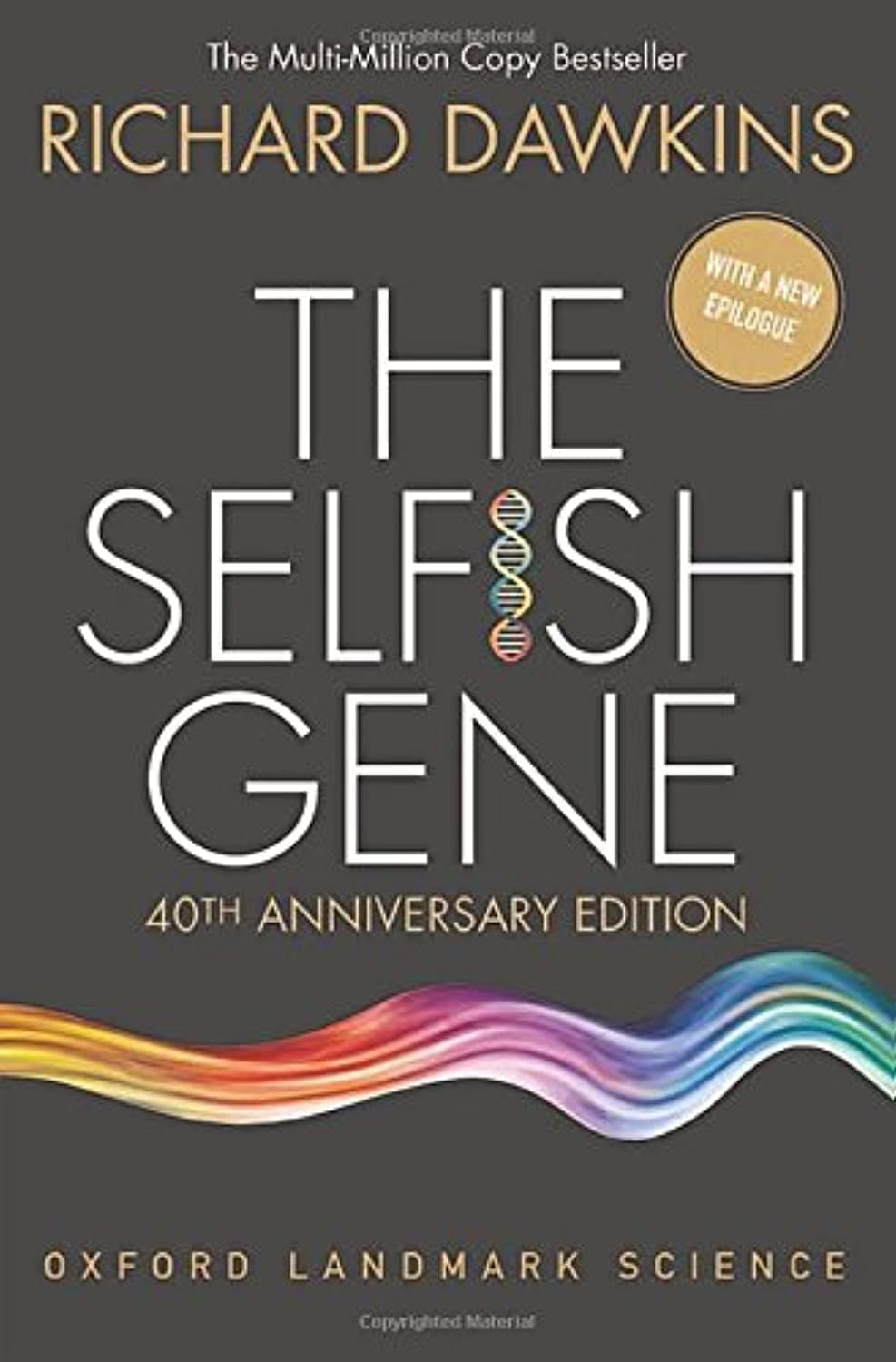
The Selfish Gene
MinimalFor the easiest entry
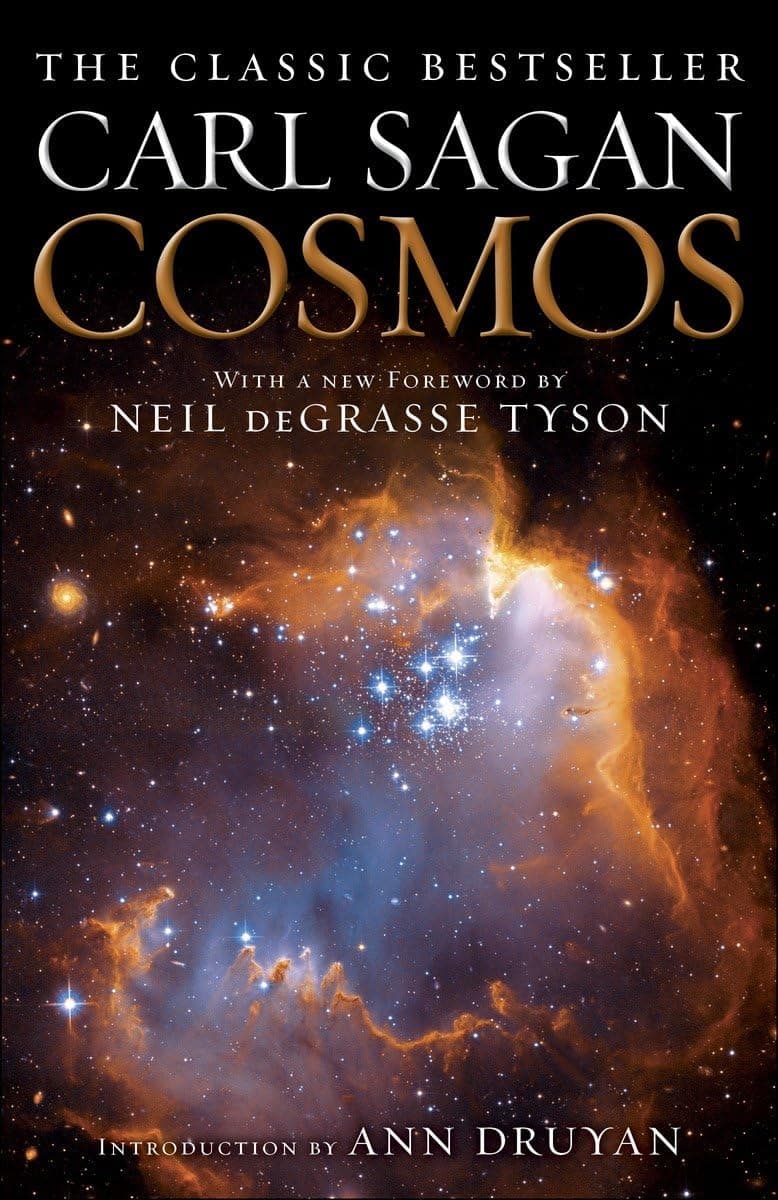
Cosmos
AccessibleThe full shortlist
Why each book belongs here
Each match is judged against Homo Deus, not merely placed beside it because the books share a broad genre label.
Sapiens
- Shared ground
- Both books make observation, missing information, and the search for an explanation part of the pleasure.
- What changes
- Sapiens is the stronger starting point because its historical synthesis supplies the assumptions Homo Deus projects forward.
- Best for
- General readers wanting a provocative historical overview and willing to verify its broad claims through more focused scholarship.
- Pace Balanced
- Darkness Gentle
- Romance Minimal
- Difficulty Moderate
21 Lessons for the 21st Century
- Shared ground
- Both books make observation, missing information, and the search for an explanation part of the pleasure.
- What changes
- 21 Lessons narrows the horizon to present political and technological problems, though it remains broad rather than practical.
- Best for
- Readers wanting accessible prompts about current global anxieties and comfortable treating the book as a conversation starter.
- Pace Balanced
- Darkness Gentle
- Romance Minimal
- Difficulty Moderate
The Selfish Gene
- Shared ground
- Both books explain scientific ideas through examples, argument, and narrative.
- What changes
- The Selfish Gene develops one scientific framework in greater depth and makes its evidentiary reasoning more visible.
- Best for
- General readers ready for a substantial, argument-driven introduction to evolution from the gene's-eye view.
- Pace Balanced
- Darkness Gentle
- Romance Minimal
- Difficulty Moderate
The Anxious Generation
- Shared ground
- Both books make observation, missing information, and the search for an explanation part of the pleasure.
- What changes
- The Anxious Generation is easier to enter than Homo Deus. Haidt joins individual family choices to school and policy coordination, explaining why parents cannot solve collective norms simply by exercising more discipline at home.
- Best for
- Parents, educators, and policymakers seeking a clear reform agenda and prepared to consult competing interpretations of the evidence.
- Pace Balanced
- Darkness Gentle
- Romance Minimal
- Difficulty Accessible
Guns, Germs, and Steel
- Shared ground
- Both books make observation, missing information, and the search for an explanation part of the pleasure.
- What changes
- Guns, Germs, and Steel is easier to enter than Homo Deus. Diamond redirects attention from supposed innate superiority toward crops, animals, disease, geography, and diffusion, giving readers a material vocabulary for unequal development.
- Best for
- Readers seeking a major historical thesis who are willing to pair it with critiques from historians, anthropologists, and Indigenous scholars.
- Pace Balanced
- Darkness Gentle
- Romance Minimal
- Difficulty Accessible
The Varieties of Scientific Experience
- Shared ground
- Both books make observation, missing information, and the search for an explanation part of the pleasure.
- What changes
- The Varieties of Scientific Experience has a similar overall reading load, but changes the emphasis. Sagan takes theological questions seriously while showing how cosmic scale, evolution, and the history of evidence alter the terms in which they can be asked.
- Best for
- Readers interested in science, religion, natural theology, and intellectually respectful disagreement.
- Pace Balanced
- Darkness Gentle
- Romance Minimal
- Difficulty Moderate
Cosmos
- Shared ground
- Both books explain scientific ideas through examples, argument, and narrative.
- What changes
- Cosmos is easier to enter than Homo Deus. Astronomy, evolution, history, and biography reinforce one another, showing how methods of inquiry change both what we know and the scale at which we understand ourselves.
- Best for
- Curious general readers and older teens wanting a humane, accessible route into astronomy, scientific history, and cosmic perspective.
- Pace Balanced
- Darkness Gentle
- Romance Minimal
- Difficulty Accessible
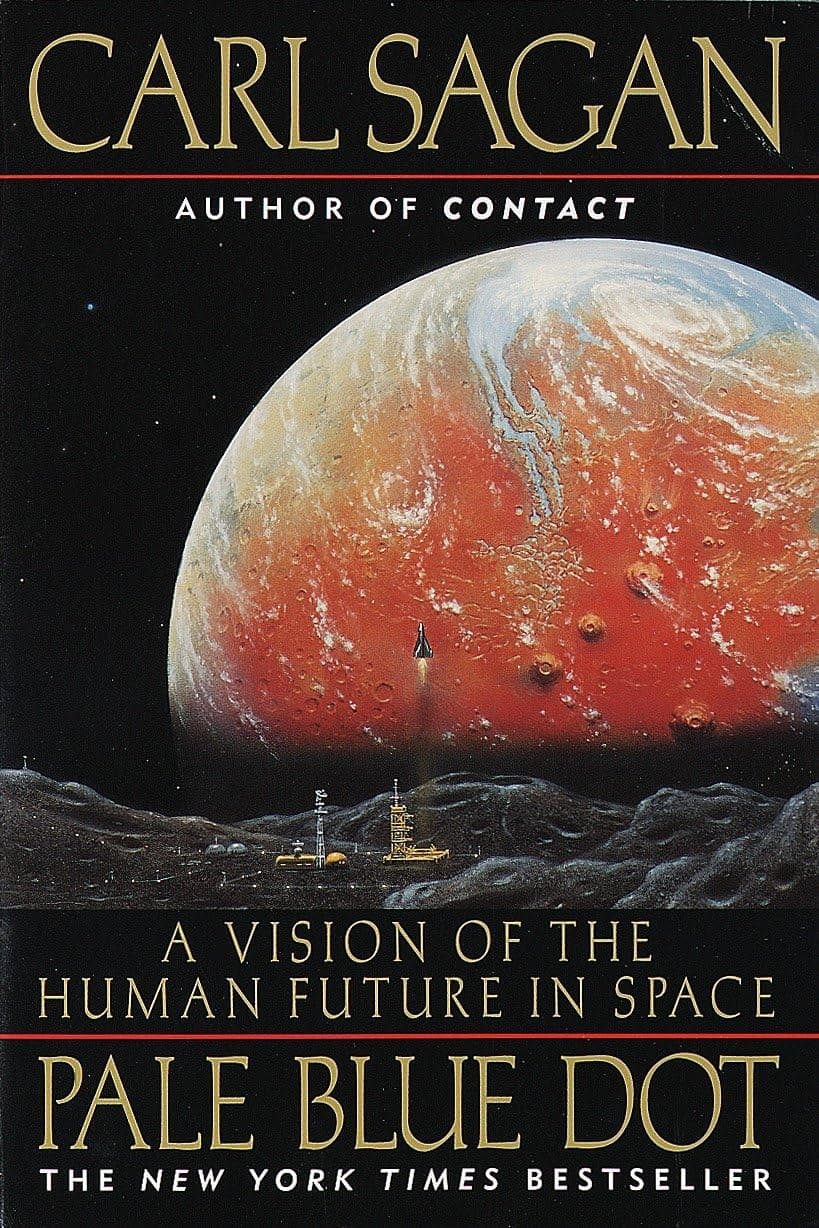
Pale Blue Dot
- Shared ground
- Both books explain scientific ideas through examples, argument, and narrative.
- What changes
- Pale Blue Dot has a similar overall reading load, but changes the emphasis. Sagan connects spacecraft history and planetary science to political perspective, asking what exploration is for rather than treating technical achievement as self-justifying.
- Best for
- Readers interested in space exploration, planetary science, and the moral implications of seeing Earth as one vulnerable world.
- Pace Balanced
- Darkness Gentle
- Romance Minimal
- Difficulty Moderate
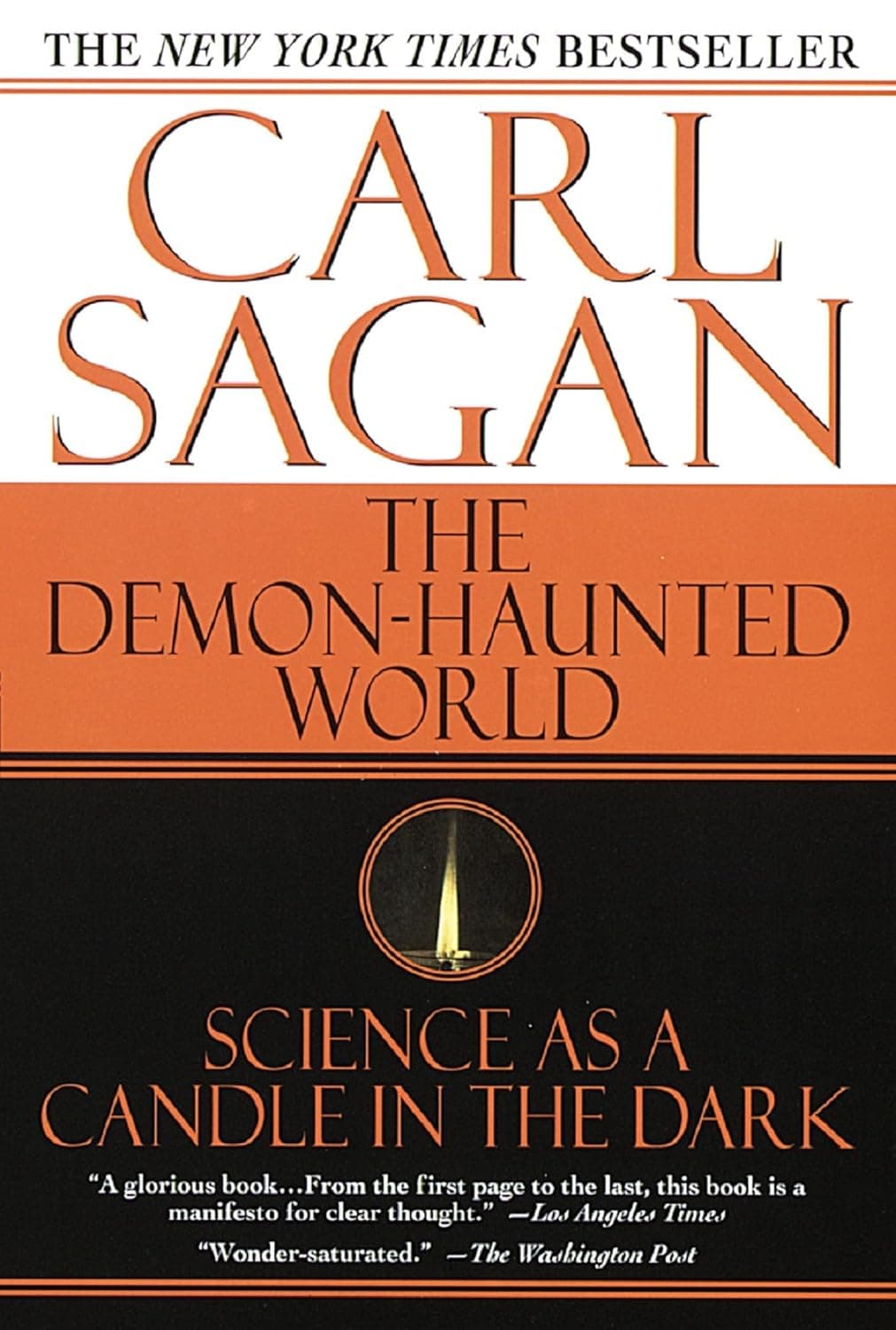
The Demon-Haunted World
- Shared ground
- Both books explain scientific ideas through examples, argument, and narrative.
- What changes
- The Demon-Haunted World is easier to enter than Homo Deus. The baloney-detection kit turns scientific habits into questions ordinary readers can use when confronting extraordinary claims, advertising, or political manipulation.
- Best for
- Readers wanting practical critical-thinking tools and a patient response to misinformation, pseudoscience, and scientific illiteracy.
- Pace Balanced
- Darkness Gentle
- Romance Minimal
- Difficulty Accessible
Replaceable You
- Shared ground
- Both books explain scientific ideas through examples, argument, and narrative.
- What changes
- Replaceable You is easier to enter than Homo Deus. Roach follows laboratories, procedures, failures, and patients closely enough to distinguish working medicine from optimistic publicity without draining the subject of wonder.
- Best for
- General readers interested in bodies, medical innovation, laboratory culture, and science writing with a comic voice.
- Pace Balanced
- Darkness Gentle
- Romance Minimal
- Difficulty Accessible
Side-by-side
Pace, darkness, romance, and difficulty
Use these labels as directional guidance. The individual notes above explain the tradeoffs.
| Book | Pace | Darkness | Romance | Difficulty |
|---|---|---|---|---|
| Homo Deus | Balanced | Gentle | Minimal | Moderate |
| Sapiens | Balanced | Gentle | Minimal | Moderate |
| 21 Lessons for the 21st Century | Balanced | Gentle | Minimal | Moderate |
| The Selfish Gene | Balanced | Gentle | Minimal | Moderate |
| The Anxious Generation | Balanced | Gentle | Minimal | Accessible |
| Guns, Germs, and Steel | Balanced | Gentle | Minimal | Accessible |
| The Varieties of Scientific Experience | Balanced | Gentle | Minimal | Moderate |
| Cosmos | Balanced | Gentle | Minimal | Accessible |
| Pale Blue Dot | Balanced | Gentle | Minimal | Moderate |
| The Demon-Haunted World | Balanced | Gentle | Minimal | Accessible |
| Replaceable You | Balanced | Gentle | Minimal | Accessible |
Keep exploring
Explore another Books Like guide
Start from another familiar book and compare a new set of reading paths.