Review summary
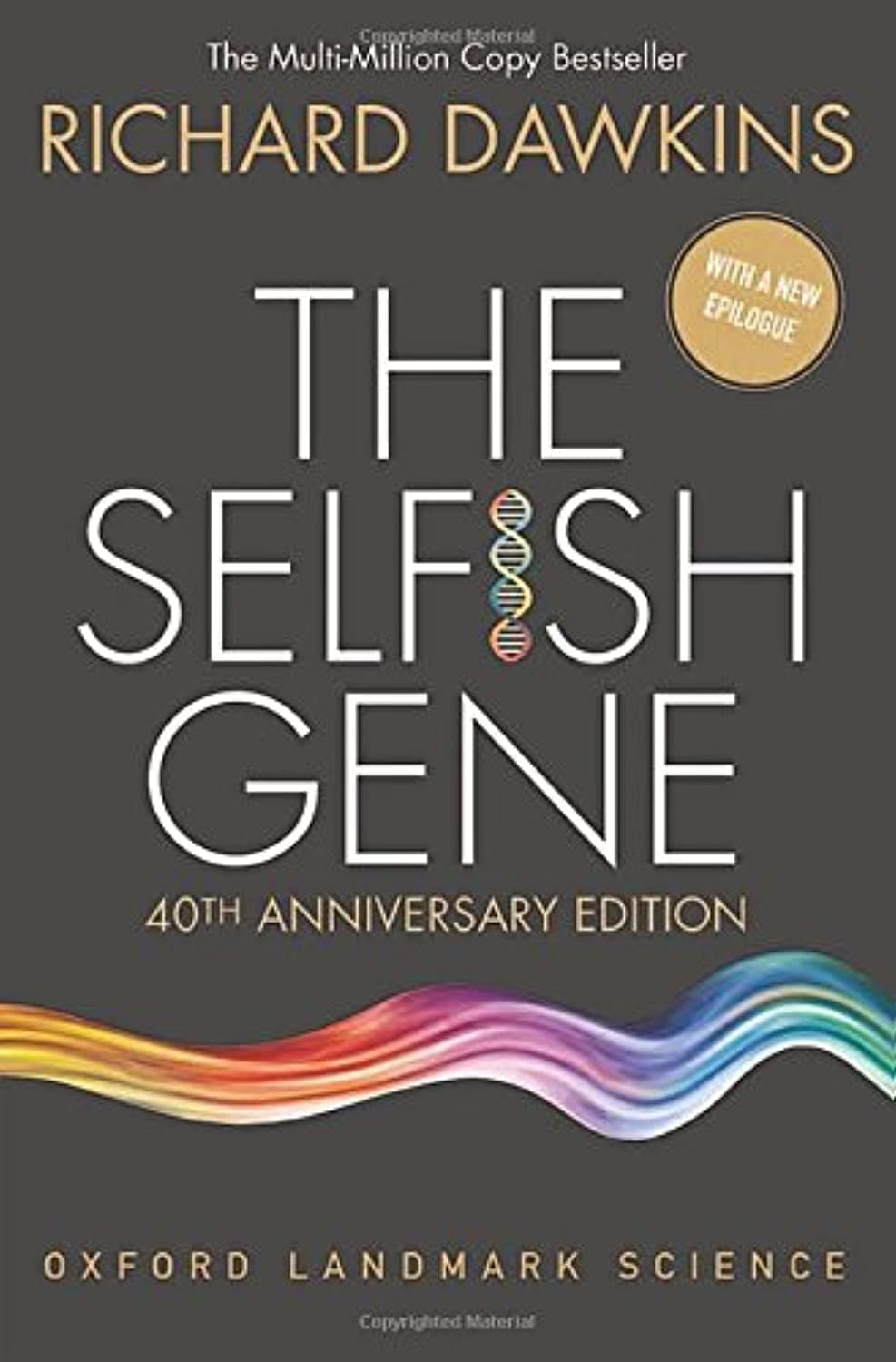
This spoiler free review of The Selfish Gene by Richard Dawkins walks through why this narrative nonfiction book that a classic on genes and evolution still hooks readers. This Selfish Gene review looks at Dawkins's gene centered view of evolution, how apparently selfish replicators can produce cooperation and altruism, and why this classic still matters if you are curious about human nature and biology.
Full review
This spoiler free review of The Selfish Gene by Richard Dawkins focuses on the central idea: evolution seen from the point of view of genes rather than whole species or individual animals. Dawkins asks you to imagine genes as tiny units of information competing to be copied, with bodies as survival machines built to carry them. The tone is confident and sometimes provocative, but the explanations are aimed at curious general readers instead of professional biologists.
Across the chapters he explains how natural selection acts on genes, why close relatives are more likely to help one another, and how apparently selfless acts like alarm calls or worker animals that never reproduce can still emerge from gene level competition. Concepts such as kin selection, evolutionary stable strategies, and inclusive fitness are unpacked with thought experiments and animal case studies, so you can follow the logic even if you have never taken a formal course in biology.
If you are coming from books like Sapiens or Homo Deus and wondering whether The Selfish Gene is still worth reading in 2025 as your first serious dive into evolution, the short answer is yes. Some details and examples show their age, and later research has refined parts of the story, but the gene centered way of thinking about evolution remains a foundation for how many scientists talk about behavior, cooperation, and conflict in nature.
Dawkins also spends time on ideas that leaked into wider culture, like memes as units of cultural imitation, and his sharp criticism of group selection. He contrasts a gene focused view of evolution with the more intuitive idea that species evolve “for the good of the group”, and shows with simple arguments why selection at the level of genes usually explains the data better. For non scientists this reads like a friendly debate that gradually clears up why selfish genes can still build cooperative societies.
The writing style is brisk, full of analogies, and laced with dry humor, which keeps the book readable even when the arguments become technical. Whether you end up agreeing with every claim or not, The Selfish Gene works as a long conversation about why living things look and behave the way they do. If you enjoyed the big picture history and future speculation in Sapiens and Homo Deus, this Selfish Gene review points you toward the more microscopic layer where those stories begin: the quiet competition of DNA across generations.
The Selfish Gene Review Highlights
Clear explanations of gene centered evolution that reframe altruism, cooperation, and competition in terms of information being copied.
Engaging examples and thought experiments that make ideas like inclusive fitness and reciprocal altruism feel intuitive rather than abstract.
Cultural impact through concepts such as selfish genes and memes, which still shape how people talk about human nature and evolution today.
Who Should Read The Selfish Gene
Readers who enjoyed big idea non fiction like Sapiens or Homo Deus and now want a deeper look at how evolution actually works at the biological level.
Curious teens and adults who are comfortable with some technical vocabulary but prefer clear prose, concrete examples, and a strong narrative voice.
Book clubs and discussion groups interested in debating what evolution says, and does not say, about selfishness, cooperation, and moral choices.
Helpful Resources for Evolution Readers
Pair The Selfish Gene with broad history and future focused books to see how gene level processes connect to large scale human stories.
Look up short introductions to kin selection and evolutionary game theory if you want extra diagrams or visual aids while reading key chapters.
After finishing, compare Dawkins's arguments with more recent popular science on evolution to see which ideas have been strengthened, revised, or challenged.
Key ideas
- Evolution can be easier to understand if you think in terms of genes competing to be copied, rather than species or groups acting for a common good.
- Behaviors that look altruistic are often explained by kin selection and reciprocity, because helping relatives or trading favors can still help the same genes spread.
- Human culture follows some of the same logic through memes, ideas that replicate by being memorable and easy to pass from one mind to another.
If you liked this, read next
FAQ
- What is The Selfish Gene about?
- The Selfish Gene by Richard Dawkins is a popular science book that explains evolution from the perspective of genes, showing how tiny units of heredity compete to be copied and how that competition can produce both selfish and cooperative behavior in animals, including humans.
- Is The Selfish Gene still worth reading in 2025?
- Yes. Some examples are dated and later research has added nuance, but The Selfish Gene remains one of the clearest introductions to gene centered evolution. It is still a strong starting point for beginners who are willing to take their time with a few dense chapters.
- How does The Selfish Gene compare to books like Sapiens and Homo Deus?
- Where Sapiens and Homo Deus focus on human history, culture, and possible futures, The Selfish Gene dives into the biological engine underneath those stories. Readers who enjoyed Harari's big picture arguments will find that Dawkins gives them the tools to think more precisely about genes, selection, and cooperation.
- What does The Selfish Gene say about group selection?
- The book argues that most evolutionary change is better explained by selection acting on genes rather than on whole groups or species. Dawkins uses simple scenarios to show why traits that help genes to spread can win out even when they do not obviously benefit a group, while still allowing for limited forms of altruism through kin selection and reciprocity.
Reader-focused angles
This review intentionally answers longer questions readers often ask, such as the selfish gene by richard dawkins overview and main ideas about gene centered evolution and altruism, the selfish gene reading level, age recommendation and whether it is still worth reading in 2025 for beginners in evolution, books like the selfish gene for readers of sapiens, homo deus and other big picture non fiction on humans and evolution, and selfish gene vs group selection simple explanation for non scientists, including memes, kin selection and reciprocal altruism, so the guidance fits naturally into the analysis instead of living in a keyword list.
Each section of the review is written to speak directly to those searches, making it easier for book clubs, educators, and new readers to find the specific perspectives they need.
Reading guide
- Keep a list of each example of animal altruism in the book, and note how Dawkins explains it using gene level selection instead of group benefit.
- Pause when you reach concepts like inclusive fitness, evolutionary stable strategies, and memes, and try to restate each one in your own words or a simple diagram.
- If you have read Sapiens or Homo Deus, compare how those books describe human cooperation and future evolution with the gene centered view you see in The Selfish Gene.
As an Amazon Associate, I earn from qualifying purchases.