What to read next
10 books like Bury Our Bones in the Midnight Soil
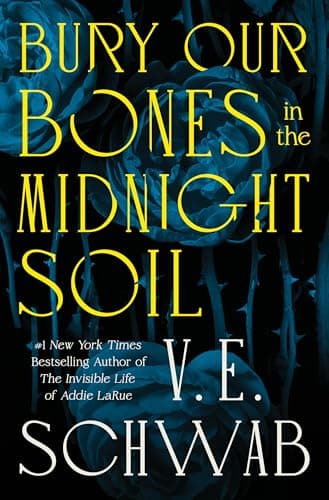
María, Charlotte, and Alice make immortality mean something different in each century, allowing desire, reinvention, predation, and loneliness to echo without collapsing into one moral. If that is what you want more of after Bury Our Bones in the Midnight Soil, these recommendations preserve that appeal in different ways, without pretending every similar book offers the same experience.
Start with our Bury Our Bones in the Midnight Soil review by V. E. Schwab.

Choose by reading mood
Where to start
For the fastest read
A Sorceress Comes to Call
BalancedFor the darkest read
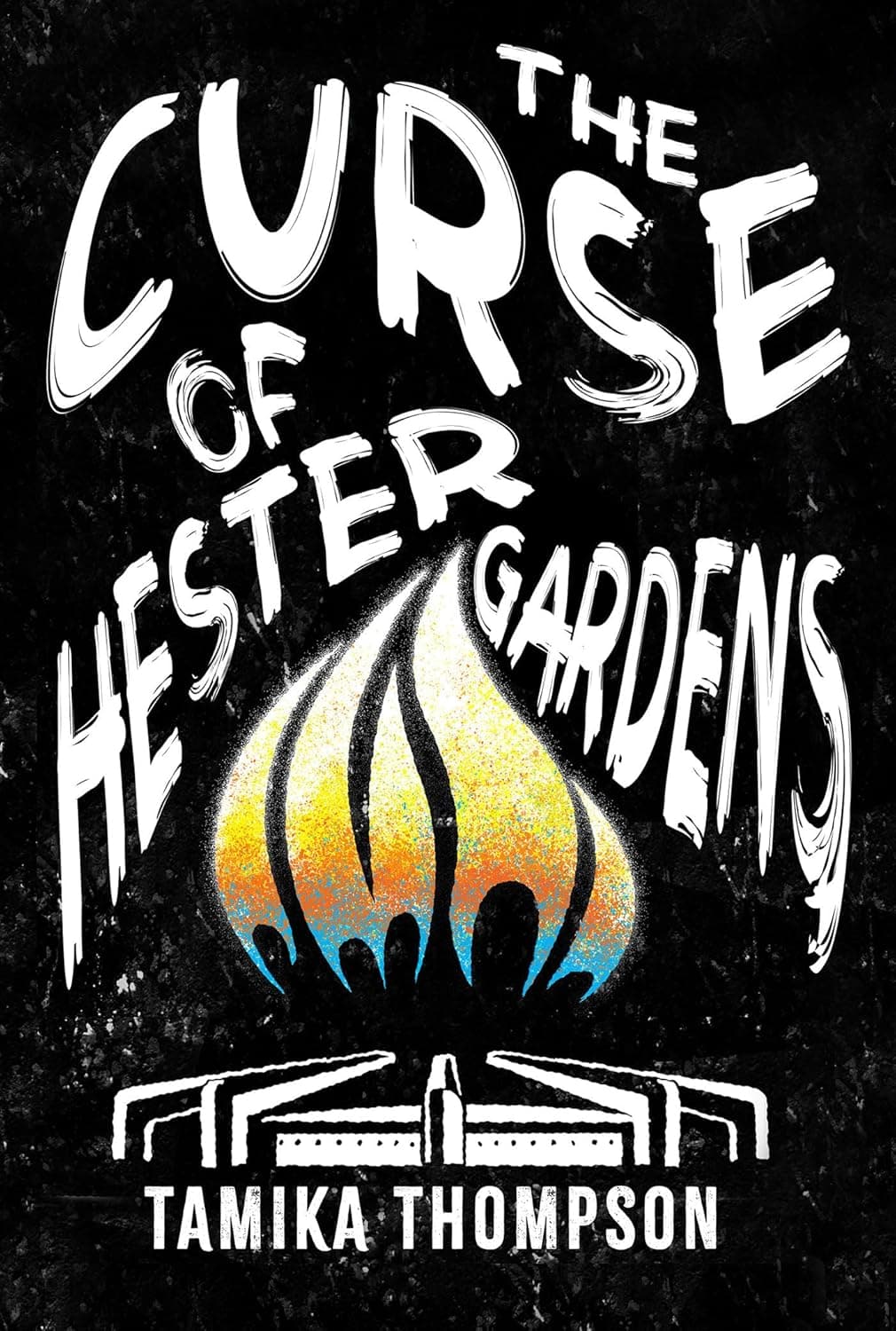
The Curse of Hester Gardens
Very darkFor minimal romance
Dracula
MinimalFor the easiest entry
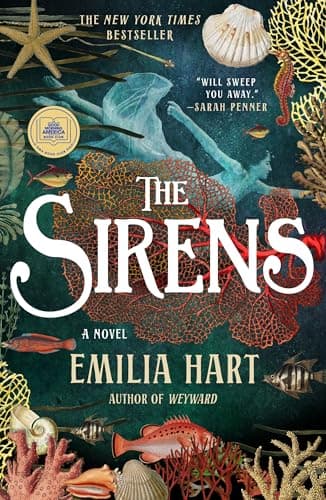
The Sirens
AccessibleThe full shortlist
Why each book belongs here
Each match is judged against Bury Our Bones in the Midnight Soil, not merely placed beside it because the books share a broad genre label.
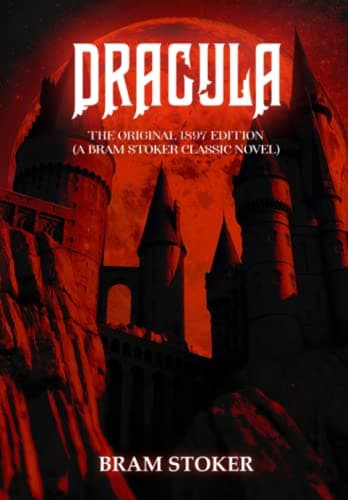
Dracula
- Shared ground
- Both books build unease from a threat the characters cannot safely understand at first.
- What changes
- Dracula treats the vampire as an external invasive threat through documents and pursuit; Schwab centers the women who become hungry and lets desire shape the history.
- Best for
- Readers willing to accept Victorian pacing for Gothic atmosphere, epistolary suspense, and the source of countless vampire conventions.
- Pace Slow burn
- Darkness Dark
- Romance Minimal
- Difficulty Moderate
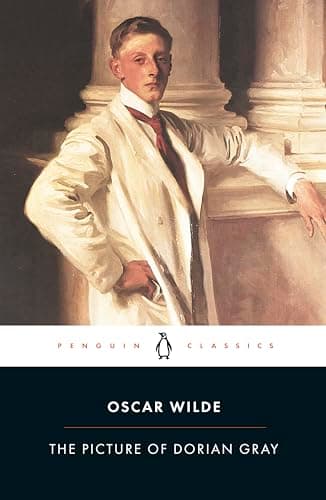
The Picture of Dorian Gray
- Shared ground
- Both books build unease from a threat the characters cannot safely understand at first.
- What changes
- Dorian Gray is shorter and sharper about beauty, influence, and hidden corruption; Bury Our Bones gives immortality a wider female and historical range.
- Best for
- Readers who enjoy Gothic corruption, social wit, queer subtext, and novels suspicious of their own beautiful surfaces.
- Pace Balanced
- Darkness Dark
- Romance Minimal
- Difficulty Moderate
The Sirens
- Shared ground
- Both books build unease from a threat the characters cannot safely understand at first.
- What changes
- The Sirens also links women across time through bodily folklore, but favors family mystery and the sea over predation and erotic hunger.
- Best for
- Readers of atmospheric women's fiction wanting sisters, Australian coast, historical timelines, sea folklore, family inheritance, and light speculative horror.
- Pace Balanced
- Darkness Moderate
- Romance Light subplot
- Difficulty Accessible
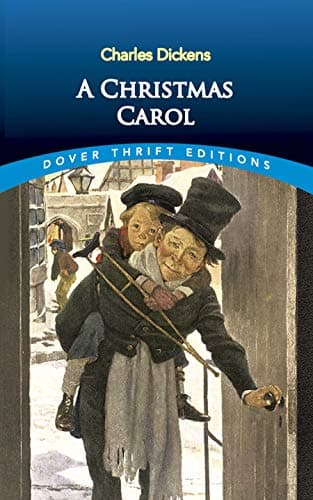
A Christmas Carol
- Shared ground
- Both books force characters to solve immediate physical problems before larger ideals can matter.
- What changes
- A Christmas Carol is gentler than Bury Our Bones in the Midnight Soil. The book turns an argument about generosity into a physical experience.
- Best for
- Newcomers to Dickens, families comfortable with ghostly imagery, and rereaders who want more social anger than most adaptations preserve.
- Pace Balanced
- Darkness Gentle
- Romance Minimal
- Difficulty Moderate
The Silmarillion
- Shared ground
- Both books use long spans of time or altered chronology as part of the story rather than decoration.
- What changes
- The Silmarillion is more measured, gentler, and more demanding than Bury Our Bones in the Midnight Soil. Recurring jewels, oaths, names, lineages, and doomed refuges create cumulative tragedy, while the creation music gives conflict a metaphysical shape without making evil necessary.
- Best for
- Committed Middle-earth readers who enjoy mythology, tragic history, invented languages, and repeated reading more than conventional character access.
- Pace Measured
- Darkness Gentle
- Romance Minimal
- Difficulty Moderate
The Curse of Hester Gardens
- Shared ground
- Both books build unease from a threat the characters cannot safely understand at first.
- What changes
- The Curse of Hester Gardens is darker than Bury Our Bones in the Midnight Soil. The house's unstable geography, inherited records, and buried violence create sustained unease, while the family history gives the supernatural threat emotional roots.
- Best for
- Gothic-horror readers who prefer inherited secrets, oppressive houses, family trauma, slow dread, and supernatural violence to constant jump scares.
- Pace Balanced
- Darkness Very dark
- Romance Minimal
- Difficulty Accessible
A Sorceress Comes to Call
- Shared ground
- Both books force characters to solve immediate physical problems before larger ideals can matter.
- What changes
- A Sorceress Comes to Call has a similar overall reading load, but changes the emphasis. Cordelia's bodily loss of control is frightening without spectacle, while Hester's practical intelligence gives resistance a social and emotional method.
- Best for
- Readers wanting dark fairy-tale revision, coercive-control horror, older heroines, and humane humor.
- Pace Balanced
- Darkness Dark
- Romance Minimal
- Difficulty Accessible
Tales from the Perilous Realm
- Shared ground
- Both books treat art, music, or storytelling as an active way of understanding the world.
- What changes
- Tales from the Perilous Realm is gentler than Bury Our Bones in the Midnight Soil. The collection makes smallness productive: a farmer, painter, village, or traveler can carry questions about art, courage, possession, and escape.
- Best for
- Readers wanting Tolkien's shorter, stranger, and often funnier work in one substantial volume.
- Pace Balanced
- Darkness Gentle
- Romance Minimal
- Difficulty Moderate
Leaf by Niggle
- Shared ground
- Both books treat art, music, or storytelling as an active way of understanding the world.
- What changes
- Leaf by Niggle is gentler than Bury Our Bones in the Midnight Soil. Niggle's painting and his obligations to Parish remain genuinely competing goods, preventing the story from flattering either artistic selfishness or bureaucratic utility.
- Best for
- Artists, Tolkien readers, and anyone drawn to brief philosophical fantasy about incompletion and grace.
- Pace Balanced
- Darkness Gentle
- Romance Minimal
- Difficulty Moderate
Tree and Leaf
- Shared ground
- Both books treat art, music, or storytelling as an active way of understanding the world.
- What changes
- Tree and Leaf is more measured, gentler, and more demanding than Bury Our Bones in the Midnight Soil. On Fairy-Stories defends escape, recovery, and consolation with rigor, while Leaf by Niggle turns artistic incompletion and obligation into lived narrative.
- Best for
- Readers interested in Tolkien's artistic philosophy, fairy-story criticism, and one of his finest short fictions.
- Pace Measured
- Darkness Gentle
- Romance Minimal
- Difficulty Moderate
Side-by-side
Pace, darkness, romance, and difficulty
Use these labels as directional guidance. The individual notes above explain the tradeoffs.
| Book | Pace | Darkness | Romance | Difficulty |
|---|---|---|---|---|
| Bury Our Bones in the Midnight Soil | Balanced | Dark | Minimal | Accessible |
| Dracula | Slow burn | Dark | Minimal | Moderate |
| The Picture of Dorian Gray | Balanced | Dark | Minimal | Moderate |
| The Sirens | Balanced | Moderate | Light subplot | Accessible |
| A Christmas Carol | Balanced | Gentle | Minimal | Moderate |
| The Silmarillion | Measured | Gentle | Minimal | Moderate |
| The Curse of Hester Gardens | Balanced | Very dark | Minimal | Accessible |
| A Sorceress Comes to Call | Balanced | Dark | Minimal | Accessible |
| Tales from the Perilous Realm | Balanced | Gentle | Minimal | Moderate |
| Leaf by Niggle | Balanced | Gentle | Minimal | Moderate |
| Tree and Leaf | Measured | Gentle | Minimal | Moderate |
Keep exploring
Explore another Books Like guide
Start from another familiar book and compare a new set of reading paths.