What to read next
10 books like The Sentence
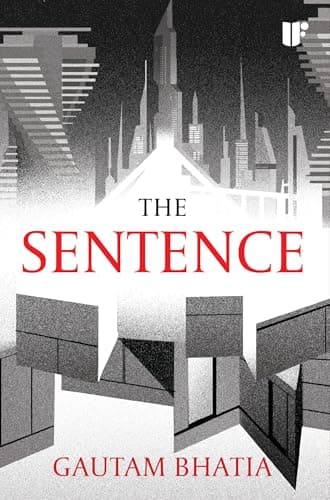
Bhatia makes institutional procedure part of the moral danger, showing how officials can administer an extraordinary sentence through ordinary professional language. If that is what you want more of after The Sentence, these recommendations preserve that appeal in different ways, without pretending every similar book offers the same experience.
Start with our The Sentence review by Gautam Bhatia.

Choose by reading mood
Where to start
For the fastest read
Deception Point
BriskFor the darkest read
The Trial
DarkFor minimal romance
The Handmaid's Tale
MinimalFor the easiest entry
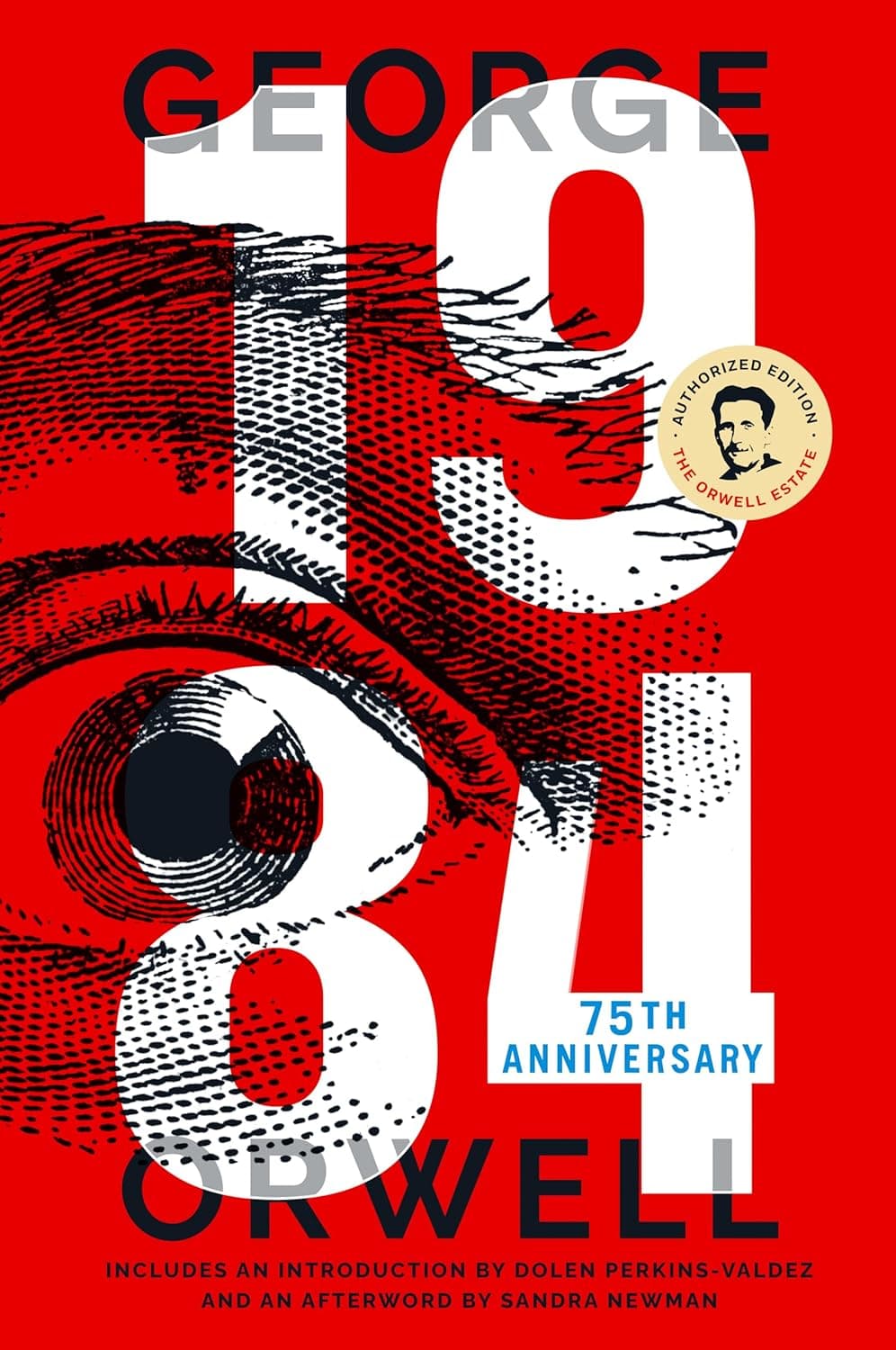
1984
AccessibleThe full shortlist
Why each book belongs here
Each match is judged against The Sentence, not merely placed beside it because the books share a broad genre label.
The Trial
- Shared ground
- Both books treat power as a system of competing interests rather than a single villain.
- What changes
- The Trial makes procedure surreal and unknowable; The Sentence explains its institution more clearly so the moral problem lies in authorized power rather than pure absurdity.
- Best for
- Readers comfortable with unfinished edges, black comedy, sexual unease, and a legal nightmare that refuses a stable explanation.
- Pace Balanced
- Darkness Dark
- Romance Minimal
- Difficulty Moderate
1984
- Shared ground
- Both books treat power as a system of competing interests rather than a single villain.
- What changes
- 1984 depicts a total state remaking truth and identity, while Bhatia isolates one legal technology and examines the arguments used to legitimize it.
- Best for
- Readers interested in propaganda, surveillance, political language, and dystopias that offer pressure rather than escapism.
- Pace Balanced
- Darkness Moderate
- Romance Minimal
- Difficulty Accessible
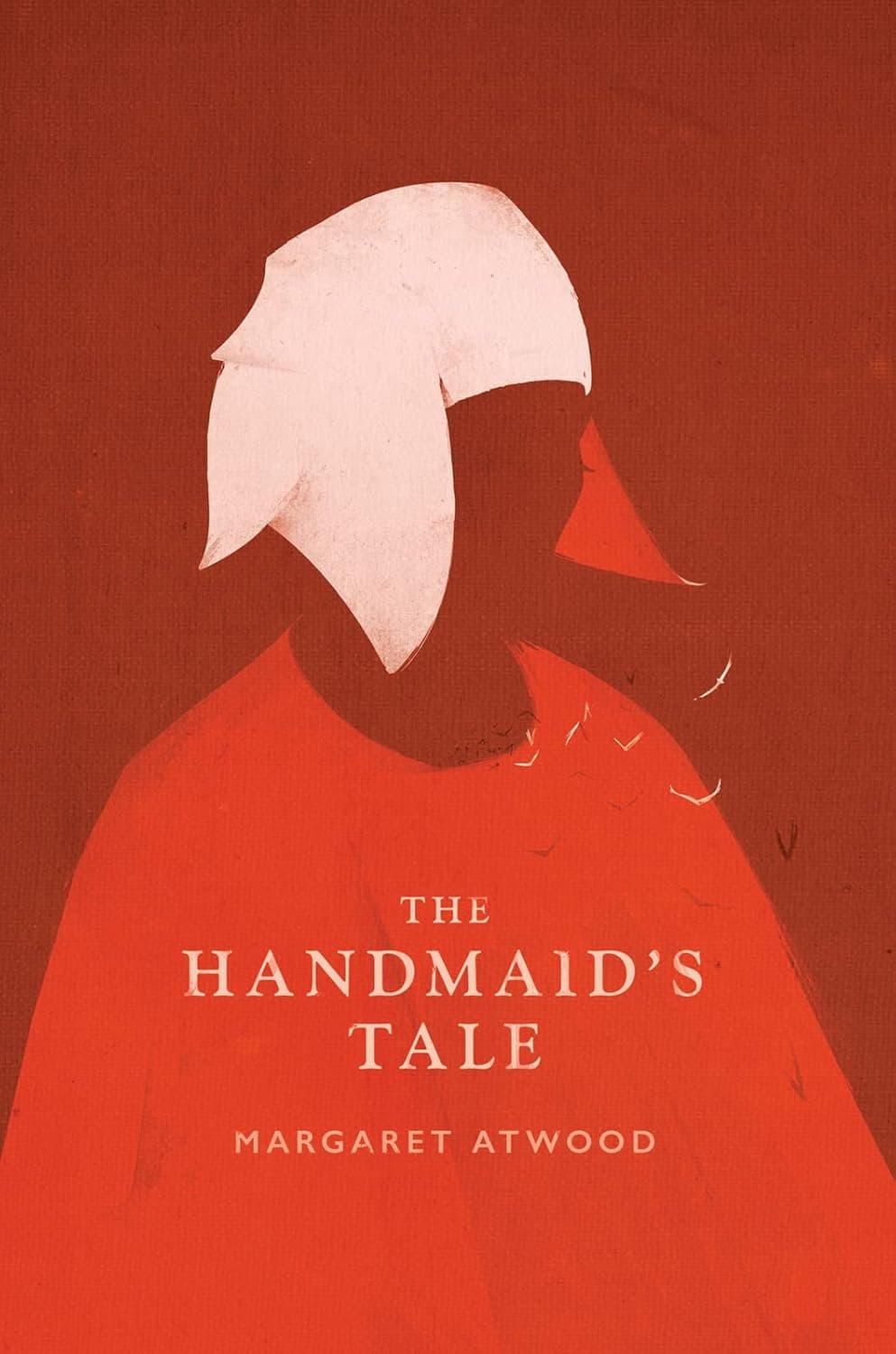
The Handmaid's Tale
- Shared ground
- Both books treat power as a system of competing interests rather than a single villain.
- What changes
- The Handmaid's Tale builds oppression through intimate testimony and gendered control; The Sentence is cooler, more juridical, and centered on punishment.
- Best for
- Readers interested in reproductive control, memory, religious authoritarianism, and narrators whose uncertainty is part of their resistance.
- Pace Measured
- Darkness Moderate
- Romance Minimal
- Difficulty Moderate
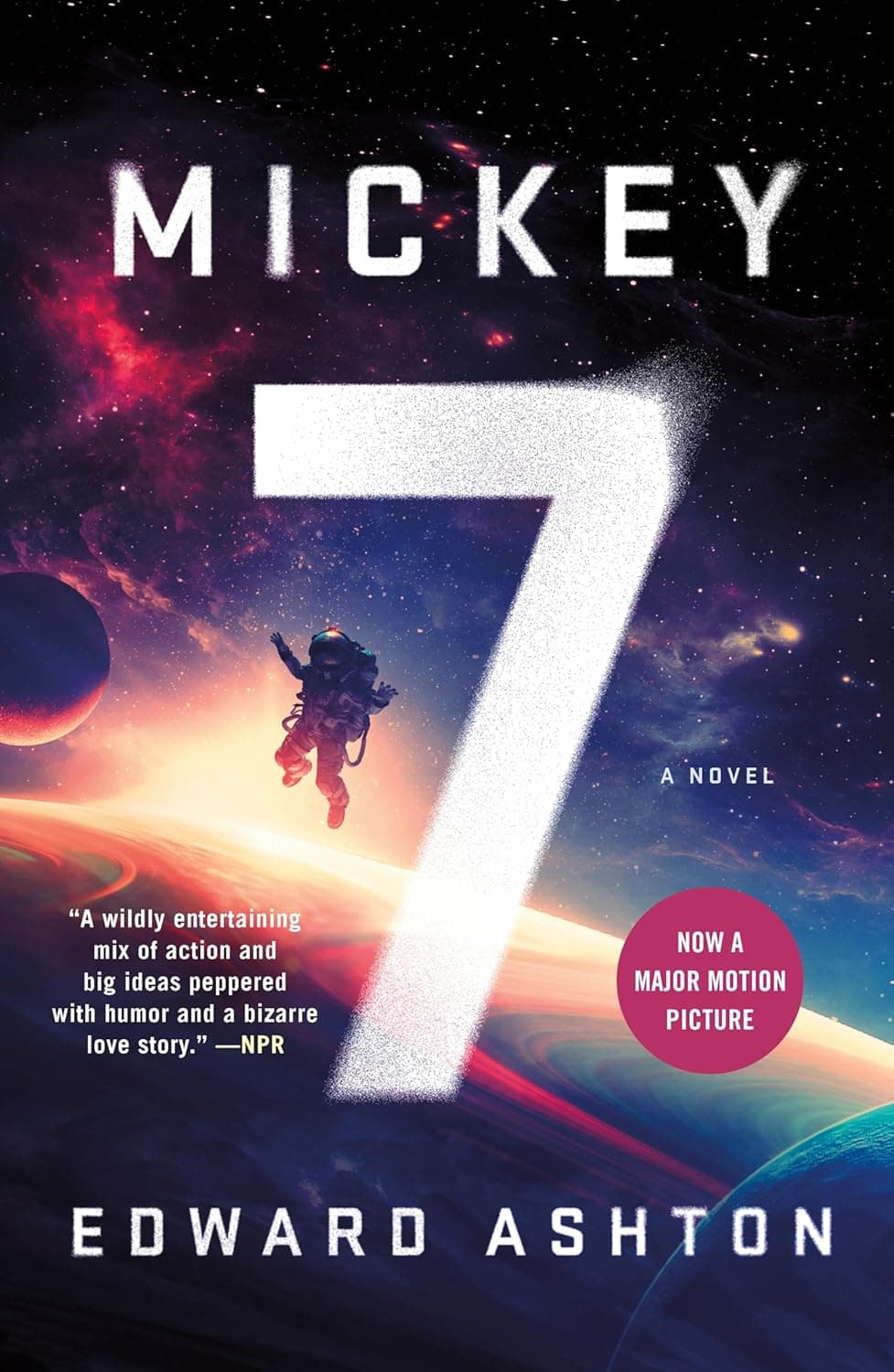
Mickey7
- Shared ground
- Both books turn technical knowledge into choices with personal consequences.
- What changes
- Mickey7 has a similar overall reading load, but changes the emphasis. Mickey's weary narration makes cloning philosophy immediate, and the duplicate problem forces abstract questions about continuity into an awkward fight over food, shelter, and legal personhood.
- Best for
- Science-fiction readers wanting cloning, hostile-planet survival, corporate exploitation, existential questions, and dark humor in a compact standalone story.
- Pace Balanced
- Darkness Moderate
- Romance Minimal
- Difficulty Accessible
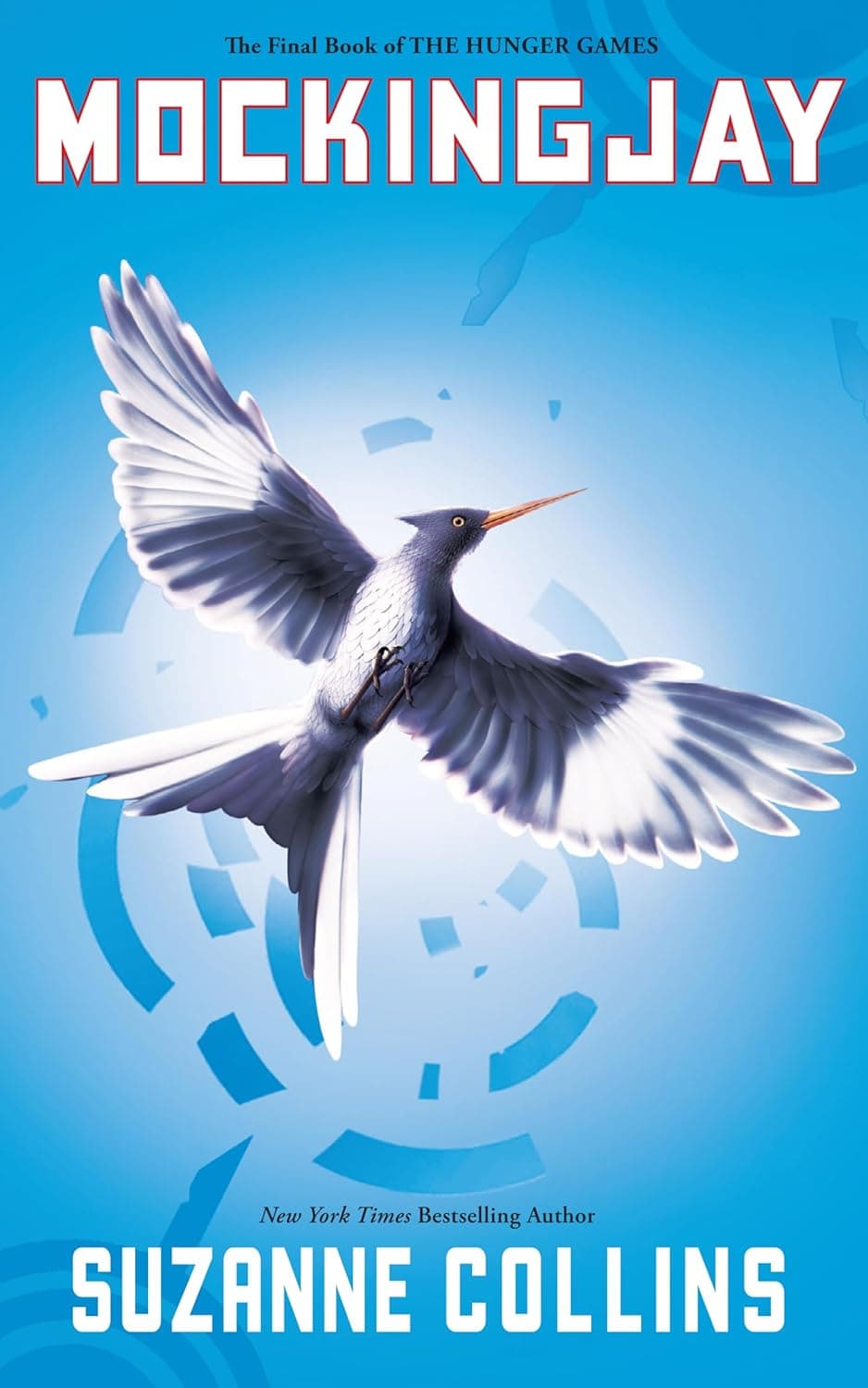
The Hunger Games
- Shared ground
- Both books treat power as a system of competing interests rather than a single villain.
- What changes
- The Hunger Games has a similar overall reading load, but changes the emphasis. Food, gifts, costume, sponsors, alliances, and romance all operate as material strategy, making spectacle inseparable from political power.
- Best for
- Teens and adults wanting fast dystopian suspense, political spectacle, survival, violence, and a guarded protagonist.
- Pace Balanced
- Darkness Moderate
- Romance Minimal
- Difficulty Accessible
Golden Son
- Shared ground
- Both books treat power as a system of competing interests rather than a single villain.
- What changes
- Golden Son is darker than The Sentence. Fleet tactics, political houses, friendships, and revolutionary secrecy make every victory vulnerable to the identity Darrow cannot fully share.
- Best for
- Red Rising readers ready for space battles, political betrayal, friendship under secrecy, and relentless escalation.
- Pace Balanced
- Darkness Dark
- Romance Minimal
- Difficulty Accessible
Catching Fire
- Shared ground
- Both books treat power as a system of competing interests rather than a single villain.
- What changes
- Catching Fire is more measured than The Sentence. The victory tour reveals district anger, the Quarter Quell changes alliance dynamics, and Katniss's incomplete knowledge keeps rebellion dangerous rather than triumphant.
- Best for
- Readers continuing the trilogy who want broader rebellion, stronger alliances, and another tightly designed arena.
- Pace Balanced
- Darkness Moderate
- Romance Minimal
- Difficulty Accessible
Red Rising
- Shared ground
- Both books treat power as a system of competing interests rather than a single villain.
- What changes
- Red Rising has a similar overall reading load, but changes the emphasis. Darrow's bodily transformation, hidden identity, Institute alliances, and tactical learning make infiltration emotionally and physically costly.
- Best for
- Readers wanting violent caste rebellion, hidden identity, academy warfare, fast tactics, and Roman-inspired space society.
- Pace Balanced
- Darkness Moderate
- Romance Minimal
- Difficulty Accessible
Deception Point
- Shared ground
- Both books treat power as a system of competing interests rather than a single villain.
- What changes
- Deception Point has a similar overall reading load, but changes the emphasis. The meteorite, ice shelf, remote team, satellite evidence, election pressure, and military pursuit create several ways scientific truth can be manipulated.
- Best for
- Readers wanting a standalone Brown thriller with Arctic survival, NASA, election politics, and a large government secret.
- Pace Brisk
- Darkness Moderate
- Romance Minimal
- Difficulty Accessible
The Compound
- Shared ground
- Both books use speculative ideas to place human choices under unfamiliar pressure.
- What changes
- The Compound has a similar overall reading load, but changes the emphasis. Lily's willingness to remain inside the game prevents easy moral distance, and the exchange of basic necessities for performance turns familiar television rituals into coercion.
- Best for
- Readers of dystopian satire, social horror, reality-TV critique, surveillance fiction, and morally compromised narrators who want an addictive rather than austere novel.
- Pace Balanced
- Darkness Moderate
- Romance Minimal
- Difficulty Accessible
Side-by-side
Pace, darkness, romance, and difficulty
Use these labels as directional guidance. The individual notes above explain the tradeoffs.
| Book | Pace | Darkness | Romance | Difficulty |
|---|---|---|---|---|
| The Sentence | Brisk | Moderate | Minimal | Moderate |
| The Trial | Balanced | Dark | Minimal | Moderate |
| 1984 | Balanced | Moderate | Minimal | Accessible |
| The Handmaid's Tale | Measured | Moderate | Minimal | Moderate |
| Mickey7 | Balanced | Moderate | Minimal | Accessible |
| The Hunger Games | Balanced | Moderate | Minimal | Accessible |
| Golden Son | Balanced | Dark | Minimal | Accessible |
| Catching Fire | Balanced | Moderate | Minimal | Accessible |
| Red Rising | Balanced | Moderate | Minimal | Accessible |
| Deception Point | Brisk | Moderate | Minimal | Accessible |
| The Compound | Balanced | Moderate | Minimal | Accessible |
Keep exploring
Explore another Books Like guide
Start from another familiar book and compare a new set of reading paths.