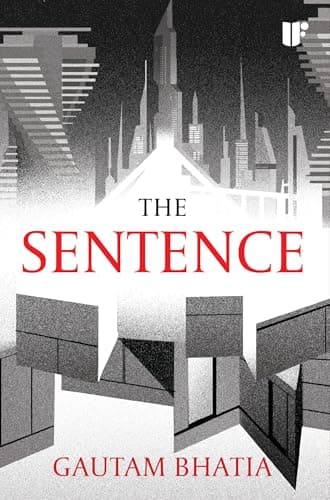
Should you read The Sentence?
What works
The officials do not need to sound monstrous. Their forms, procedures, and professional vocabulary show how an extraordinary cruelty can become an ordinary day at work.
What may not work for you
The institution is more fully imagined than the world around it, and a few characters sound like positions in a debate before they feel like people.
What may test your patience
The opening spends time defining legal roles and distinctions. The story gains force once the person living under the sentence moves to the center.
Does the ending reward the effort?
Yes. There is no clever courtroom escape to make the system clean again; the ending leaves lawful authority facing the harm it has authorized.
Reading The Sentence closely
The Sentence begins with a punishment that the law can authorize and officials can administer without ever calling themselves cruel. That professional calm is the novel's sharpest touch. Forms, roles, and careful legal language make violence look routine.
Bhatia is more interested in the moral excuse behind the sentence than in courtroom cleverness or futuristic spectacle. At times the institution feels more alive than the people arguing about it, but the central question remains difficult: legality can describe who has power without proving that the power is just.
When procedure hides responsibility
Officials divide the work and use euphemisms, allowing each person to treat the sentence as somebody else's decision. The bureaucracy is part of the punishment, not neutral scenery.
Three useful comparisons
The Trial
The Trial makes procedure surreal and unknowable; The Sentence explains its institution more clearly so the moral problem lies in authorized power rather than pure absurdity.
Best for: Choose it if an unfinished, darkly funny legal nightmare can hold your attention even when every promised answer becomes another appointment.
1984
1984 depicts a total state remaking truth and identity, while Bhatia isolates one legal technology and examines the arguments used to legitimize it.
Best for: Readers interested in propaganda, surveillance, political language, and dystopias that offer pressure rather than escapism.
The Handmaid's Tale
The Handmaid's Tale builds oppression through intimate testimony and gendered control; The Sentence is cooler, more juridical, and centered on punishment.
Best for: Readers interested in reproductive control, memory, religious authoritarianism, and narrators whose uncertainty is part of their resistance.