What to read next
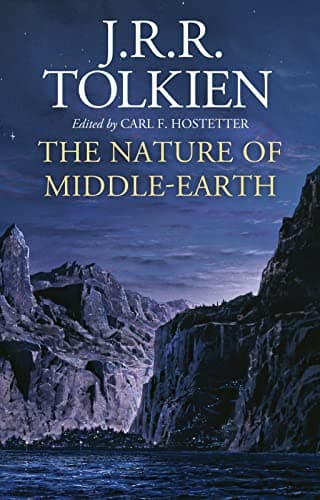
10 books like The Nature of Middle-earth
Chronology, Elvish growth, embodiment, population, customs, and metaphysics show Tolkien testing how an invented world might remain internally possible. If that is what you want more of after The Nature of Middle-earth, these recommendations preserve that appeal in different ways, without pretending every similar book offers the same experience.
Start with our The Nature of Middle-earth review by J.R.R. Tolkien.

Choose by reading mood
Where to start
For the fastest read
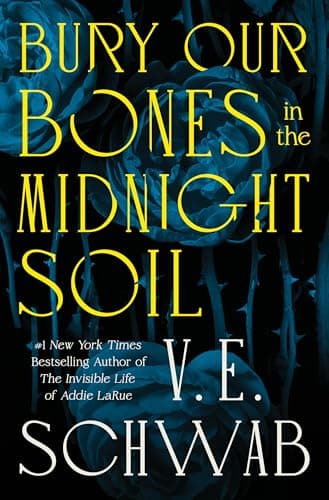
Bury Our Bones in the Midnight Soil
BalancedFor the darkest read
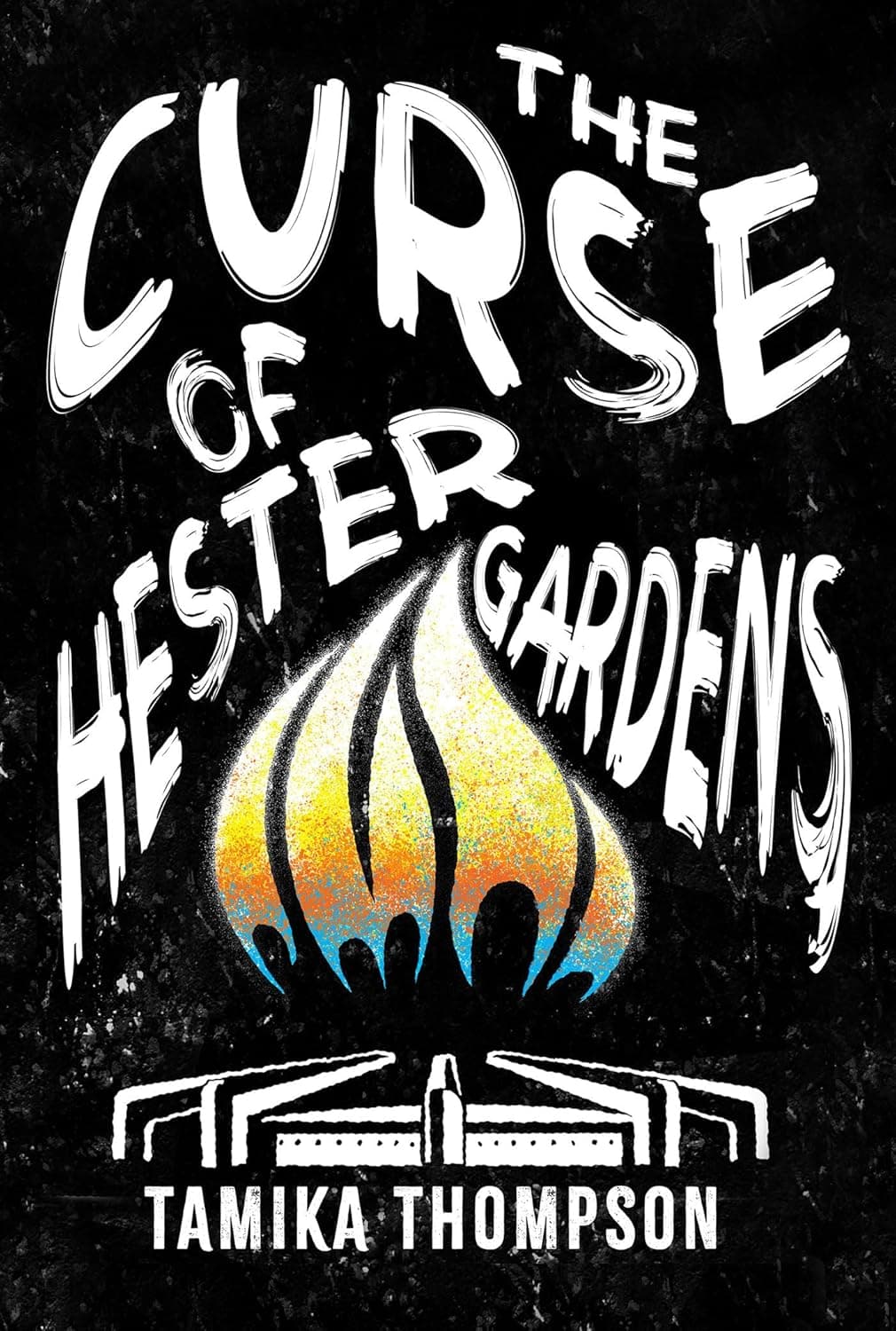
The Curse of Hester Gardens
Very darkFor minimal romance
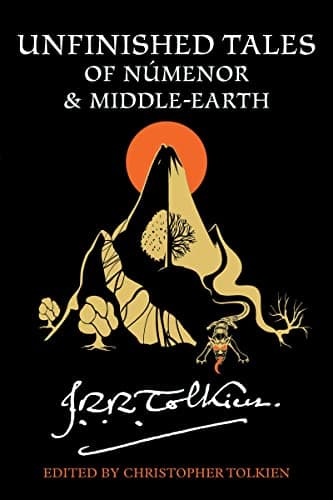
Unfinished Tales of Númenor and Middle-earth
MinimalFor the easiest entry
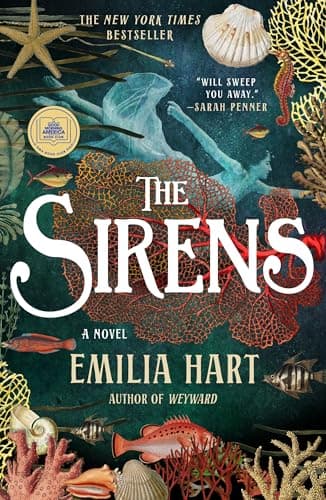
The Sirens
AccessibleThe full shortlist
Why each book belongs here
Each match is judged against The Nature of Middle-earth, not merely placed beside it because the books share a broad genre label.
Unfinished Tales of Númenor and Middle-earth
- Shared ground
- Both books come from J.R.R. Tolkien, and they reward attention to voice, social context, and the consequences of mistaken judgment.
- What changes
- Unfinished Tales contains far more narrative and is the better first posthumous collection.
- Best for
- Readers already familiar with The Lord of the Rings and The Silmarillion who enjoy textual history alongside lore.
- Pace Balanced
- Darkness Gentle
- Romance Minimal
- Difficulty Moderate
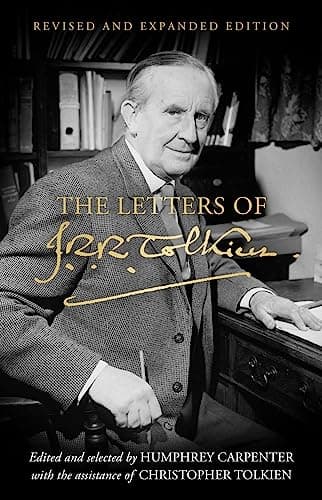
The Letters of J.R.R. Tolkien
- Shared ground
- Both books come from J.R.R. Tolkien, and they reward attention to voice, social context, and the consequences of mistaken judgment.
- What changes
- The Letters explains creative and personal decisions in a more accessible authorial voice.
- Best for
- Serious Tolkien readers interested in authorial context, creative process, belief, and the limits of canonical answers.
- Pace Balanced
- Darkness Gentle
- Romance Minimal
- Difficulty Moderate
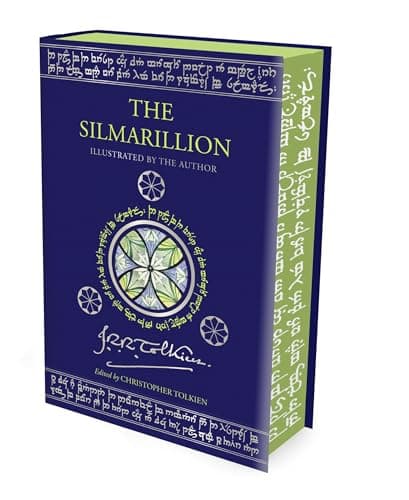
The Silmarillion
- Shared ground
- Both books treat art, music, or storytelling as an active way of understanding the world.
- What changes
- The Silmarillion turns decades of work into a readable mythic sequence and should come much earlier.
- Best for
- Committed Middle-earth readers who enjoy mythology, tragic history, invented languages, and repeated reading more than conventional character access.
- Pace Measured
- Darkness Gentle
- Romance Minimal
- Difficulty Moderate
Bury Our Bones in the Midnight Soil
- Shared ground
- Both books treat art, music, or storytelling as an active way of understanding the world.
- What changes
- Bury Our Bones in the Midnight Soil is darker than The Nature of Middle-earth. María, Charlotte, and Alice make immortality mean something different in each century, allowing desire, reinvention, predation, and loneliness to echo without collapsing into one moral.
- Best for
- Adult readers wanting sapphic vampires, historical settings, nonlinear structure, sensual prose, violence, hunger, toxic intimacy, and meditations on freedom.
- Pace Balanced
- Darkness Dark
- Romance Minimal
- Difficulty Accessible
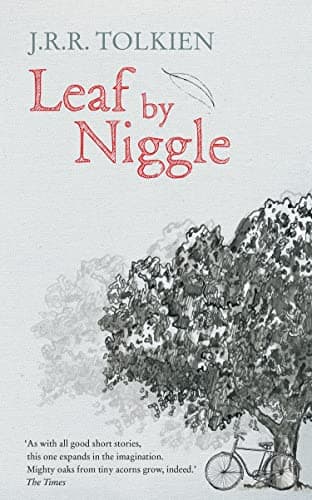
Leaf by Niggle
- Shared ground
- Both books treat art, music, or storytelling as an active way of understanding the world.
- What changes
- Leaf by Niggle has a similar overall reading load, but changes the emphasis. Niggle's painting and his obligations to Parish remain genuinely competing goods, preventing the story from flattering either artistic selfishness or bureaucratic utility.
- Best for
- Artists, Tolkien readers, and anyone drawn to brief philosophical fantasy about incompletion and grace.
- Pace Balanced
- Darkness Gentle
- Romance Minimal
- Difficulty Moderate
Smith of Wootton Major
- Shared ground
- Both books treat art, music, or storytelling as an active way of understanding the world.
- What changes
- Smith of Wootton Major has a similar overall reading load, but changes the emphasis. Smith's journeys remain largely unexplained, preserving Faery as encounter rather than mapped world, while village custom gives the gift a human cycle.
- Best for
- Readers who prefer contemplative fairy stories about wonder, maturity, and loss to adventure or extensive lore.
- Pace Balanced
- Darkness Gentle
- Romance Minimal
- Difficulty Moderate
The Sirens
- Shared ground
- Both books use impossible worlds and supernatural pressure to test their characters.
- What changes
- The Sirens is easier to enter than The Nature of Middle-earth. Lucy's fear, Jess's disappearance, historical women, and coastal folklore give bodily change a family history rather than treating it as an isolated supernatural event.
- Best for
- Readers of atmospheric women's fiction wanting sisters, Australian coast, historical timelines, sea folklore, family inheritance, and light speculative horror.
- Pace Balanced
- Darkness Moderate
- Romance Light subplot
- Difficulty Accessible
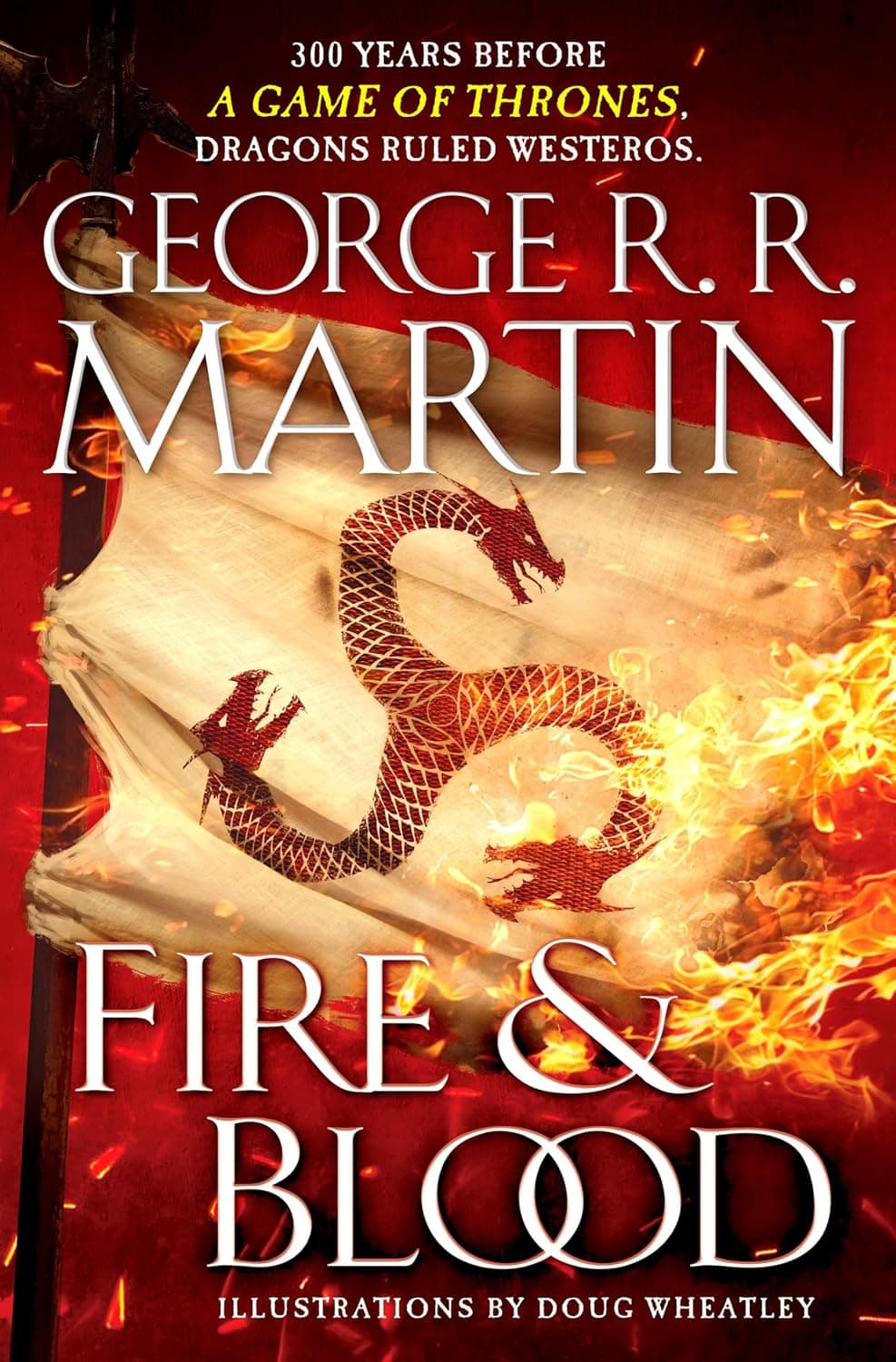
Fire and Blood
- Shared ground
- Both books use impossible worlds and supernatural pressure to test their characters.
- What changes
- Fire and Blood has a similar overall reading load, but changes the emphasis. The Dance of the Dragons gains scale from disputed testimony, political marriages, succession law, and the chronicler's inability to settle motive.
- Best for
- Targaryen enthusiasts and readers who enjoy dynastic pseudo-history, unreliable sources, and political succession more than close viewpoint fiction.
- Pace Balanced
- Darkness Gentle
- Romance Minimal
- Difficulty Accessible
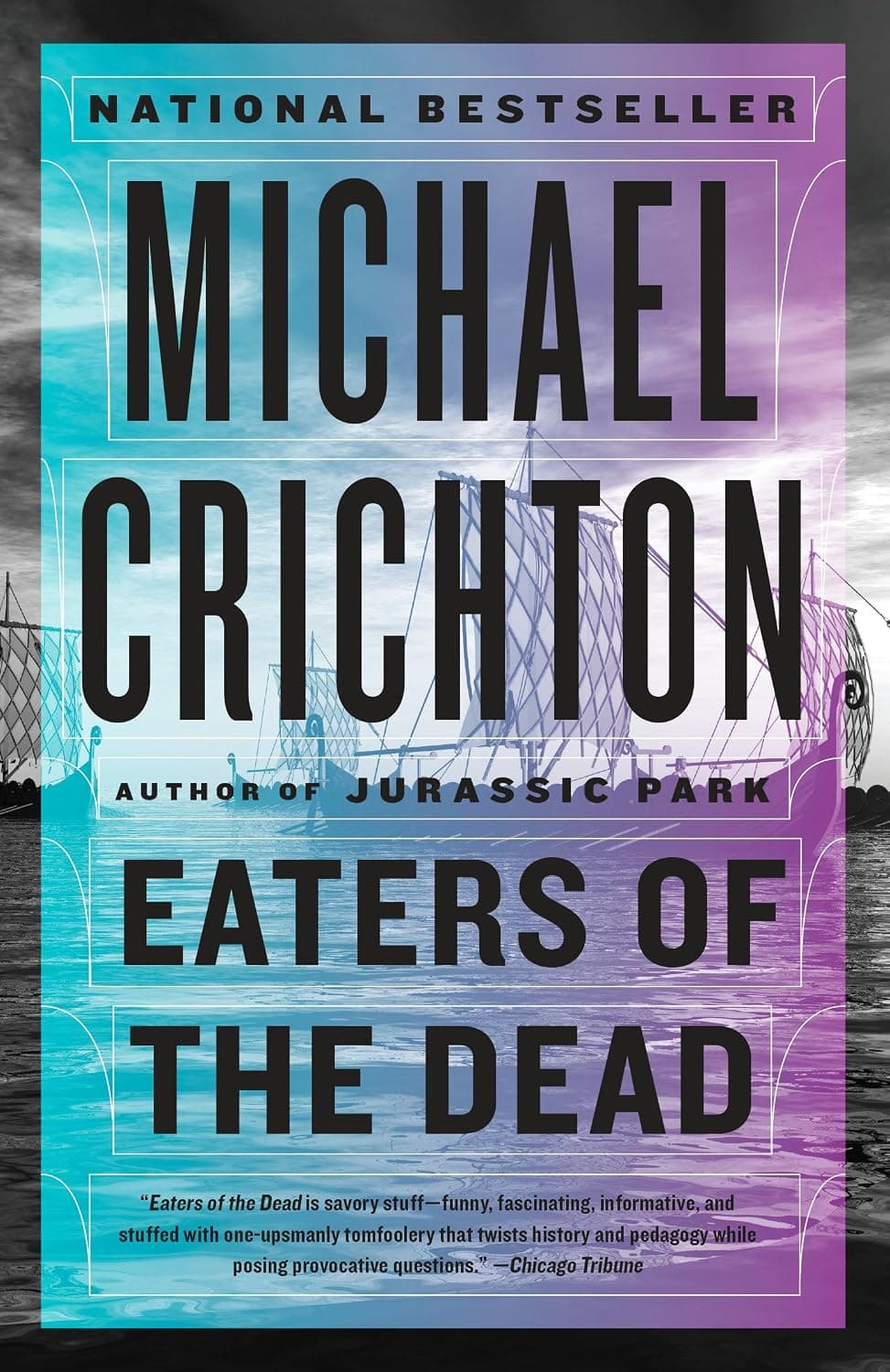
Eaters of the Dead
- Shared ground
- Both books use impossible worlds and supernatural pressure to test their characters.
- What changes
- Eaters of the Dead has a similar overall reading load, but changes the emphasis. Ibn Fadlan's outsider observations of Norse bodies, rituals, travel, and combat give legendary events anthropological texture.
- Best for
- Readers wanting historical adventure, Beowulf revision, Norse travel, and playful pseudo-scholarship.
- Pace Balanced
- Darkness Gentle
- Romance Minimal
- Difficulty Accessible
The Curse of Hester Gardens
- Shared ground
- Both books use impossible worlds and supernatural pressure to test their characters.
- What changes
- The Curse of Hester Gardens is darker than The Nature of Middle-earth. The house's unstable geography, inherited records, and buried violence create sustained unease, while the family history gives the supernatural threat emotional roots.
- Best for
- Gothic-horror readers who prefer inherited secrets, oppressive houses, family trauma, slow dread, and supernatural violence to constant jump scares.
- Pace Balanced
- Darkness Very dark
- Romance Minimal
- Difficulty Accessible
Side-by-side
Pace, darkness, romance, and difficulty
Use these labels as directional guidance. The individual notes above explain the tradeoffs.
| Book | Pace | Darkness | Romance | Difficulty |
|---|---|---|---|---|
| The Nature of Middle-earth | Balanced | Gentle | Minimal | Moderate |
| Unfinished Tales of Númenor and Middle-earth | Balanced | Gentle | Minimal | Moderate |
| The Letters of J.R.R. Tolkien | Balanced | Gentle | Minimal | Moderate |
| The Silmarillion | Measured | Gentle | Minimal | Moderate |
| Bury Our Bones in the Midnight Soil | Balanced | Dark | Minimal | Accessible |
| Leaf by Niggle | Balanced | Gentle | Minimal | Moderate |
| Smith of Wootton Major | Balanced | Gentle | Minimal | Moderate |
| The Sirens | Balanced | Moderate | Light subplot | Accessible |
| Fire and Blood | Balanced | Gentle | Minimal | Accessible |
| Eaters of the Dead | Balanced | Gentle | Minimal | Accessible |
| The Curse of Hester Gardens | Balanced | Very dark | Minimal | Accessible |
Keep exploring
Explore another Books Like guide
Start from another familiar book and compare a new set of reading paths.