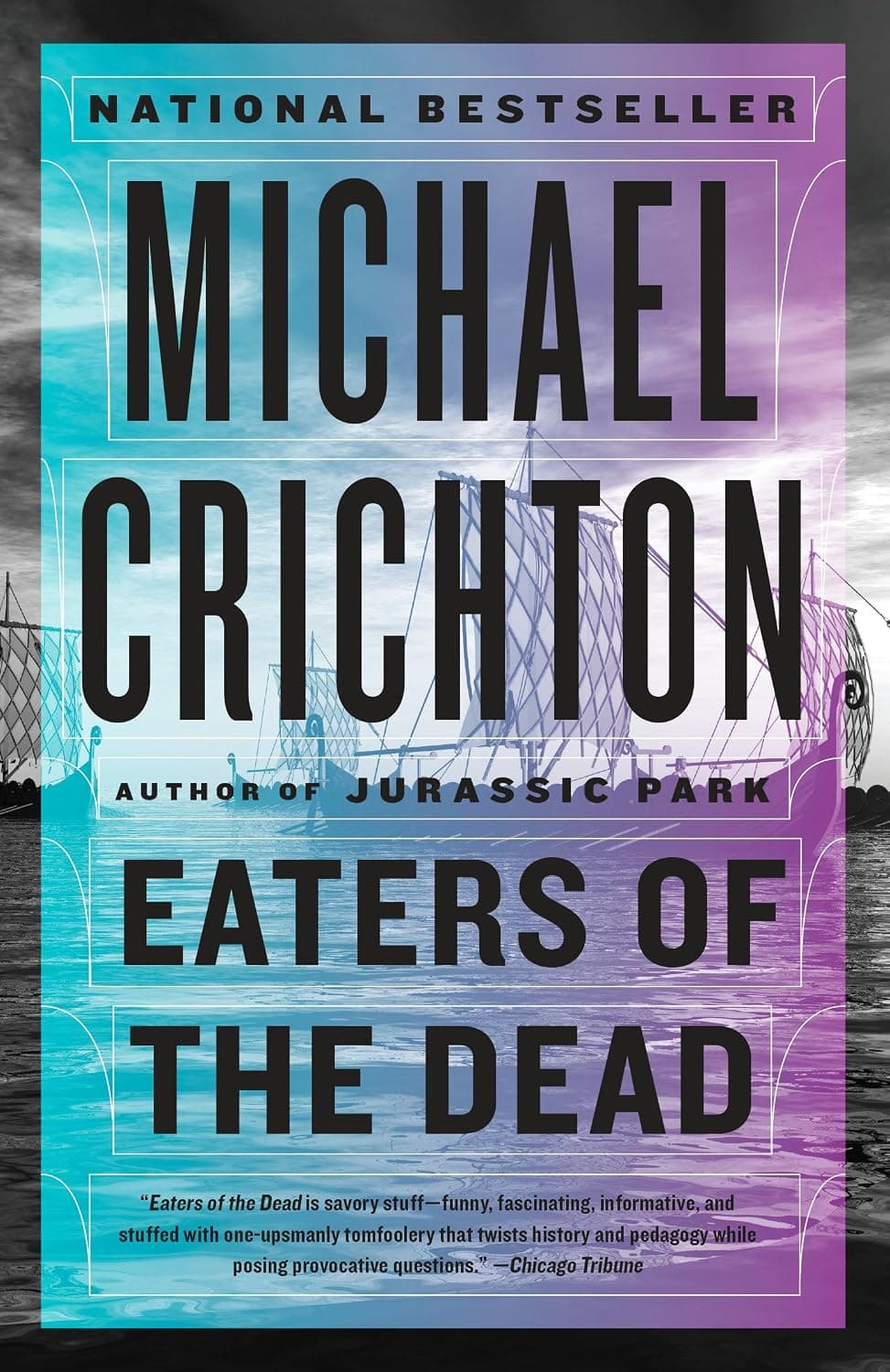
Should you read Eaters of the Dead?
What works
Ibn Fadlan's outsider observations of Norse bodies, rituals, travel, and combat give legendary events anthropological texture.
What may not work for you
The cultural framing relies on simplification, women remain peripheral, and the scholarly apparatus sometimes announces authenticity more loudly than the fiction earns it.
What may test your patience
The opening travel and ethnographic observations delay the central monster conflict while establishing the narrator's estrangement.
Does the ending reward the effort?
The final defense resolves the legend effectively and preserves uncertainty about how much wonder the rational frame can explain.
Reading Eaters of the Dead closely
Eaters of the Dead presents Arab traveler Ahmad Ibn Fadlan's journey among Norse warriors as a translated historical manuscript. Sent north in 922, he becomes an unwilling member of Buliwyf's party and travels to a settlement threatened by attackers described as creatures of the mist. His outsider's observations make familiar Viking customs strange, physical, and often disturbing.
Crichton combines the genuine surviving account of Ibn Fadlan with the narrative structure of Beowulf. Footnotes, scholarly disputes, missing passages, and editorial commentary create a convincing documentary game while the adventure gradually moves from ethnography into monster story. The central tension lies in whether apparently supernatural events require supernatural explanations.
The book contains graphic violence and period portrayals filtered through both a medieval narrator and a modern author. Its anthropology should not be treated as straightforward history, but its experiment in making a myth appear recoverable from evidence remains clever. Readers familiar with Beowulf will enjoy the transformations; newcomers can follow it as a compact historical horror adventure.
Ibn Fadlan as outsider
His judgments reveal Norse practices while also exposing the limits of his own cultural assumptions.
Beowulf reconstructed
Names, episodes, and threats from the poem are reframed as events a historical witness might have misunderstood or recorded.
The pseudo-manuscript effect
Notes and editorial interruptions blur scholarship and invention without requiring readers to believe the document is authentic.
Three useful comparisons
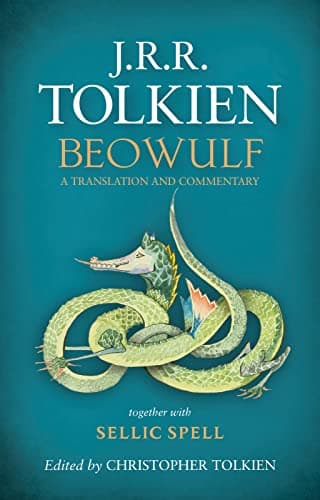
Beowulf: A Translation and Commentary
Tolkien's Beowulf gives the original poem and serious scholarship rather than modern adventure reconstruction.
Best for: Readers studying Beowulf, Tolkien's scholarship, translation choices, and the medieval roots of his imaginative work.
As an Amazon Associate, I earn from qualifying purchases.
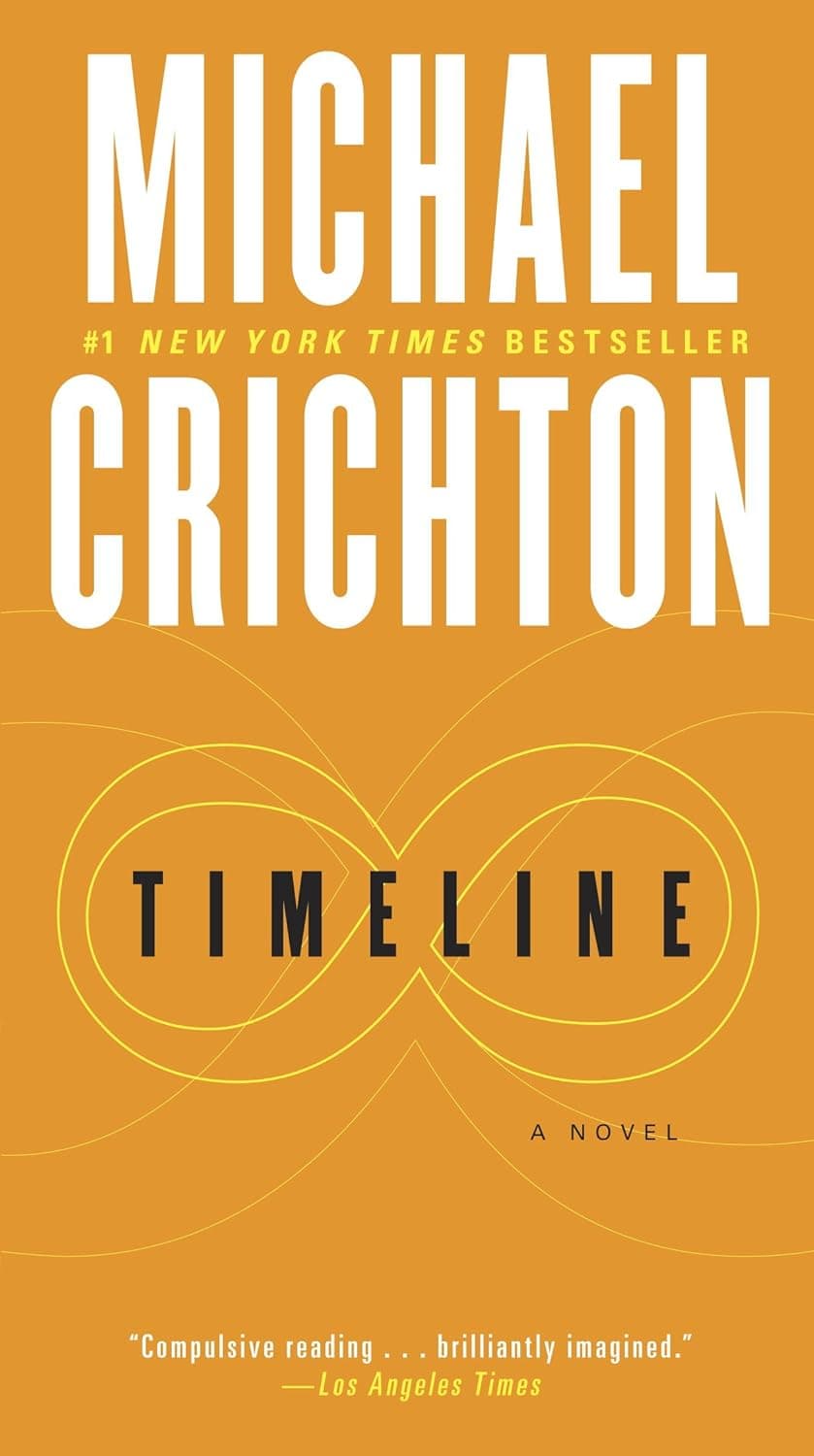
Timeline
Timeline offers faster medieval action through science-fiction transport and a contemporary ensemble.
Best for: A good fit for researched medieval action, archaeology, speculative time travel, and a long setup followed by rapid adventure.
As an Amazon Associate, I earn from qualifying purchases.
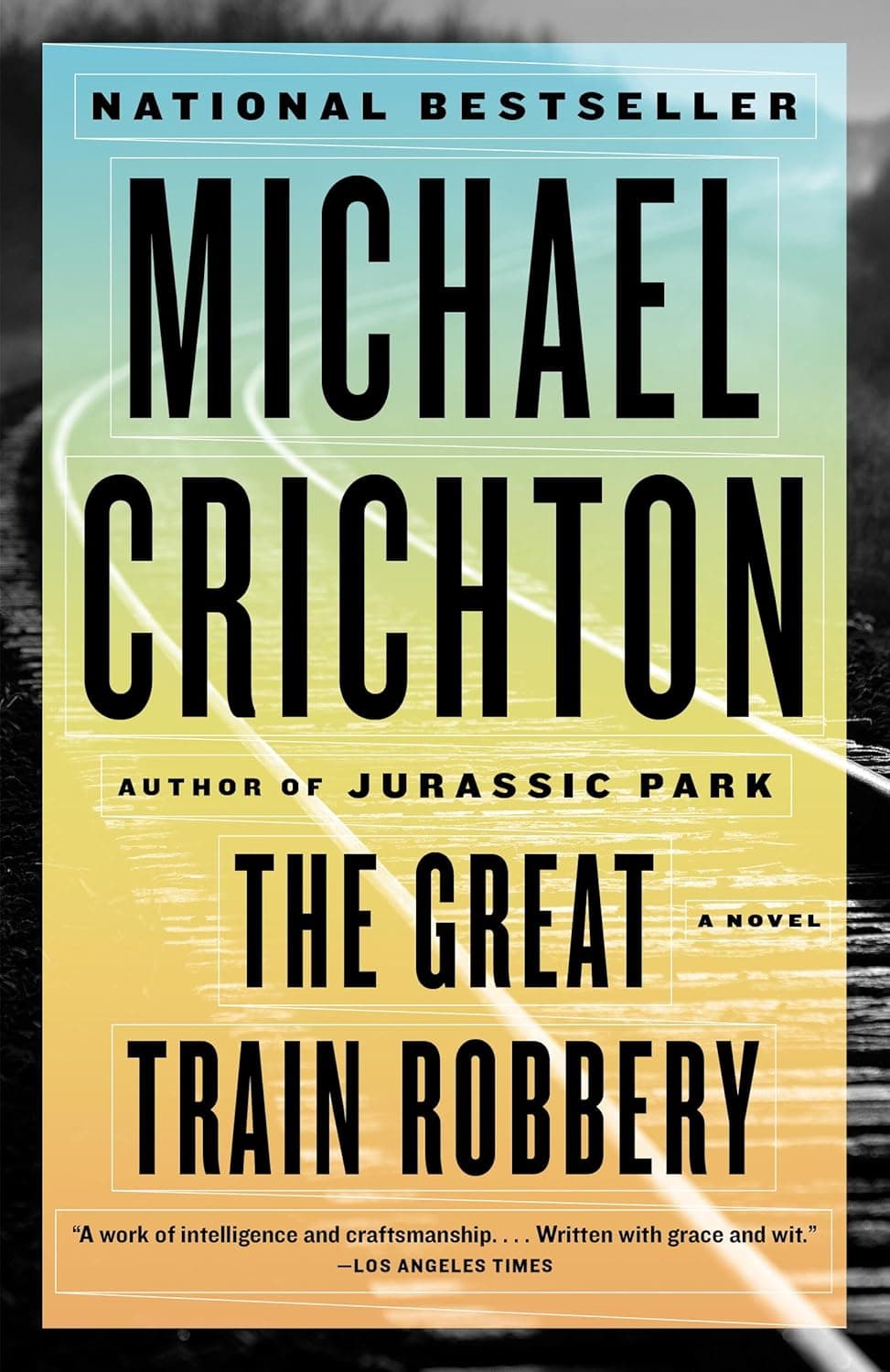
The Great Train Robbery
Great Train Robbery uses documentary style around a real crime with stronger procedural structure.
Best for: Readers who enjoy procedural heists, Victorian settings, and research woven into the mechanics of a crime.
As an Amazon Associate, I earn from qualifying purchases.