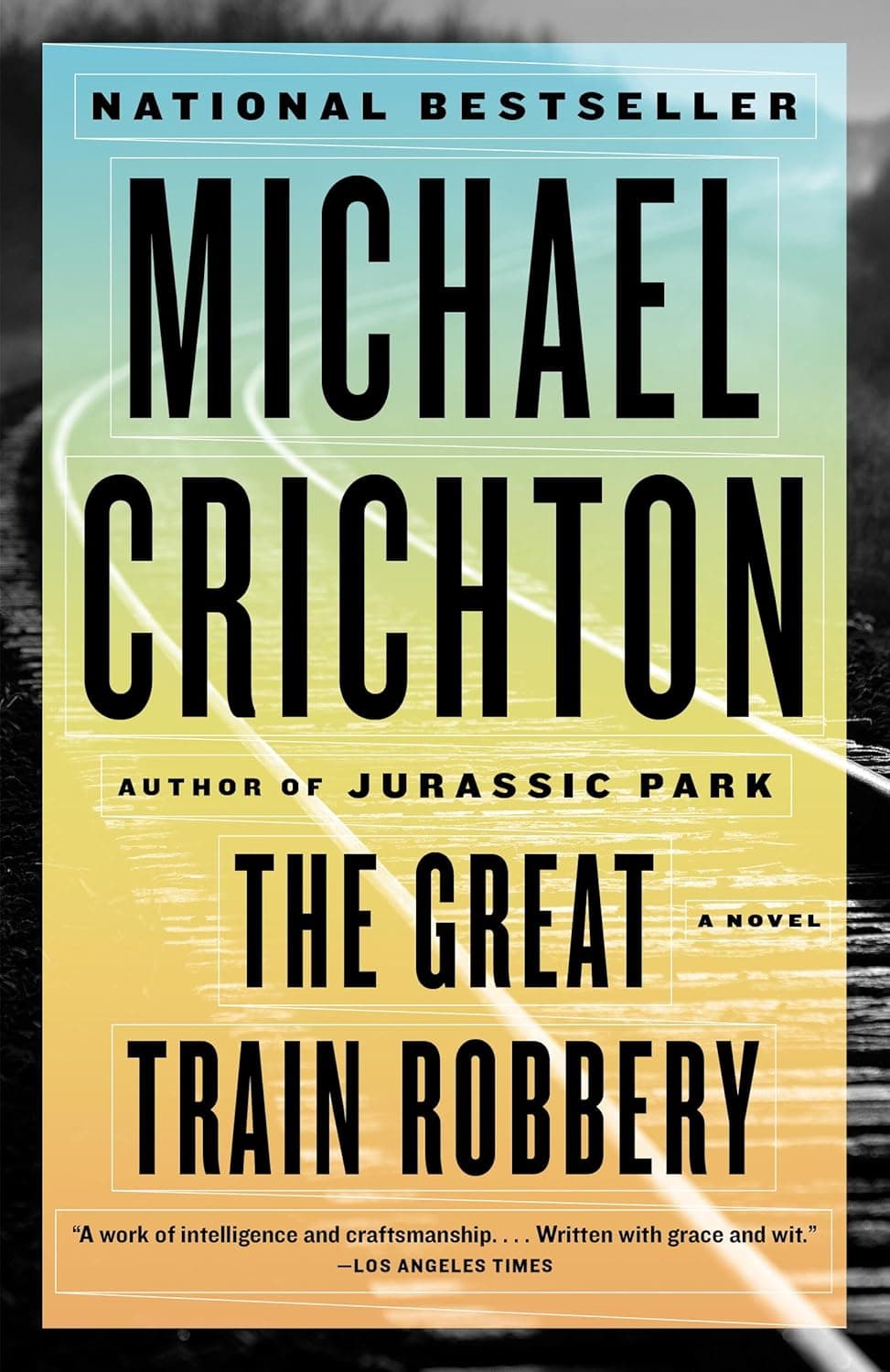
Should you read The Great Train Robbery?
What works
Each obstacle is concrete: four guarded keys, two safes, railway timing, surveillance, and the problem of moving gold. The pleasure comes from watching separate solutions become one operation rather than waiting for a surprise mastermind reveal.
What may not work for you
The documentary distance leaves little room for interior life, and women are too often treated as access points, disguises, or complications in the men's plan. Period slang and explanatory detours can also interrupt the caper.
What may test your patience
The first half repeatedly stops to explain criminal trades, railway practice, and Victorian custom before the train moves. Those details create the heist's logic, but anyone expecting immediate action may wonder when preparation will finally become execution.
Does the ending reward the effort?
Yes. The train sequence uses the physical constraints established during the planning, so its suspense feels earned. The retrospective coda adds historical flavor, though it keeps Pierce at the same intriguing emotional distance.
Reading The Great Train Robbery closely
The Great Train Robbery follows Edward Pierce as he plans to steal gold shipped from London to support British forces in the Crimean War. Four keys, guarded safes, railway procedures, and Victorian assumptions about class stand between him and the money. Pierce builds a crew and solves each obstacle before attempting the theft aboard a moving train.
Crichton presents the caper through historical reconstruction, explaining slang, policing, rail technology, social inequality, and criminal trades without losing forward movement. The documentary narrator occasionally announces later outcomes, shifting suspense from what happened to how an apparently impossible operation could work. Respectability itself becomes equipment because Pierce can enter spaces closed to visibly poorer criminals.
Inspired by the 1855 Great Gold Robbery, the novel freely dramatizes uncertain history rather than offering academic nonfiction. Period vocabulary and explanatory detours may slow readers seeking continuous action, but they also create the book's texture. It is an excellent choice for readers who enjoy methodical heists, Victorian settings, and criminals solving logistical problems with patience.
Four keys and a moving target
The pleasure of the heist comes from breaking one practical barrier at a time before the train ever departs.
Victorian society as security system
Class, clothing, gender expectations, and reputation control access as effectively as locks.
Fact reshaped as fiction
Crichton uses a real robbery as a framework while inventing motives, dialogue, and connective detail.
Three useful comparisons
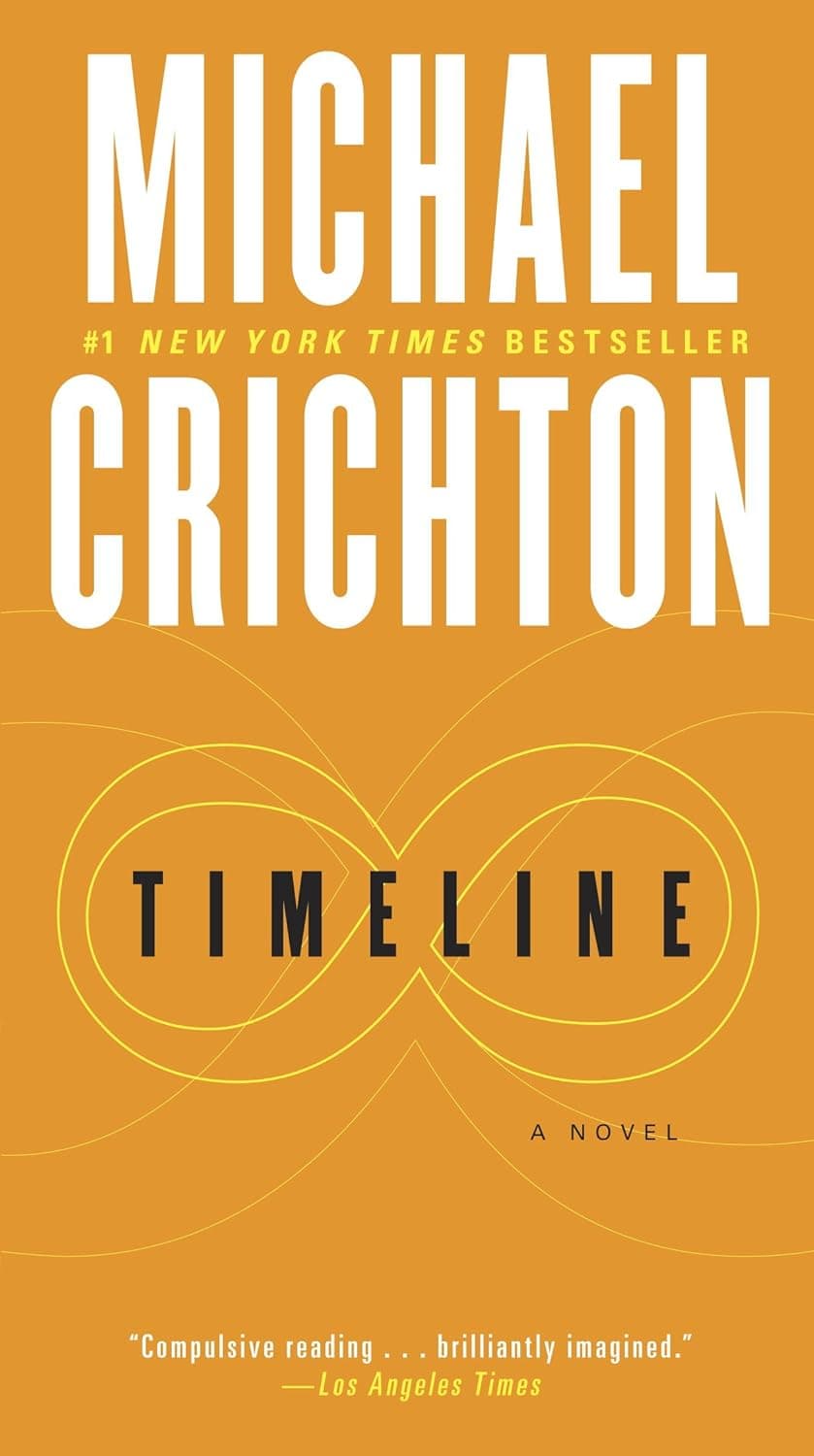
Timeline
Timeline also turns historical research into thriller machinery, but adds speculative technology and much more direct violence. Choose it for a faster rescue adventure after a long setup; choose The Great Train Robbery for a disciplined caper.
Best for: A good fit for researched medieval action, archaeology, speculative time travel, and a long setup followed by rapid adventure.
As an Amazon Associate, I earn from qualifying purchases.
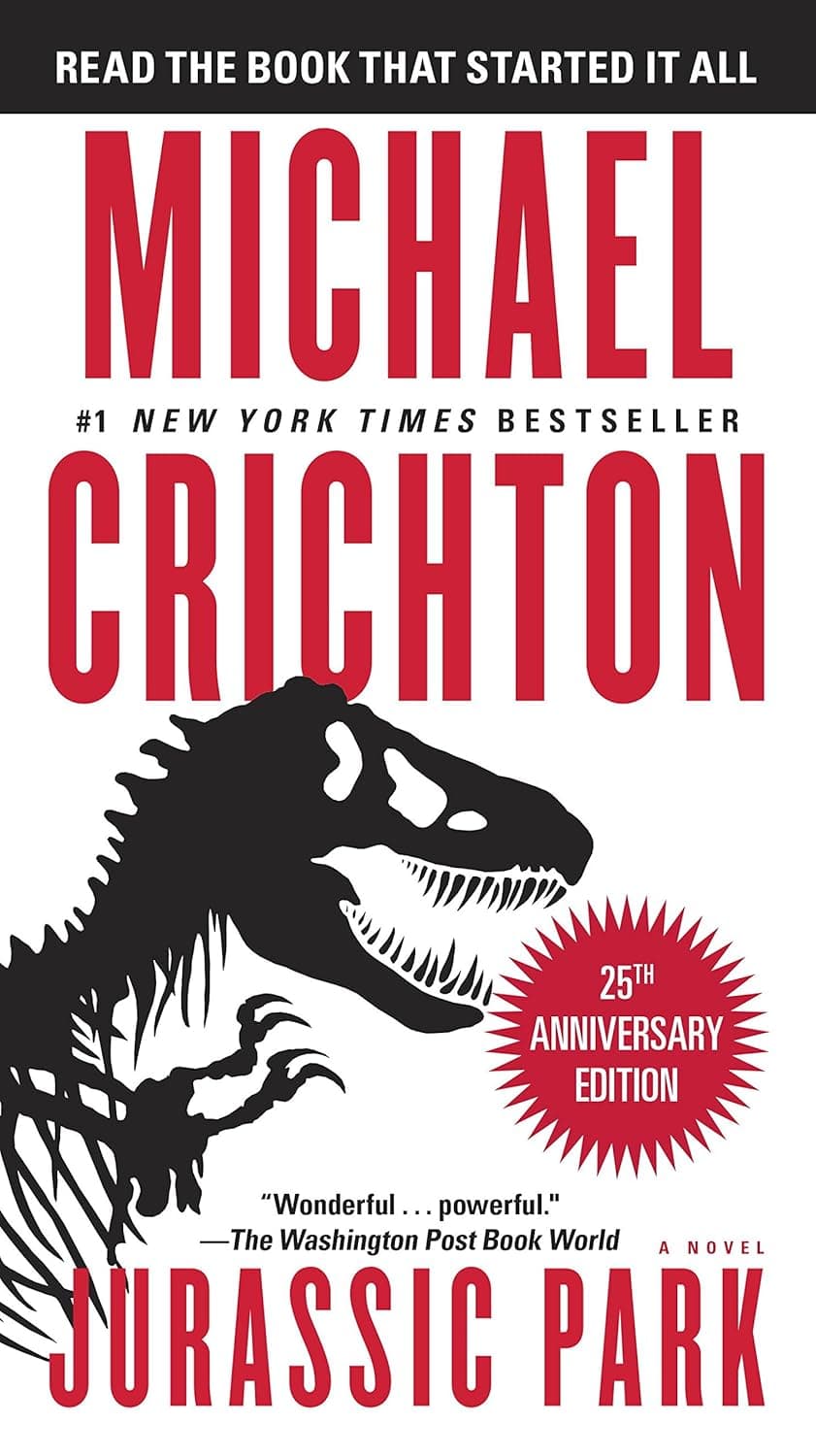
Jurassic Park
Jurassic Park shares Crichton's pleasure in explaining a complex system before making every weak point matter. Its pace is more aggressive and its target is corporate science rather than Victorian security.
Best for: Adult and mature teen readers who want a fast, violent dinosaur story with sustained attention to genetics, automation, and corporate denial.
As an Amazon Associate, I earn from qualifying purchases.
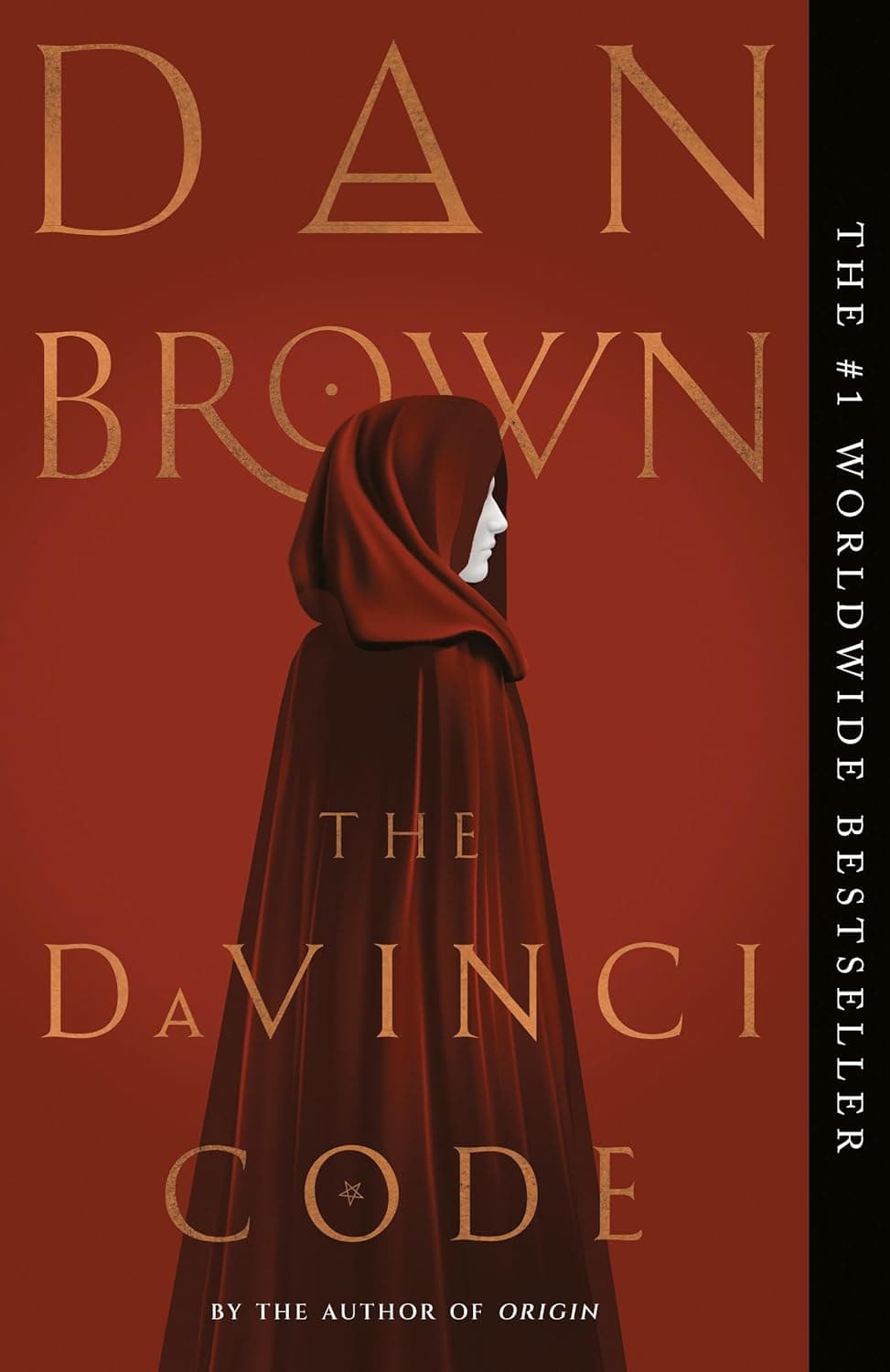
The Da Vinci Code
The Da Vinci Code is built as a continuous chase, with each puzzle pushing immediately to the next location. Choose it for velocity and cliffhangers; choose The Great Train Robbery for method, logistics, and historical texture.
Best for: Best for a fast art-history conspiracy if you can treat its factual claims as entertainment that needs verification.
As an Amazon Associate, I earn from qualifying purchases.