What to read next
10 books like Eaters of the Dead
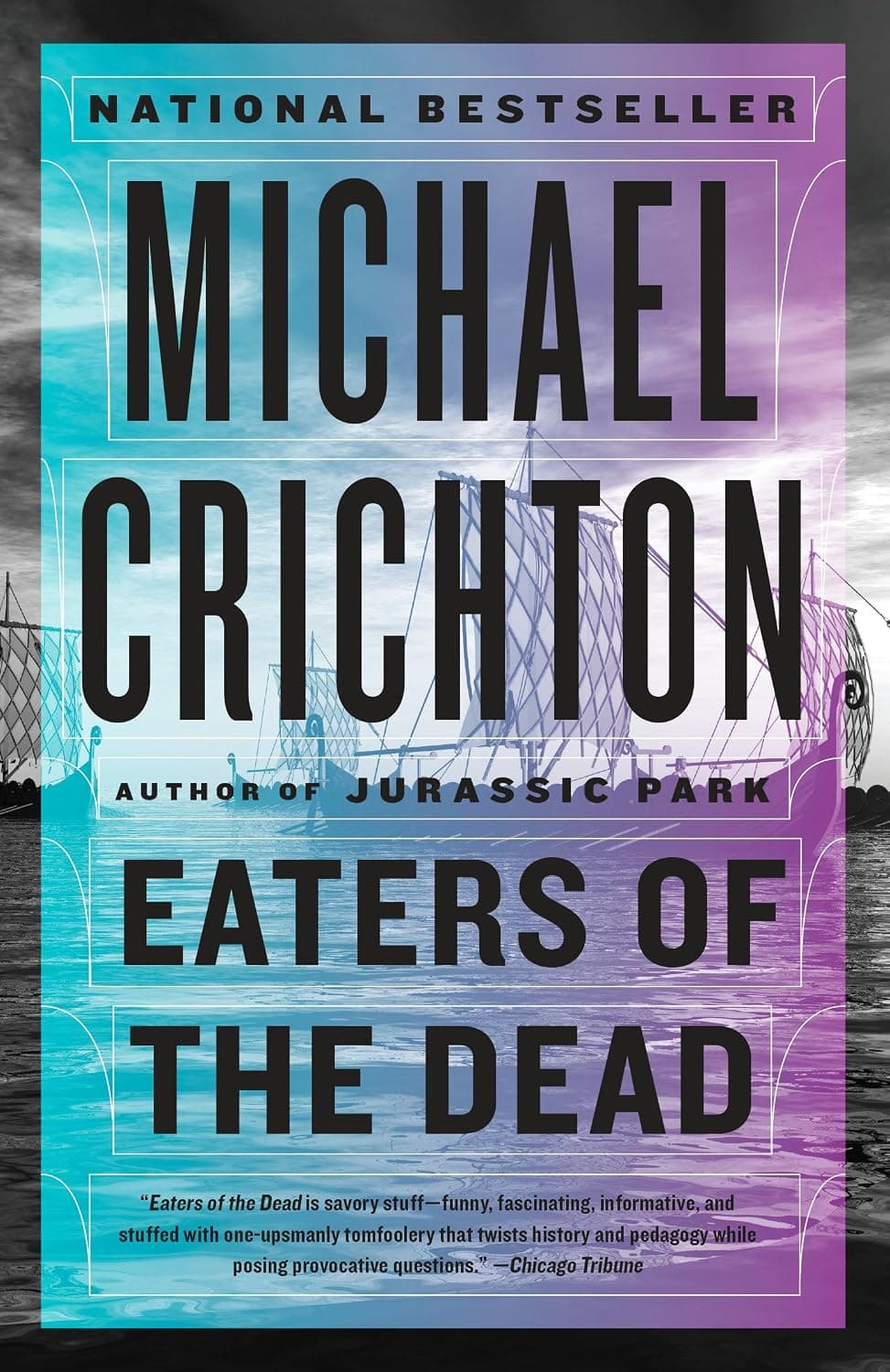
Ibn Fadlan's outsider observations of Norse bodies, rituals, travel, and combat give legendary events anthropological texture. If that is what you want more of after Eaters of the Dead, these recommendations preserve that appeal in different ways, without pretending every similar book offers the same experience.
Start with our Eaters of the Dead review by Michael Crichton.

Choose by reading mood
Where to start
For the fastest read
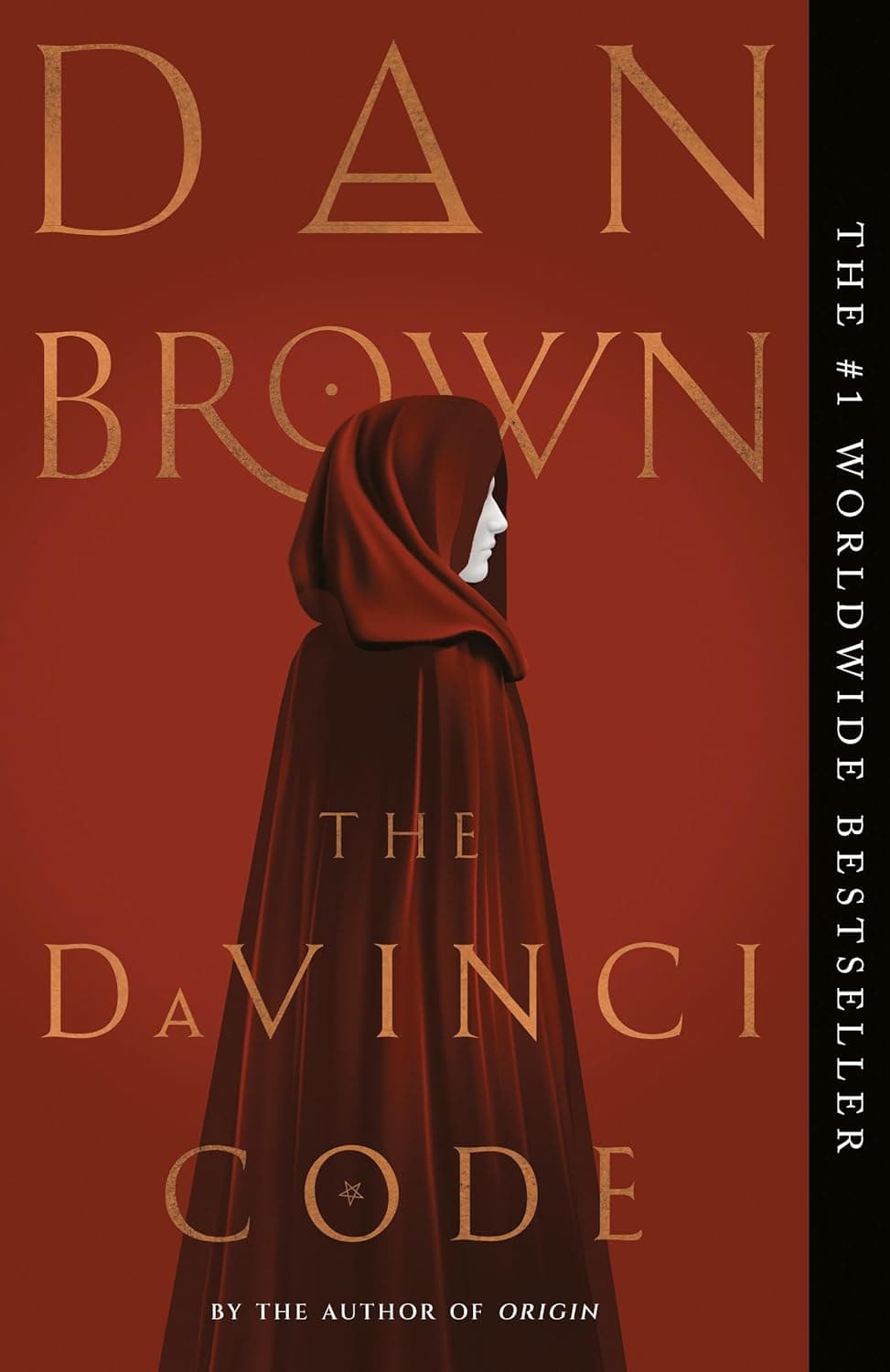
The Da Vinci Code
FastFor the darkest read
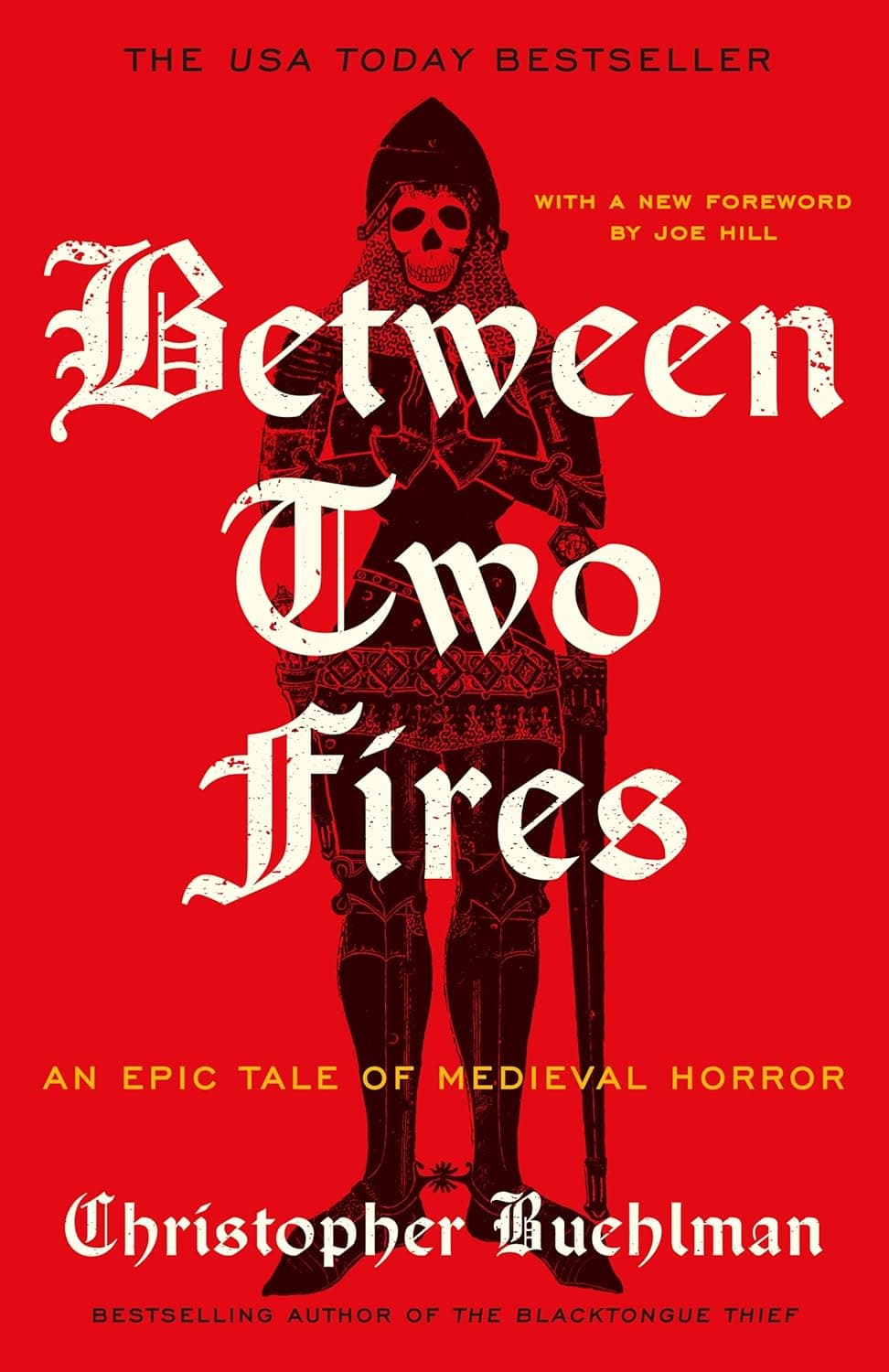
Between Two Fires
Very darkFor minimal romance
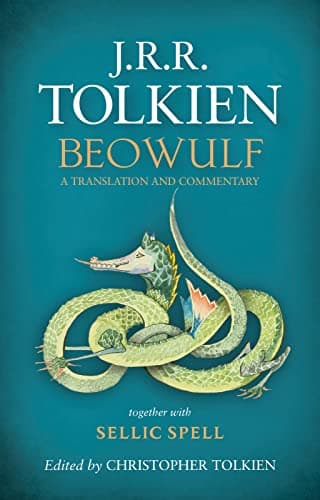
Beowulf: A Translation and Commentary
MinimalFor the easiest entry
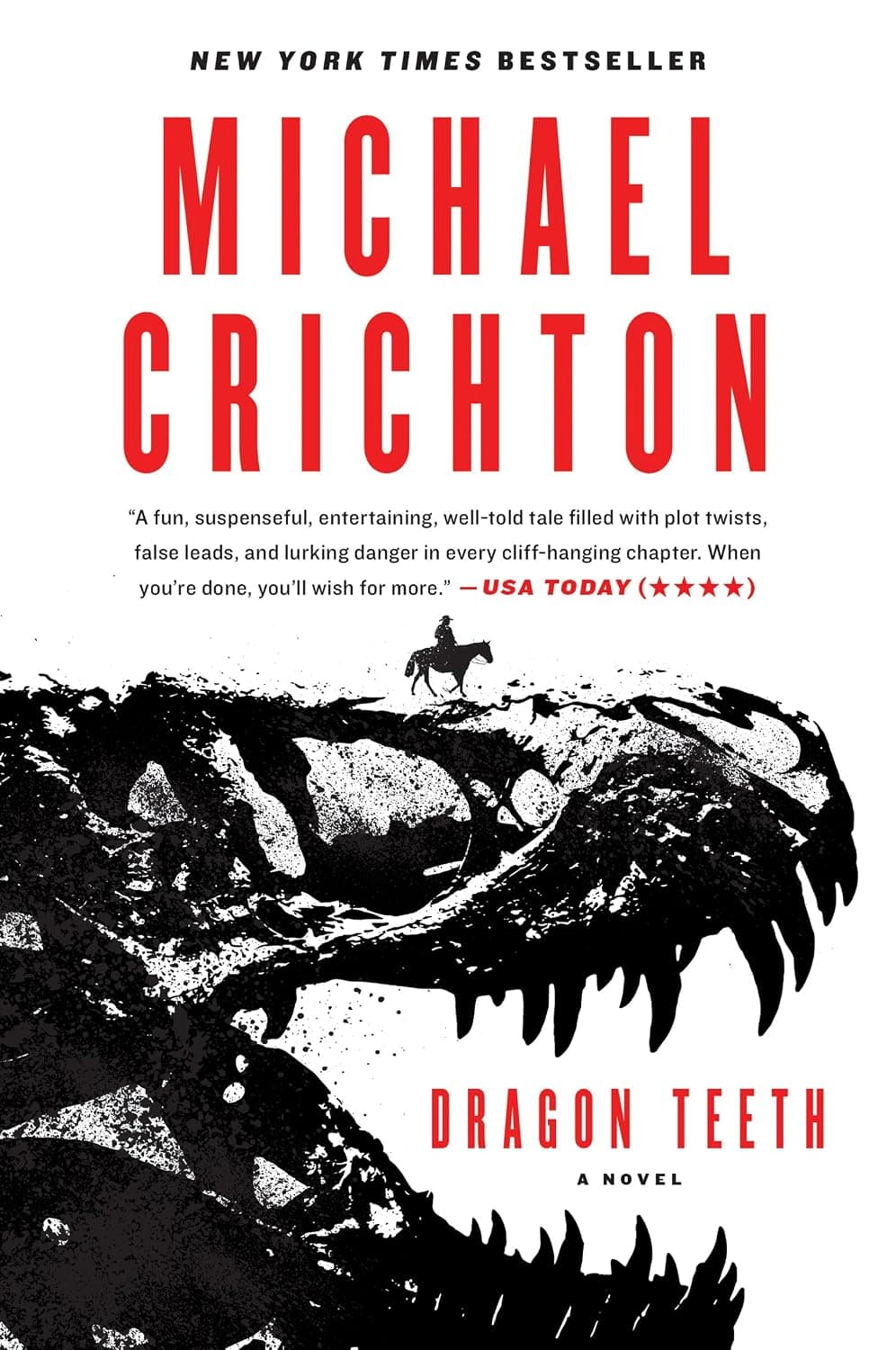
Dragon Teeth
AccessibleThe full shortlist
Why each book belongs here
Each match is judged against Eaters of the Dead, not merely placed beside it because the books share a broad genre label.
Beowulf: A Translation and Commentary
- Shared ground
- The connection is adjacent rather than identical: both make a past period materially important to the characters rather than decorative scenery.
- What changes
- Tolkien's Beowulf gives the original poem and serious scholarship rather than modern adventure reconstruction.
- Best for
- Readers studying Beowulf, Tolkien's scholarship, translation choices, and the medieval roots of his imaginative work.
- Pace Balanced
- Darkness Gentle
- Romance Minimal
- Difficulty Demanding
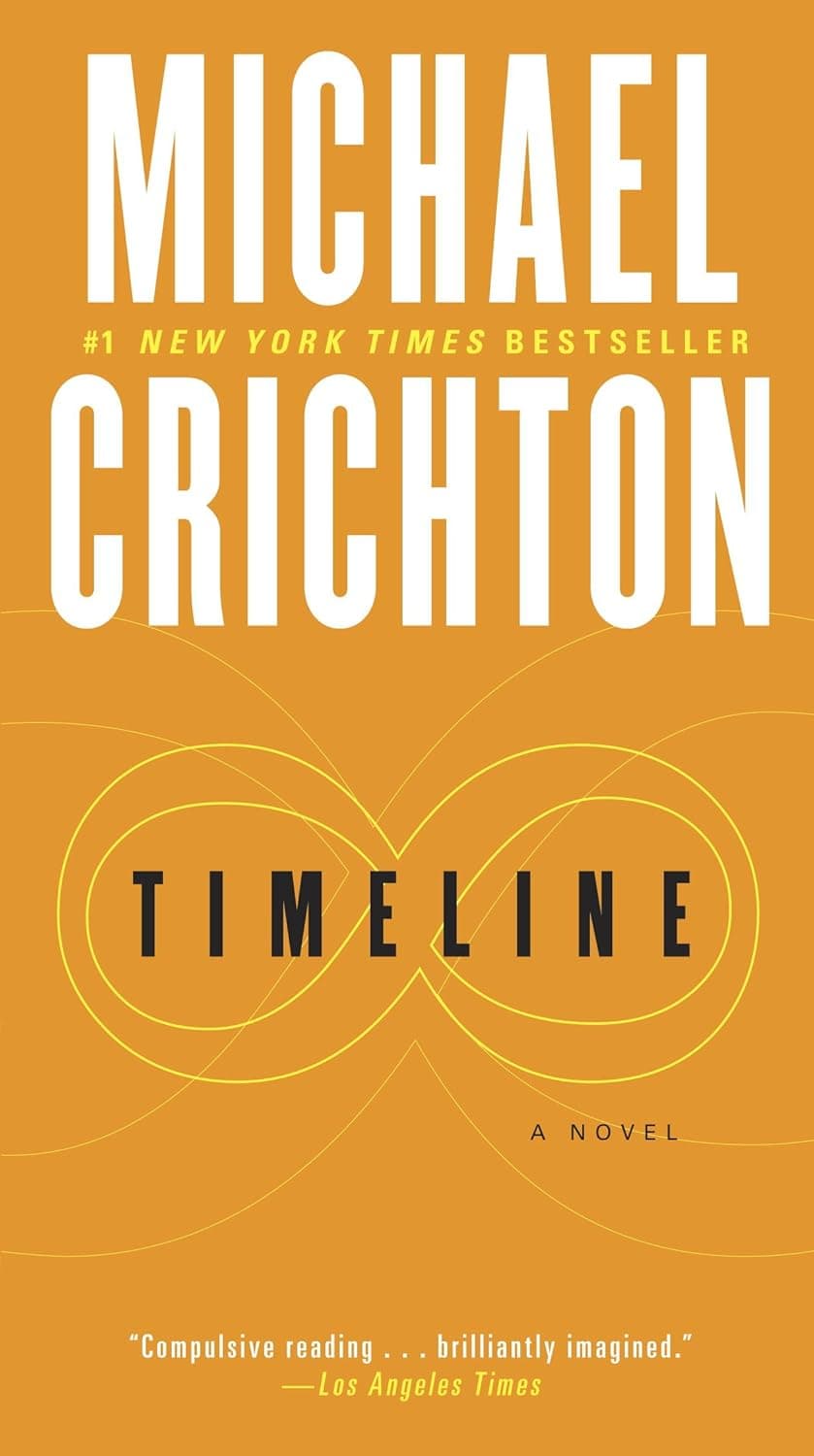
Timeline
- Shared ground
- Both books come from Michael Crichton, and they make a past period materially important to the characters rather than decorative scenery.
- What changes
- Timeline offers faster medieval action through science-fiction transport and a contemporary ensemble.
- Best for
- Readers wanting researched medieval action, archaeology, speculative time travel, and a long setup followed by rapid adventure.
- Pace Brisk
- Darkness Moderate
- Romance Minimal
- Difficulty Accessible
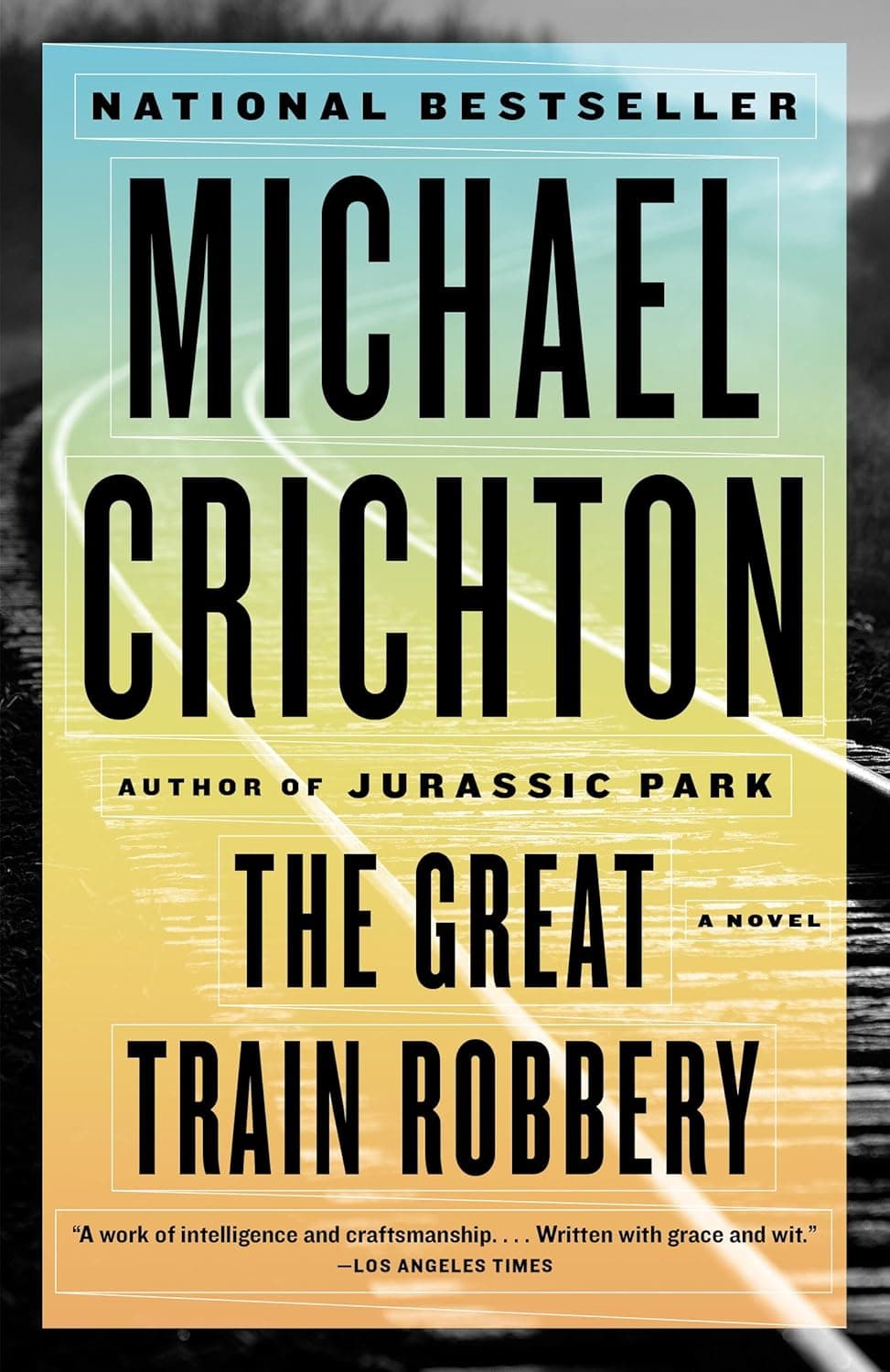
The Great Train Robbery
- Shared ground
- Both books come from Michael Crichton, and they make a past period materially important to the characters rather than decorative scenery.
- What changes
- Great Train Robbery uses documentary style around a real crime with stronger procedural structure.
- Best for
- Readers who enjoy procedural heists, Victorian settings, and research woven into the mechanics of a crime.
- Pace Balanced
- Darkness Gentle
- Romance Minimal
- Difficulty Accessible
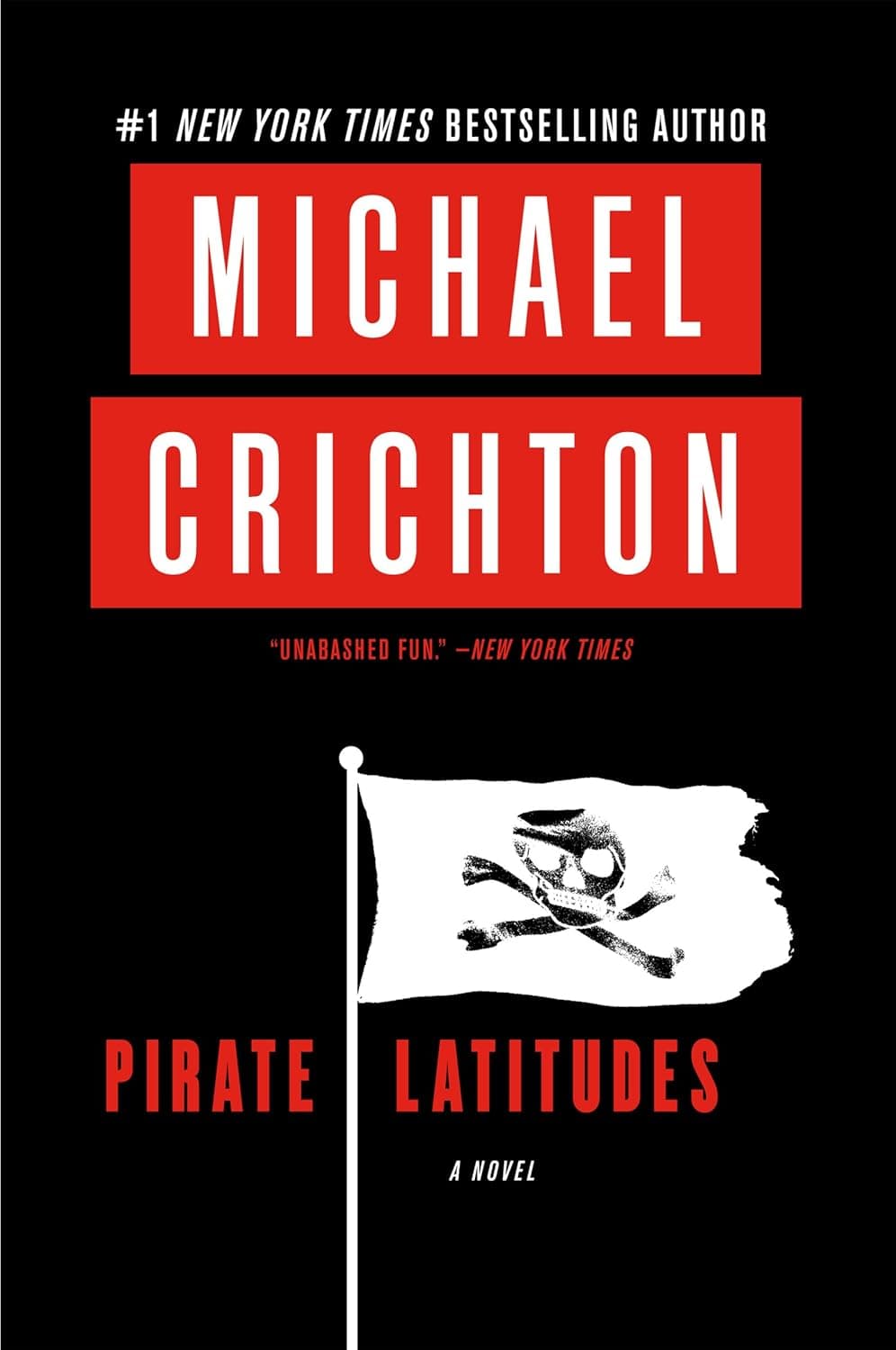
Pirate Latitudes
- Shared ground
- Both books come from Michael Crichton, and they make a past period materially important to the characters rather than decorative scenery.
- What changes
- Pirate Latitudes is faster and darker than Eaters of the Dead. Crew selection, harbor defenses, weather, navigation, and the target's fortifications give the raid satisfying practical stages.
- Best for
- Readers wanting adult pirate adventure, violence, a fortified-island heist, and brisk historical escapism.
- Pace Brisk
- Darkness Moderate
- Romance Minimal
- Difficulty Accessible
Dragon Teeth
- Shared ground
- Both books come from Michael Crichton, and they make a past period materially important to the characters rather than decorative scenery.
- What changes
- Dragon Teeth is faster and darker than Eaters of the Dead. Cope, Marsh, fossil sites, transport, theft, and frontier violence make scientific prestige inseparable from logistics and personality.
- Best for
- Readers interested in fossils, the Bone Wars, western adventure, and accessible historical fiction.
- Pace Brisk
- Darkness Moderate
- Romance Minimal
- Difficulty Accessible
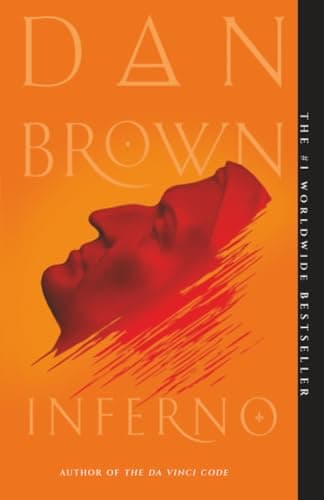
Inferno
- Shared ground
- Both books make a past period materially important to the characters rather than decorative scenery.
- What changes
- Inferno is faster than Eaters of the Dead. Art, maps, plague imagery, altered memory, and city movement keep clues visually connected to the threat rather than merely decorative.
- Best for
- Readers wanting a dark Langdon thriller through Florence and Venice with Dante, biotechnology, and moral controversy.
- Pace Brisk
- Darkness Moderate
- Romance Minimal
- Difficulty Accessible
The Da Vinci Code
- Shared ground
- Both books make a past period materially important to the characters rather than decorative scenery.
- What changes
- The Da Vinci Code is faster than Eaters of the Dead. Each symbol, location, betrayal, and deadline pushes directly into the next problem, making exposition function as propulsion rather than background.
- Best for
- Readers wanting a fast art-history conspiracy and willing to treat its factual claims as entertainment requiring verification.
- Pace Fast
- Darkness Moderate
- Romance Minimal
- Difficulty Accessible
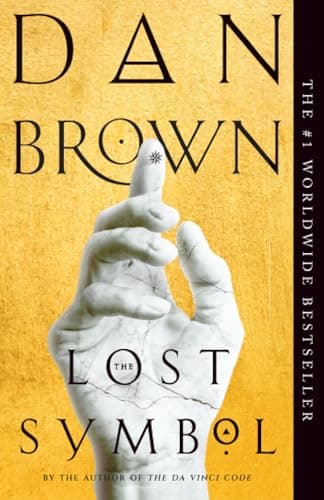
The Lost Symbol
- Shared ground
- Both books make a past period materially important to the characters rather than decorative scenery.
- What changes
- The Lost Symbol is faster than Eaters of the Dead. Masonic spaces, the Capitol, hidden architecture, and Katherine's consciousness research create a coherent symbolic geography.
- Best for
- Langdon readers interested in Freemasonry, Washington landmarks, ritual, and consciousness claims.
- Pace Brisk
- Darkness Moderate
- Romance Minimal
- Difficulty Accessible
Between Two Fires
- Shared ground
- Both books make a past period materially important to the characters rather than decorative scenery.
- What changes
- Between Two Fires is darker than Eaters of the Dead. Thomas, Delphine, and the priest form an unstable moral company, while each monstrous episode grows from a historical or theological fear.
- Best for
- Readers wanting medieval horror, plague, faith, demons, violence, and a damaged knight's redemptive journey.
- Pace Balanced
- Darkness Very dark
- Romance Minimal
- Difficulty Accessible
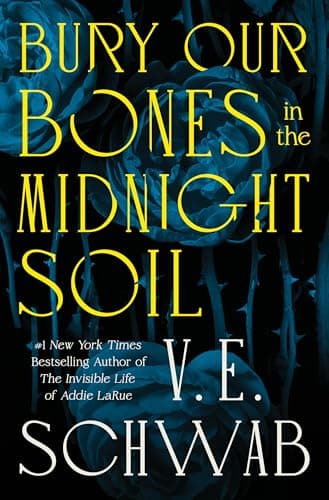
Bury Our Bones in the Midnight Soil
- Shared ground
- Both books make a past period materially important to the characters rather than decorative scenery.
- What changes
- Bury Our Bones in the Midnight Soil is darker than Eaters of the Dead. María, Charlotte, and Alice make immortality mean something different in each century, allowing desire, reinvention, predation, and loneliness to echo without collapsing into one moral.
- Best for
- Adult readers wanting sapphic vampires, historical settings, nonlinear structure, sensual prose, violence, hunger, toxic intimacy, and meditations on freedom.
- Pace Balanced
- Darkness Dark
- Romance Minimal
- Difficulty Accessible
Side-by-side
Pace, darkness, romance, and difficulty
Use these labels as directional guidance. The individual notes above explain the tradeoffs.
| Book | Pace | Darkness | Romance | Difficulty |
|---|---|---|---|---|
| Eaters of the Dead | Balanced | Gentle | Minimal | Accessible |
| Beowulf: A Translation and Commentary | Balanced | Gentle | Minimal | Demanding |
| Timeline | Brisk | Moderate | Minimal | Accessible |
| The Great Train Robbery | Balanced | Gentle | Minimal | Accessible |
| Pirate Latitudes | Brisk | Moderate | Minimal | Accessible |
| Dragon Teeth | Brisk | Moderate | Minimal | Accessible |
| Inferno | Brisk | Moderate | Minimal | Accessible |
| The Da Vinci Code | Fast | Moderate | Minimal | Accessible |
| The Lost Symbol | Brisk | Moderate | Minimal | Accessible |
| Between Two Fires | Balanced | Very dark | Minimal | Accessible |
| Bury Our Bones in the Midnight Soil | Balanced | Dark | Minimal | Accessible |
Keep exploring
Explore another Books Like guide
Start from another familiar book and compare a new set of reading paths.